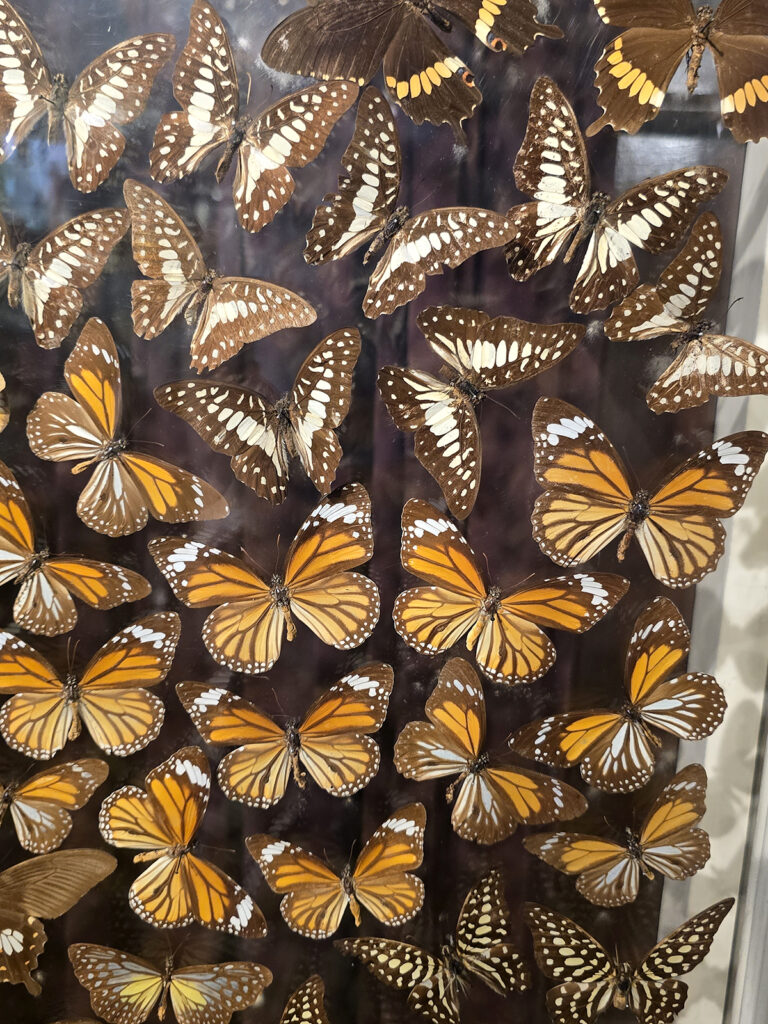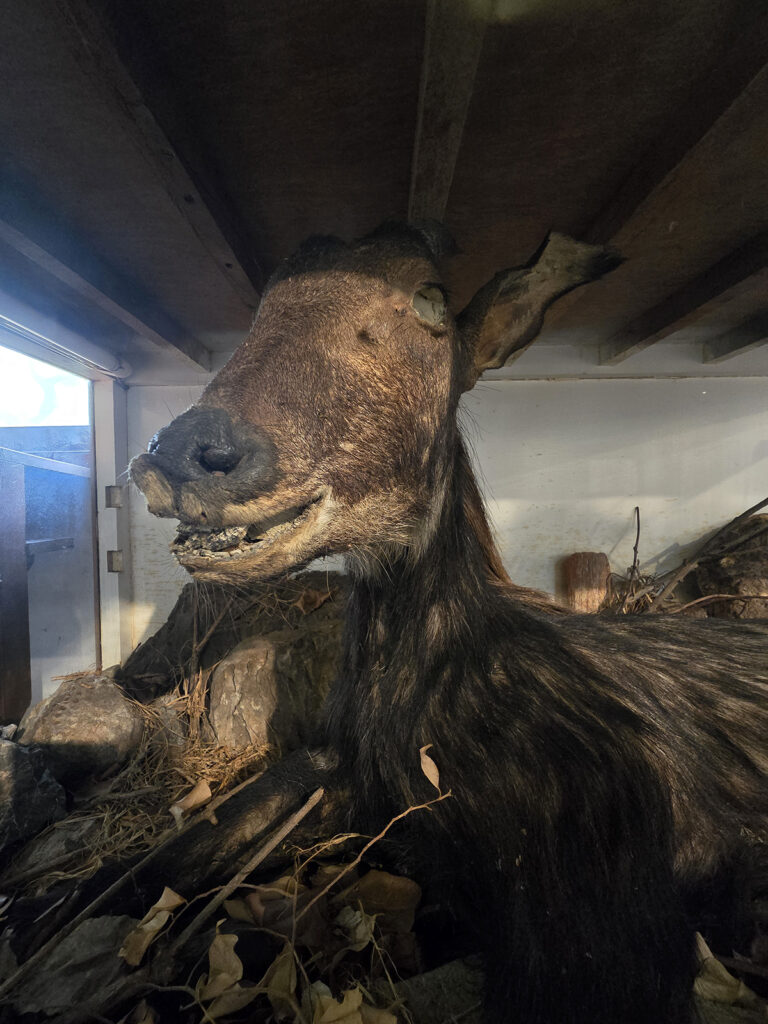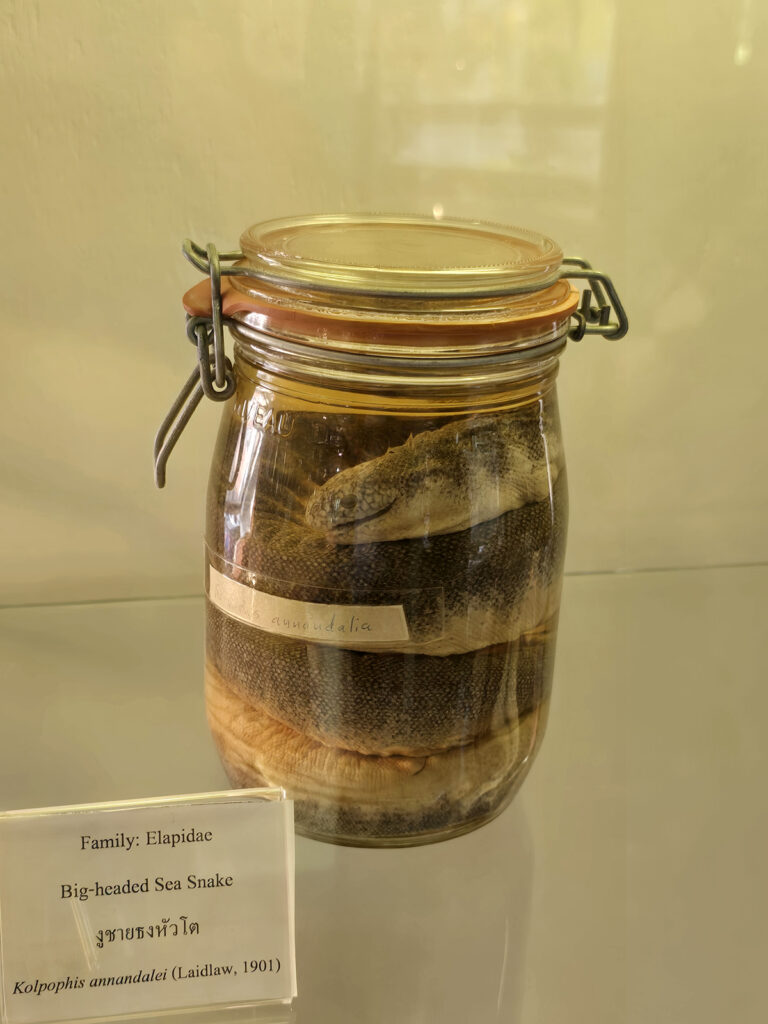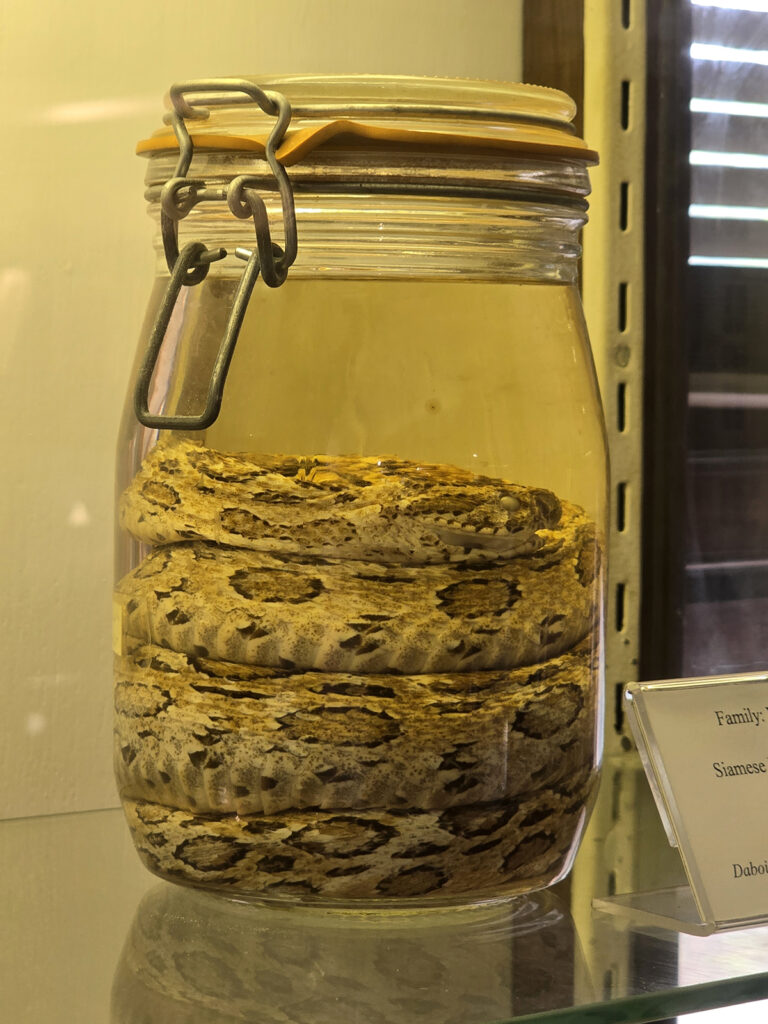
All week, I’ve had these underlying thoughts in my head, like, “I want to make one post a week, but there will be so many photos—how do I choose the most interesting ones?” And I’ve been racking my brain over it. Today, it suddenly hit me: why do I need to make one giant post a week and carefully select photos when I can make short posts whenever I have about 20 good photos? Seems a better choice.
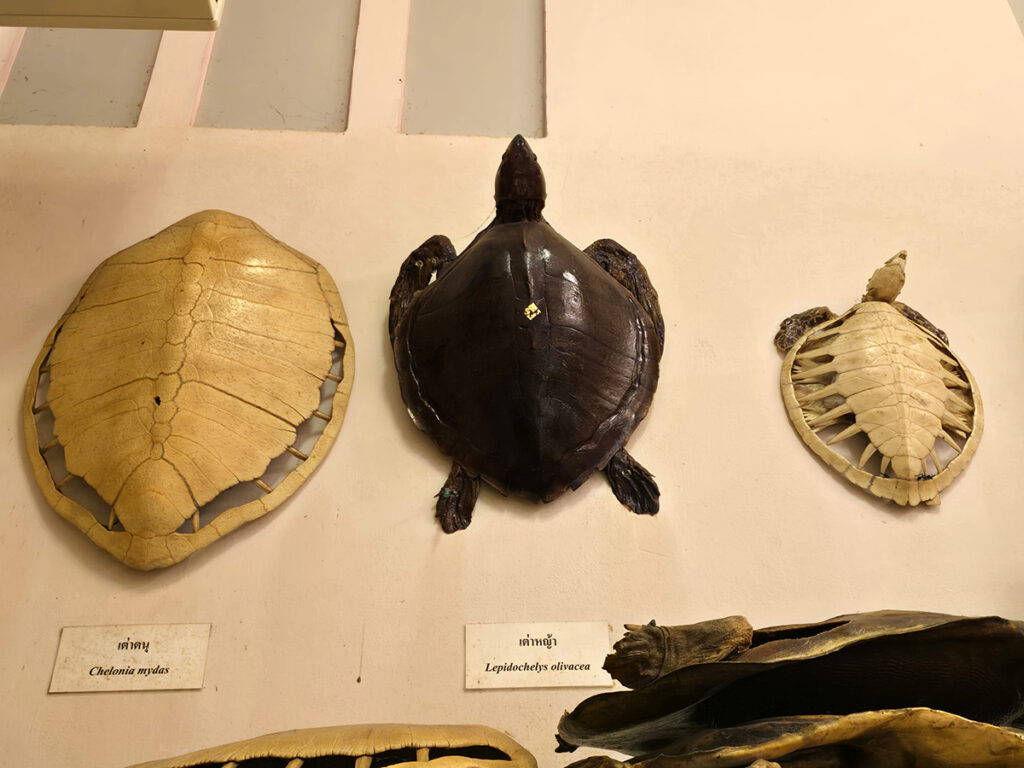
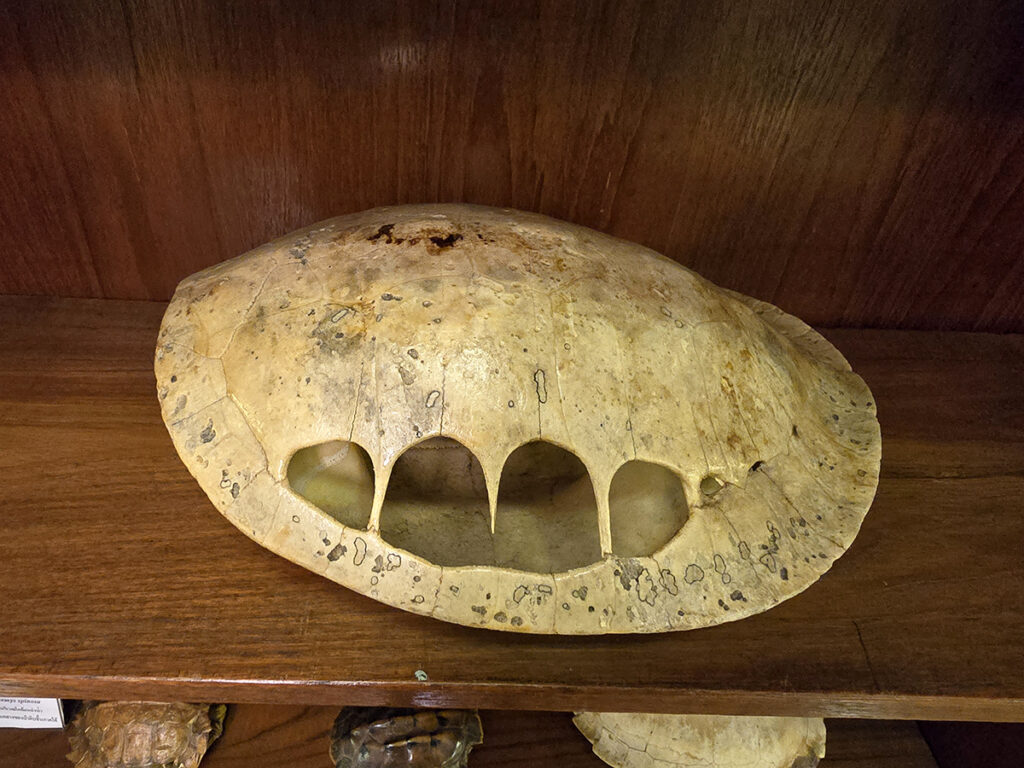
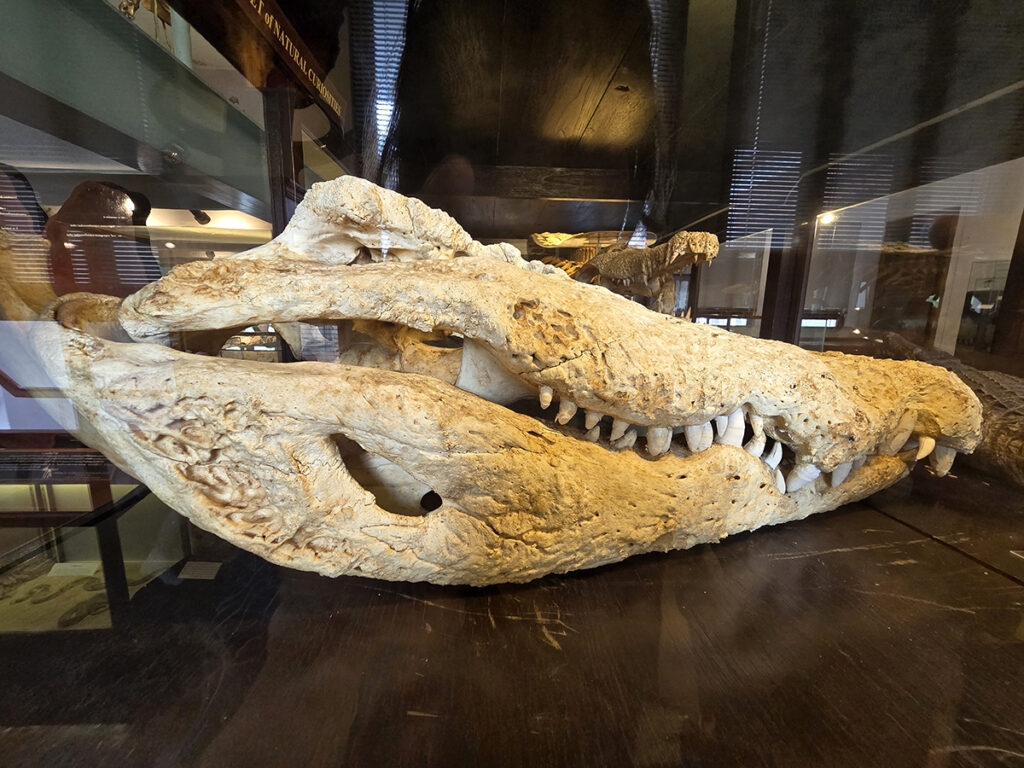
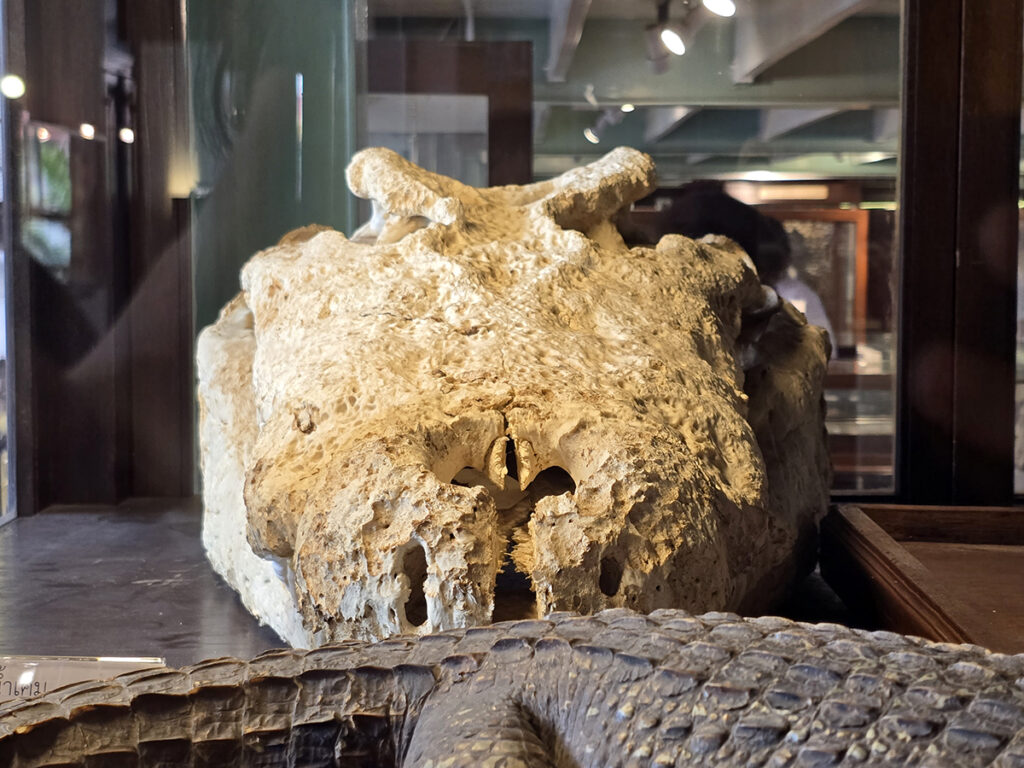
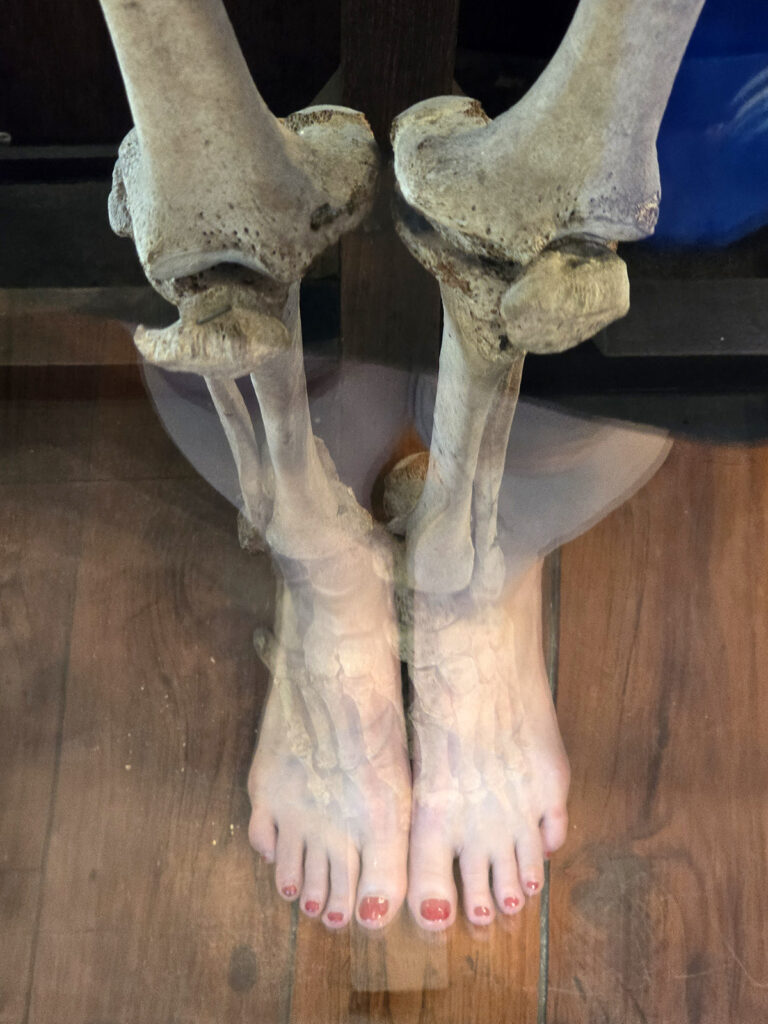
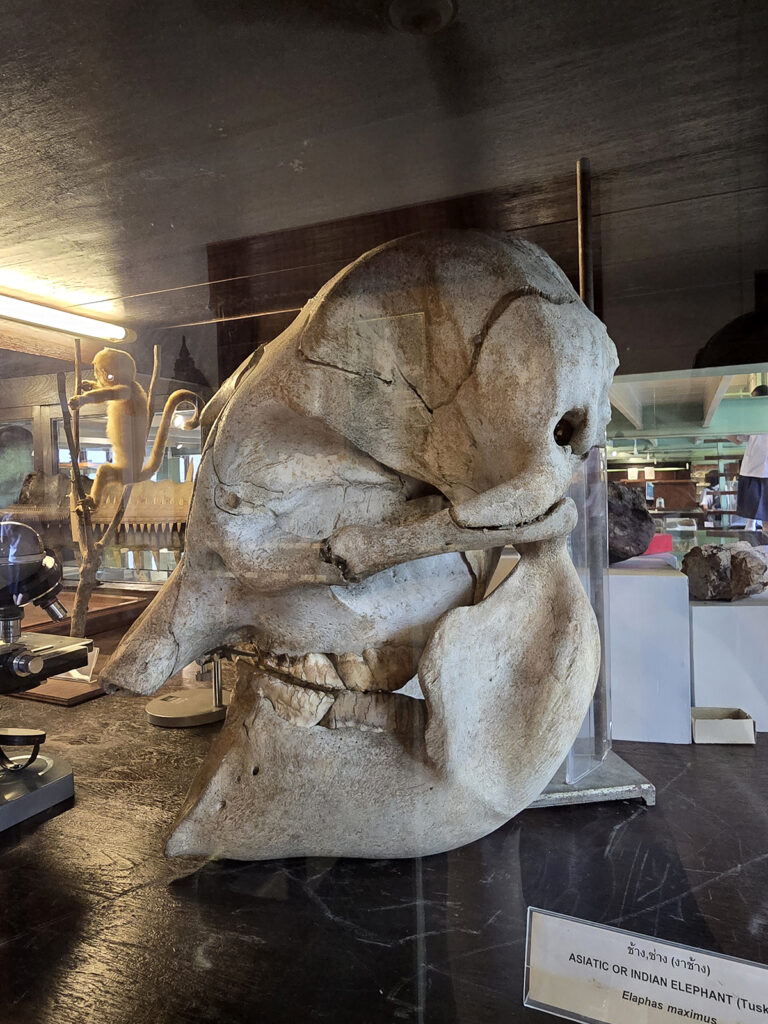
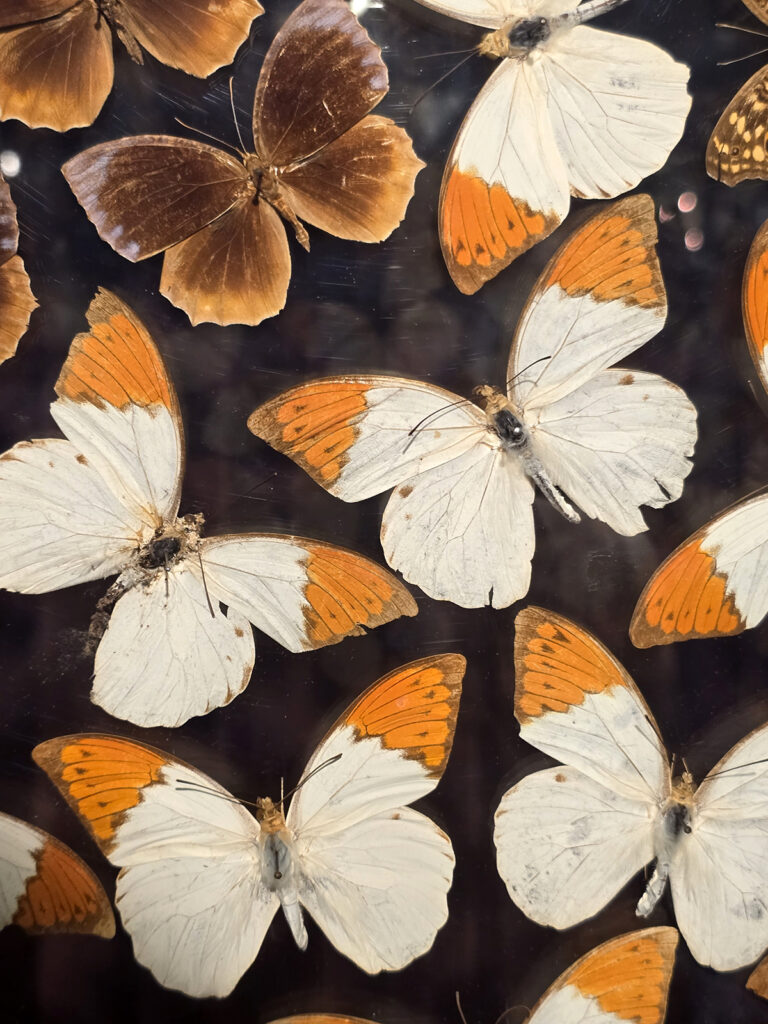
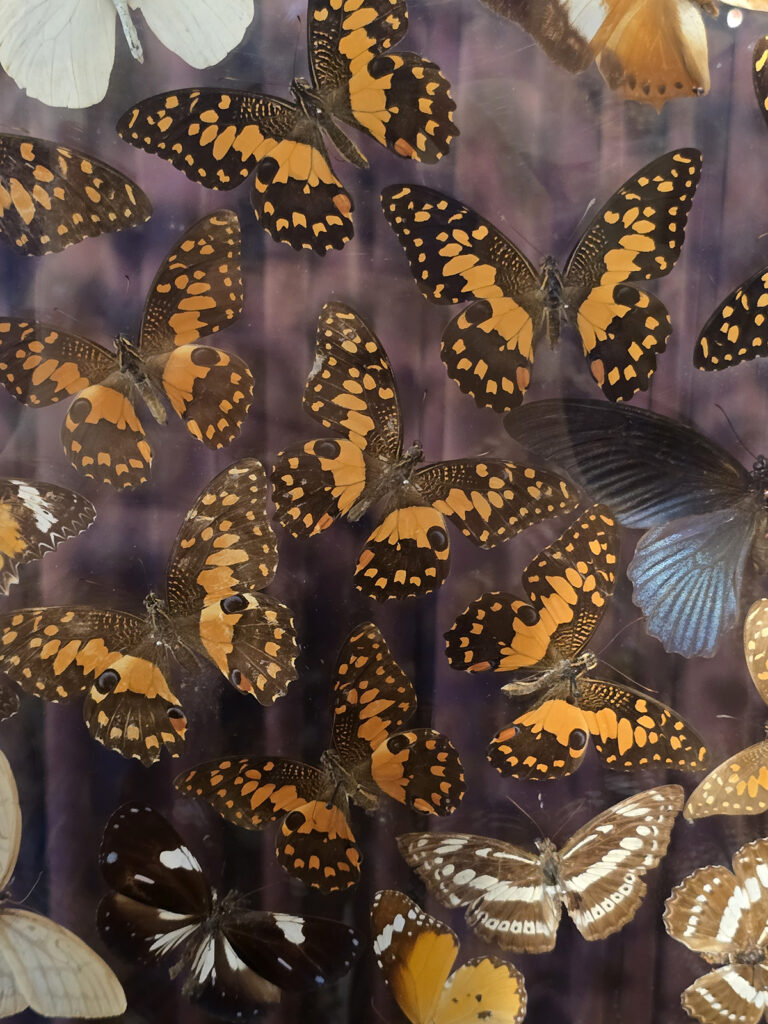
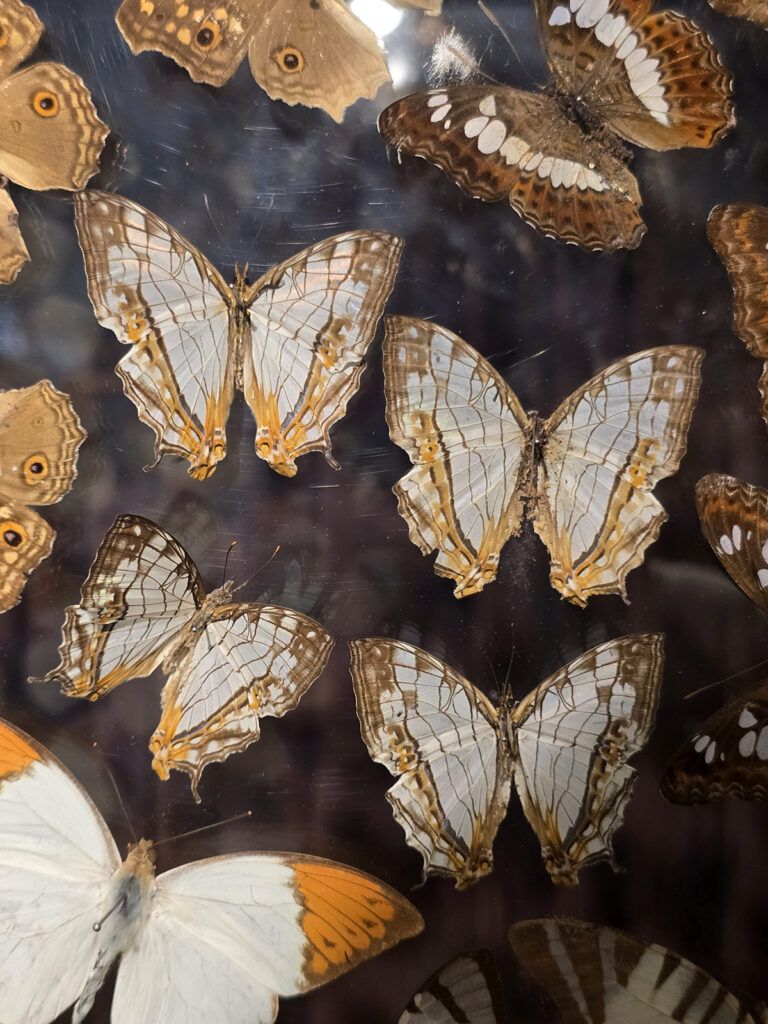
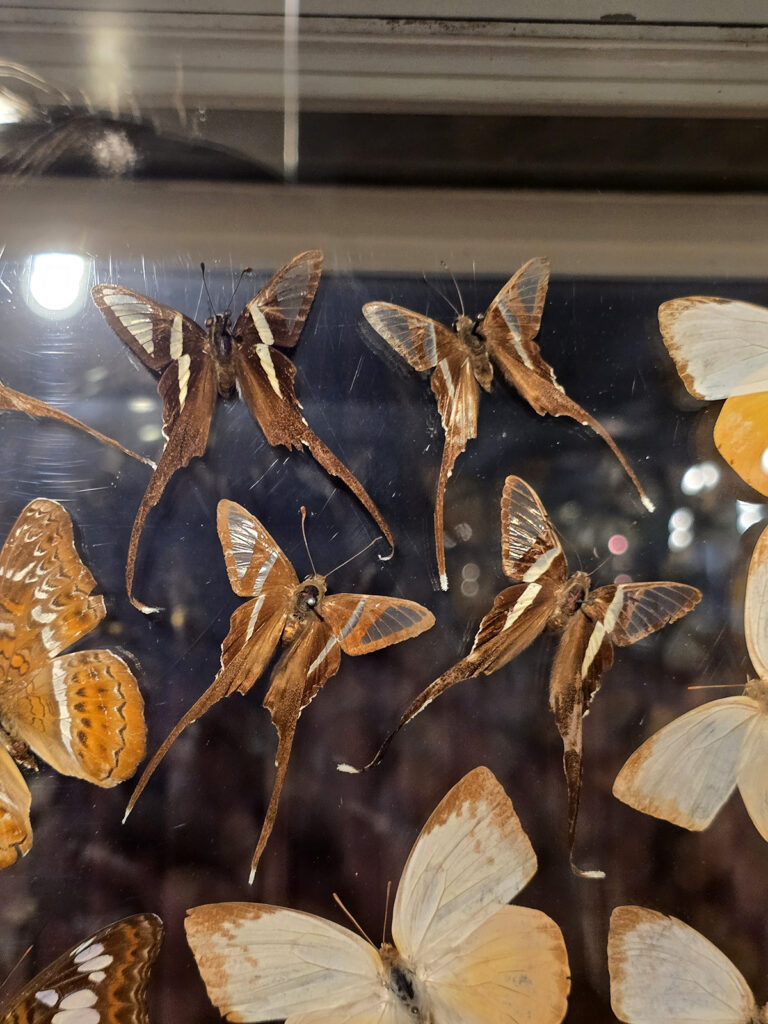
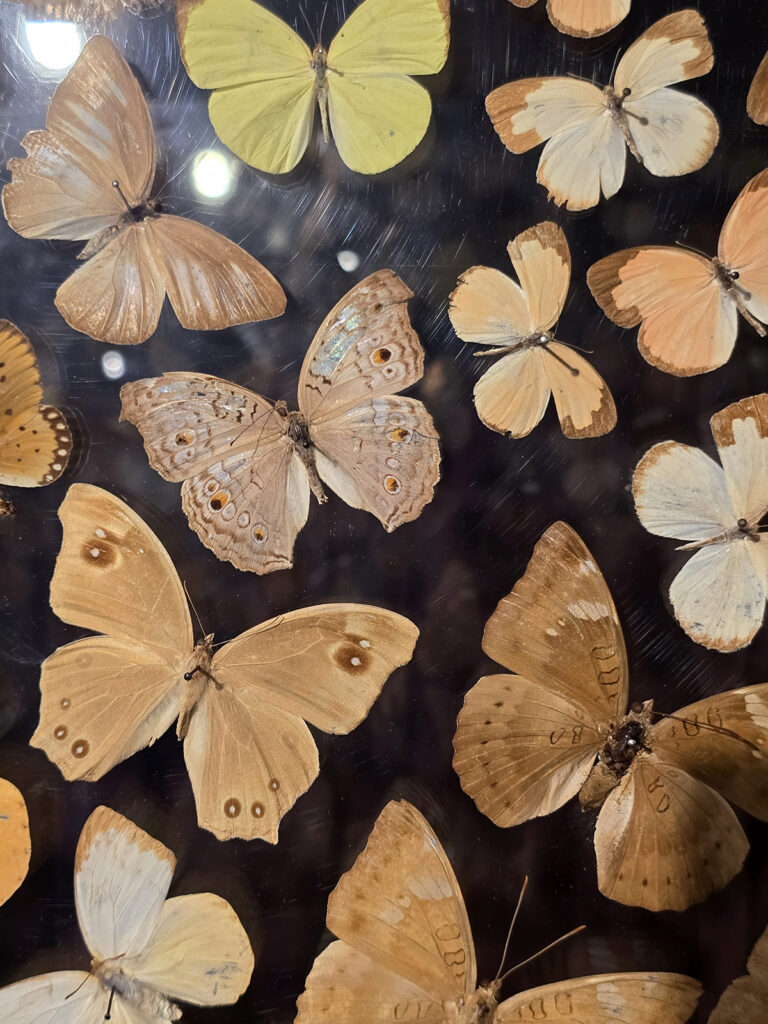
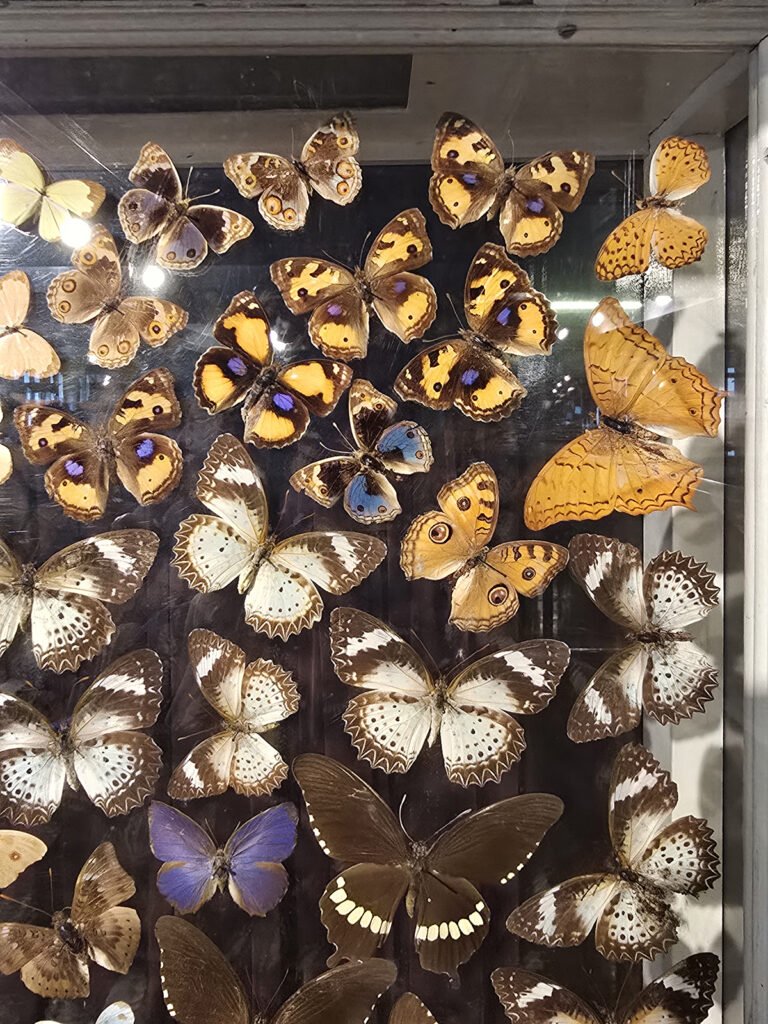
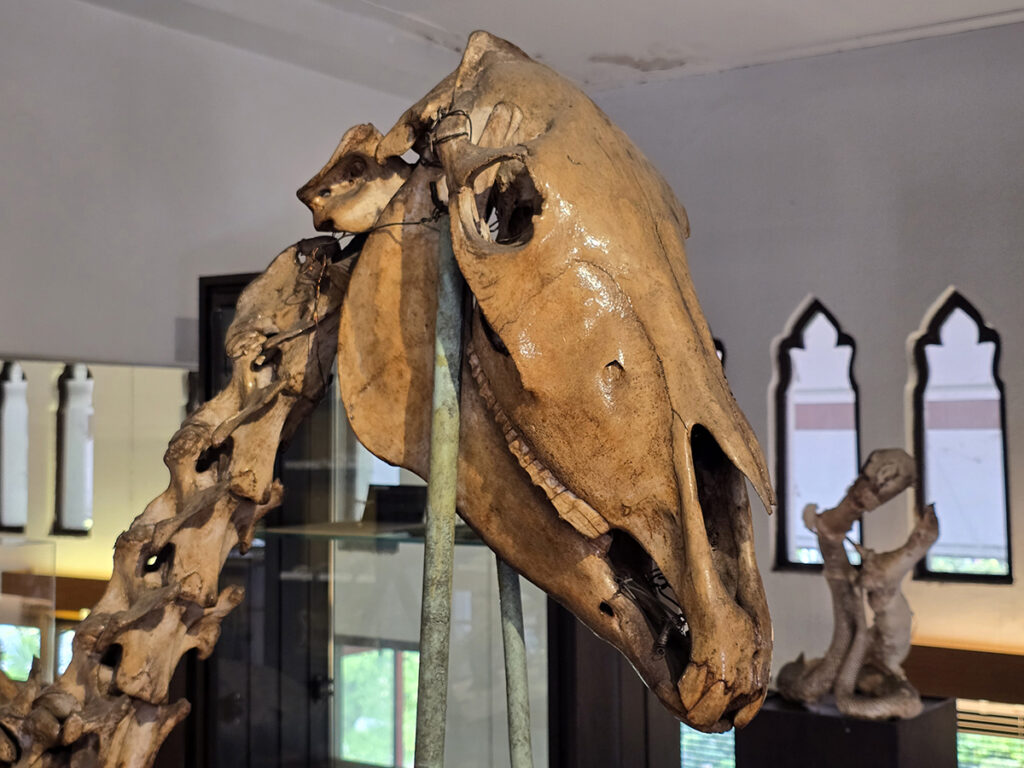
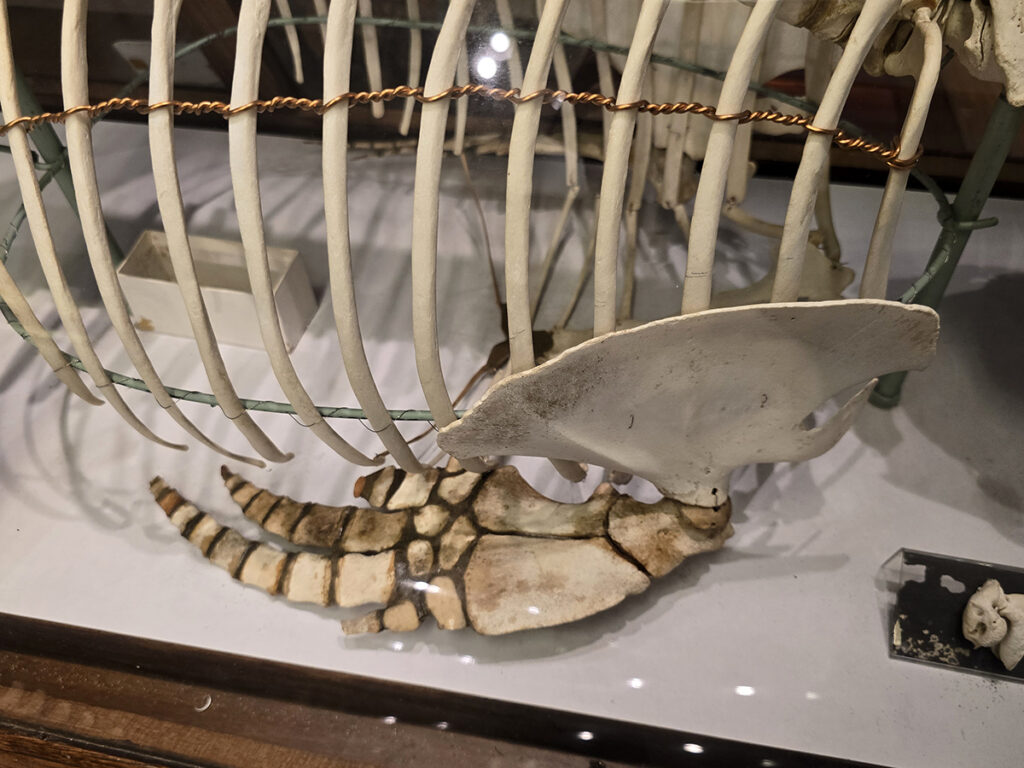
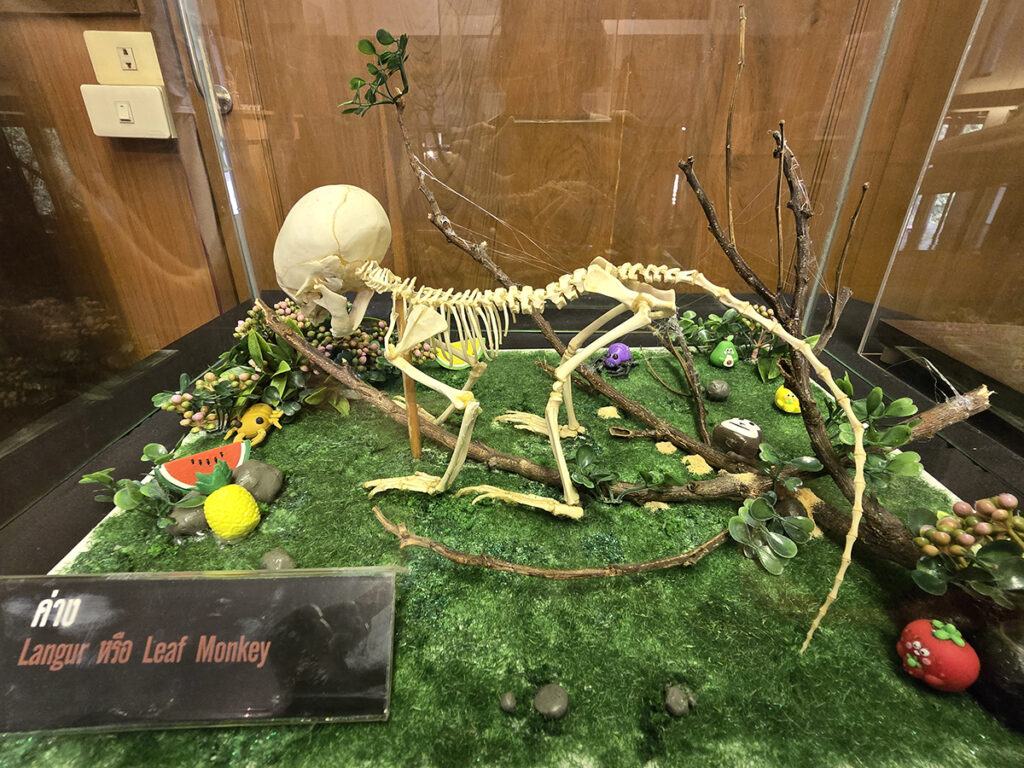
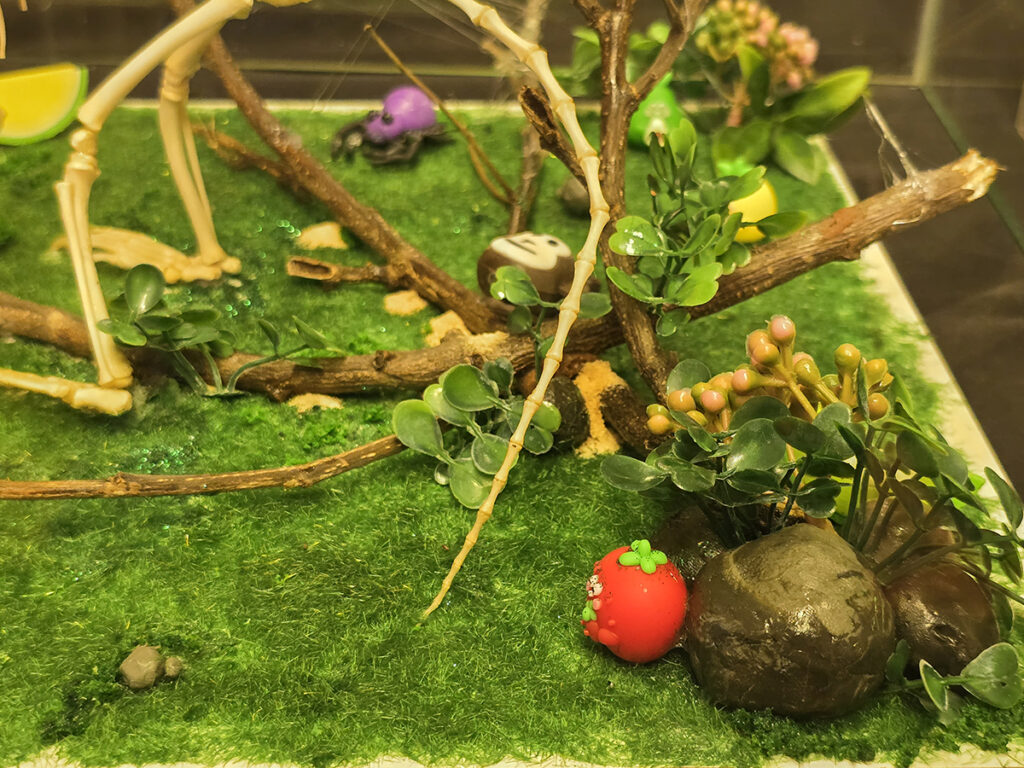
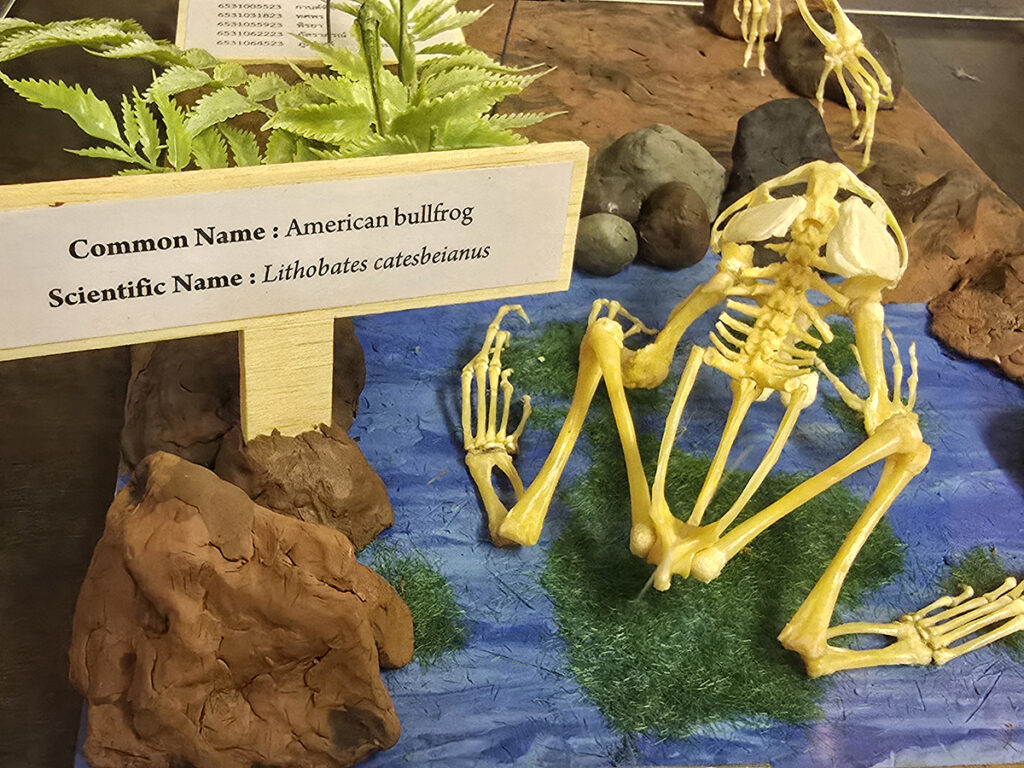
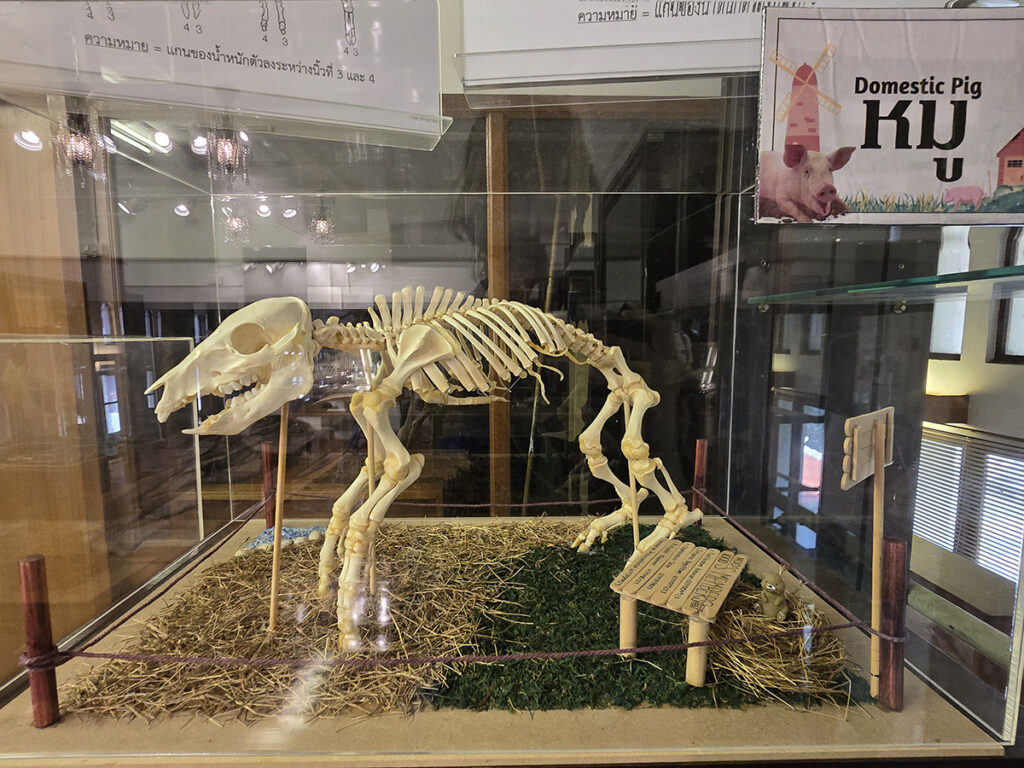
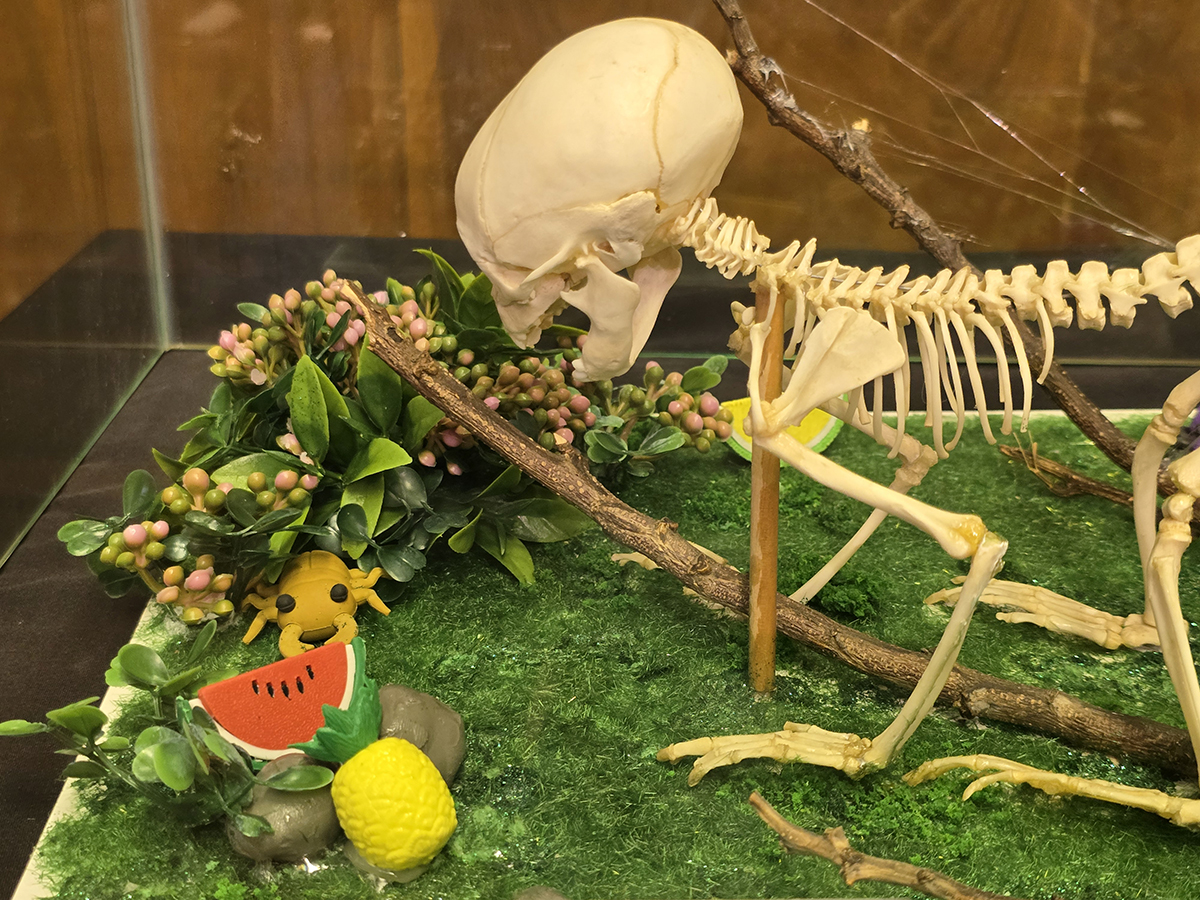
So, today, I’d like to show you some pics of Benchakitti Park and the Museum of Natural History.
Benchakitti Park
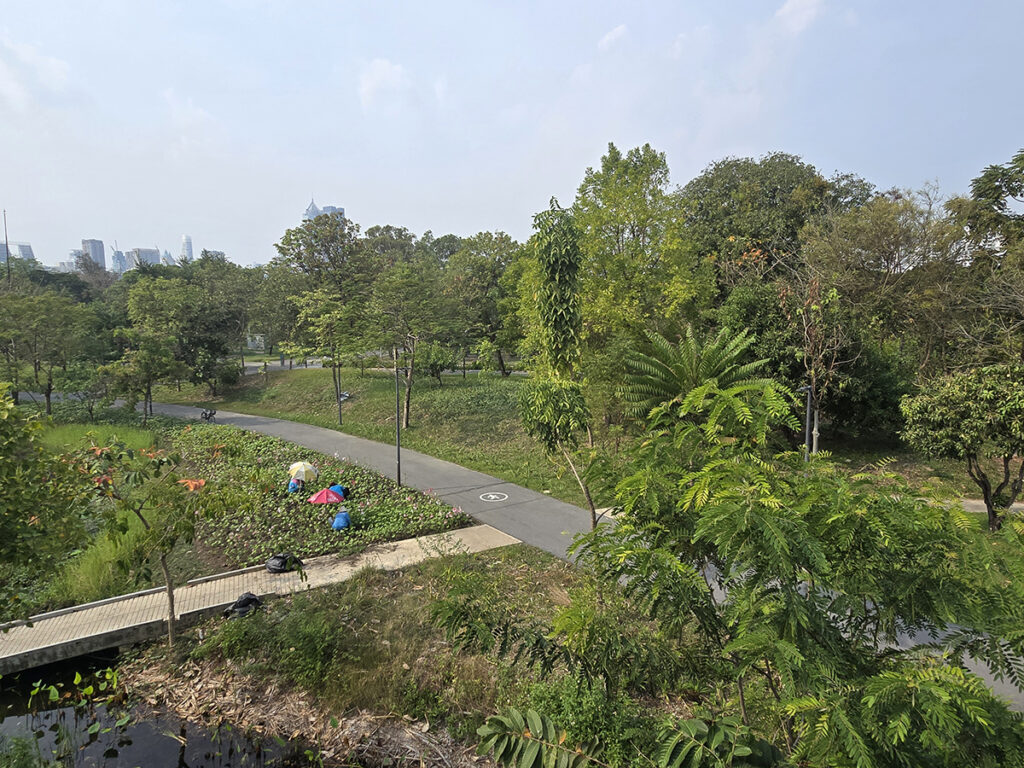
From what I’ve learned about this park:
In 1950, a tobacco factory was built on a wetland. It moved north in 1991. The authorities approved the transformation of the former factory site into a public park to honor the 60th birthday of Queen Mother Sirikit.
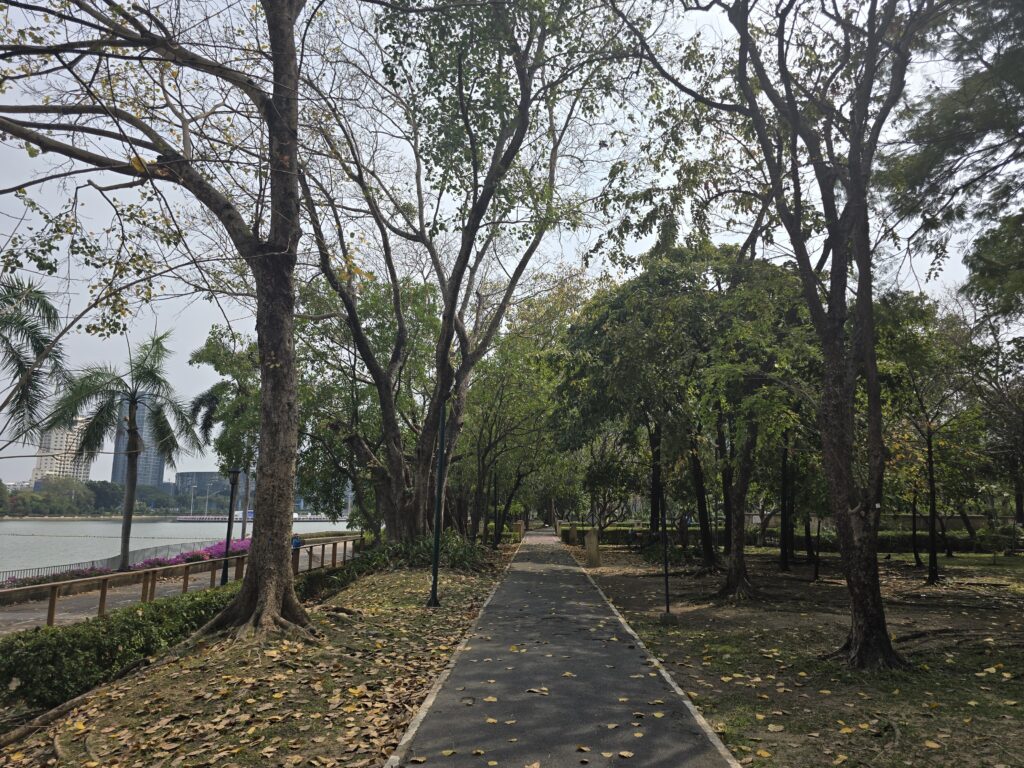
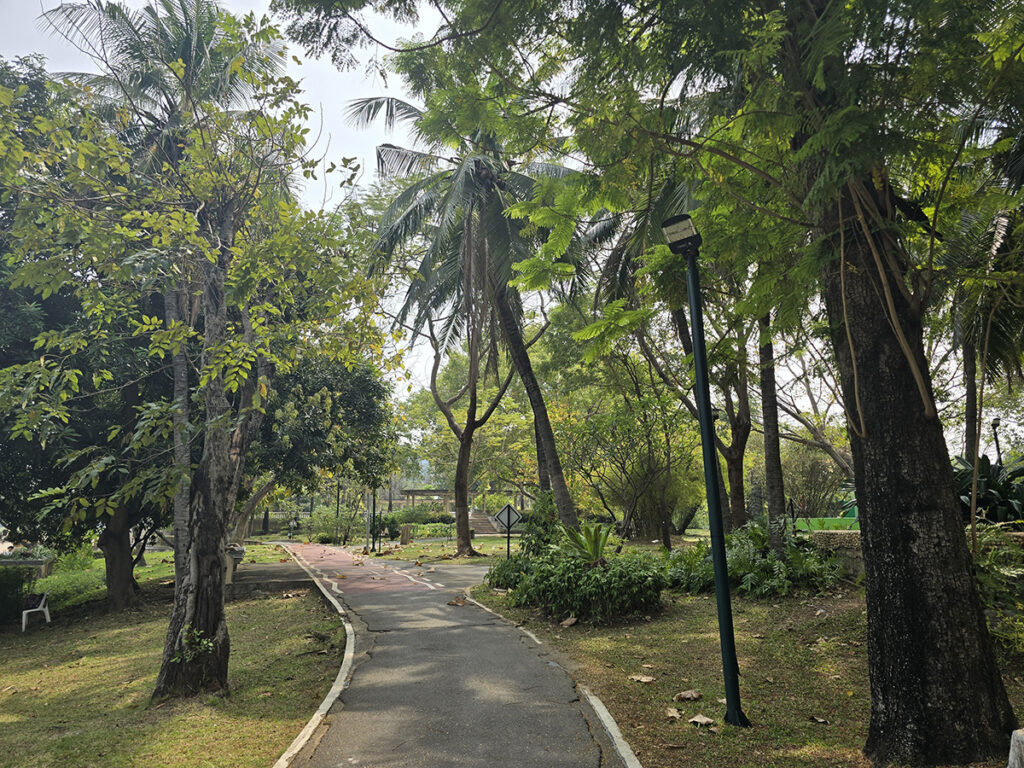
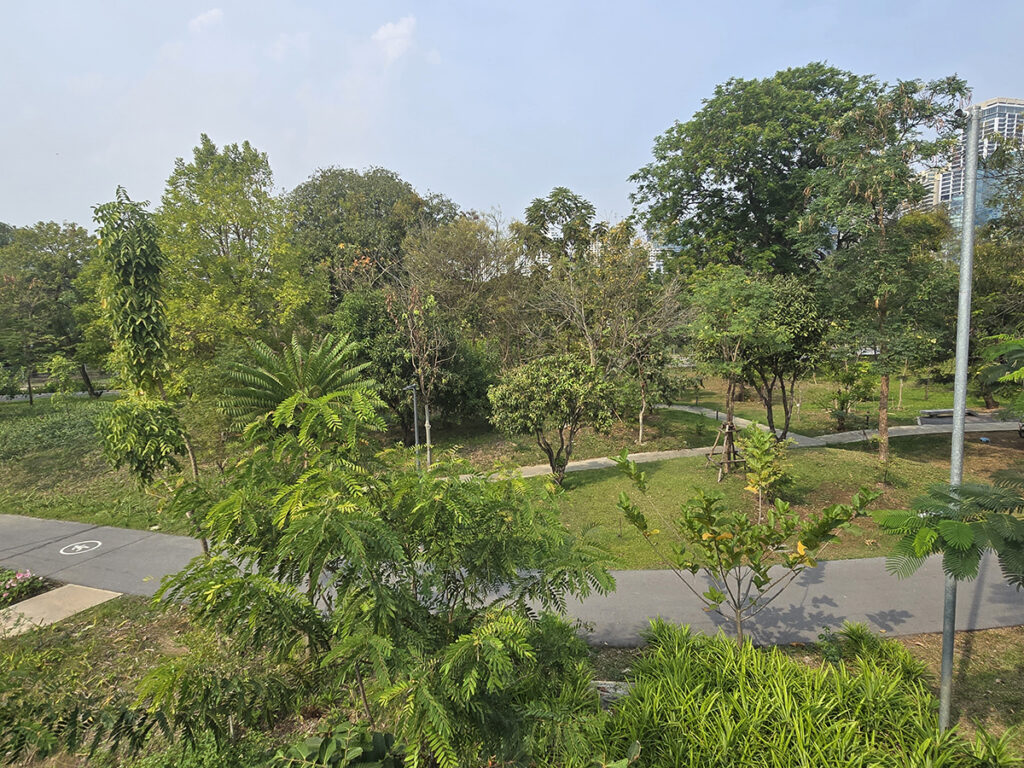
Opened in 2004, Benchakitti Park is essentially a vast water reservoir with jogging and cycling paths.
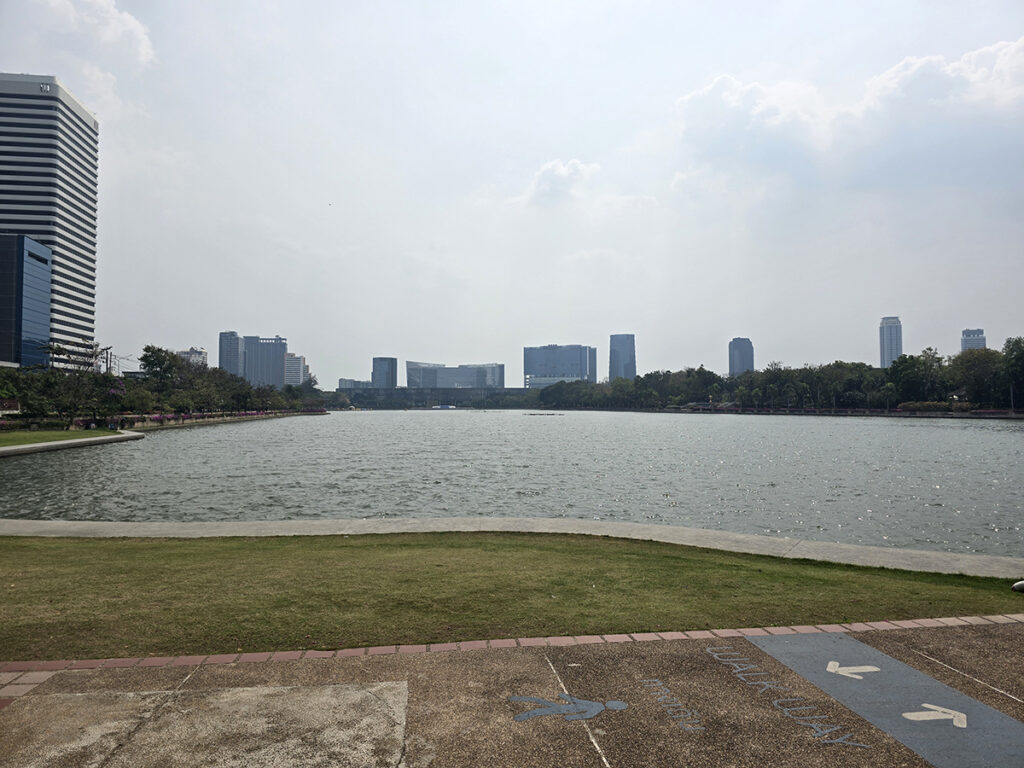
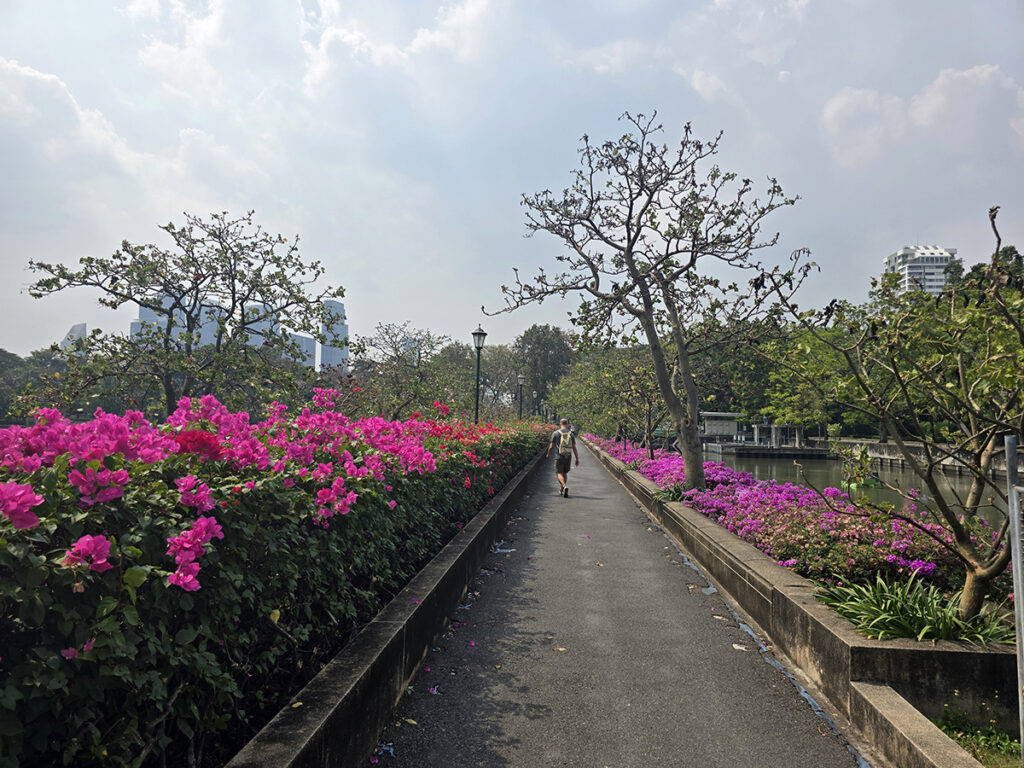
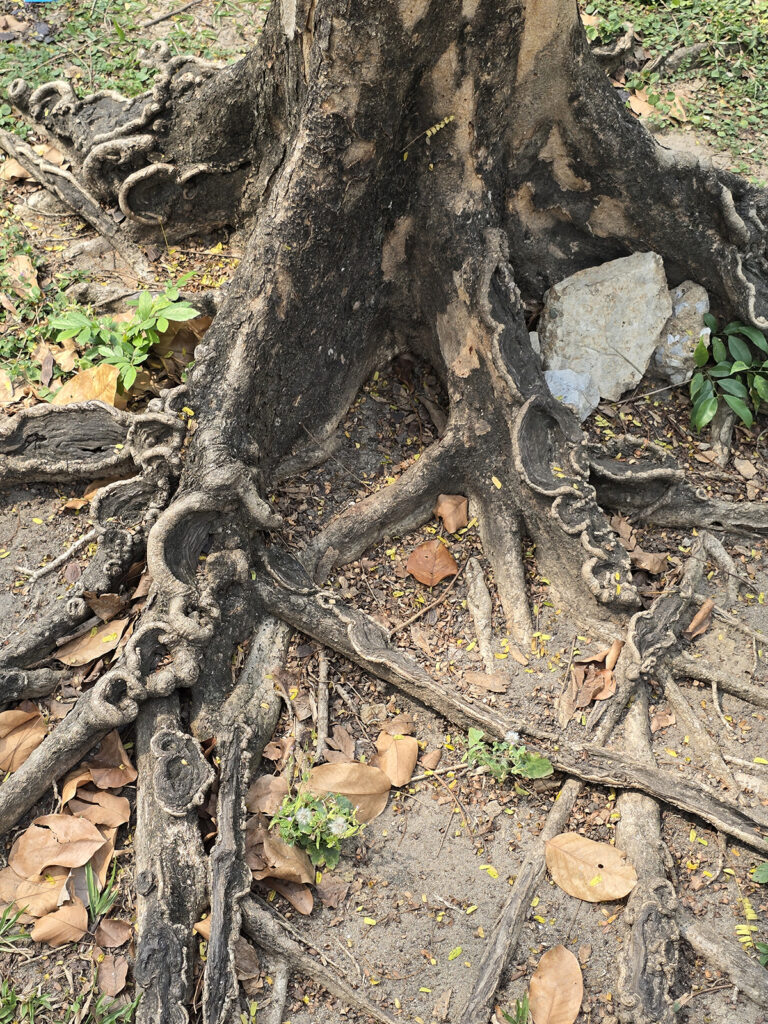
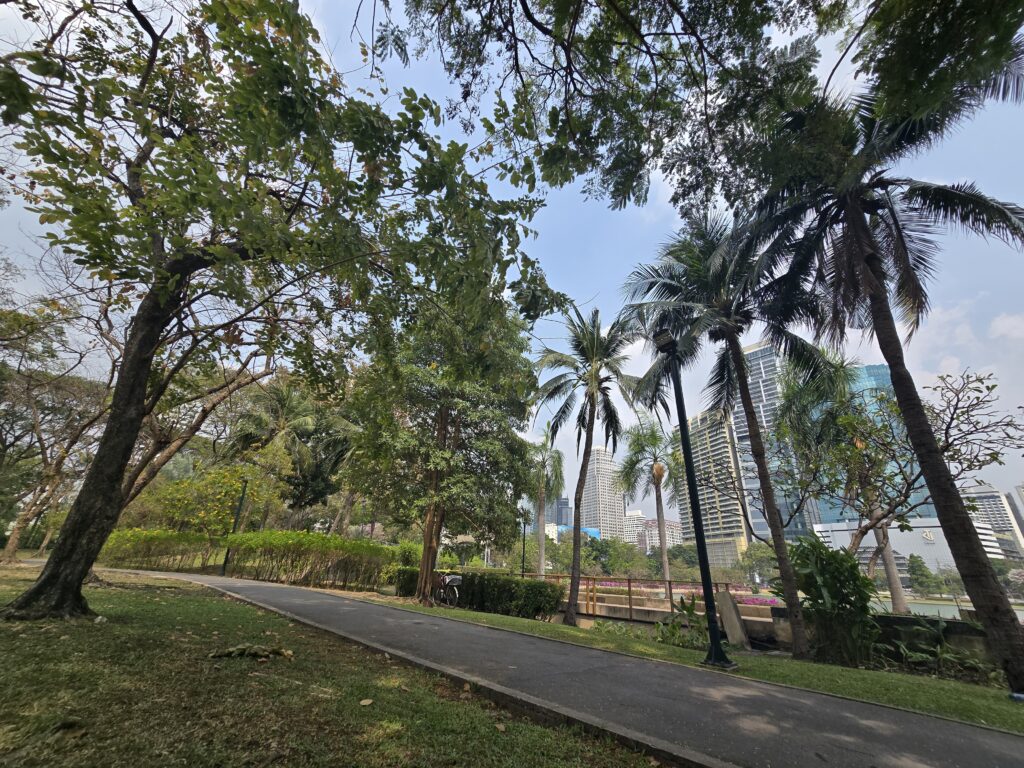
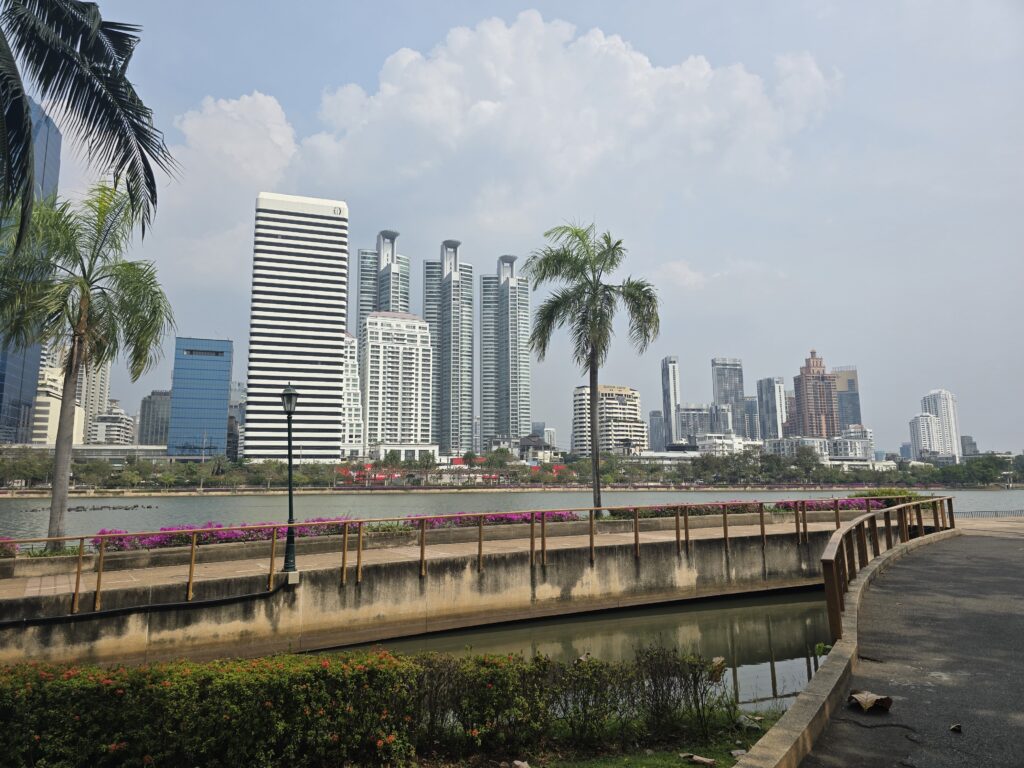
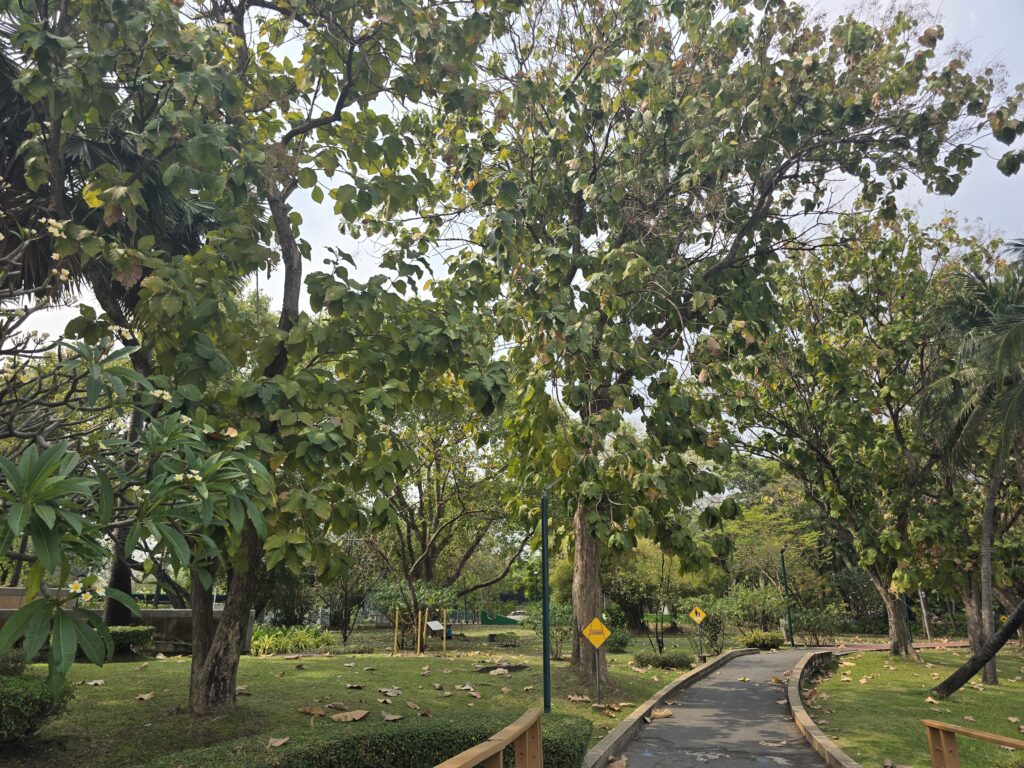
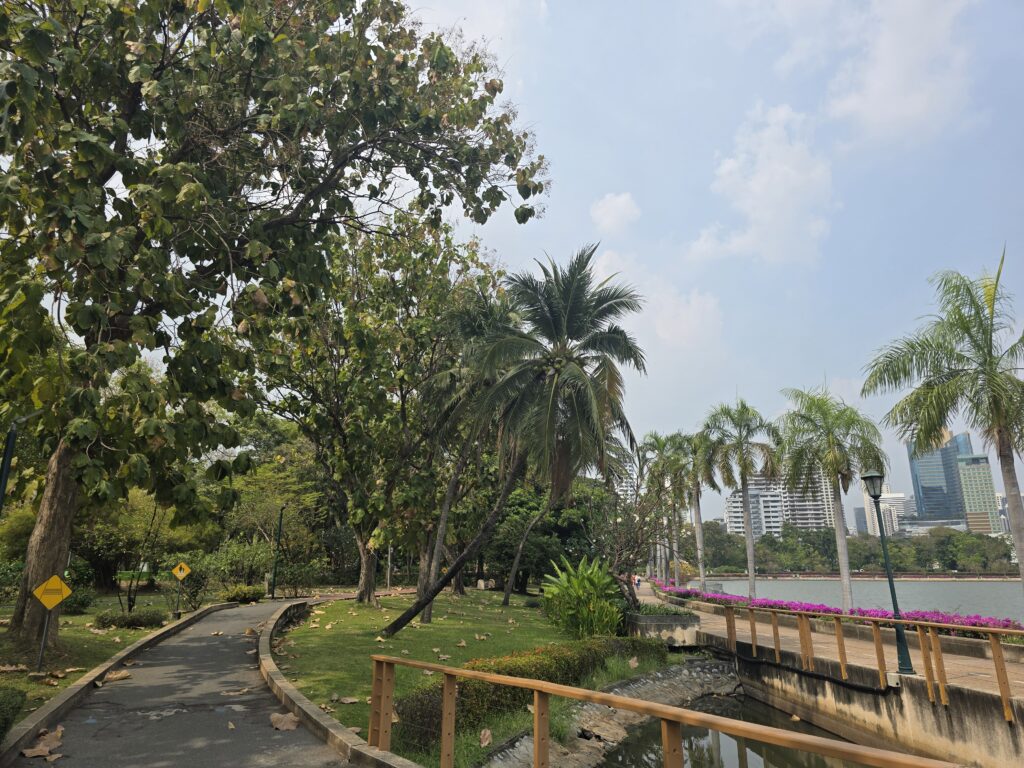
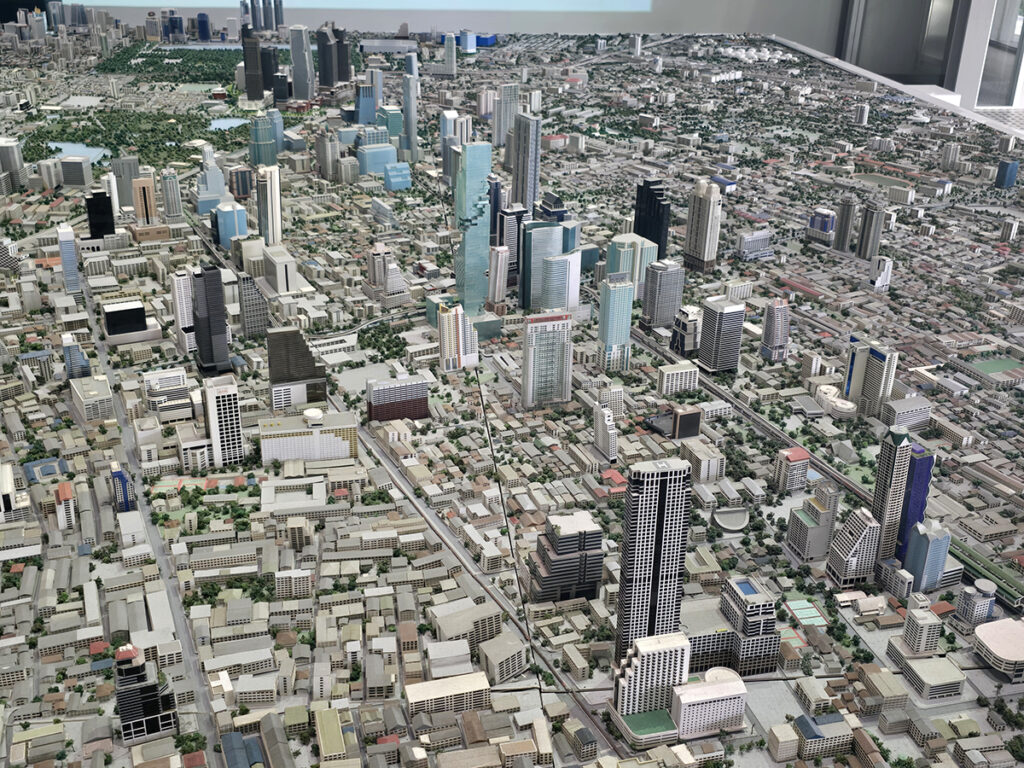
The old tobacco factory building was converted into a museum, which now houses the Bangkok City Model. Parts of the roof were cut away so trees could grow through it—blending architecture and nature.
Ugh, I didn’t take any photos of the building, even though I liked it so much.
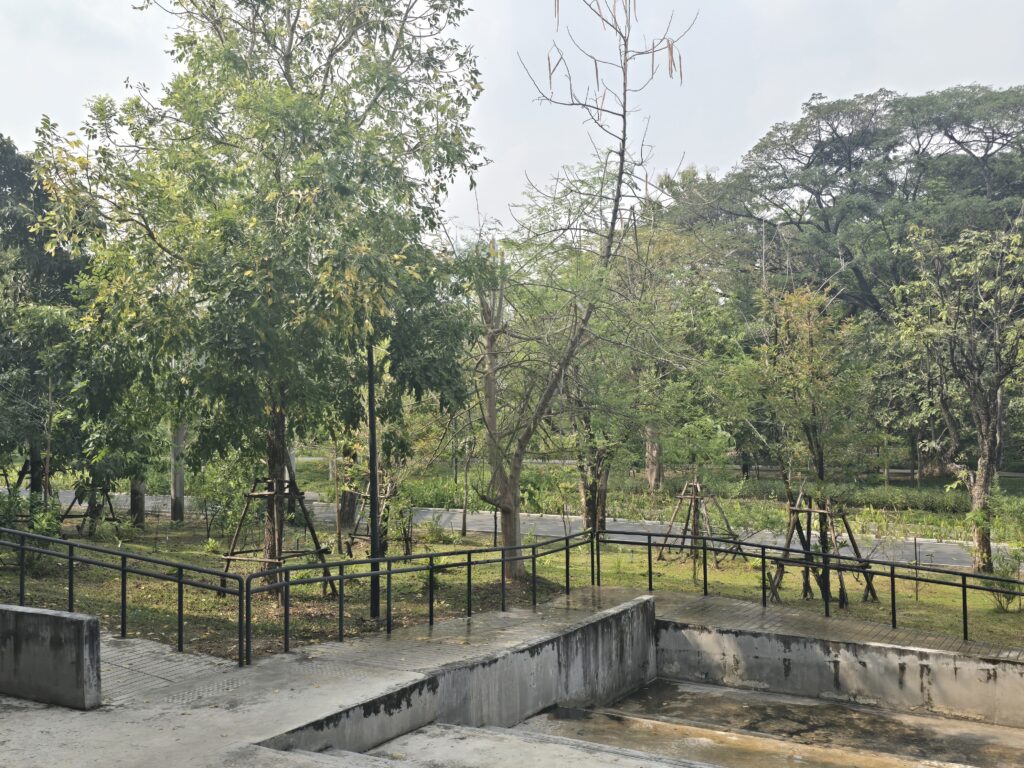
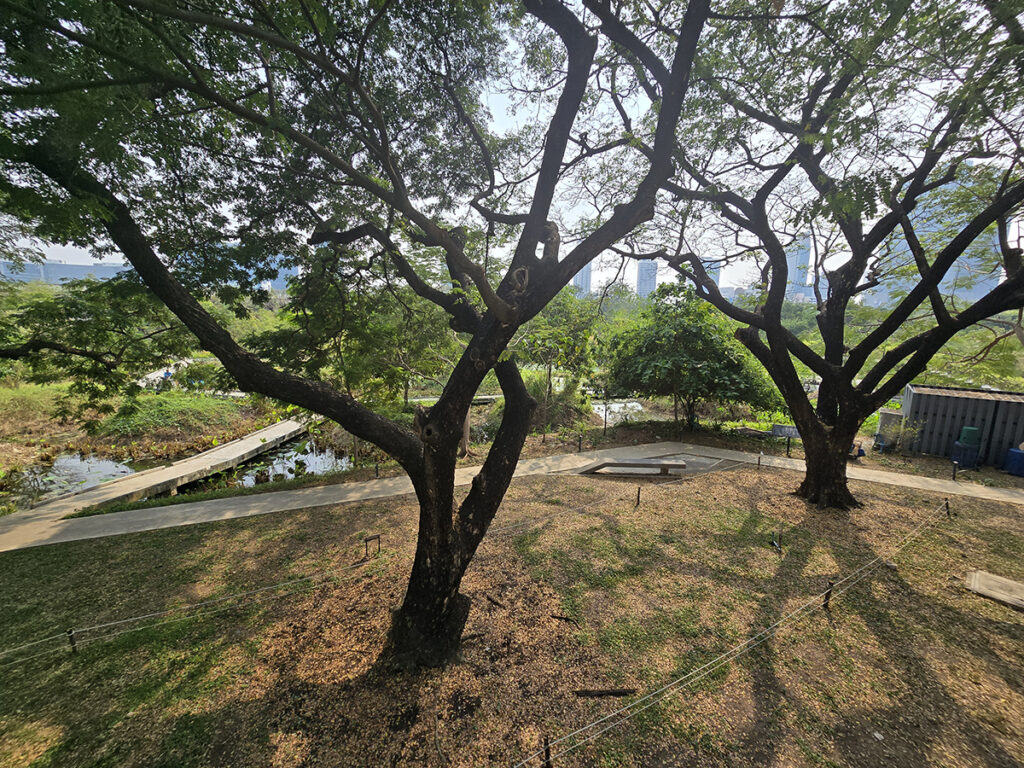
When I was there yesterday, the building felt like a massive concrete hangar with openings cut into the roof for trees. It was hot and humid (I love this kind of weather, especially in the shade—you sweat like you’re in a sauna). Parts of the walls are missing, and the structure flows seamlessly into the forest.
This mix of brutalist architecture and nature is deeply inspiring to me. It gives off this gentle post-apocalyptic feeling—nature reclaiming the city, with only damp concrete still visible among the branches.
I get the same feeling from Angkor Wat (which I also plan to visit—and photograph, of course), a temple complex that the jungle has also swallowed.
It also brings to mind Ballard’s *The Drowned World*, where, after global warming, the entire surface of the earth is submerged under water and silt, with only skyscrapers jutting out from the depths. The protagonist lives in a former Ritz Hotel, still bearing traces of its former luxury—the first fourteen floors underwater, people moving around by boat. Giant reptiles and insects, too.
Forest and Wet Area
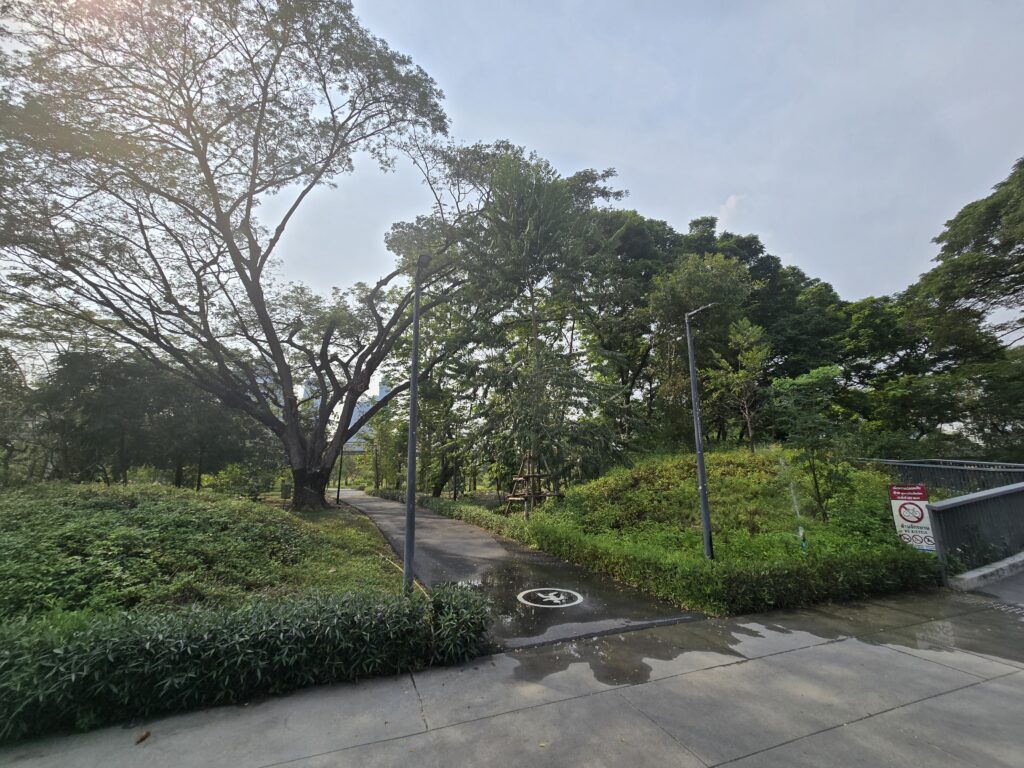
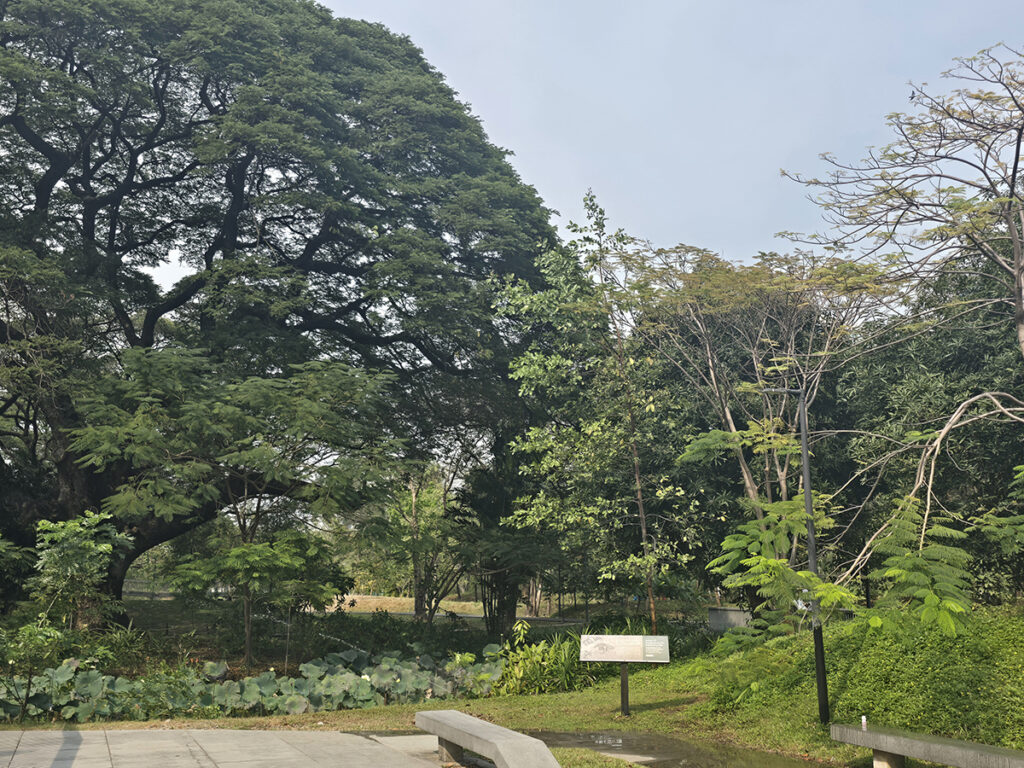
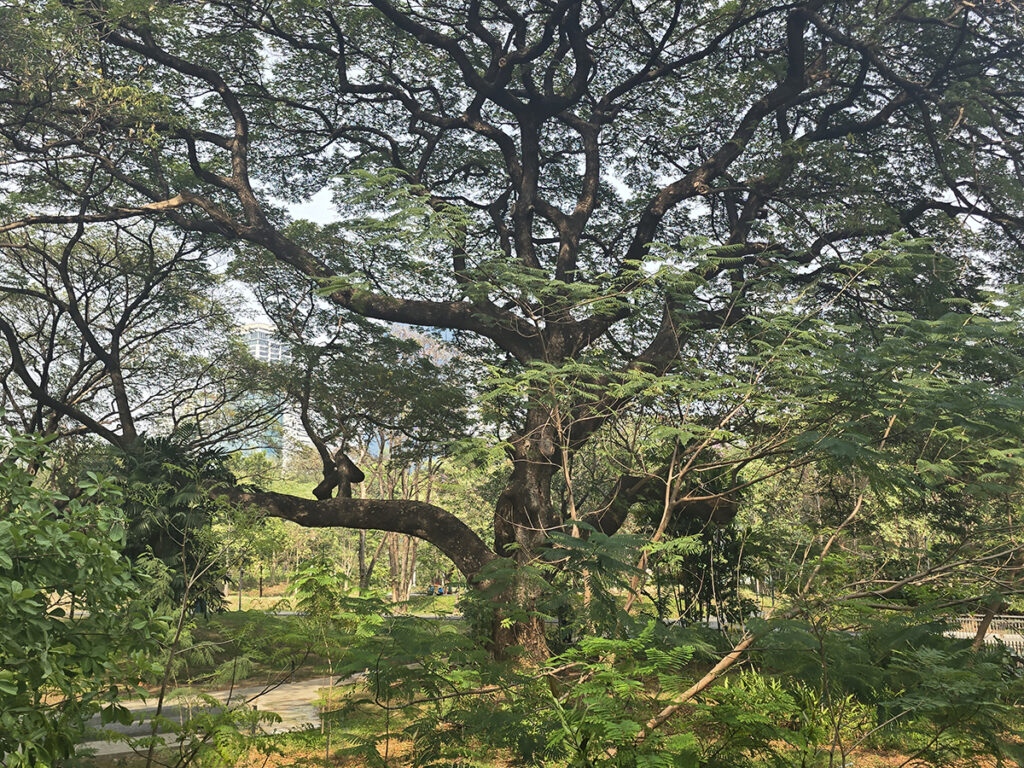
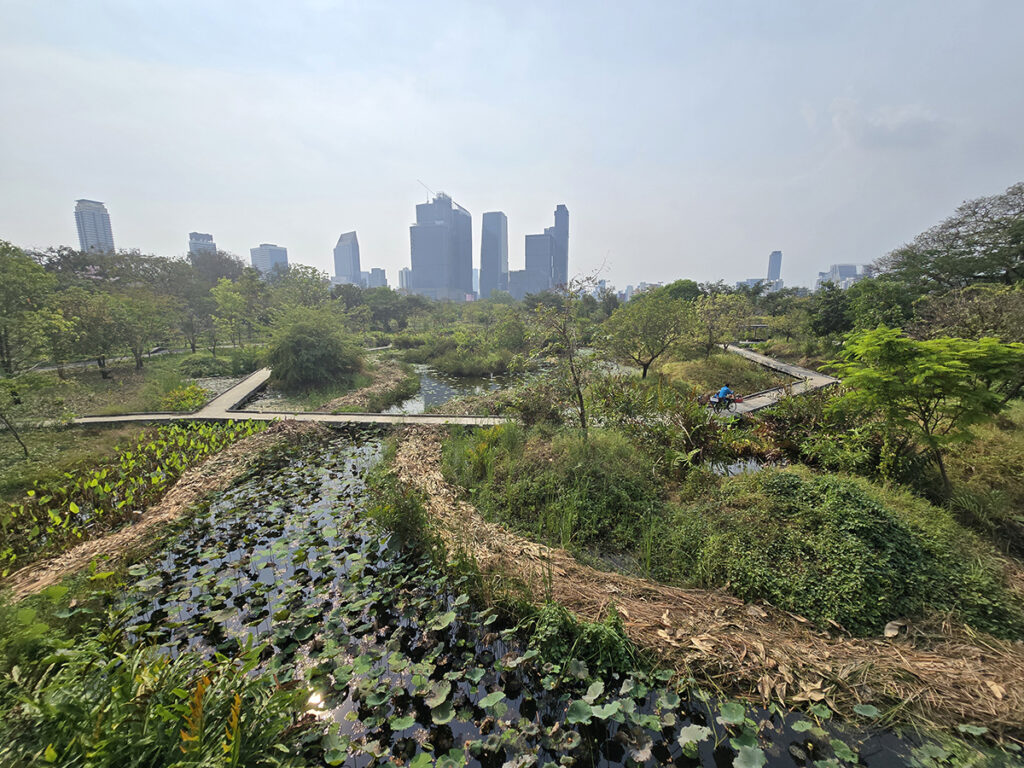
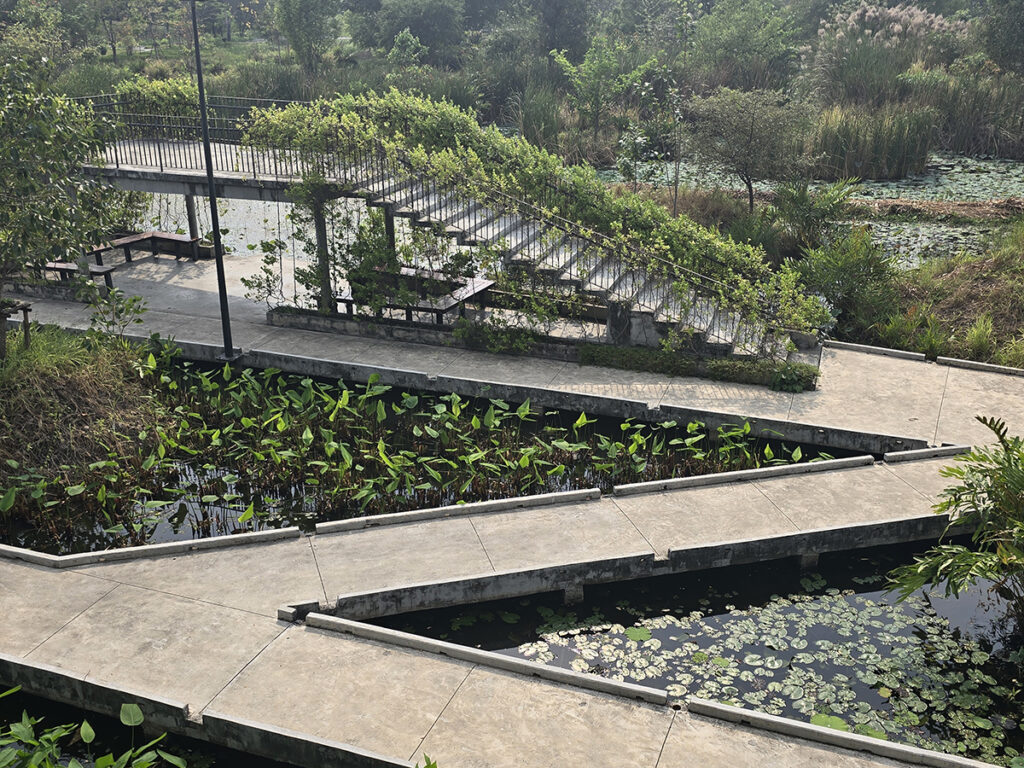
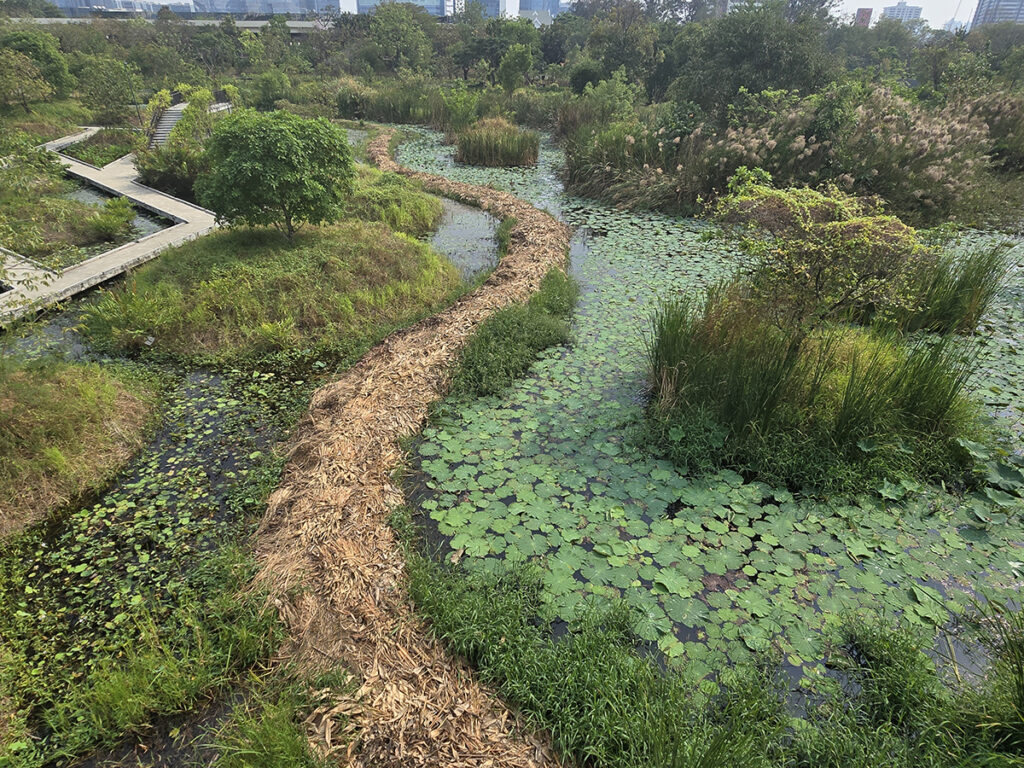
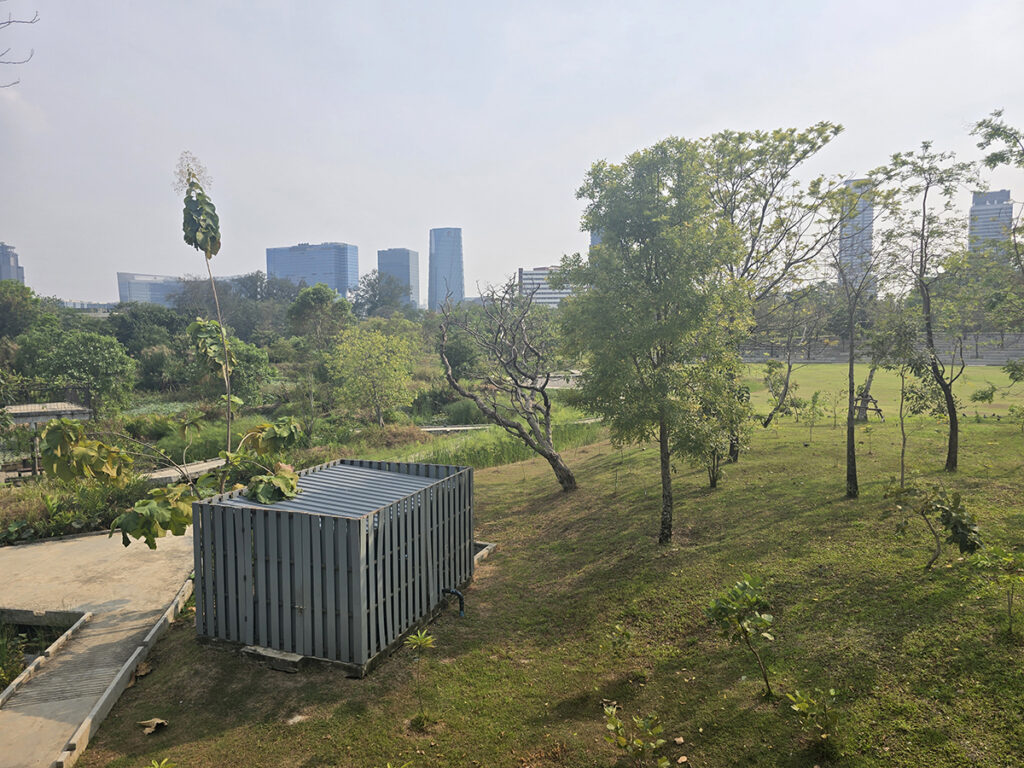
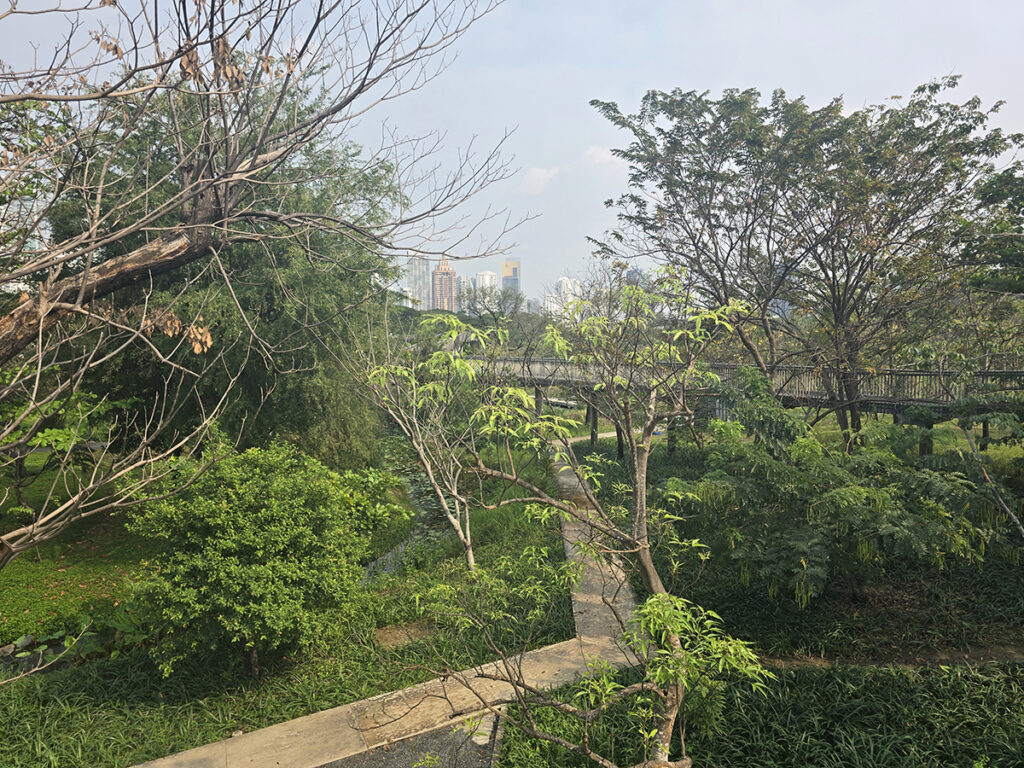
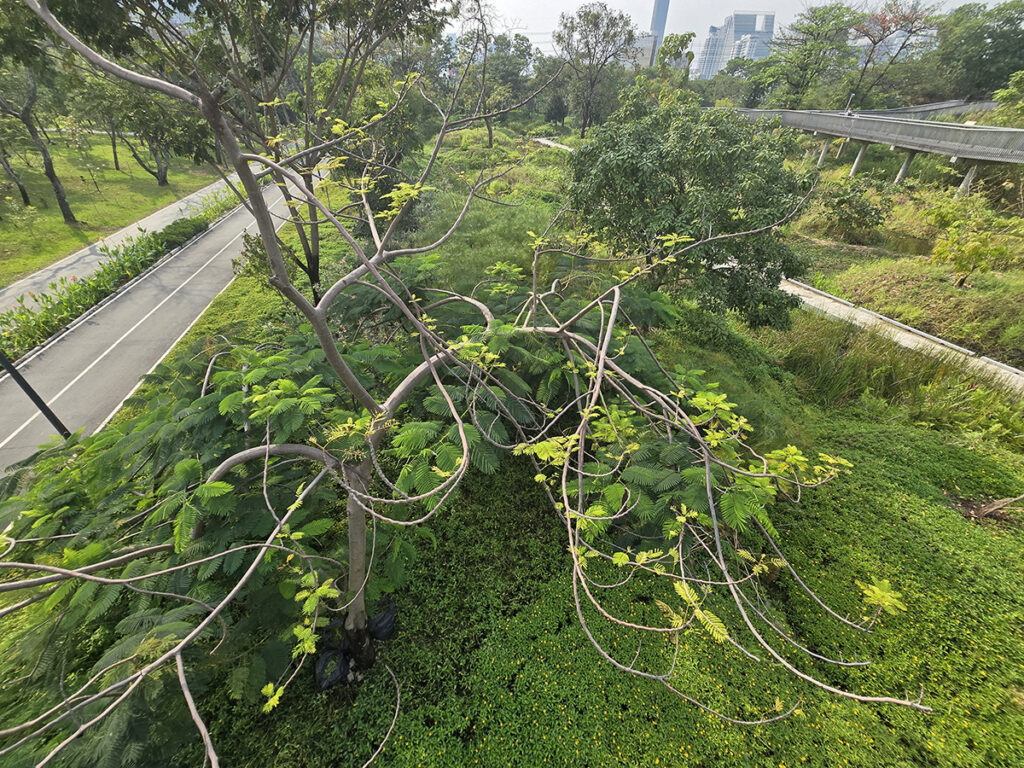
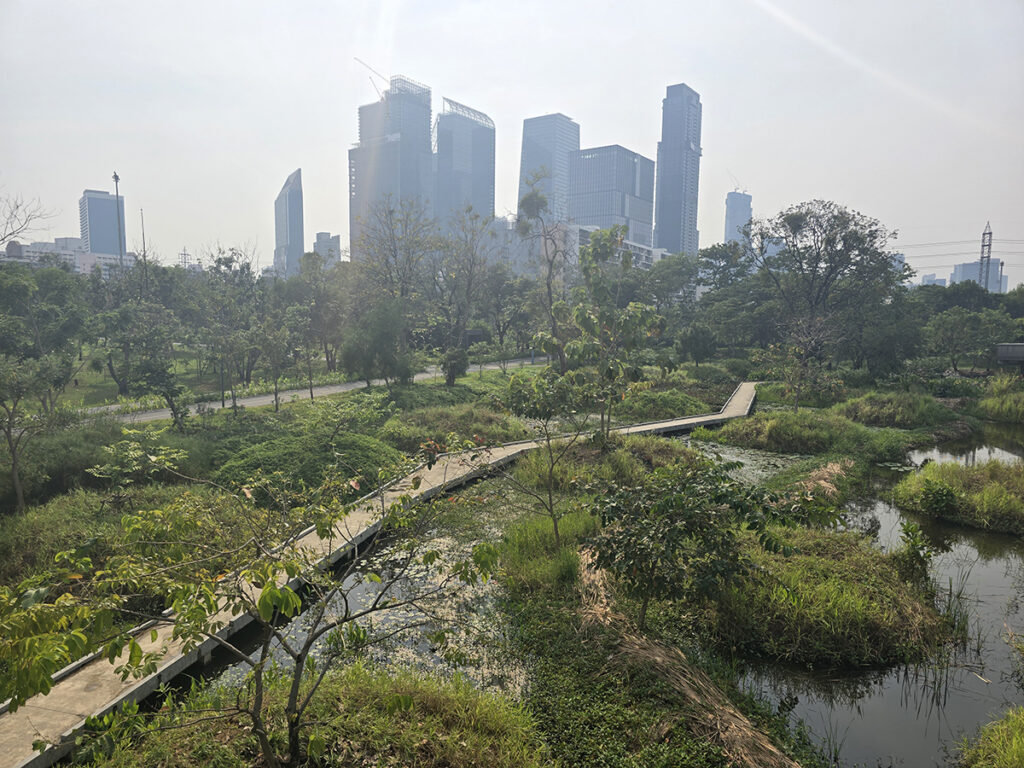
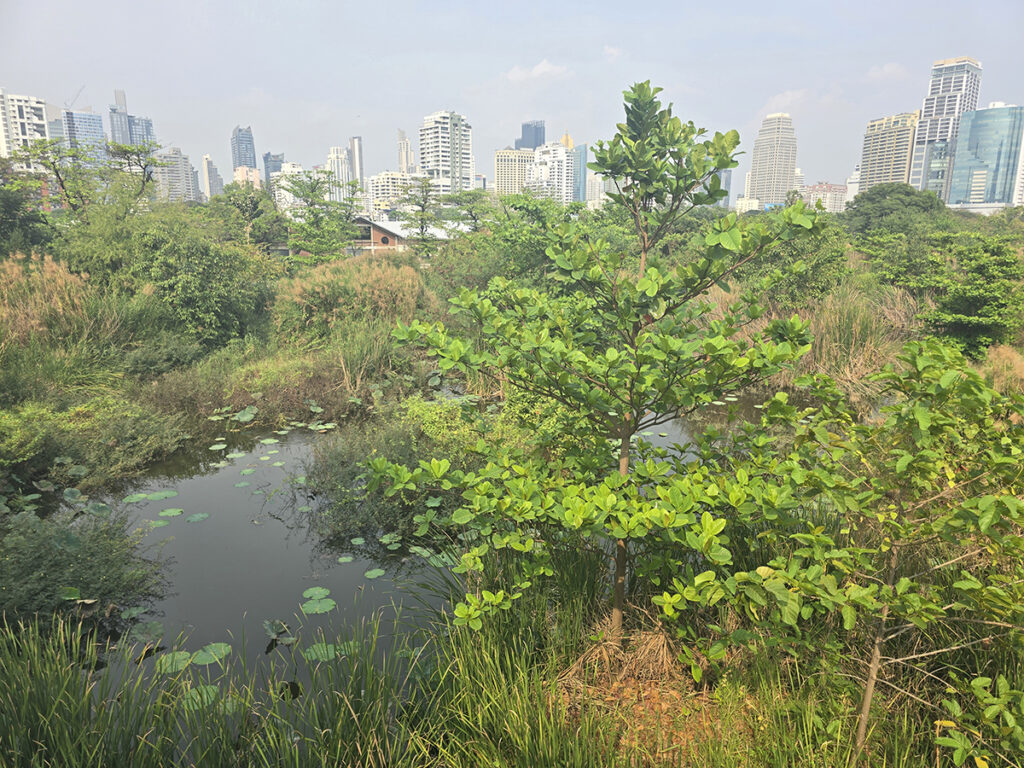
The left side of the Benchakitti park, forest, and wetland landscape was designed through an international competition in 2019. Construction took just 18 months, finishing in March 2022.
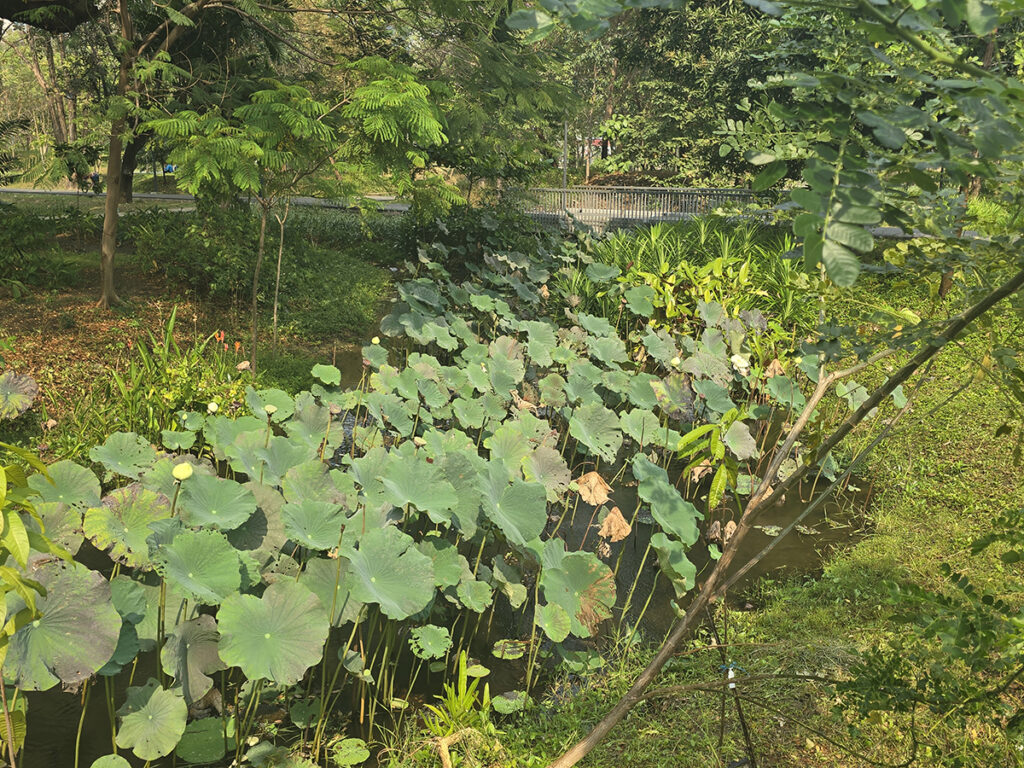
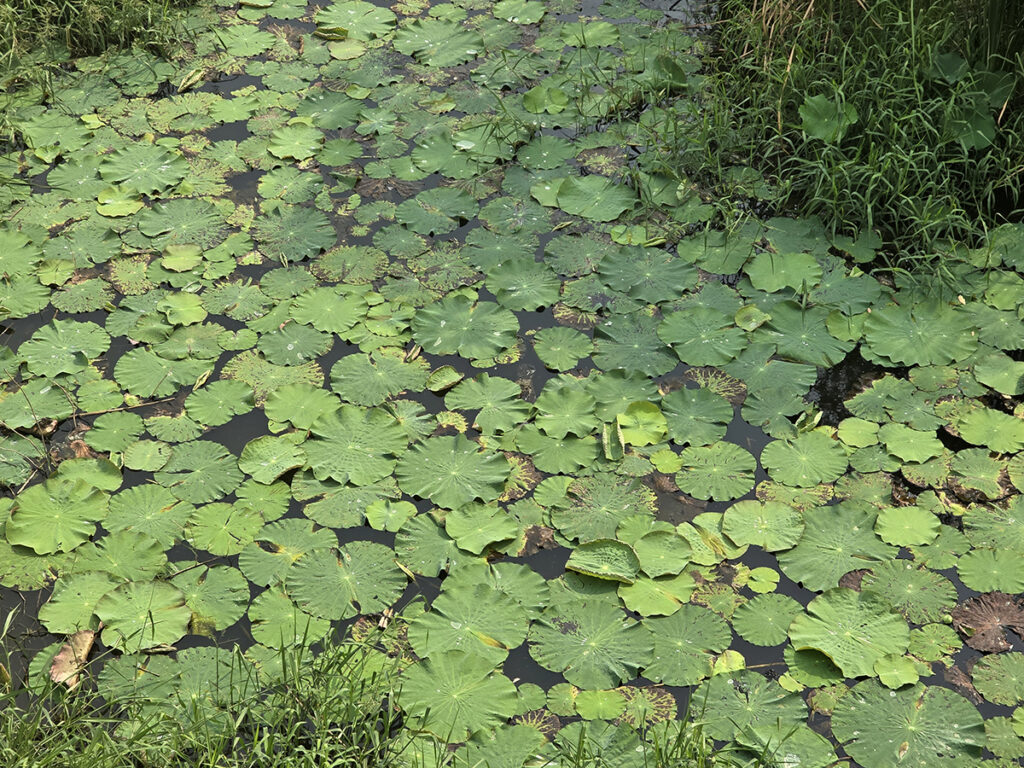
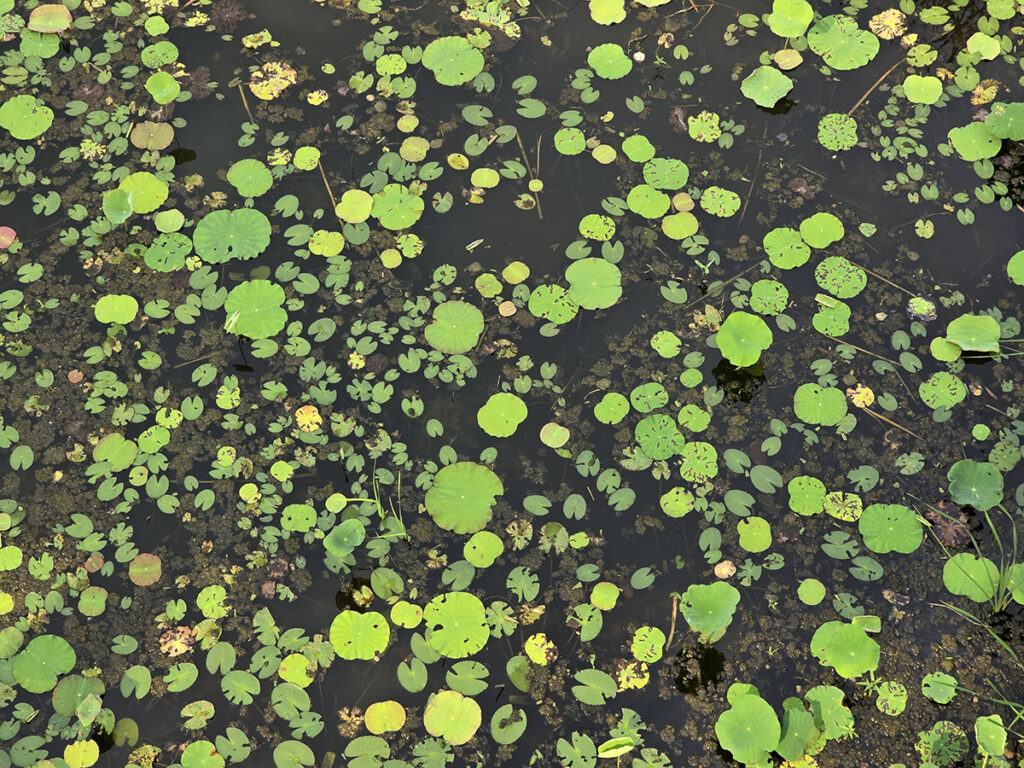
The designers deliberately restored the site to its original swampland state (before 1950). Using simple “cut and fill” techniques, they created hundreds of mini-islands in four large ponds to mimic natural wetland topography.
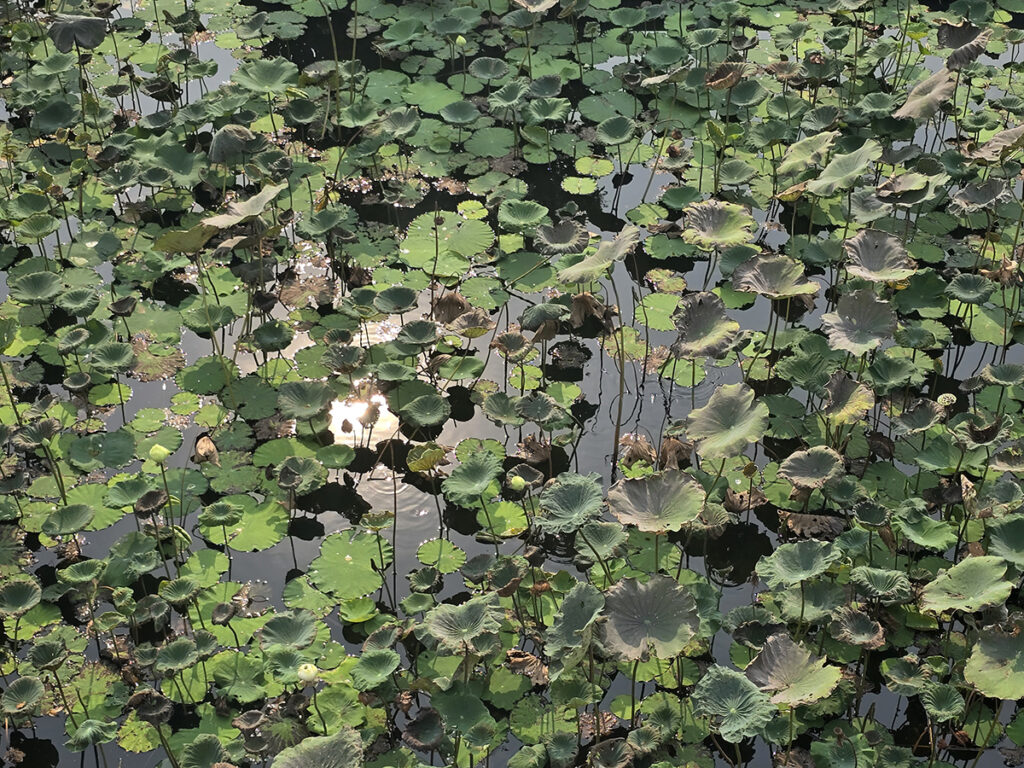
Now it hosts 91 species of birds and hundreds of native plant species. It acts as a “sponge,” retaining up to 200,000 cubic meters of floodwater and filtering 8,152 m³ of polluted canal water daily (and city canals are desperately in need of being cleaned).
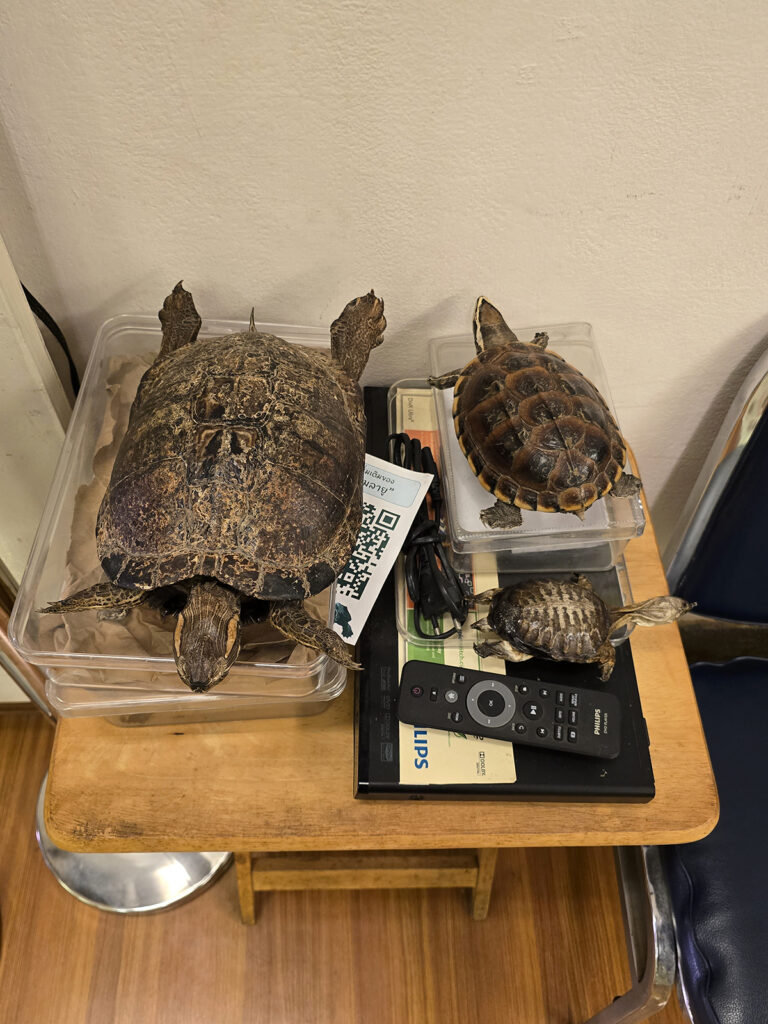
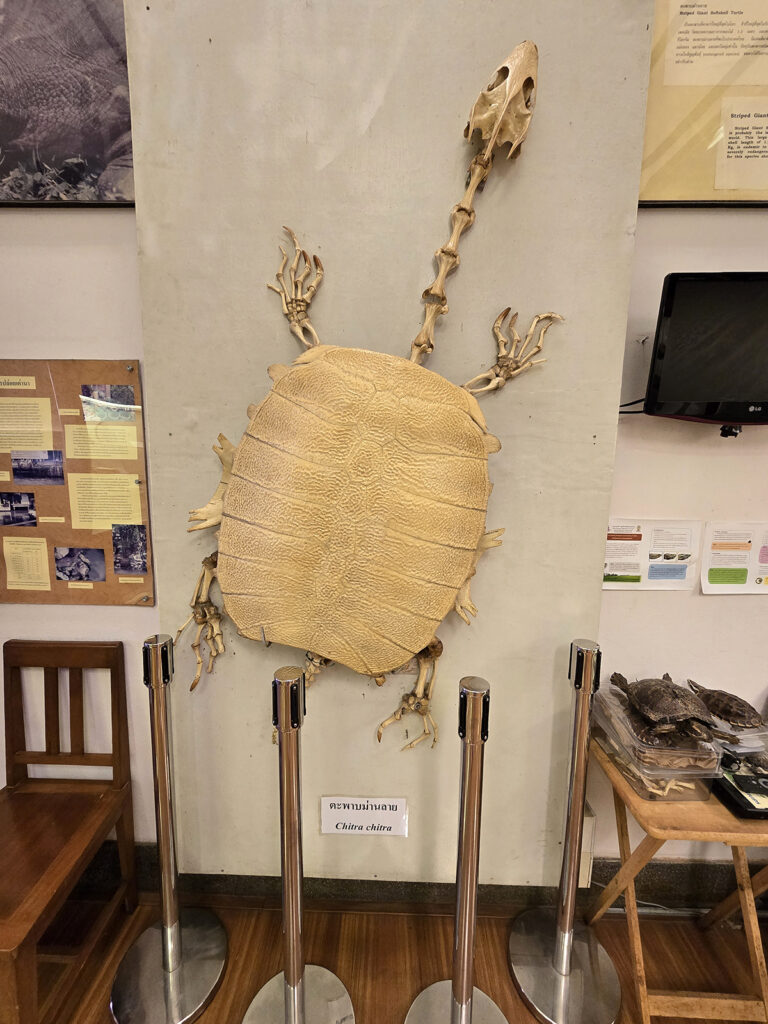
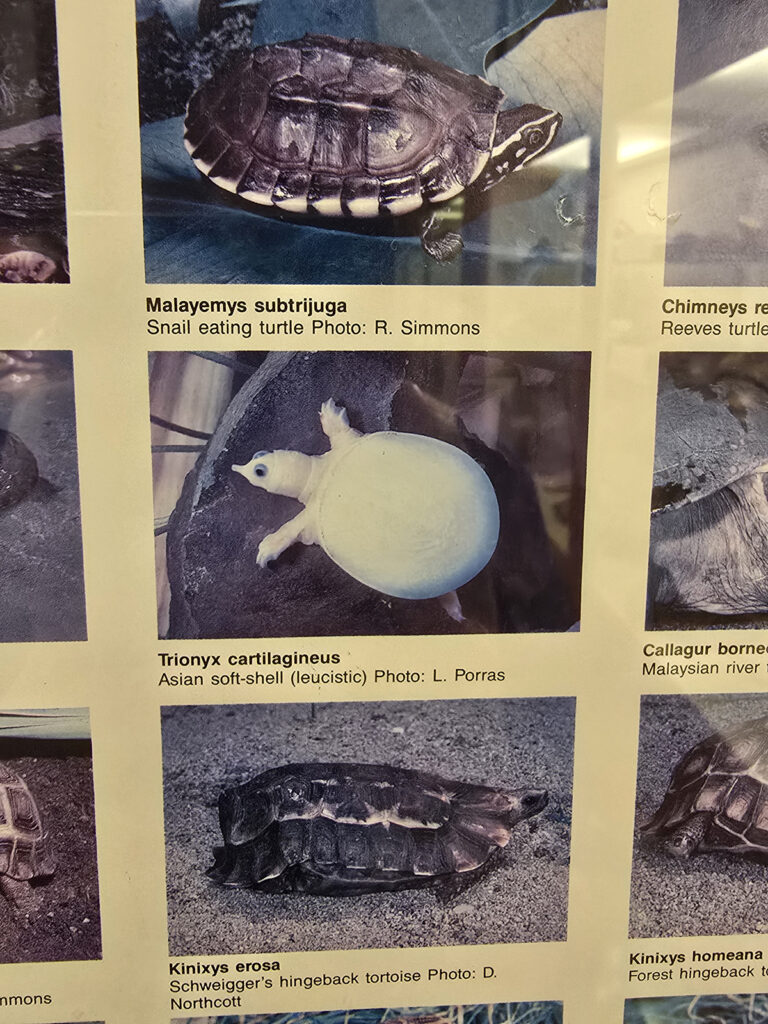
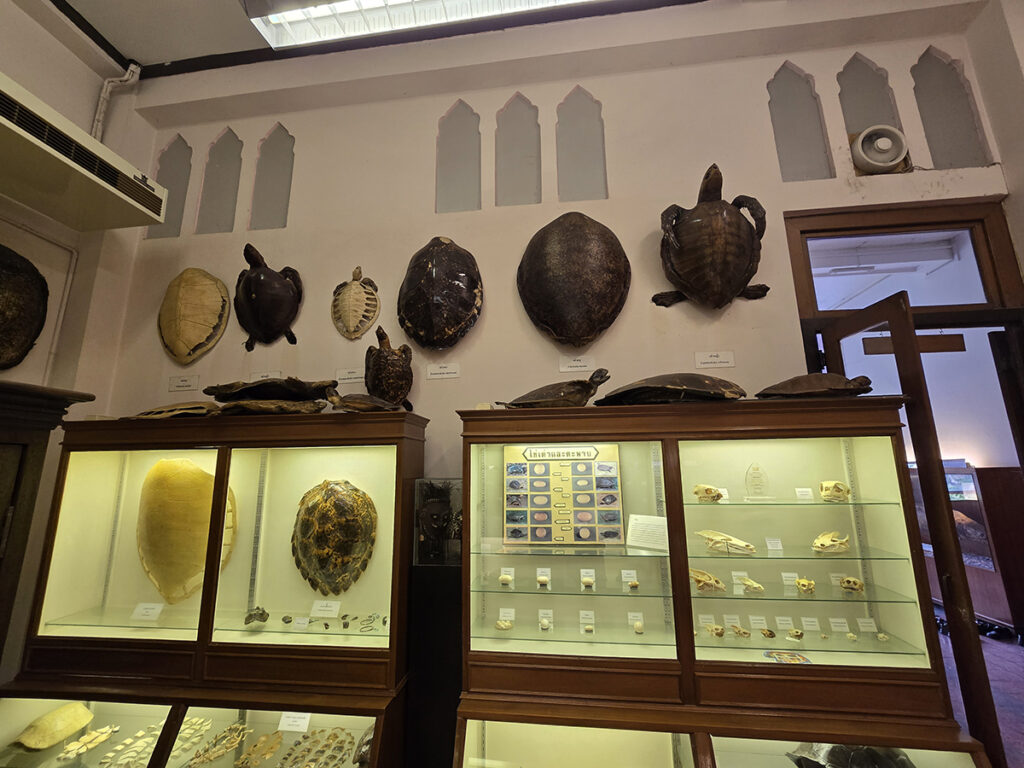
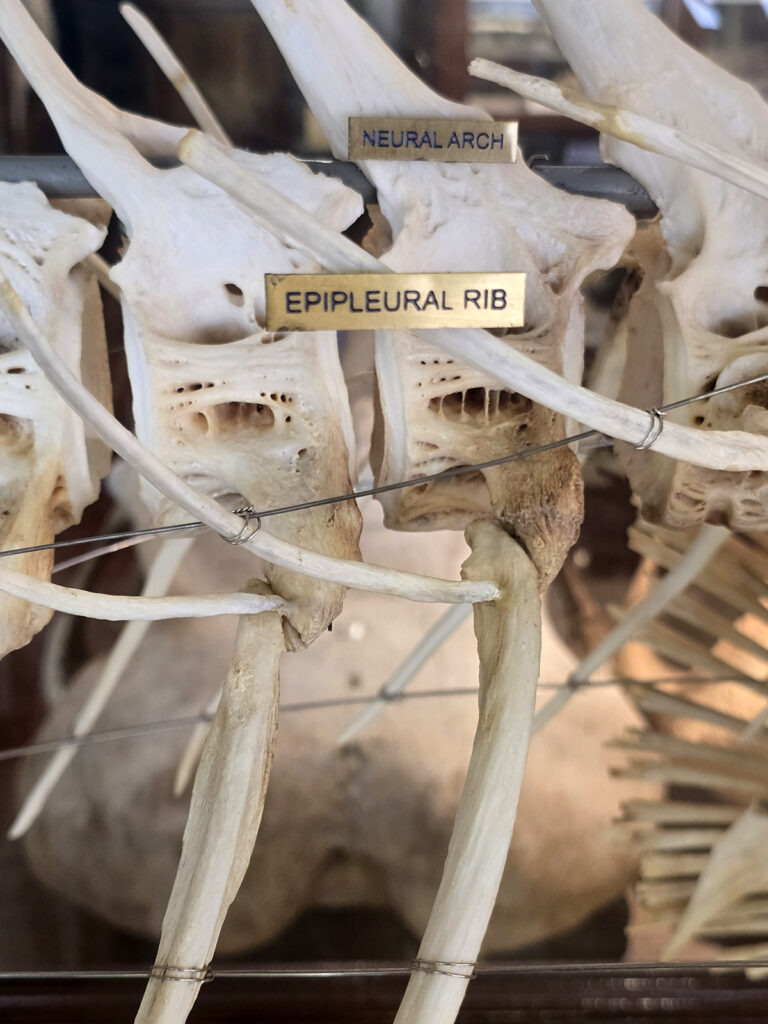
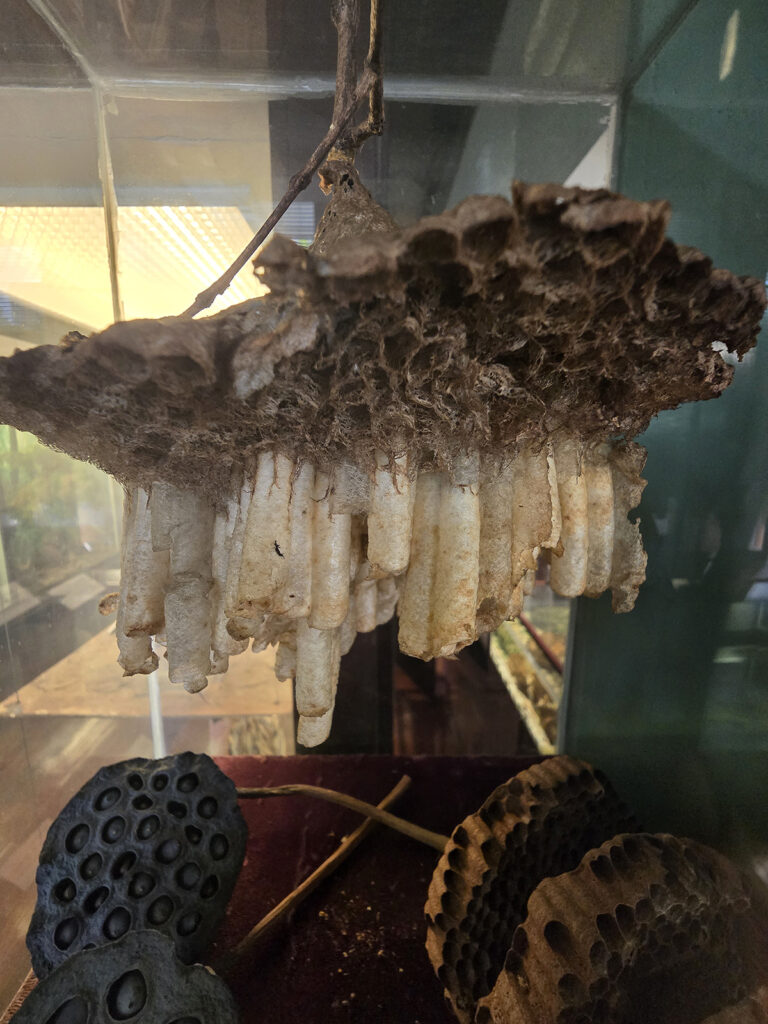
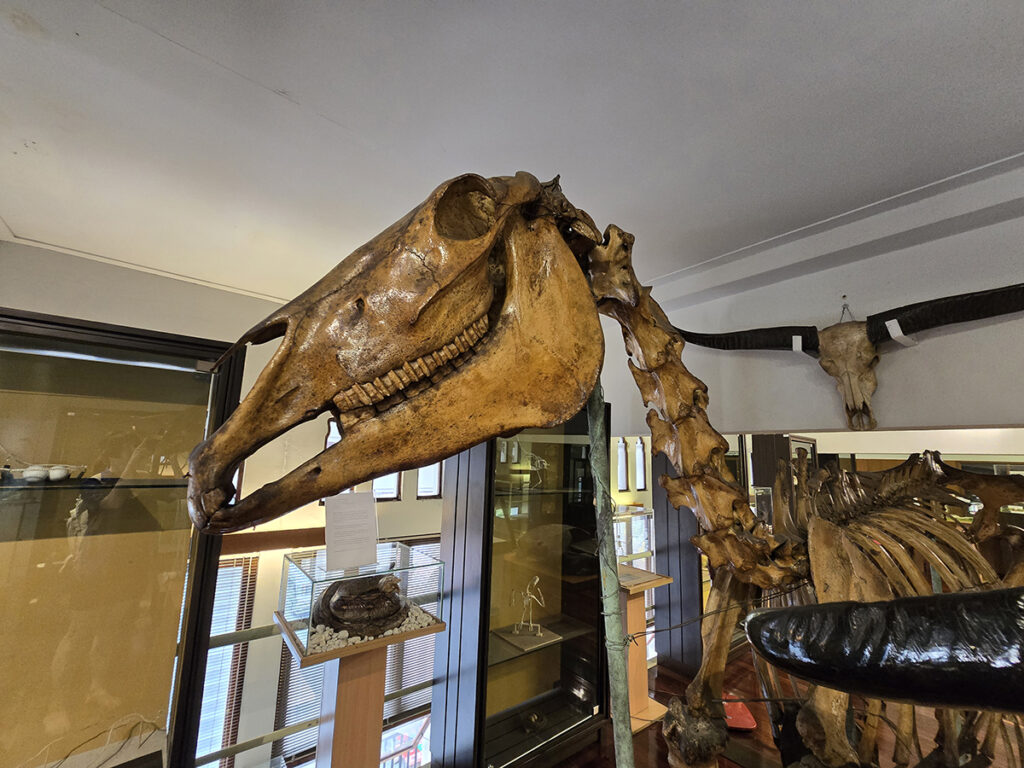
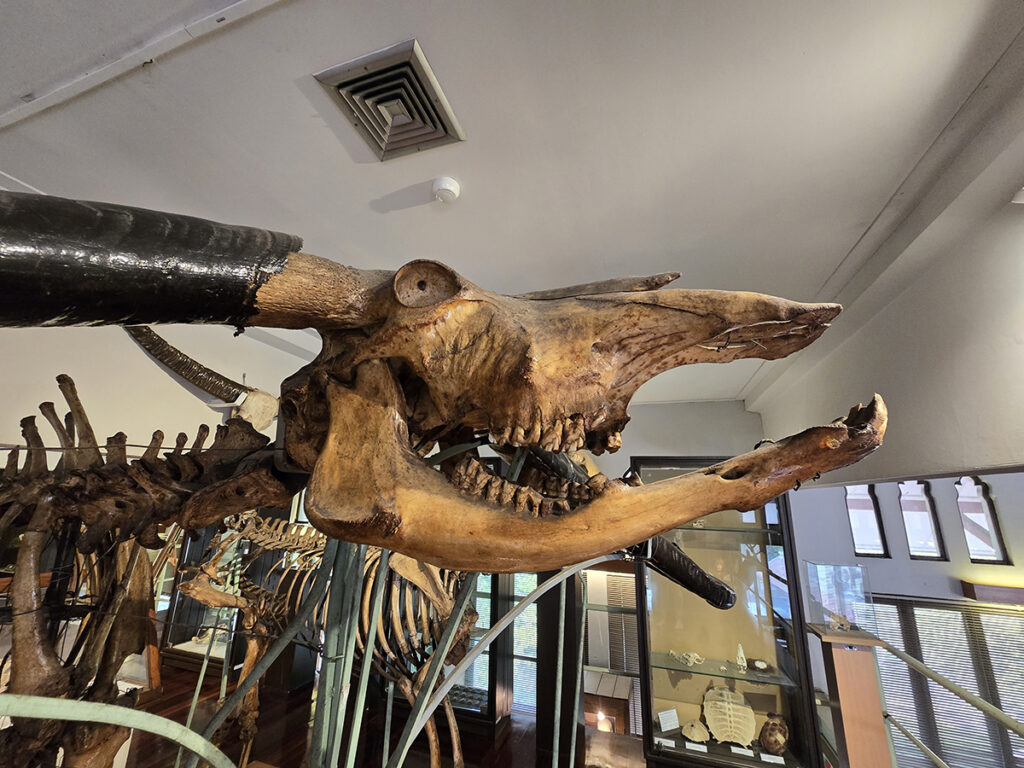
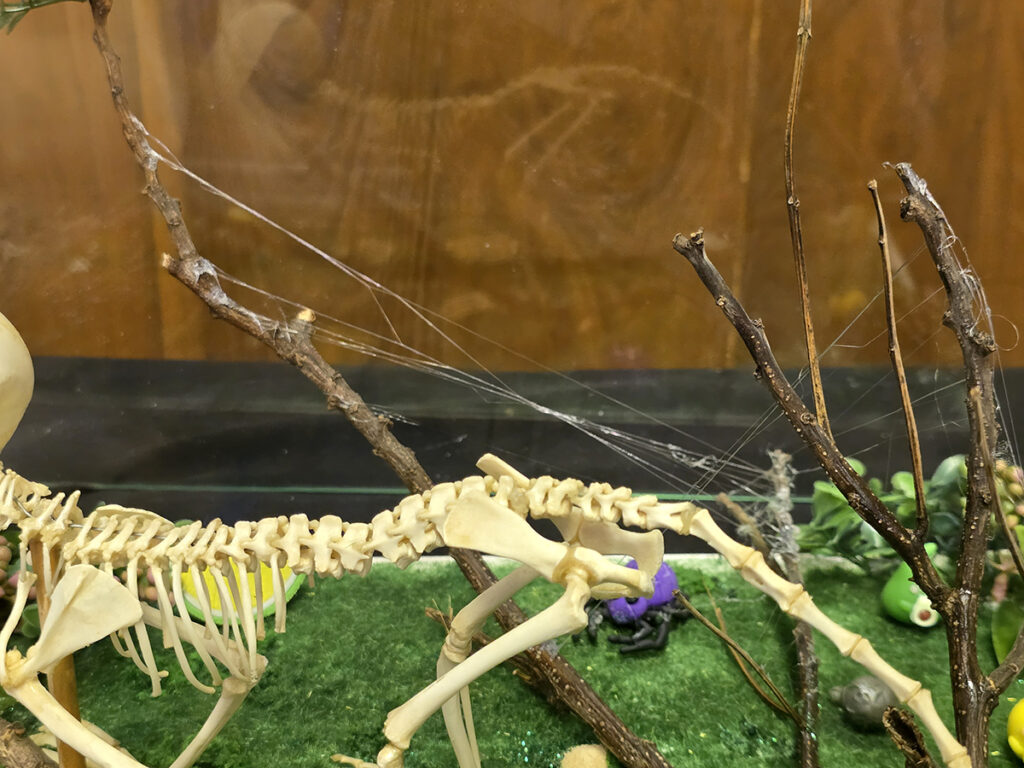
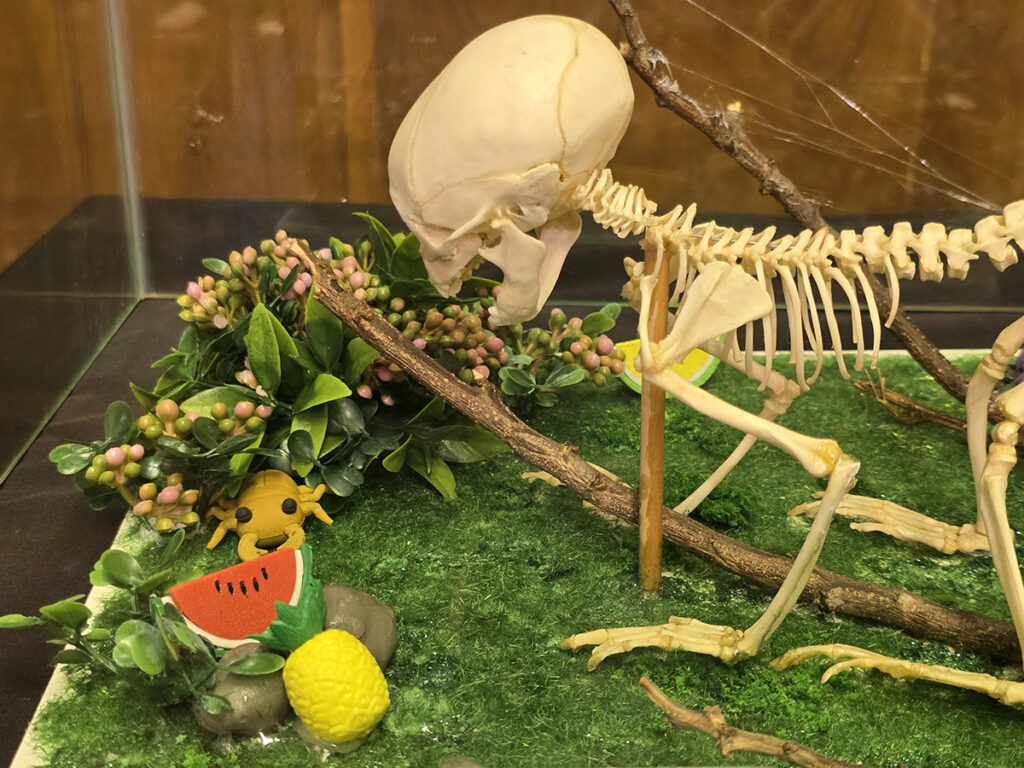
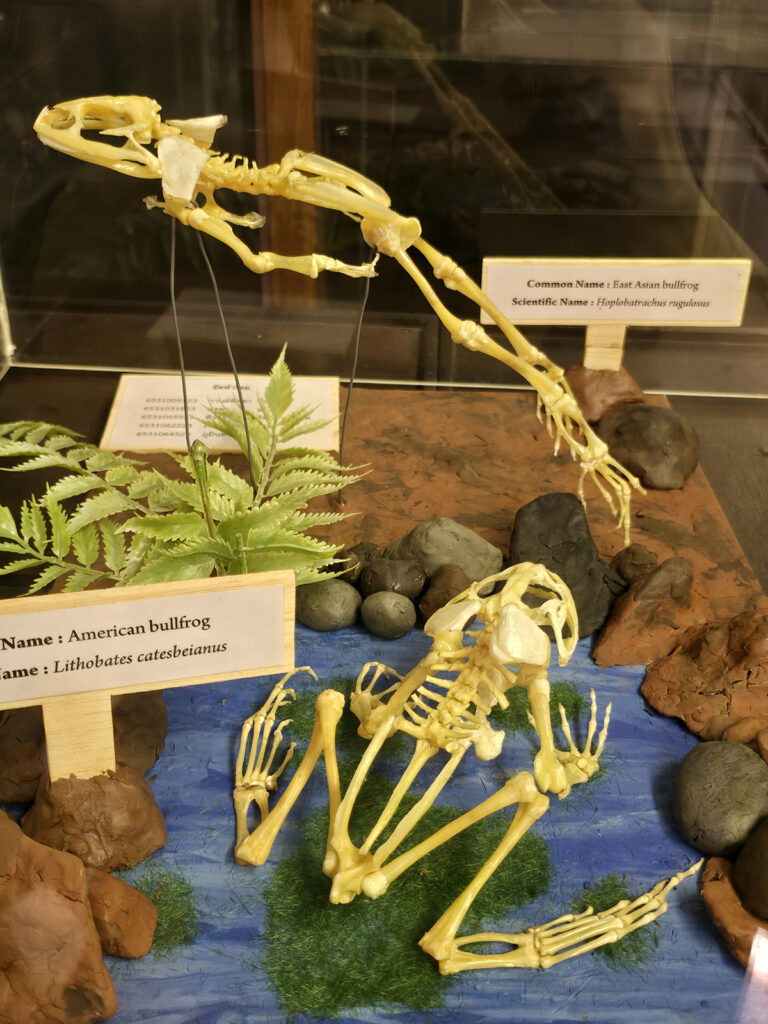
Chulalongkorn University Museum of Natural History