All week, I’ve had these underlying thoughts in my head, like, “I want to make one post a week, but there will be so many photos—how do I choose the most interesting ones?” And I’ve been racking my brain over it. Today, it suddenly hit me: why do I need to make one giant post a week and carefully select photos when I can make short posts whenever I have about 20 good photos? Seems a better choice.
So, today, I’d like to show you some pics of Benchakitti Park and the Museum of Natural History.
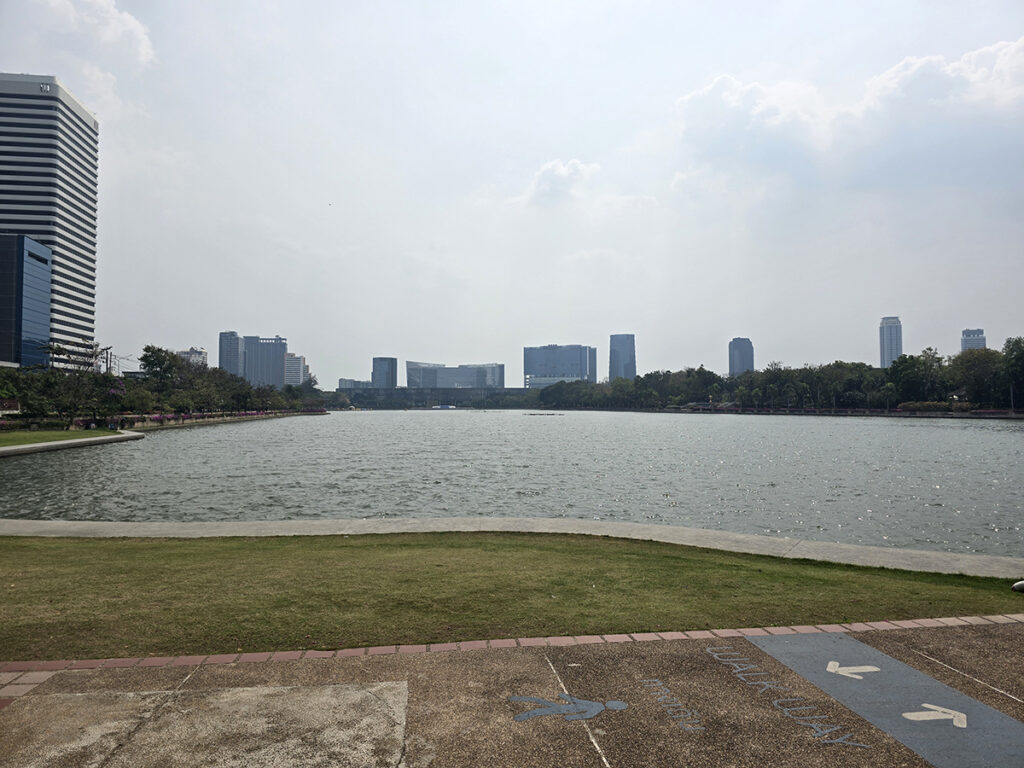
Benchakitti Park
From what I’ve learned about this park:
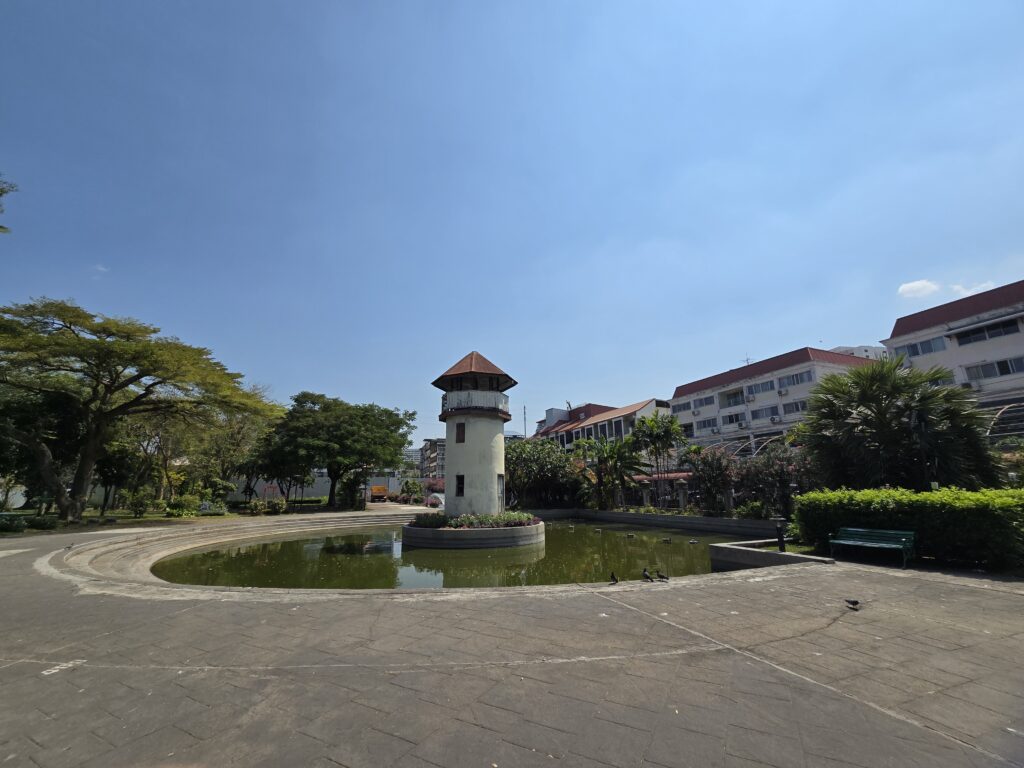
In 1950, a tobacco factory was built on a wetland. It moved north in 1991. The authorities approved the transformation of the former factory site into a public park to honor the 60th birthday of Queen Mother Sirikit.
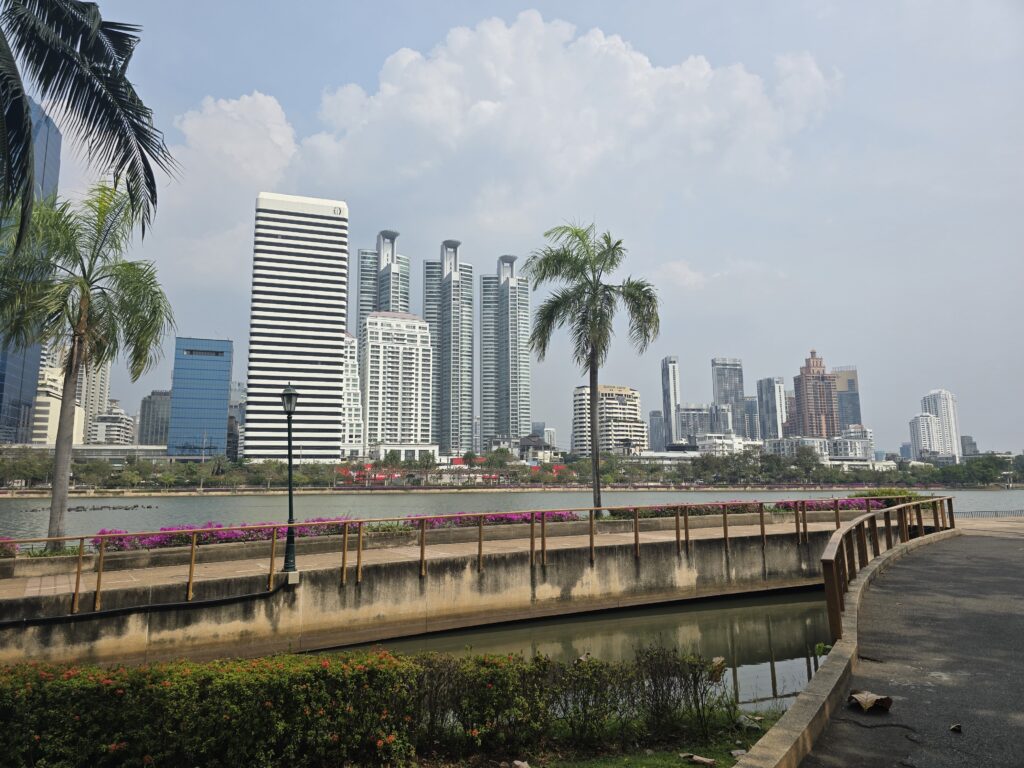
Opened in 2004, Benchakitti Park is essentially a vast water reservoir with jogging and cycling paths.
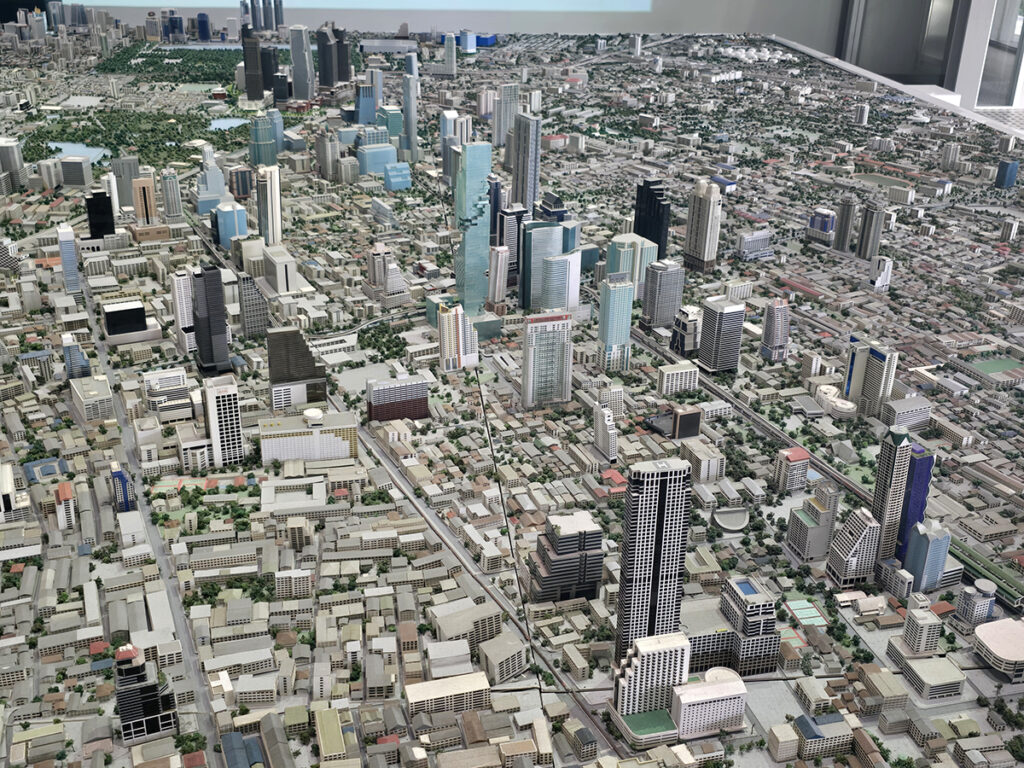
The old tobacco factory building was converted into a museum, which now houses the Bangkok City Model. Parts of the roof were cut away so trees could grow through it—blending architecture and nature.
Ugh, I didn’t take any photos of the building, even though I liked it so much.
When I was there yesterday, the building felt like a massive concrete hangar with openings cut into the roof for trees. It was hot and humid (I love this kind of weather, especially in the shade—you sweat like you’re in a sauna). Parts of the walls are missing, and the structure flows seamlessly into the forest.
This mix of brutalist architecture and nature is deeply inspiring to me. It gives off this gentle post-apocalyptic feeling—nature reclaiming the city, with only damp concrete still visible among the branches.
I get the same feeling from Angkor Wat (which I also plan to visit—and photograph, of course), a temple complex that the jungle has also swallowed.
It also brings to mind Ballard’s *The Drowned World*, where, after global warming, the entire surface of the earth is submerged under water and silt, with only skyscrapers jutting out from the depths. The protagonist lives in a former Ritz Hotel, still bearing traces of its former luxury—the first fourteen floors underwater, people moving around by boat. Giant reptiles and insects, too.
Forest and Wet Area
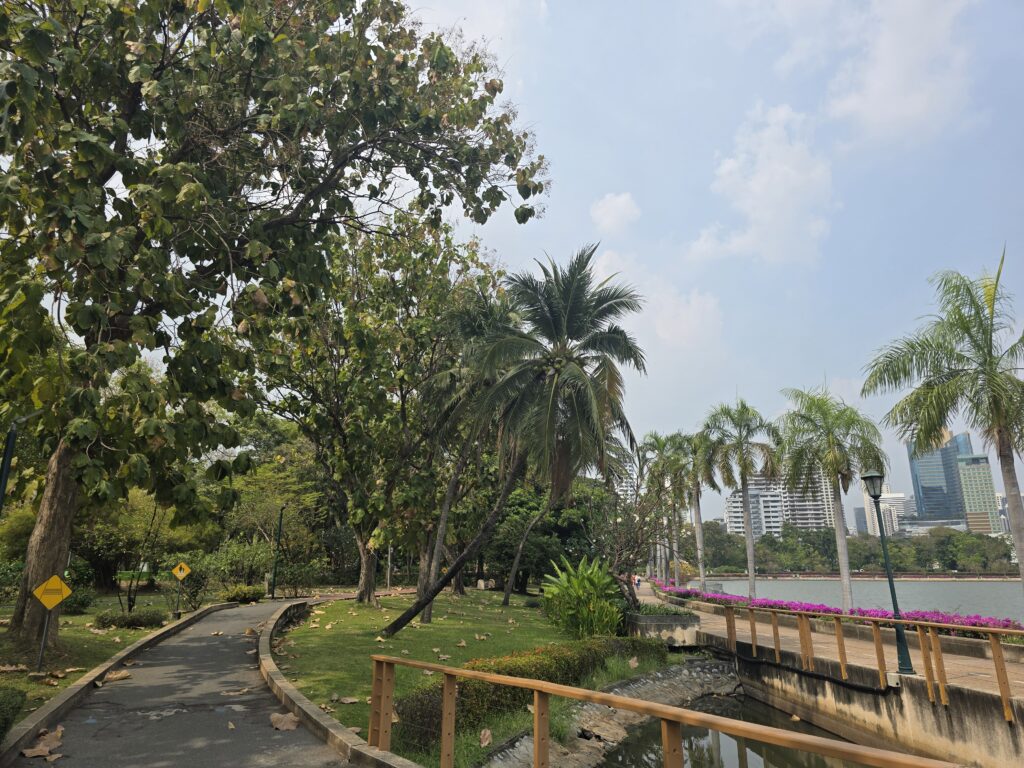
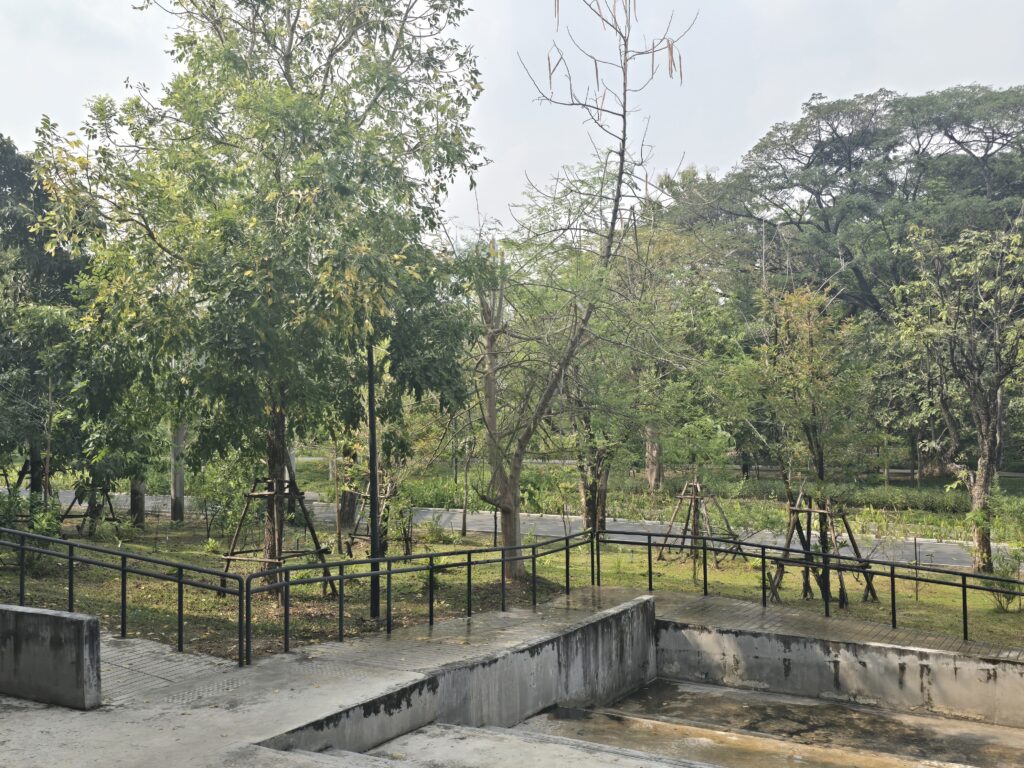
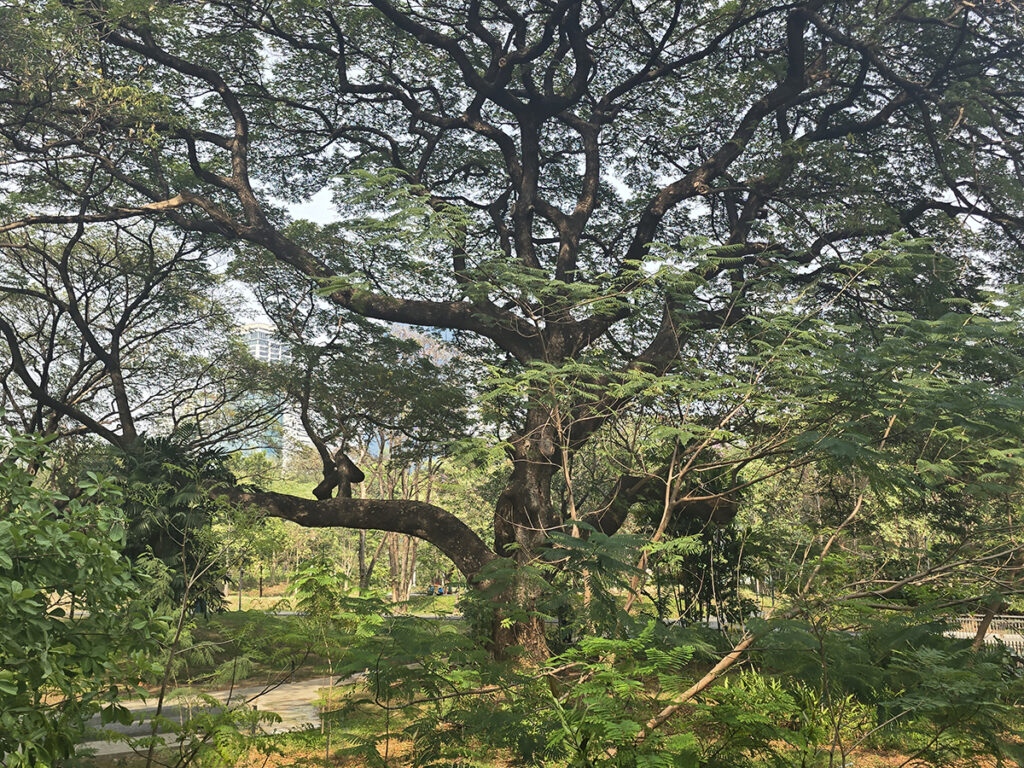
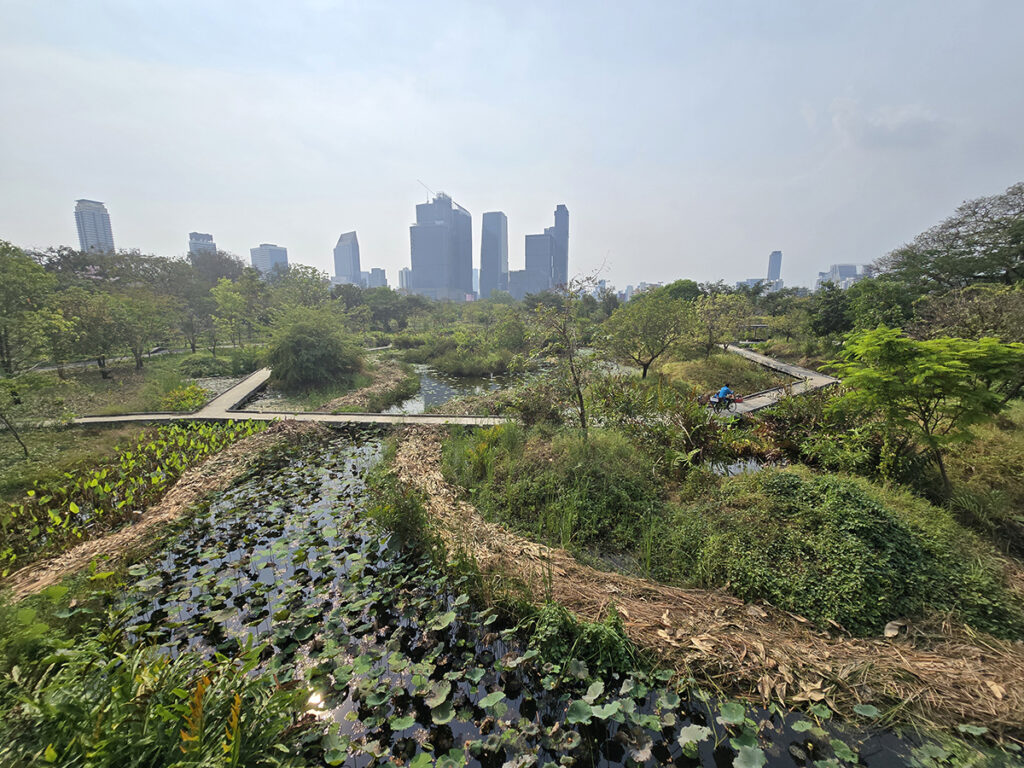
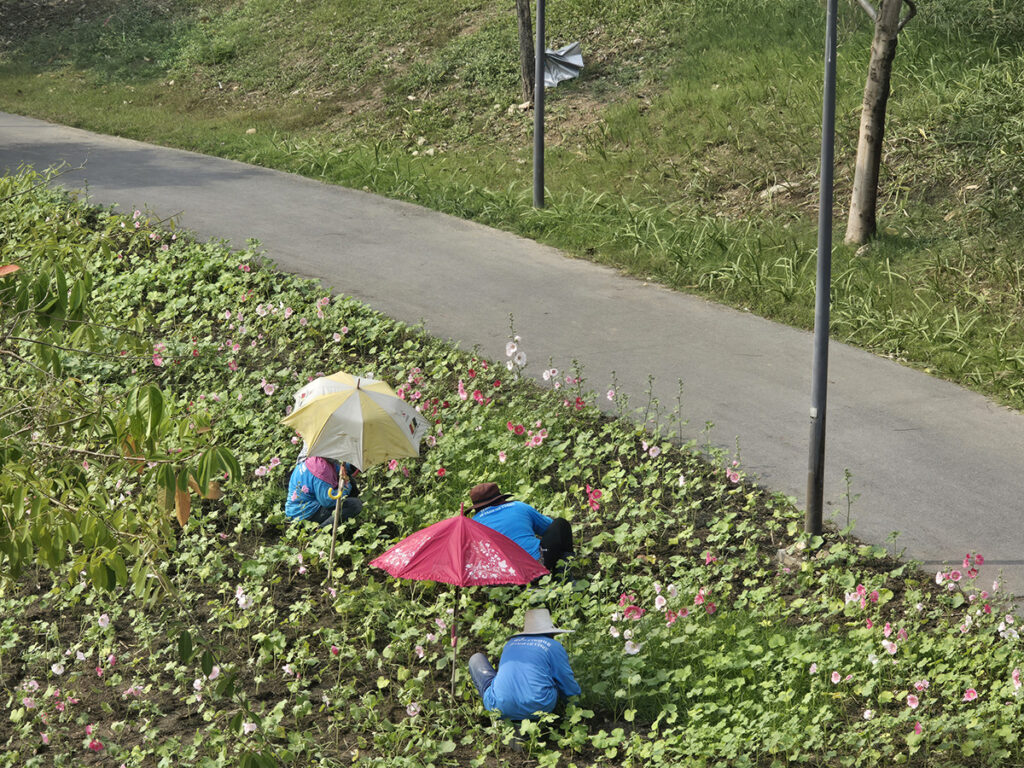
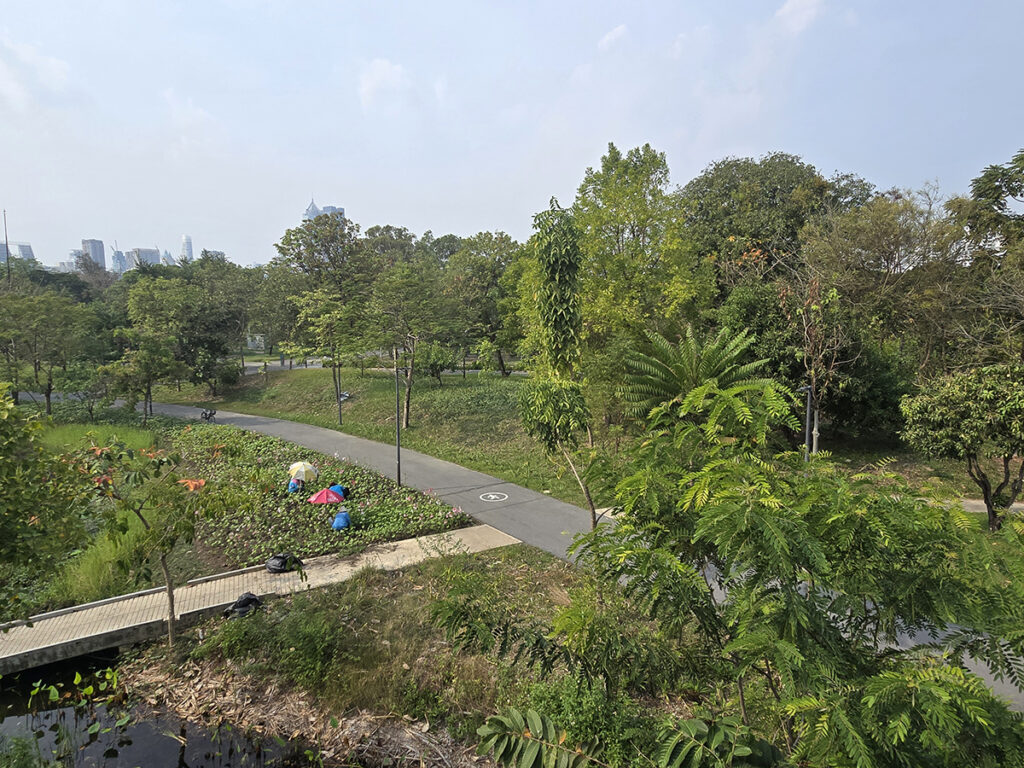
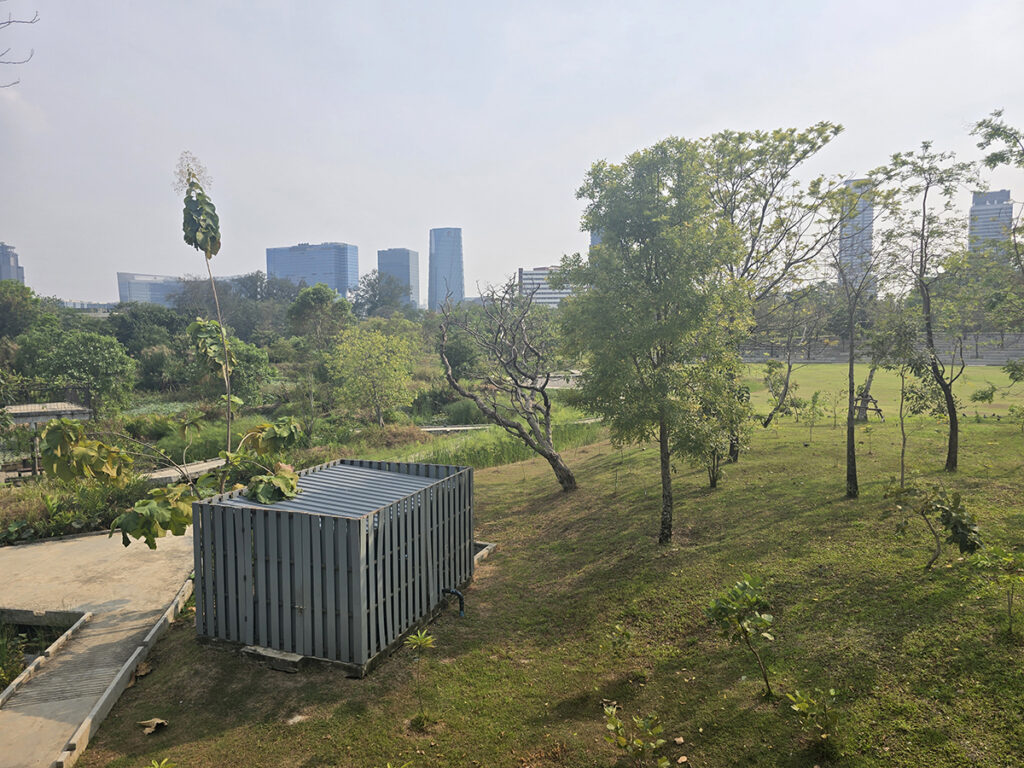
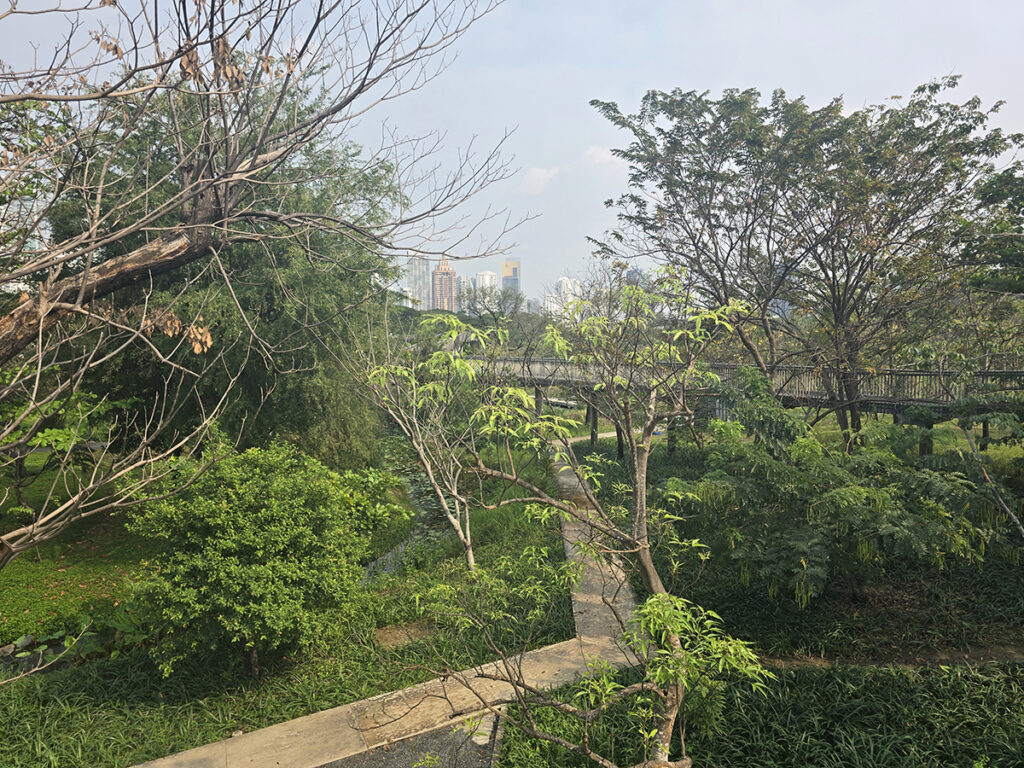
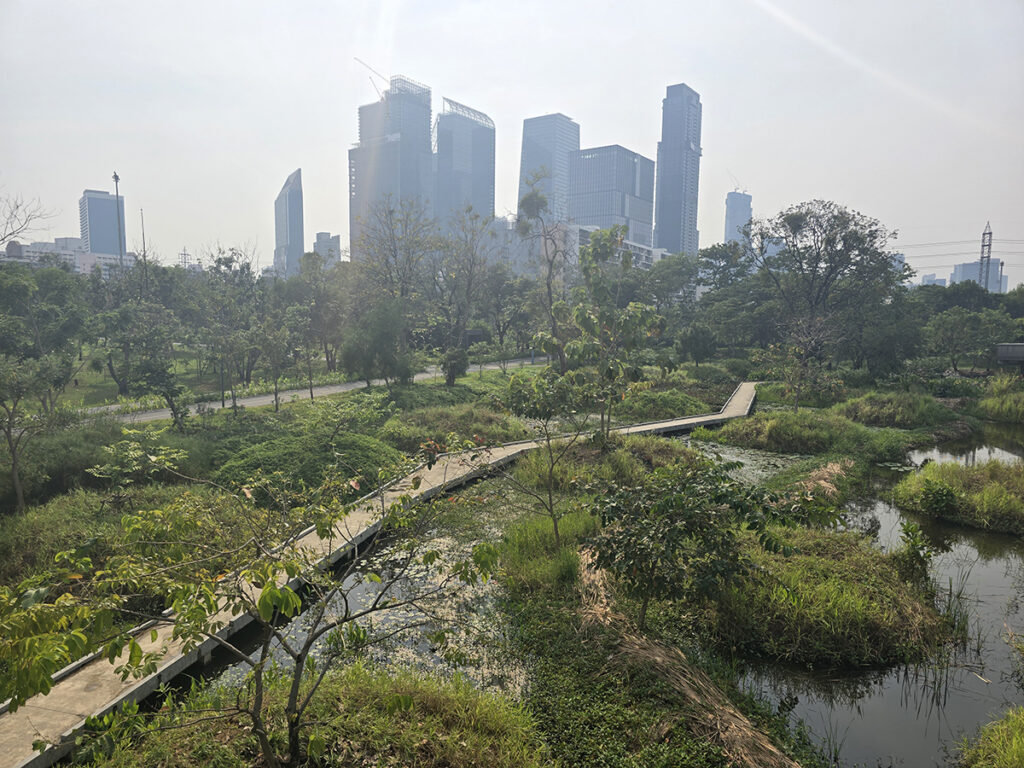
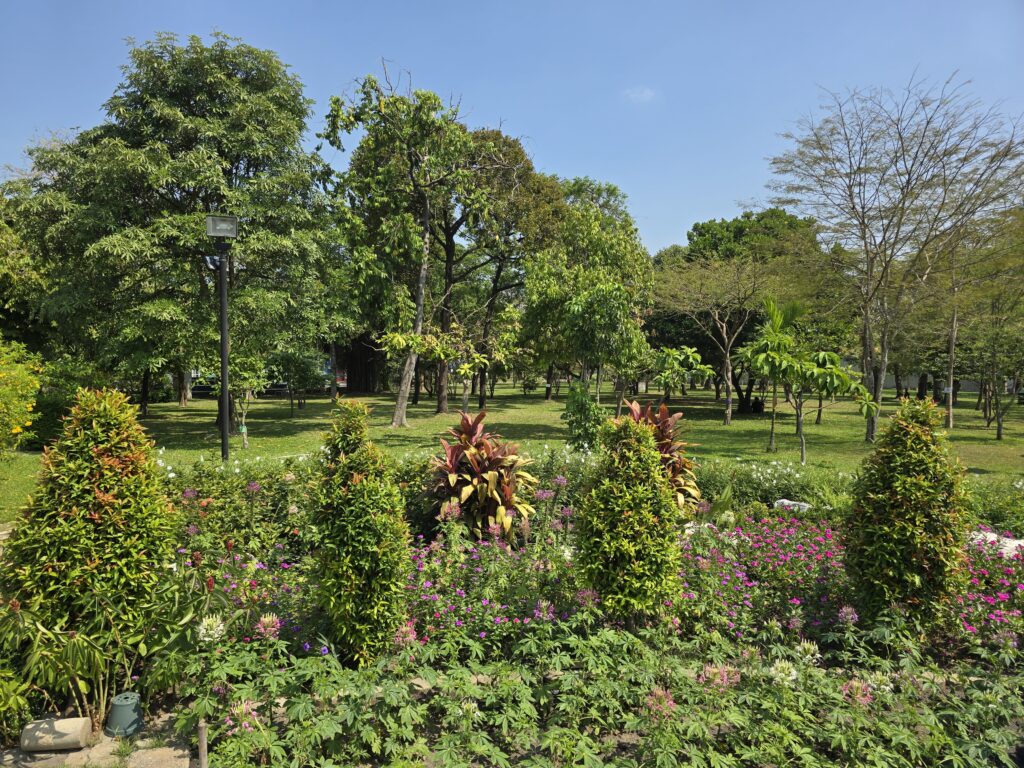
The left side of the Benchakitti park, forest, and wetland landscape was designed through an international competition in 2019. Construction took just 18 months, finishing in March 2022.
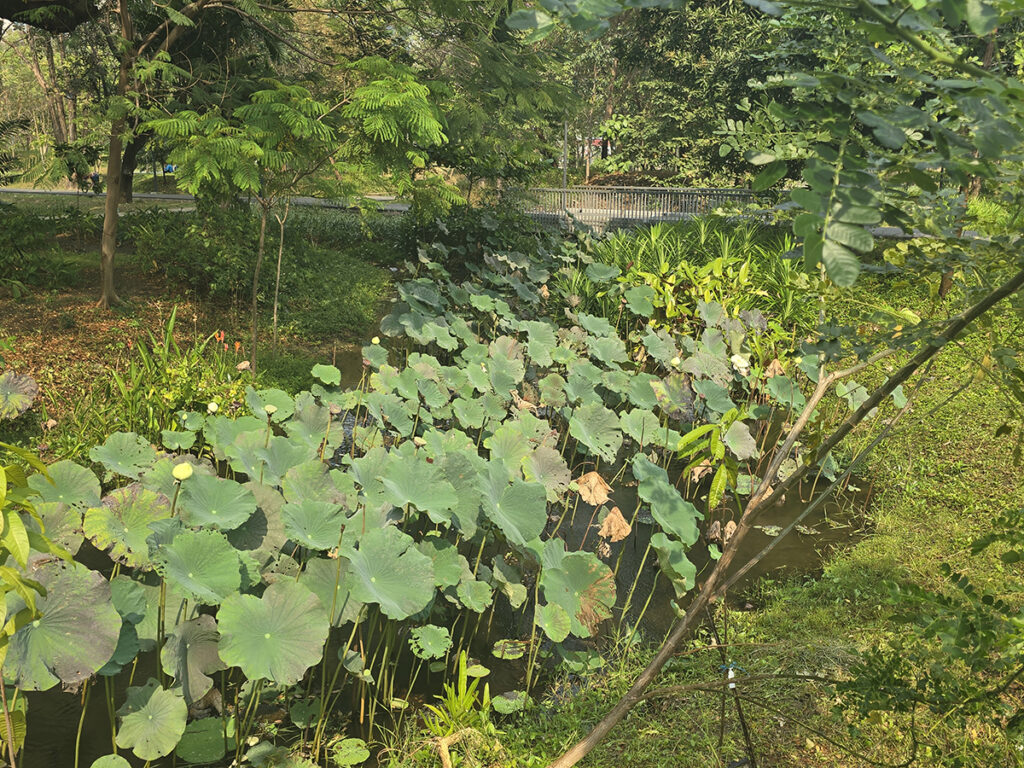
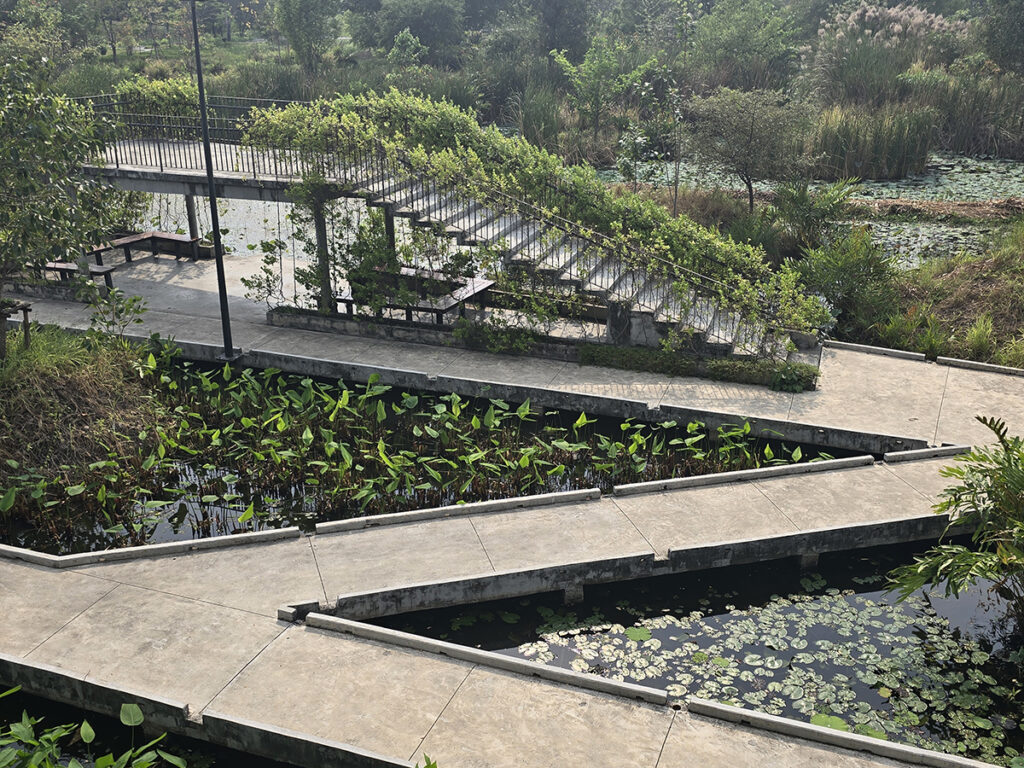
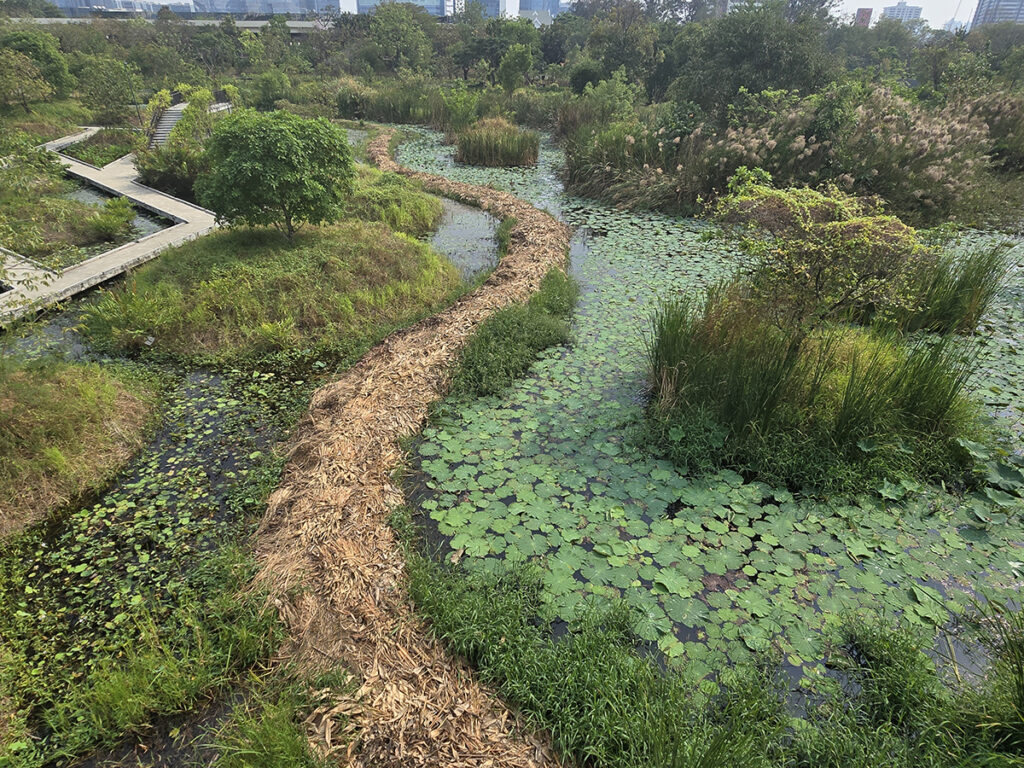
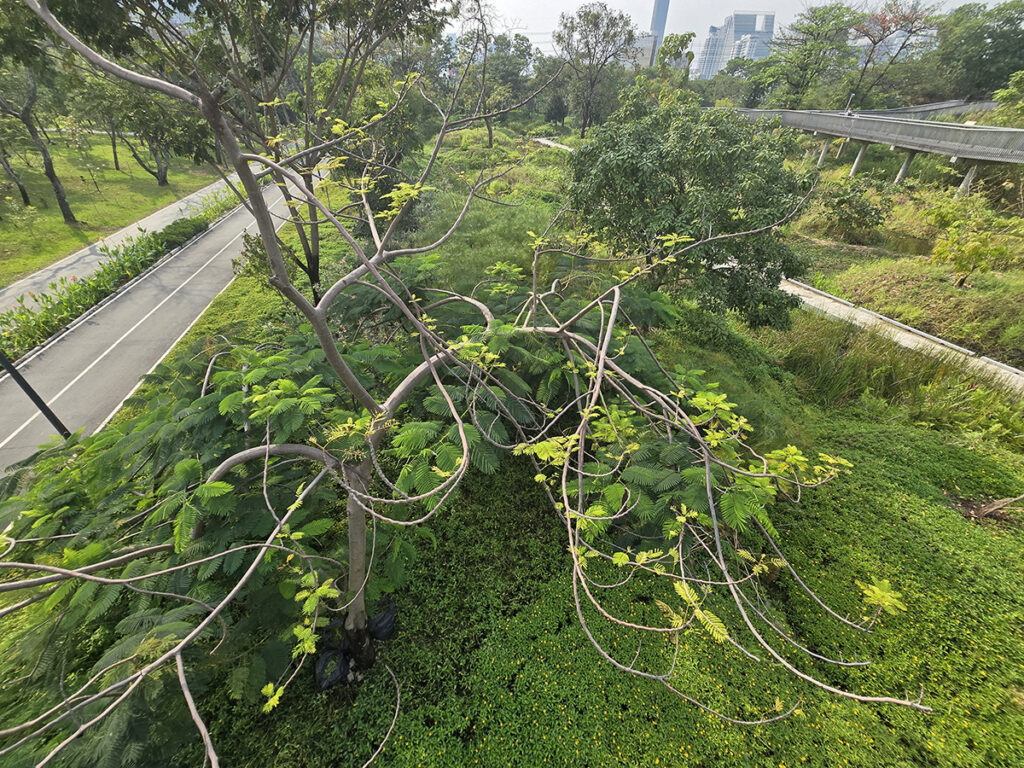
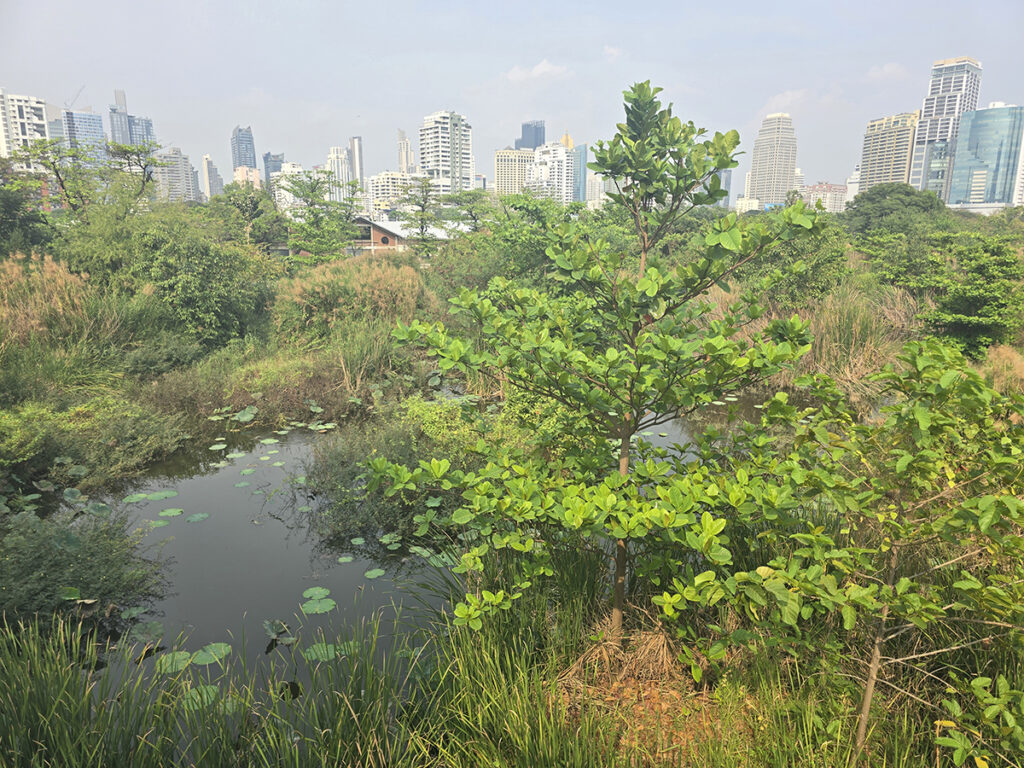
The designers deliberately restored the site to its original swampland state (before 1950). Using simple “cut and fill” techniques, they created hundreds of mini-islands in four large ponds to mimic natural wetland topography.
Now it hosts 91 species of birds and hundreds of native plant species. It acts as a “sponge,” retaining up to 200,000 cubic meters of floodwater and filtering 8,152 m³ of polluted canal water daily (and city canals are desperately in need of being cleaned).
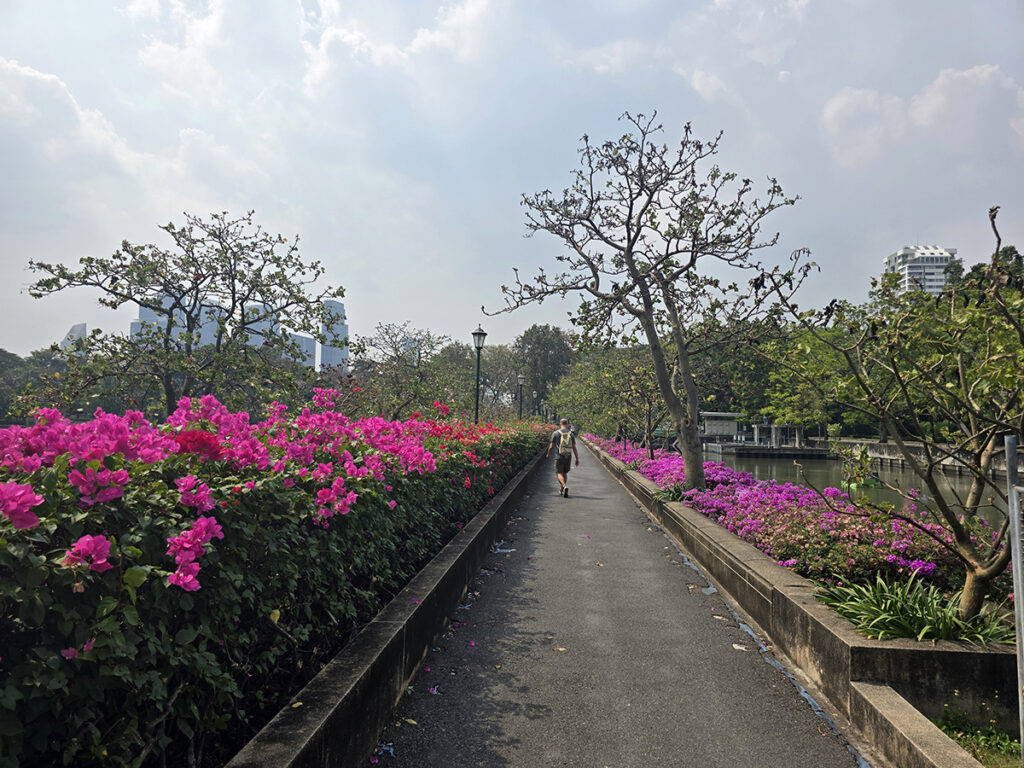
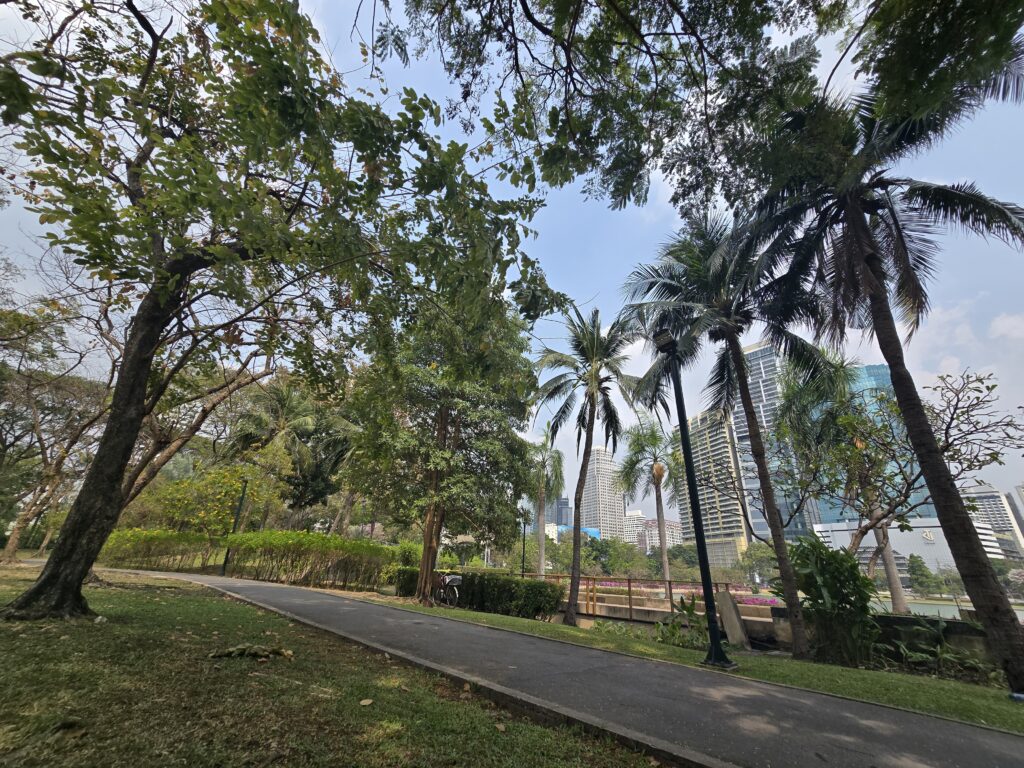
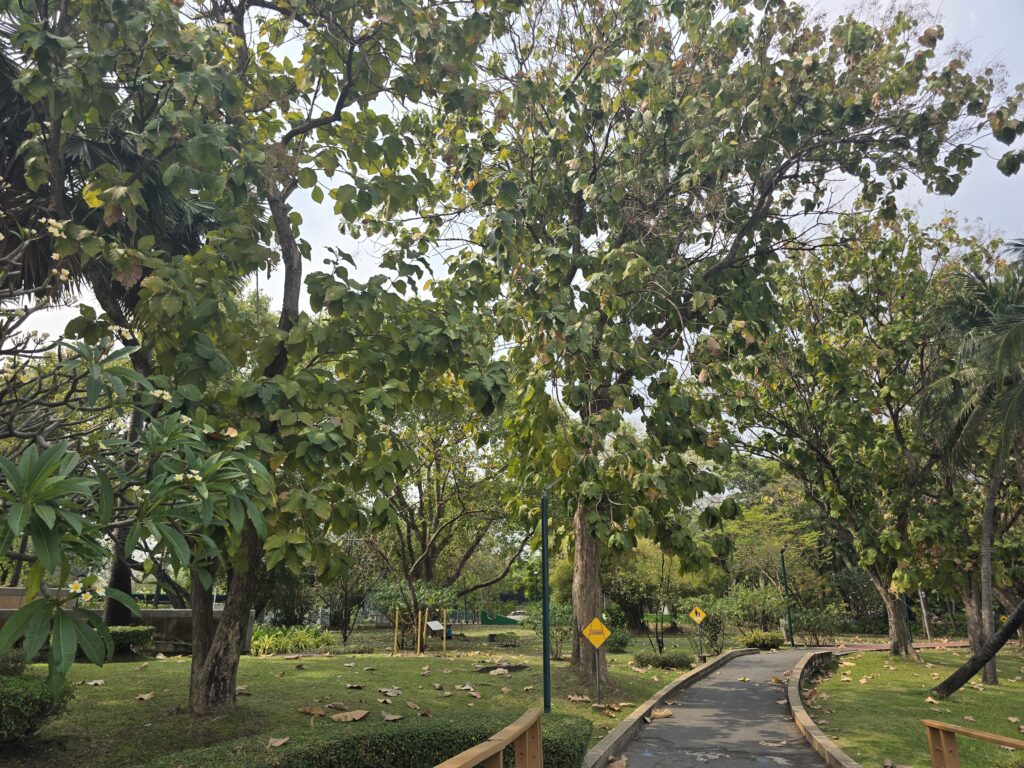
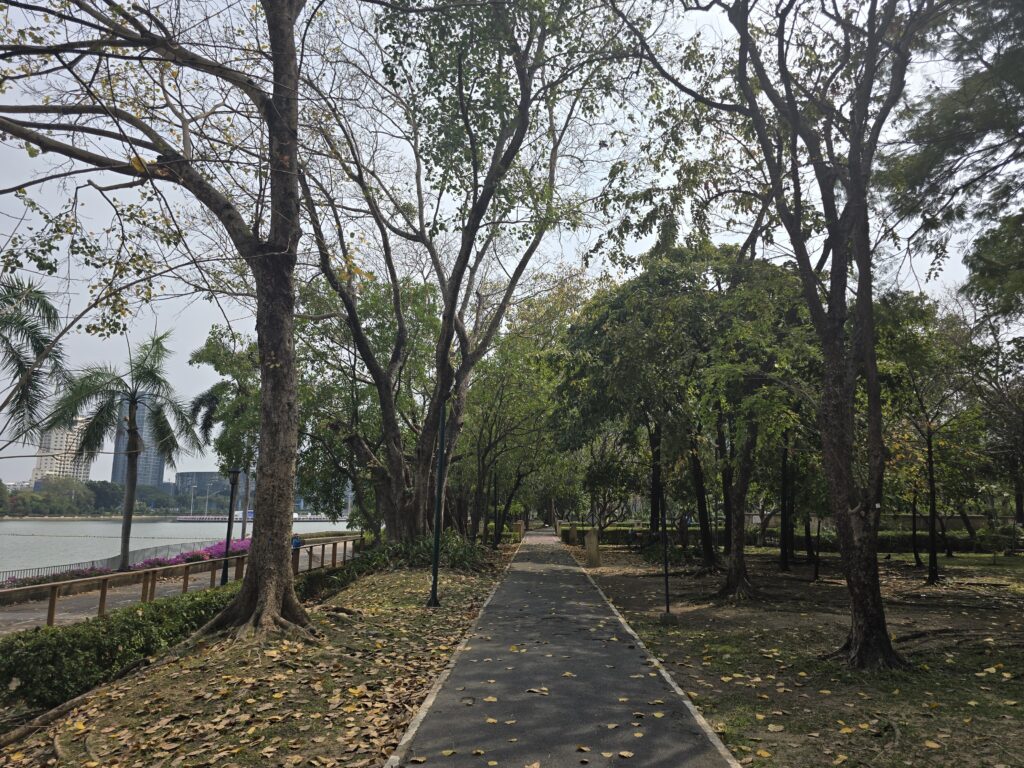
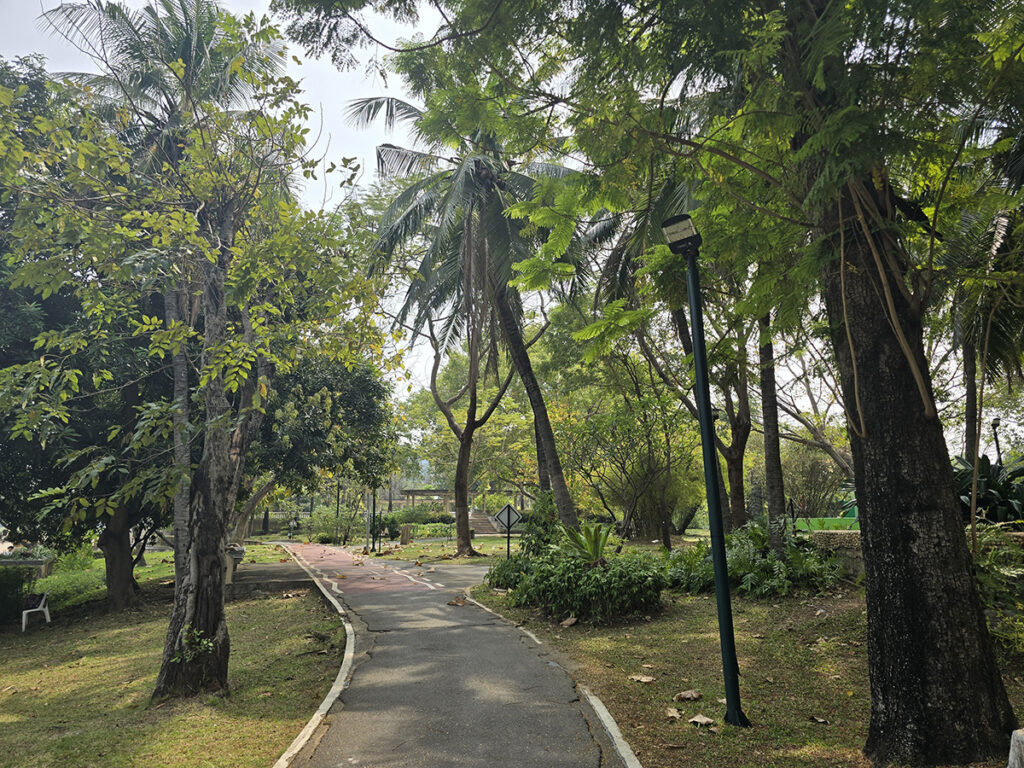
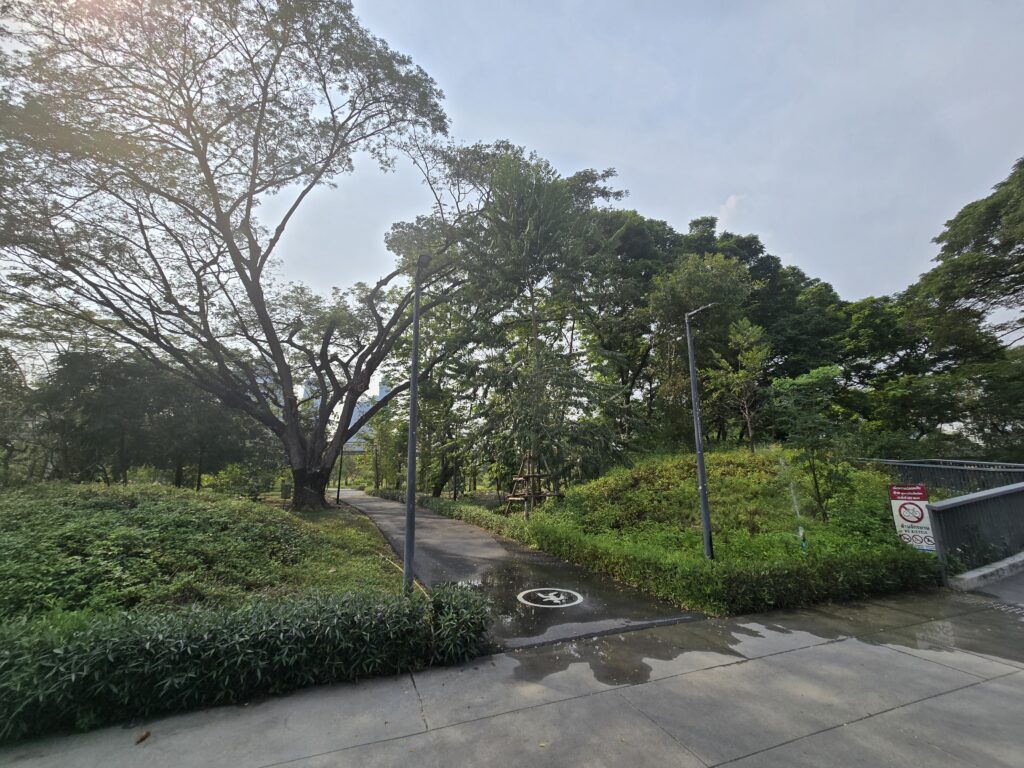
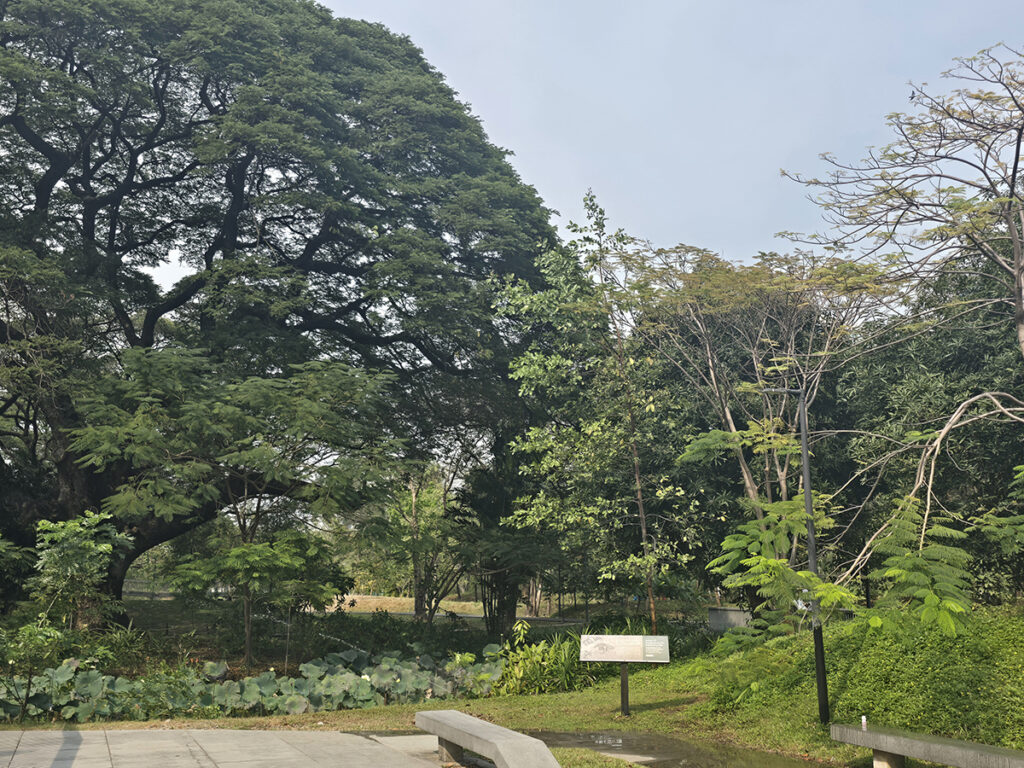
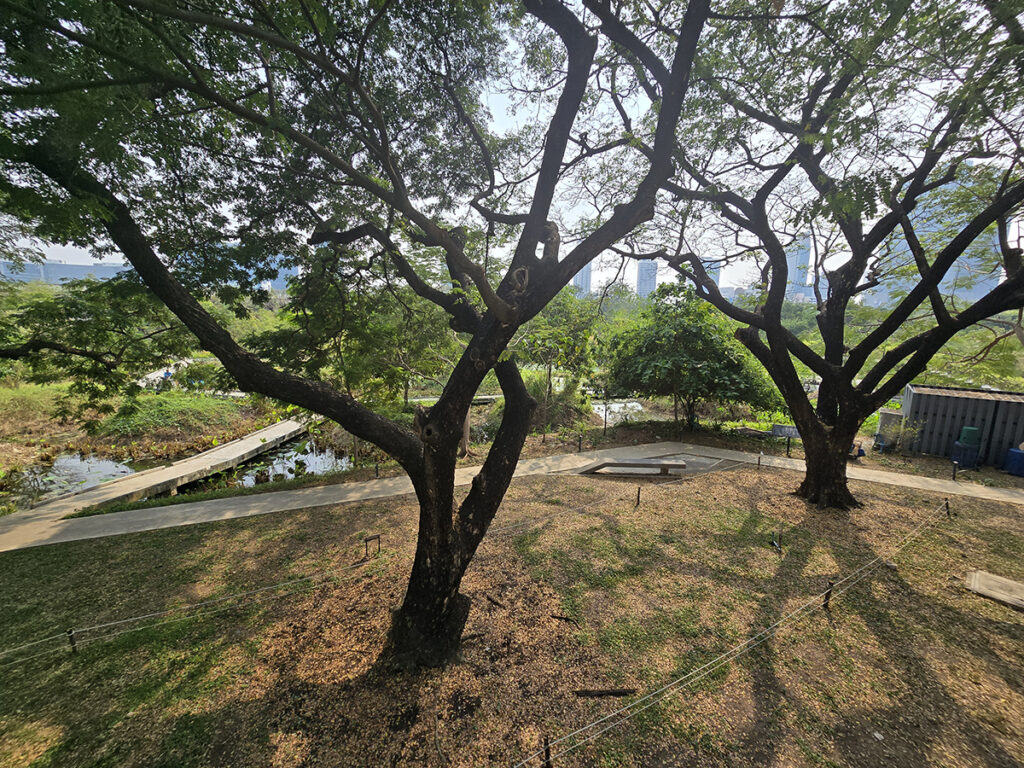
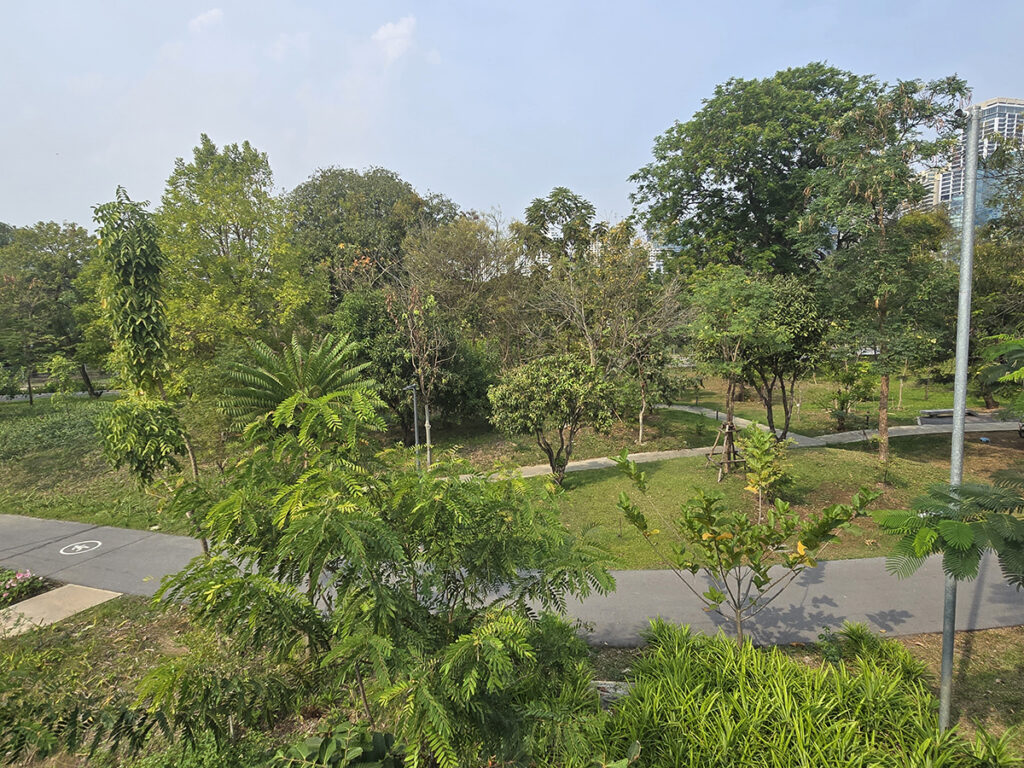
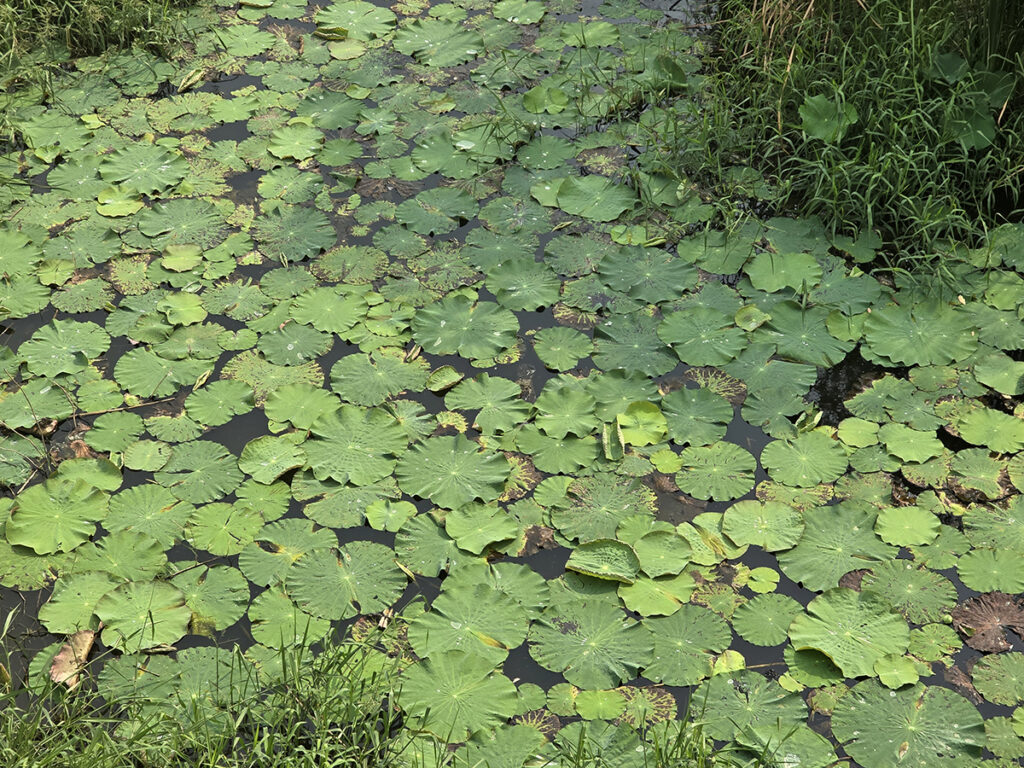
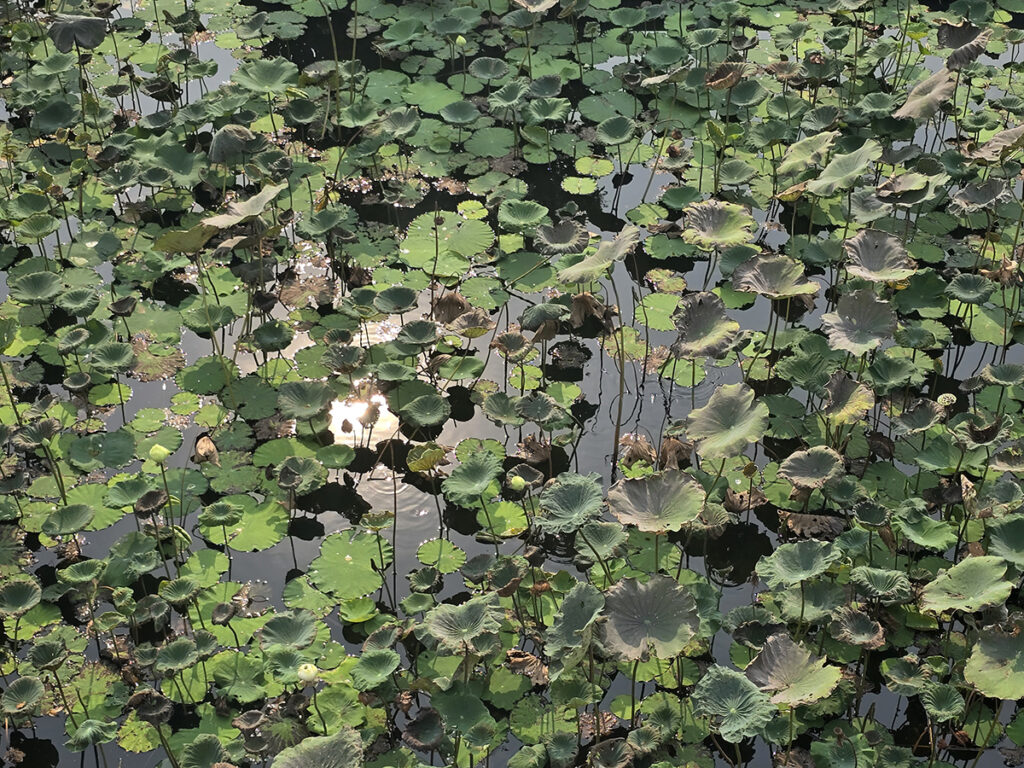
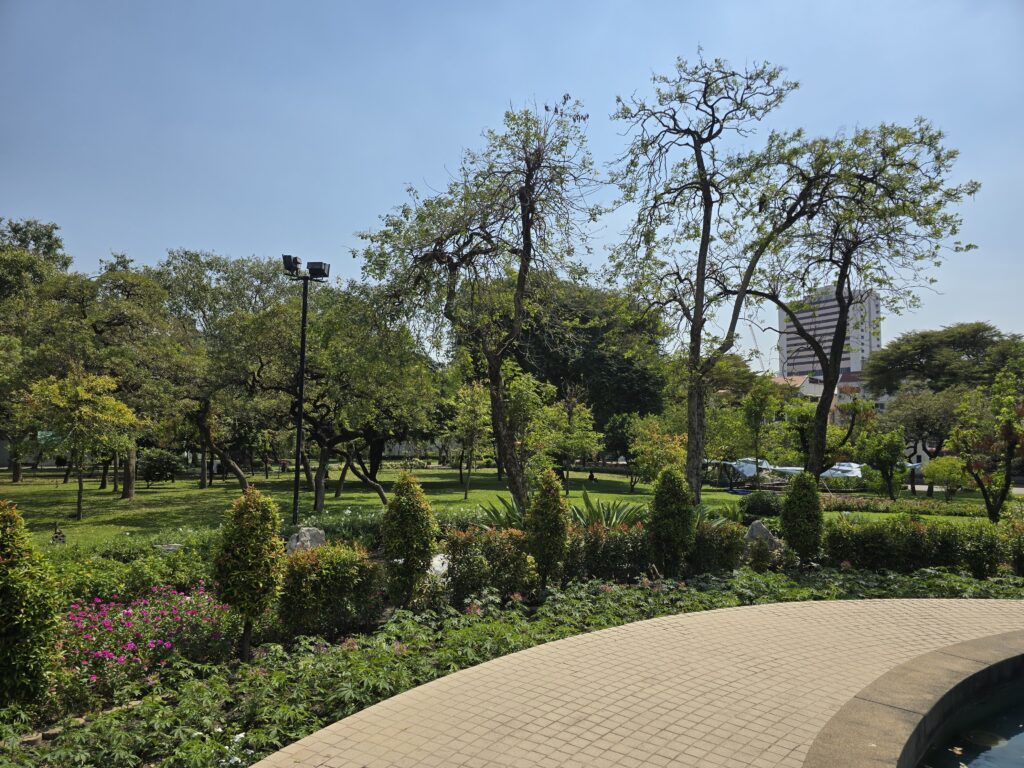
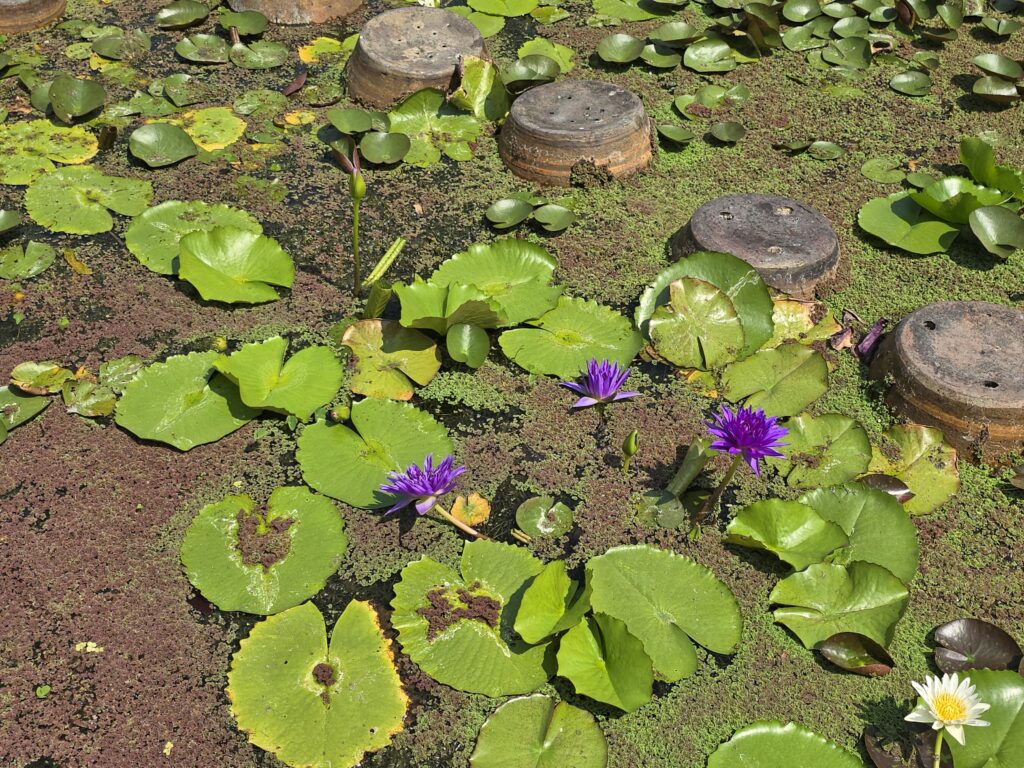
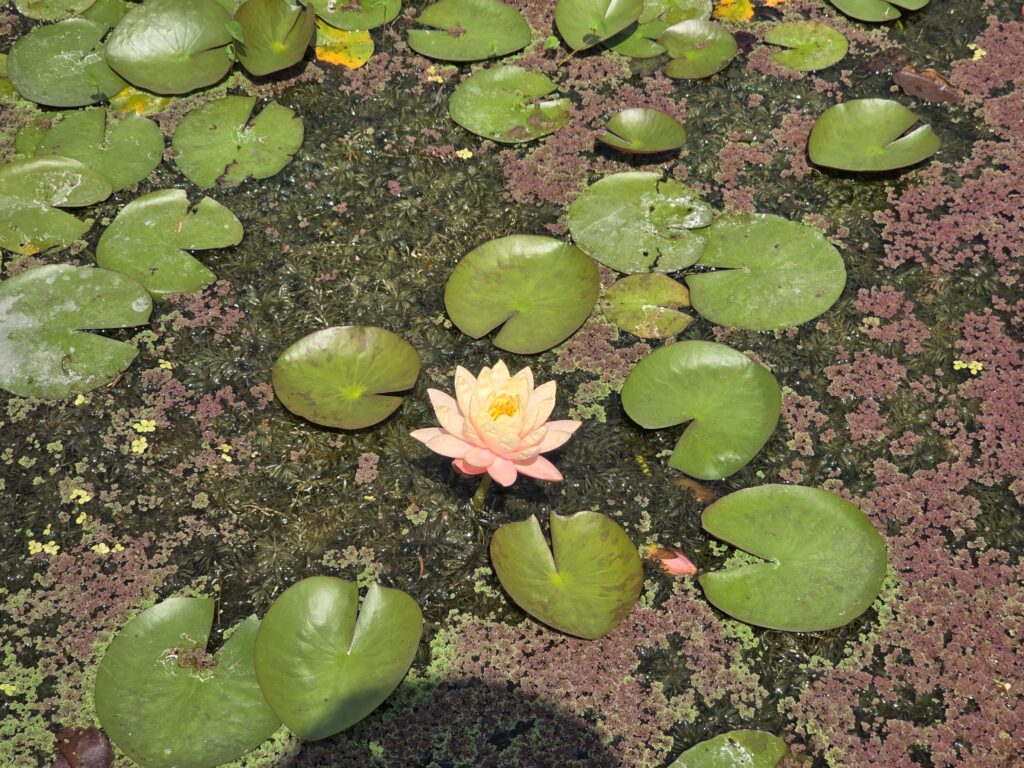
Little hills, beautiful trees, ponds with lotuses and water lilies—everything is impossibly green and pristine. The park is extremely well-maintained: gardeners and irrigation systems are everywhere.
I walked along an elevated pedestrian path overlooking the park, but there are also plenty of trails and lawns below where you can lie down. In a place like this, you almost forget that Bangkok is so dirty, noisy, hot, and overwhelming (though I never tire of saying that I find it an utterly charming city).
Then, at the park exit, the same elevated walkway continues all the way to Lumpini Park, another beloved spot. In its ponds live monitor lizards and turtles, and in the evenings, huge crowds gather there to run.
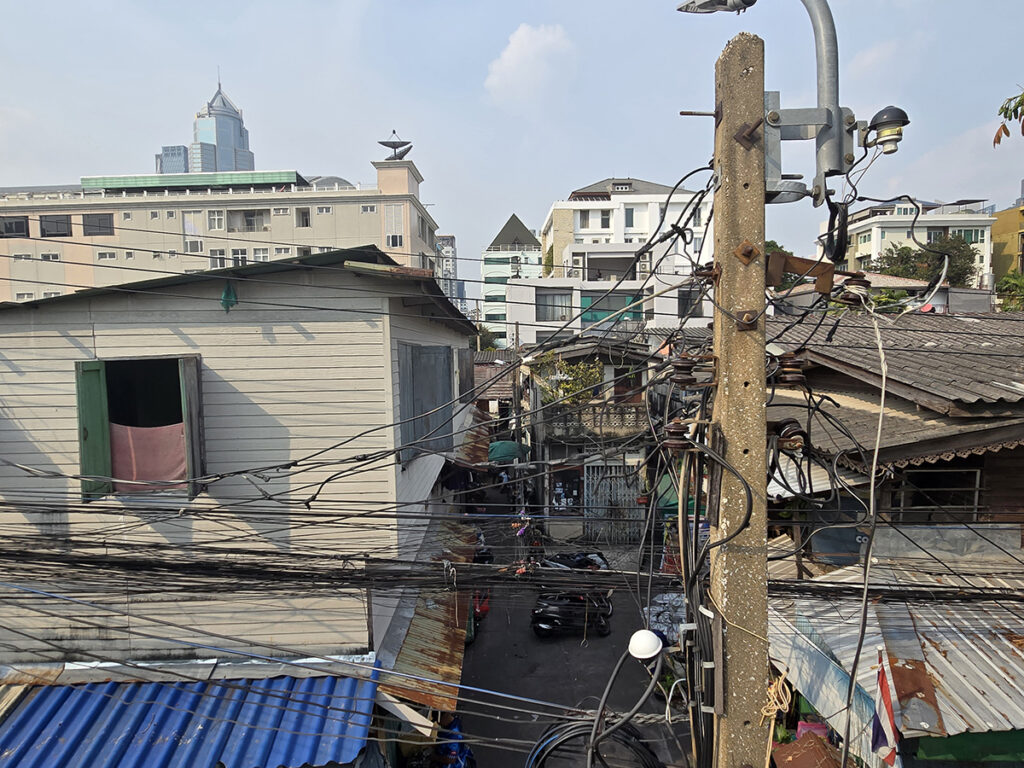
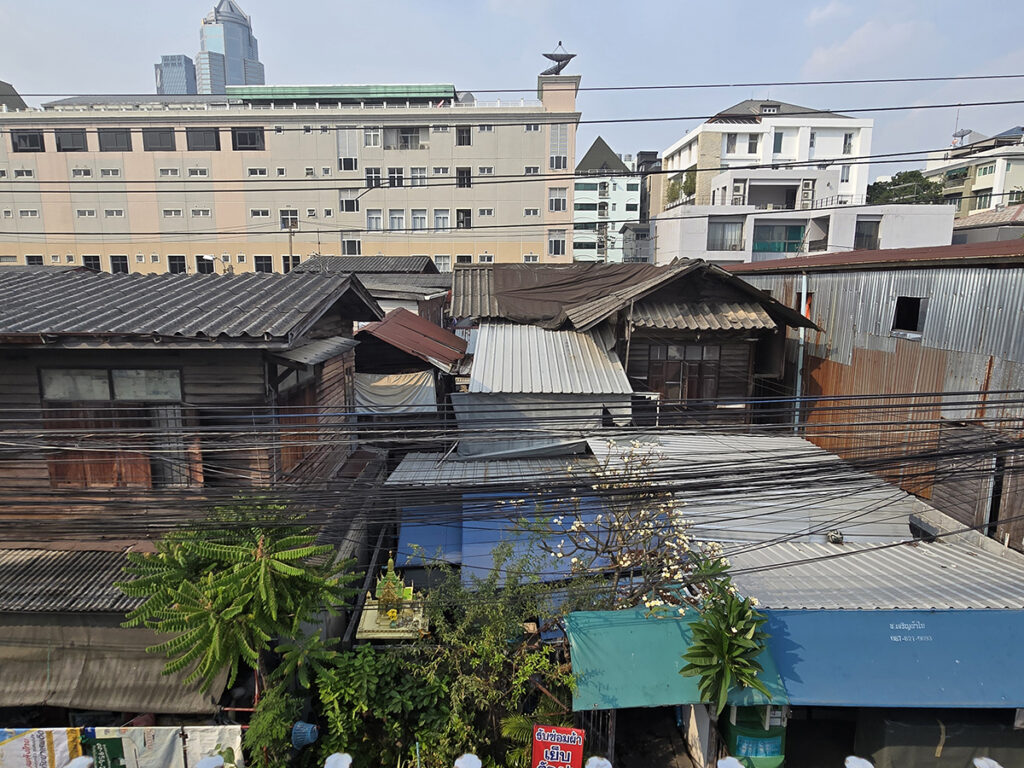
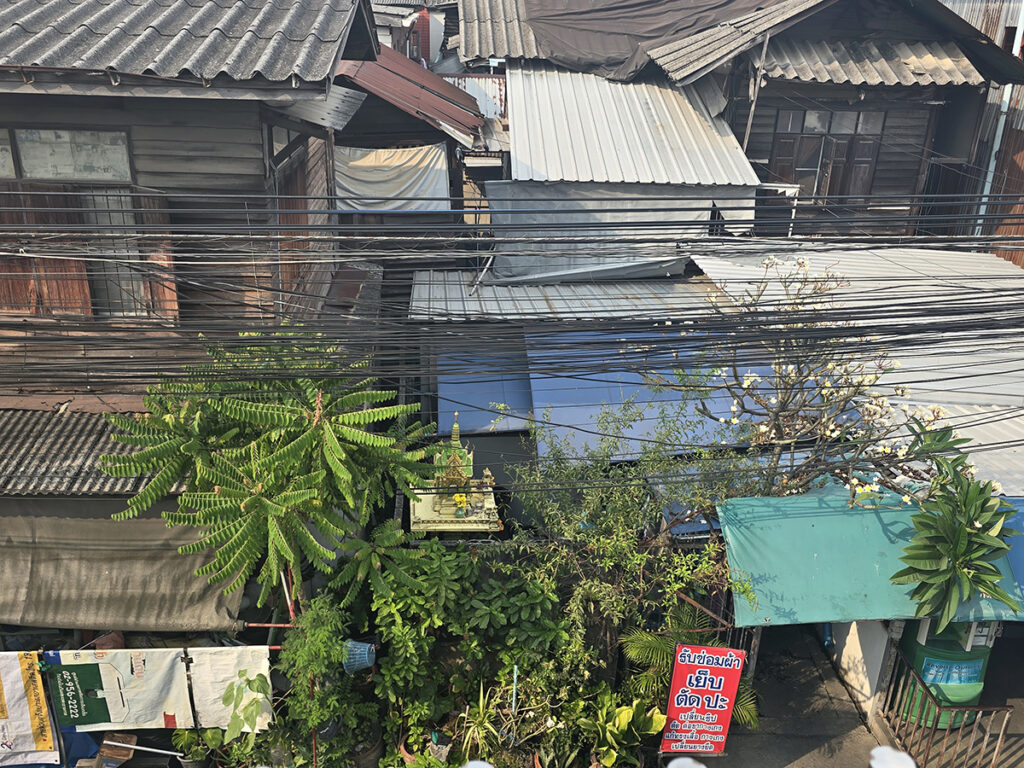
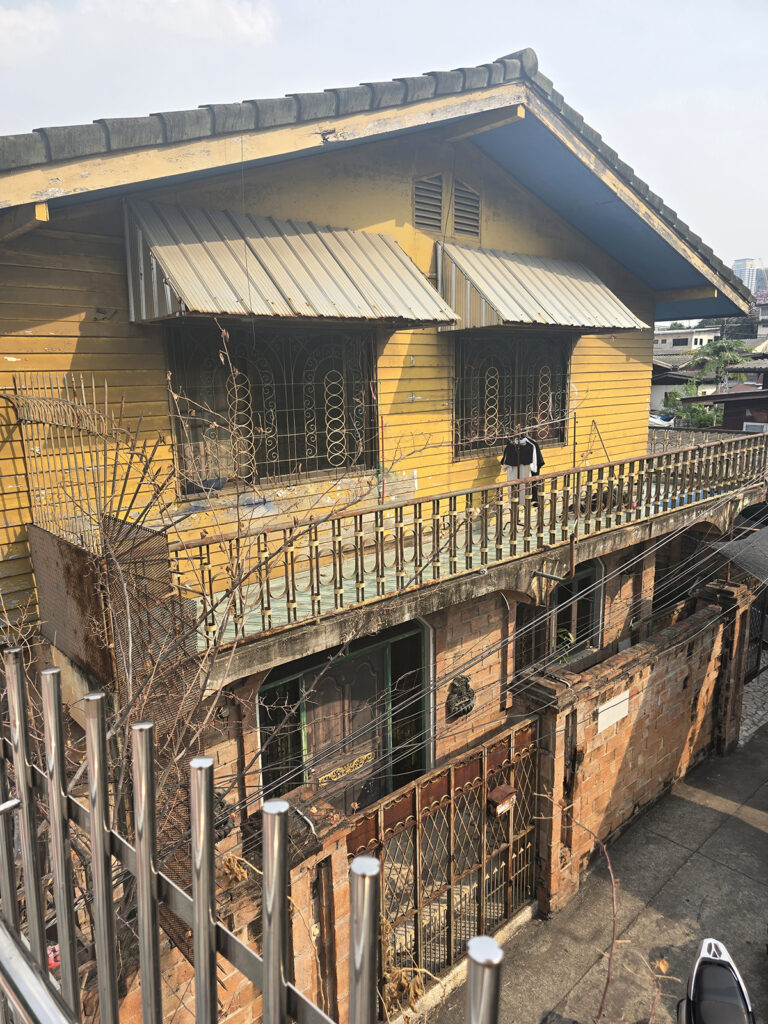
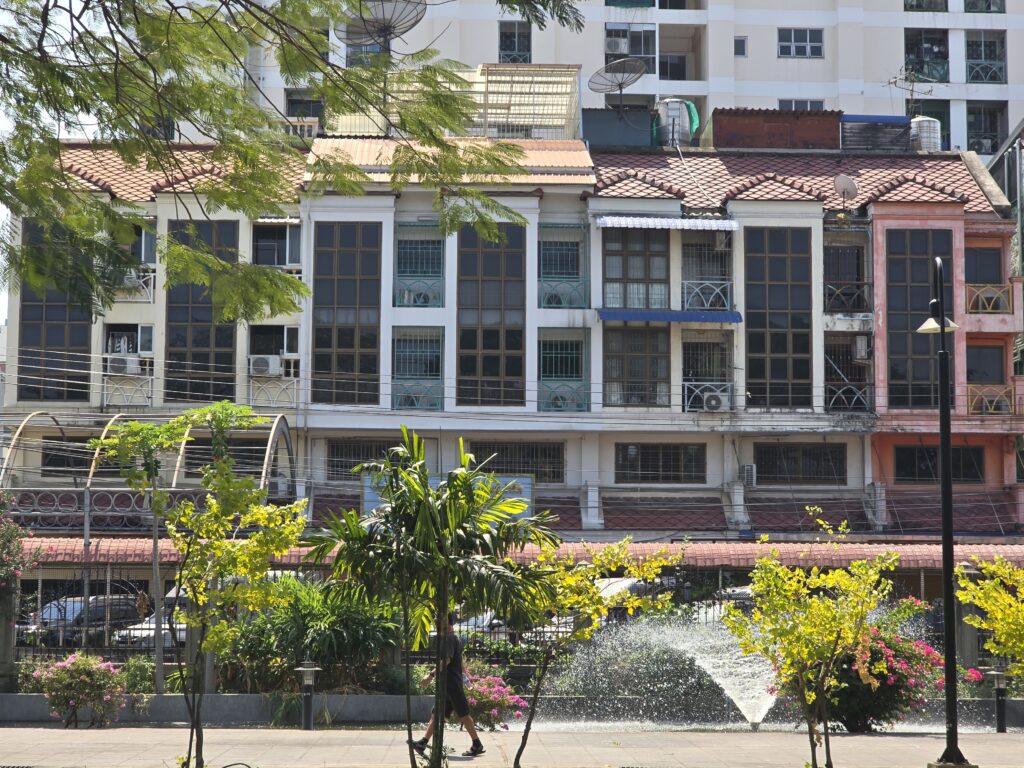
On your way between parks, there is a district with traditional Thai houses
Chulalongkorn University Museum of Natural History
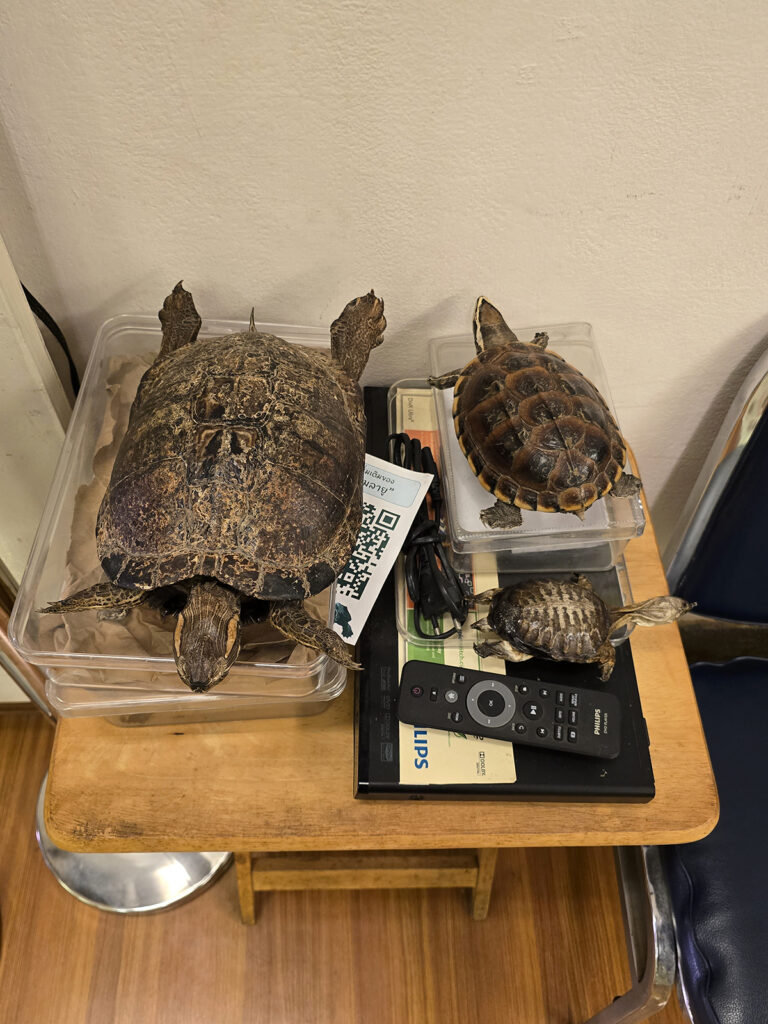
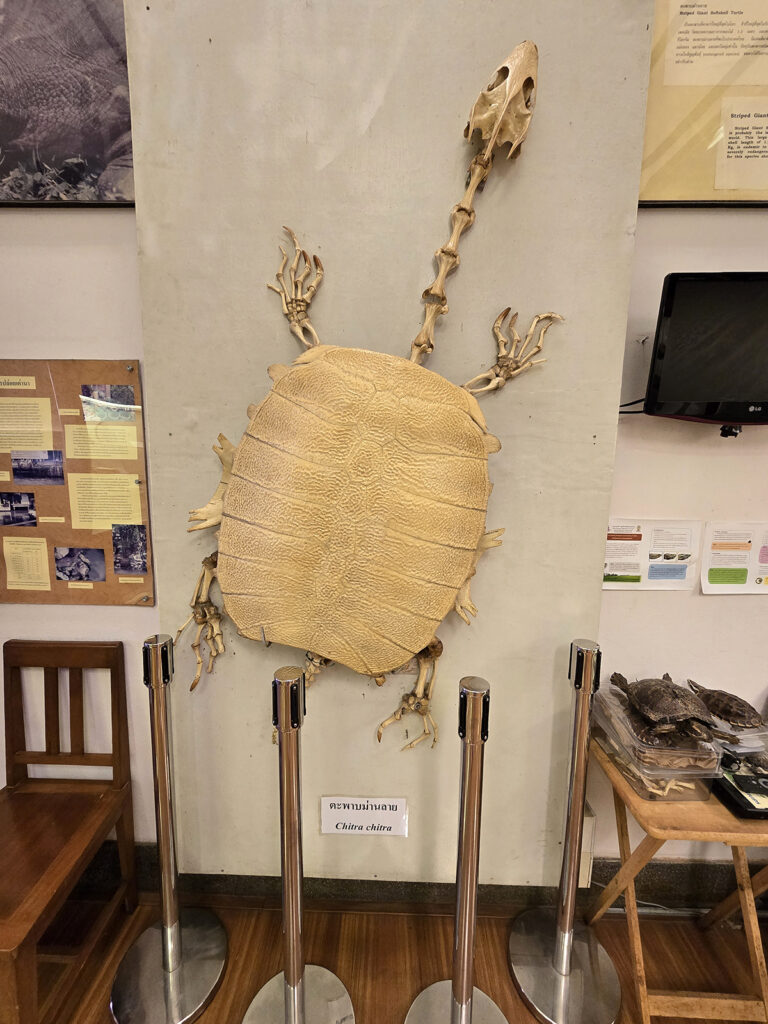
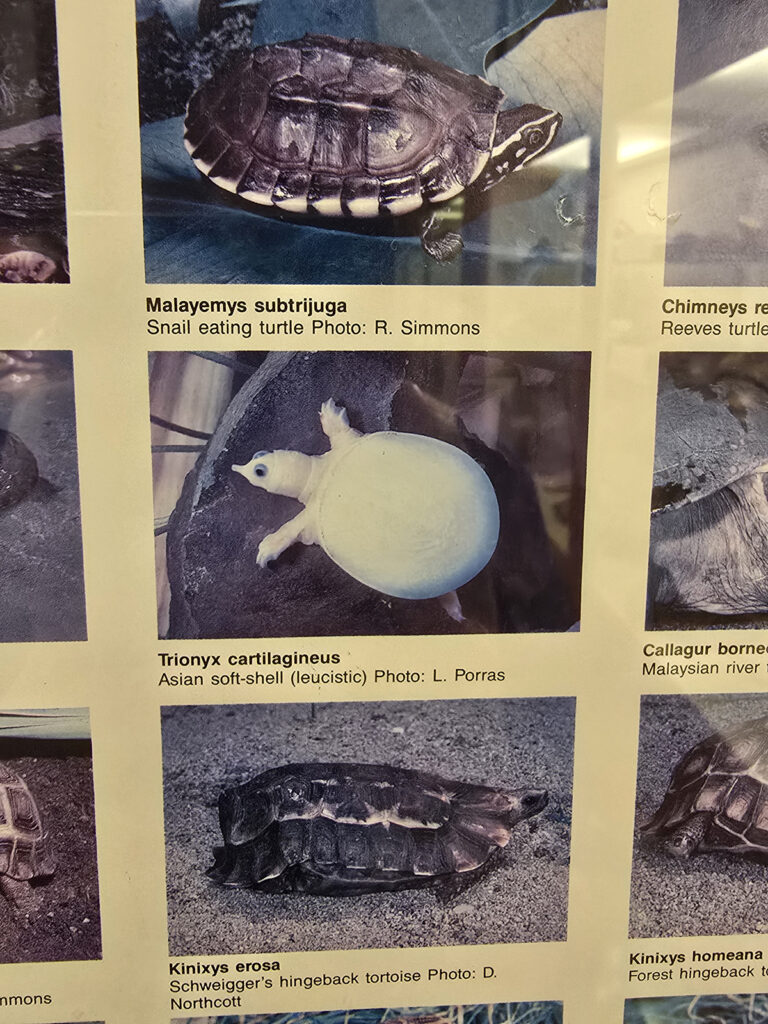
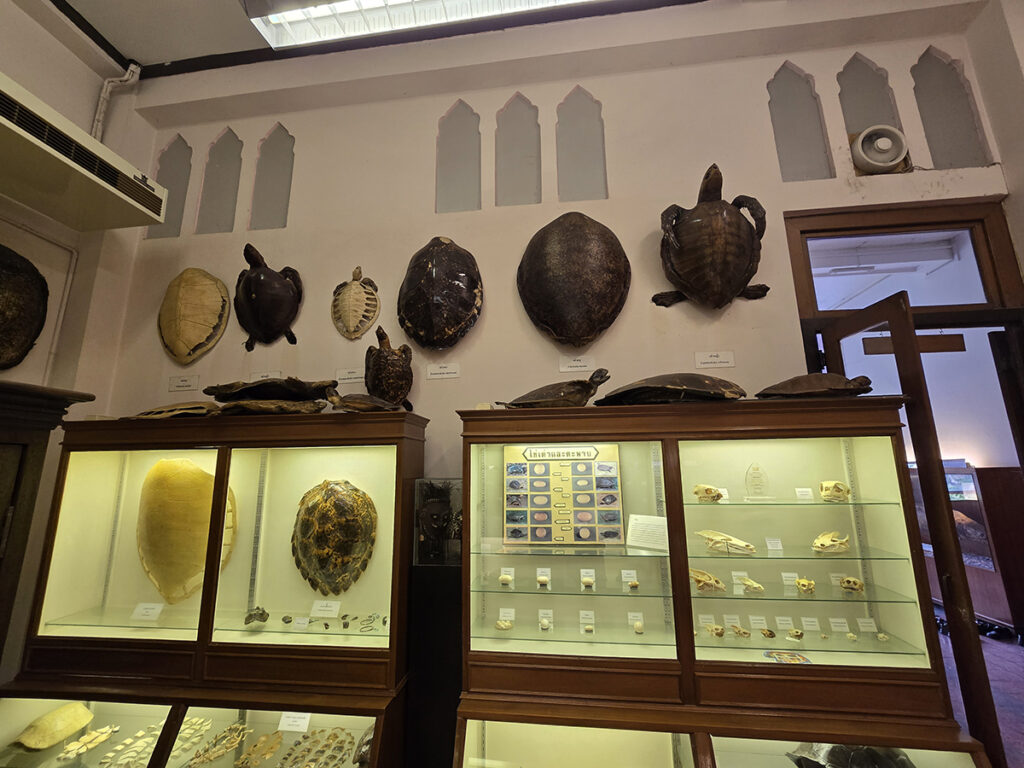
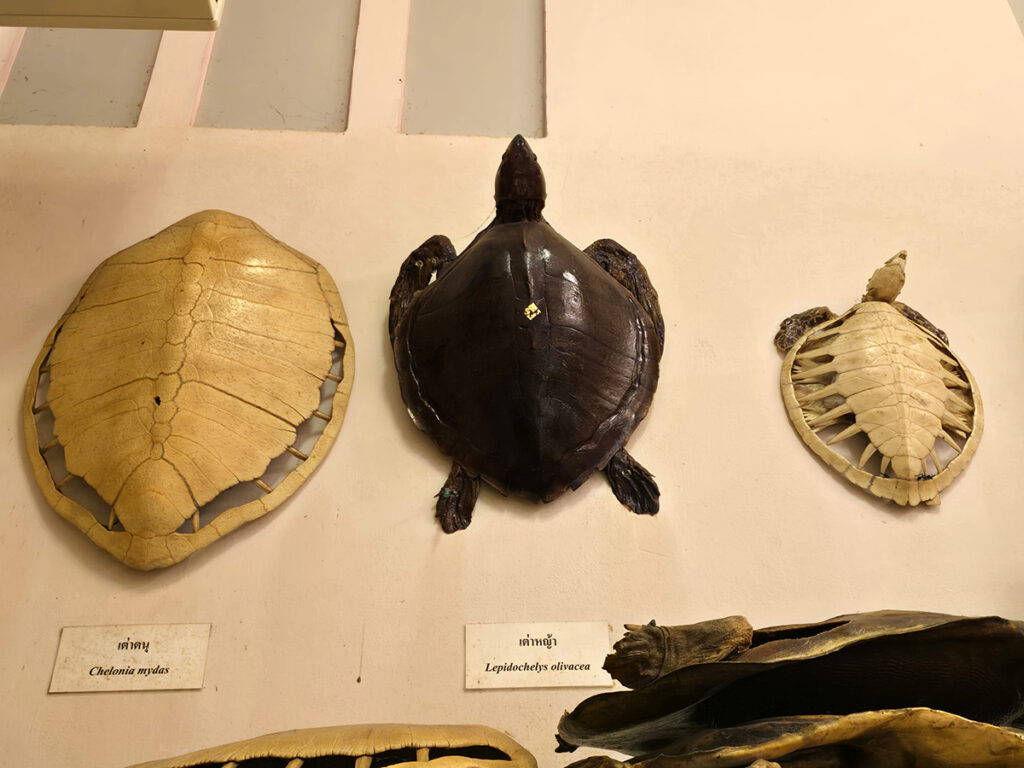
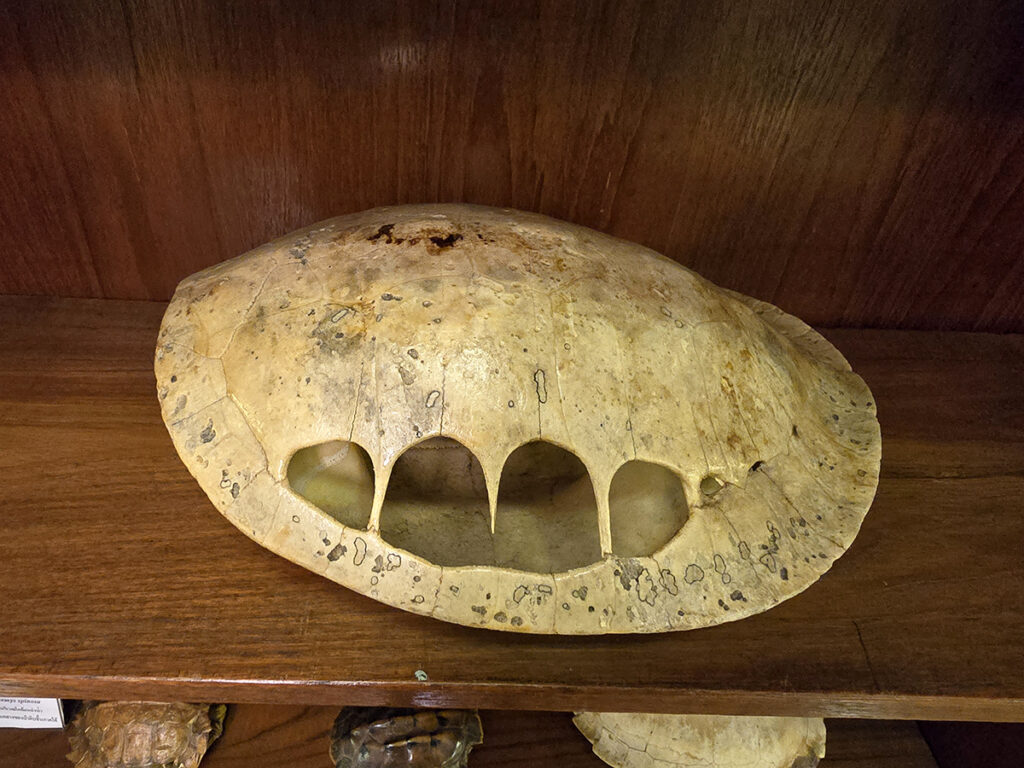
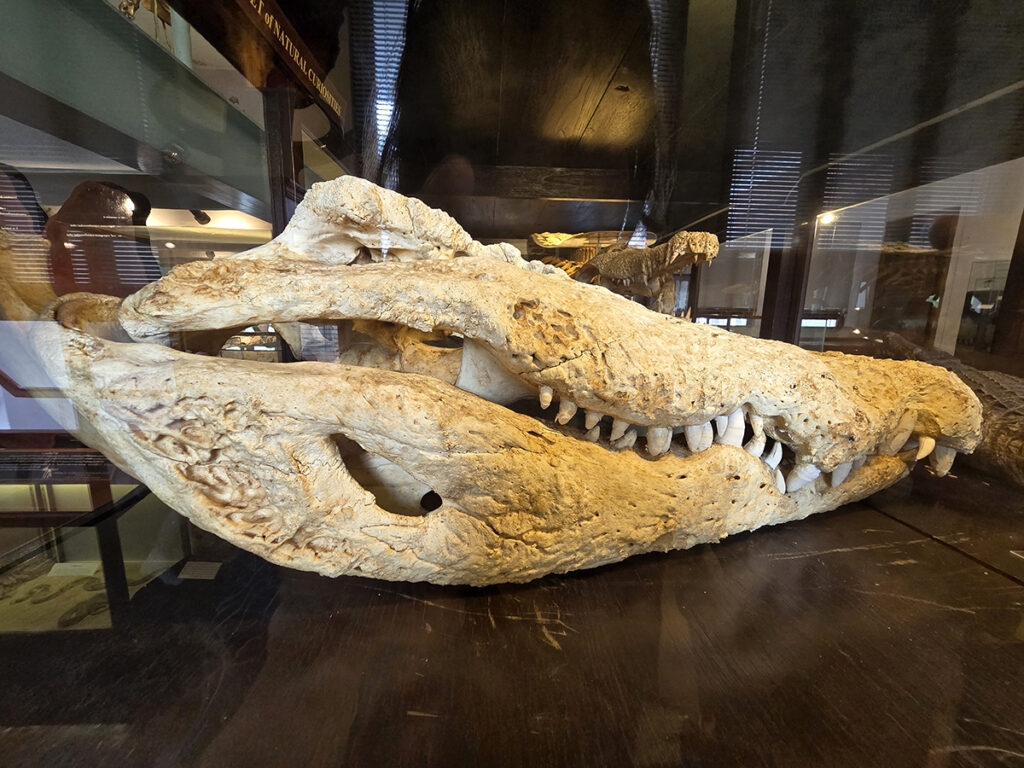
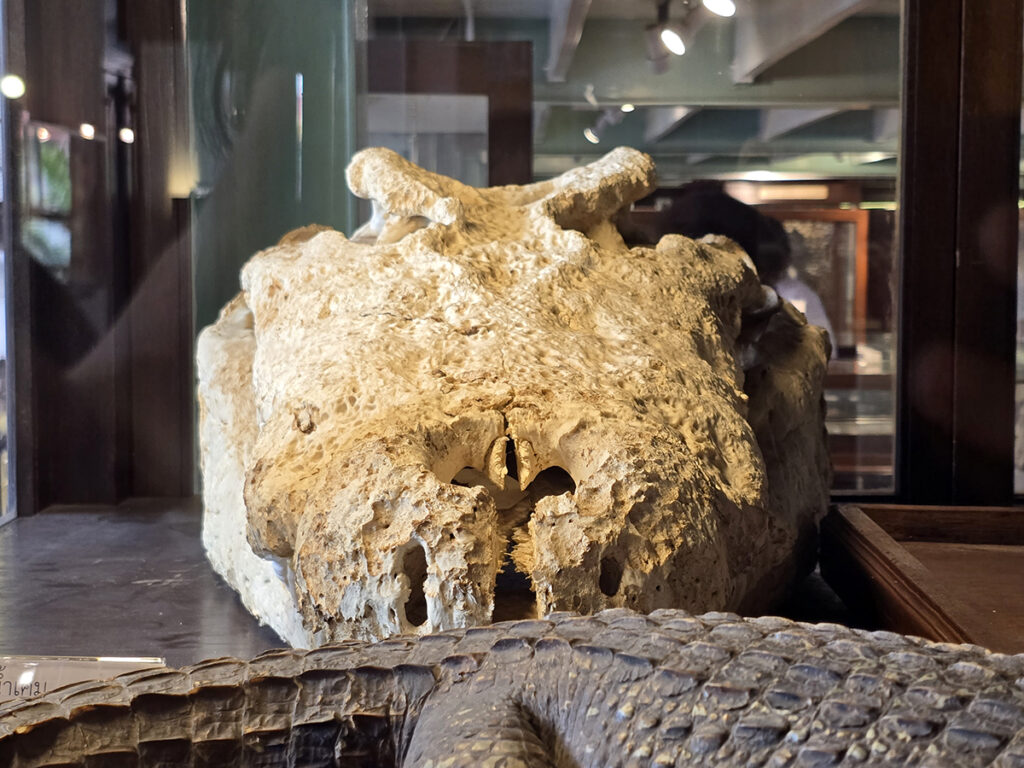
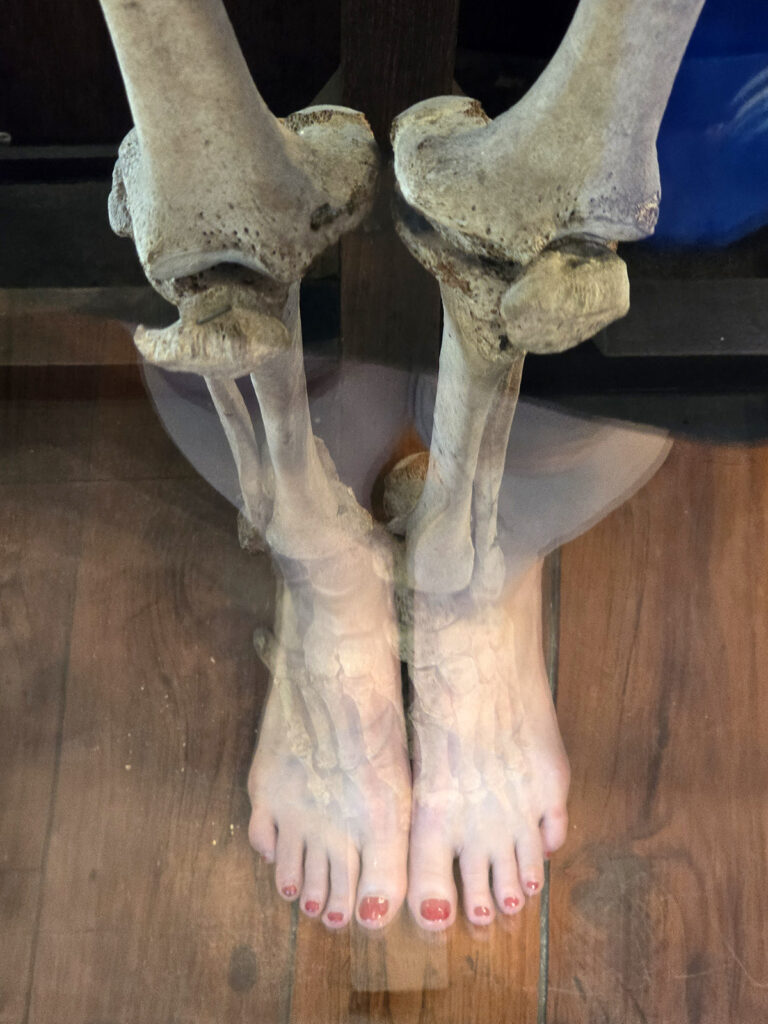
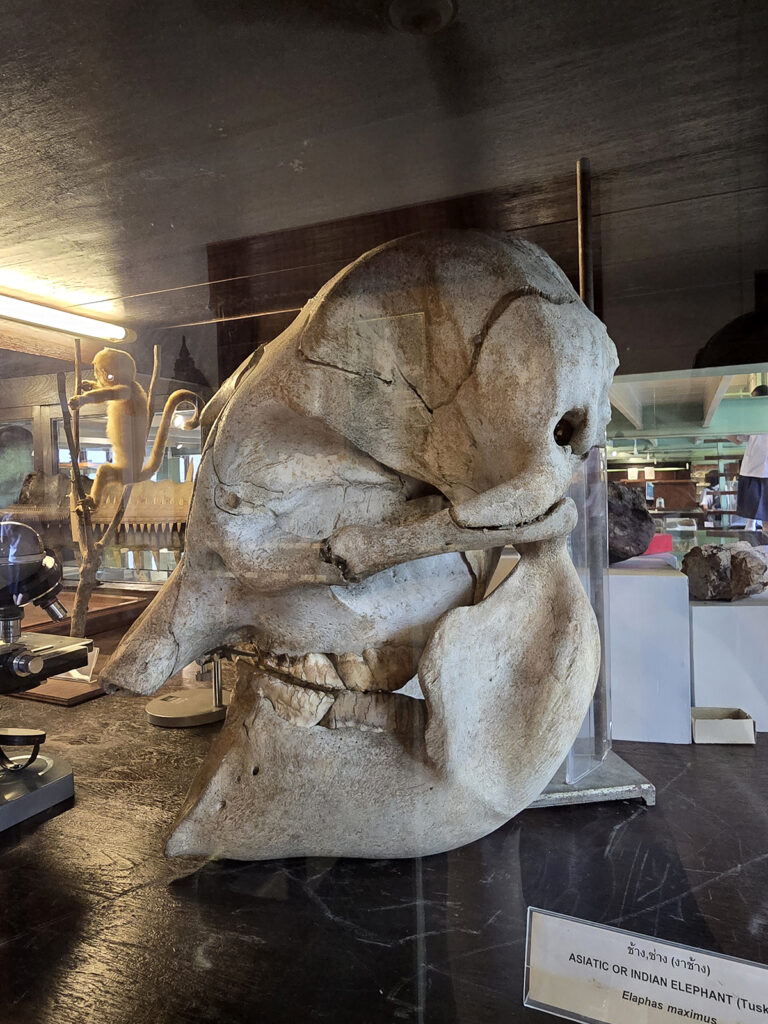
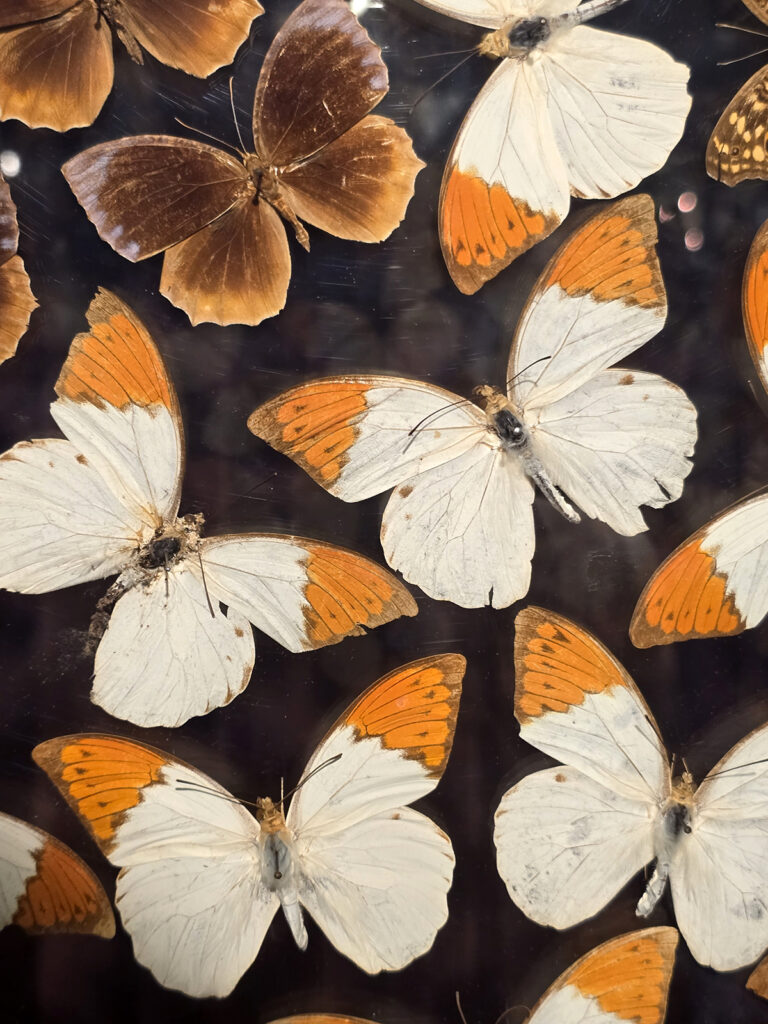
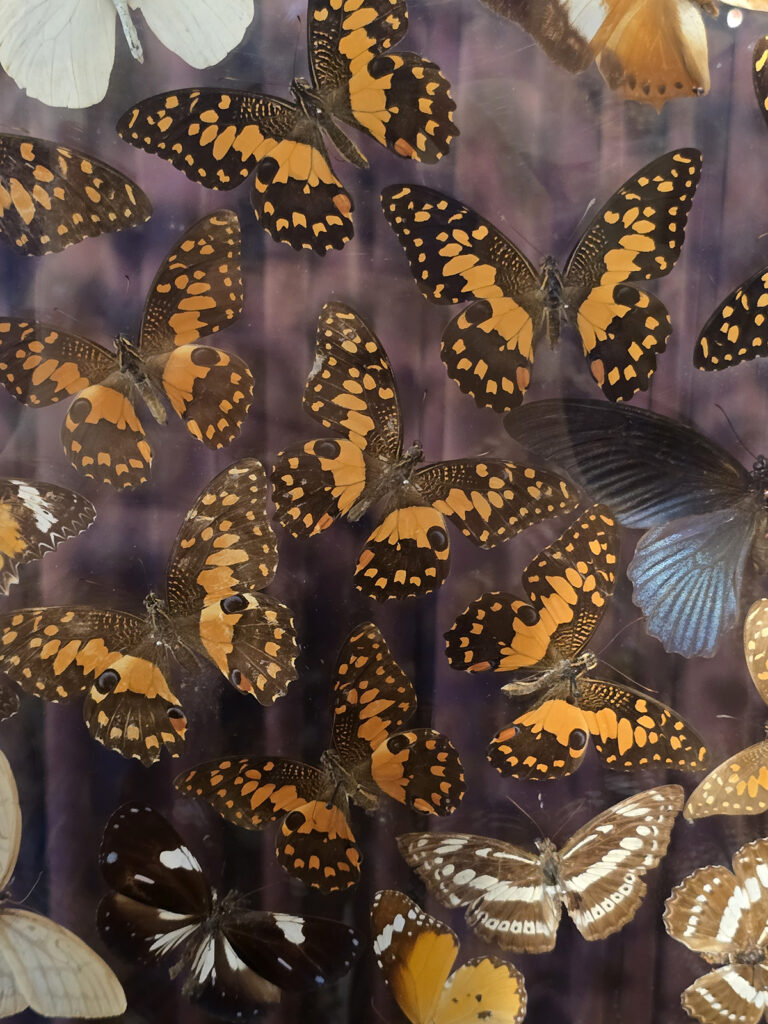
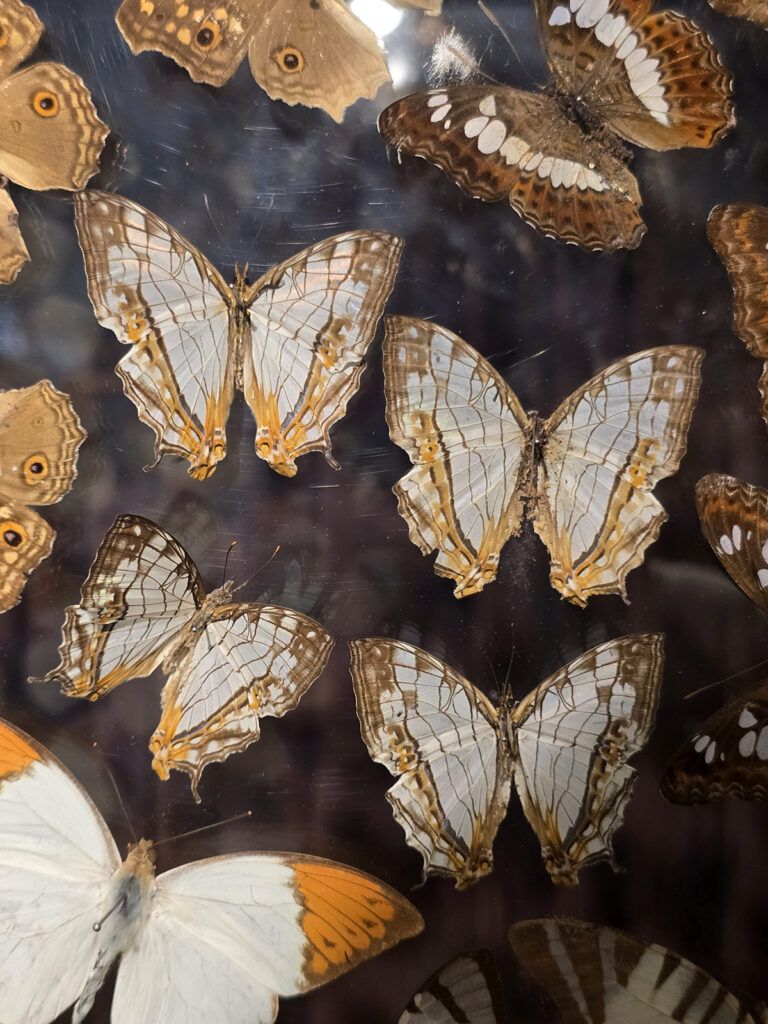
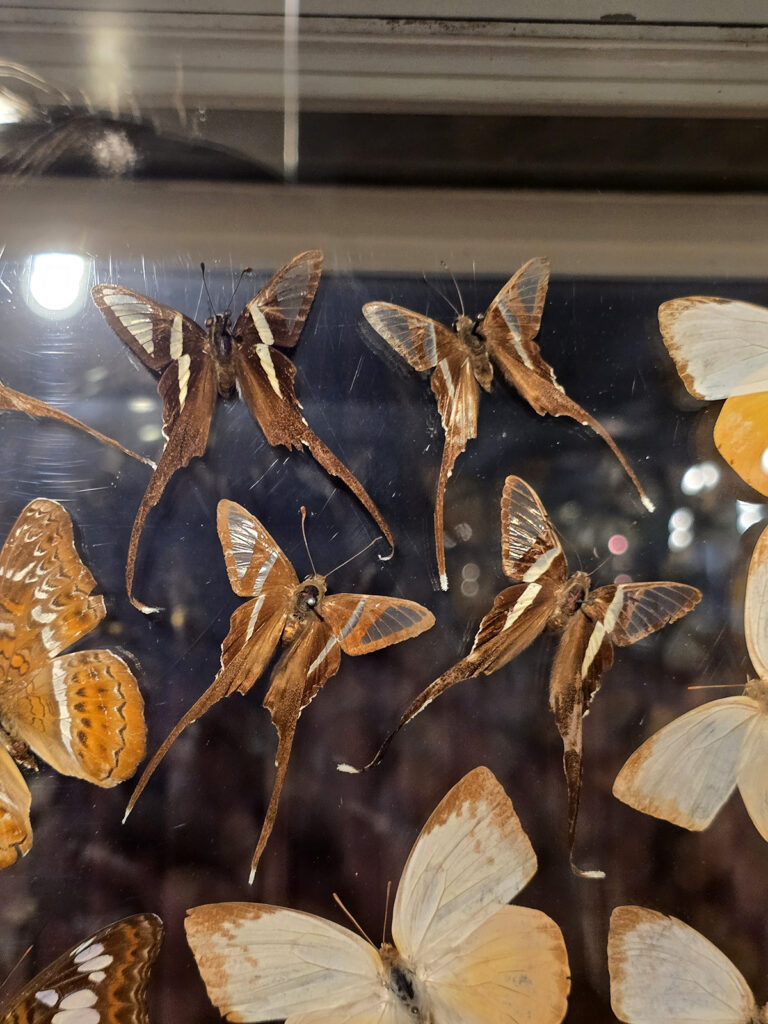
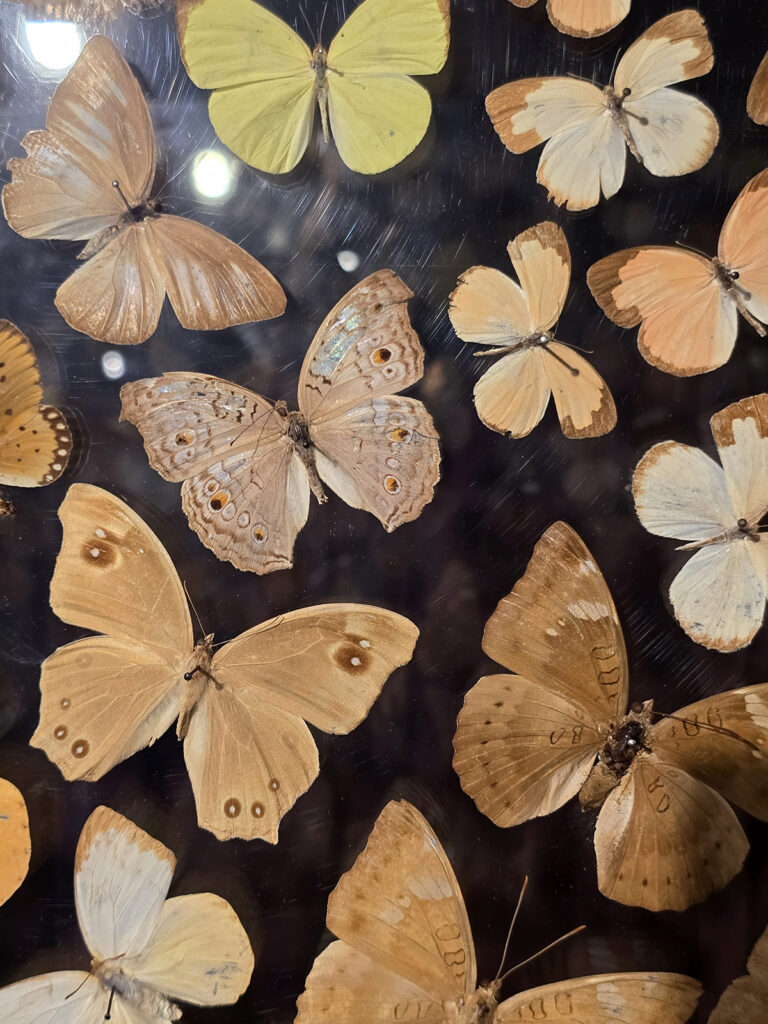
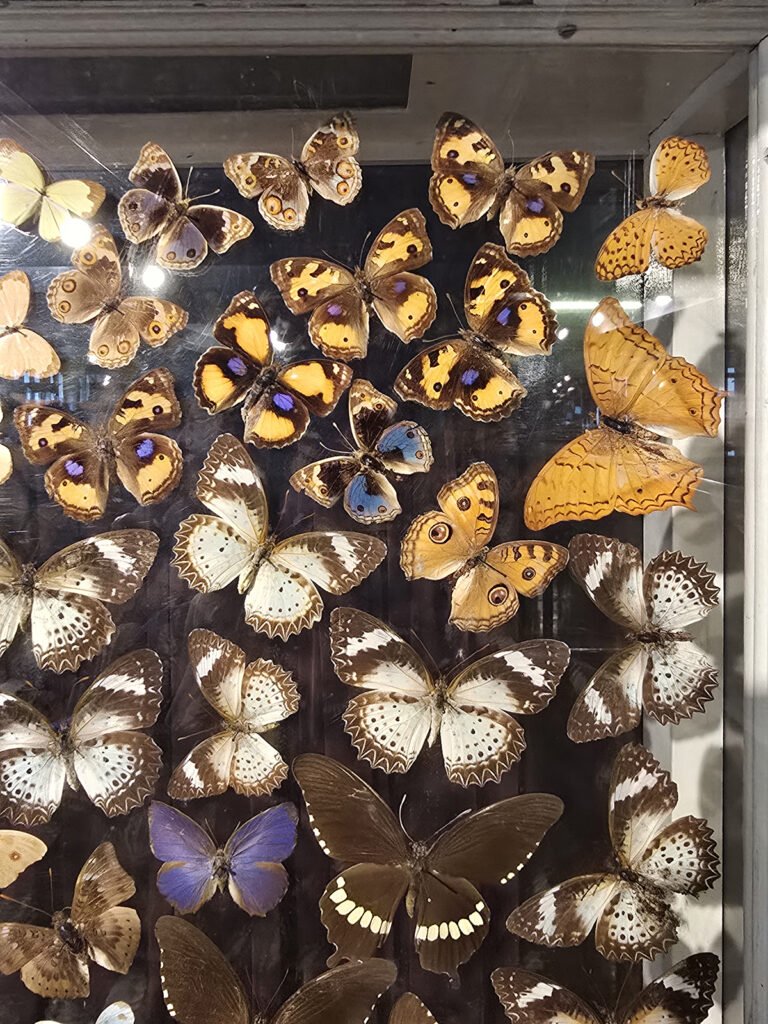
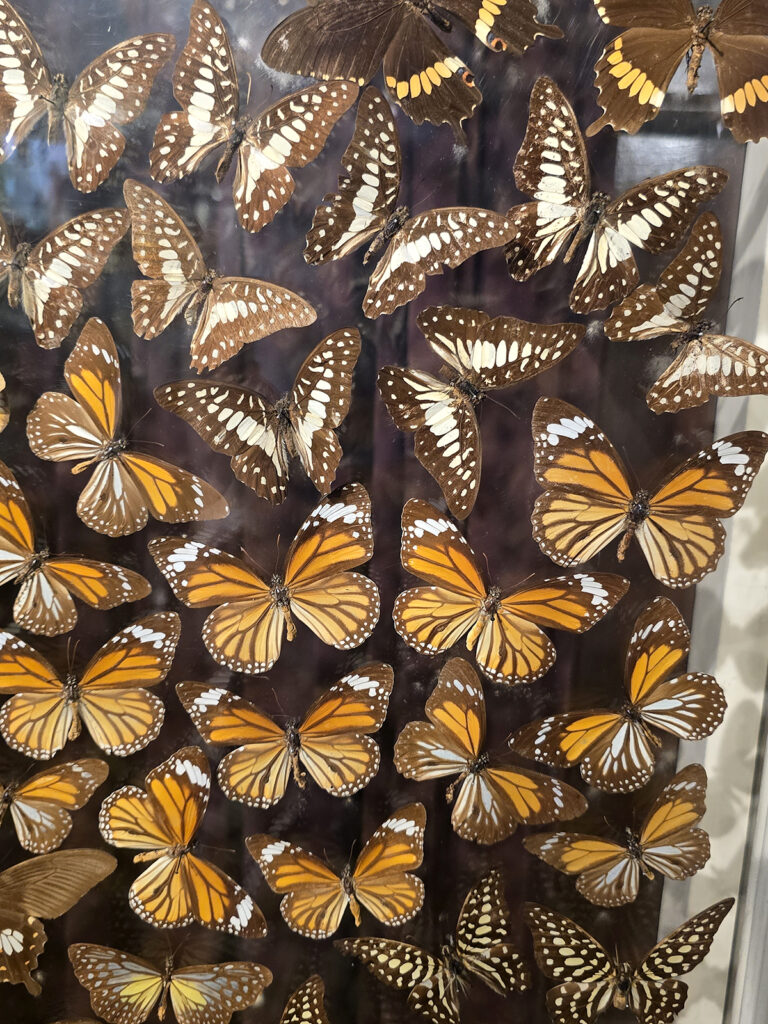
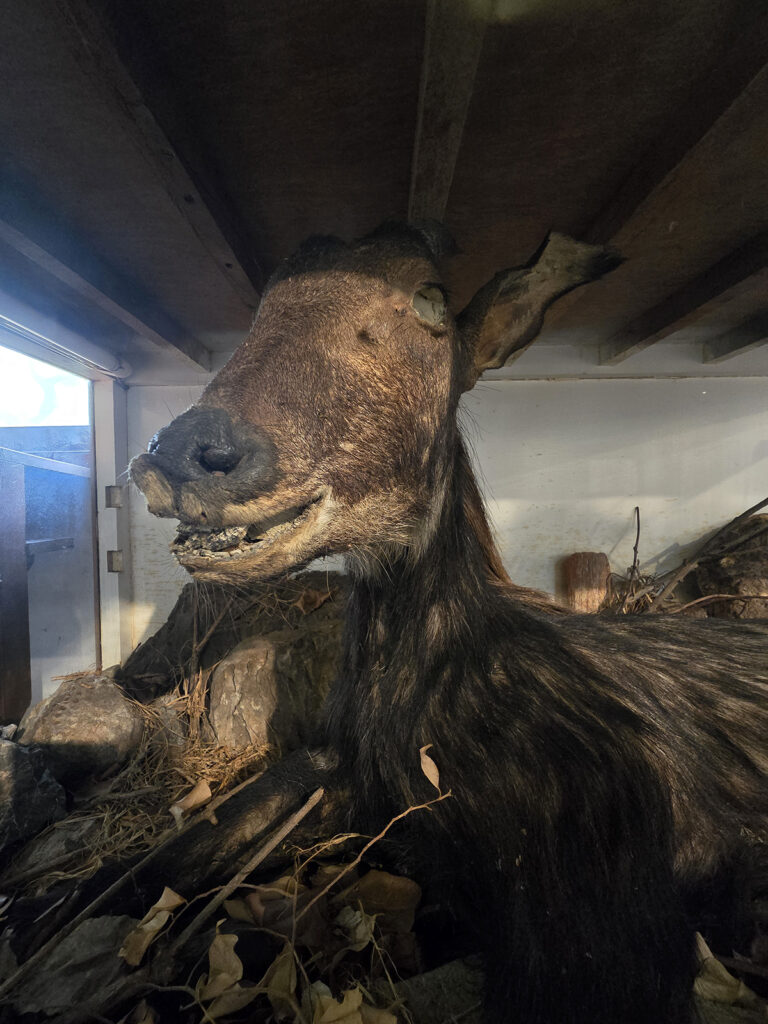
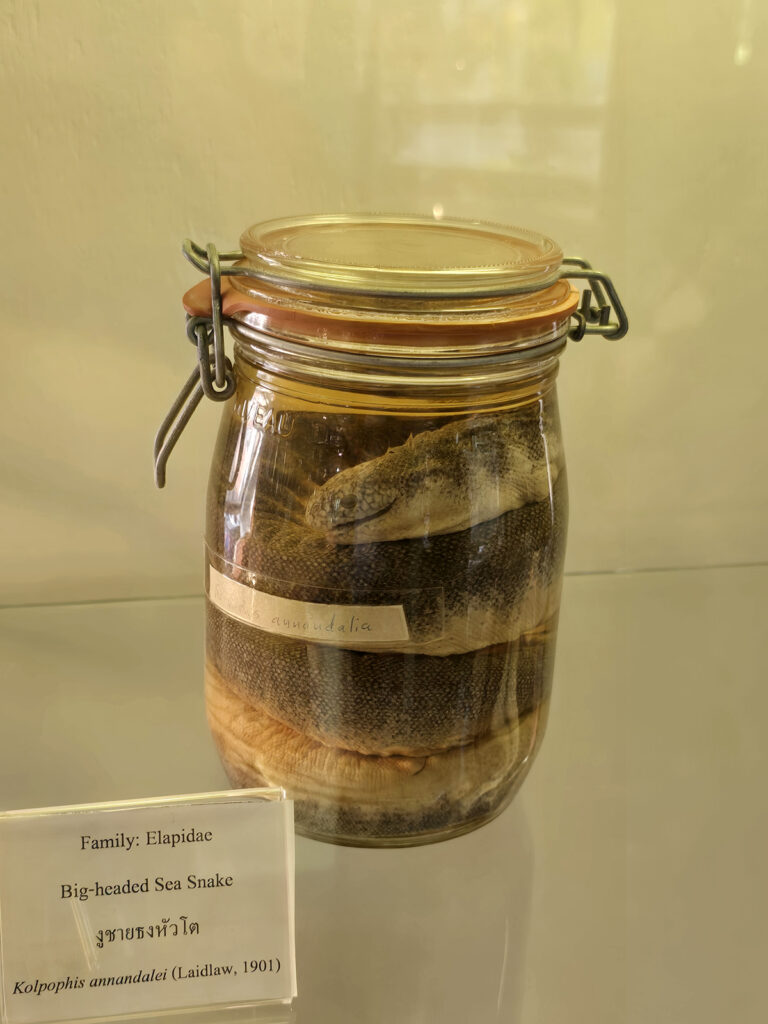
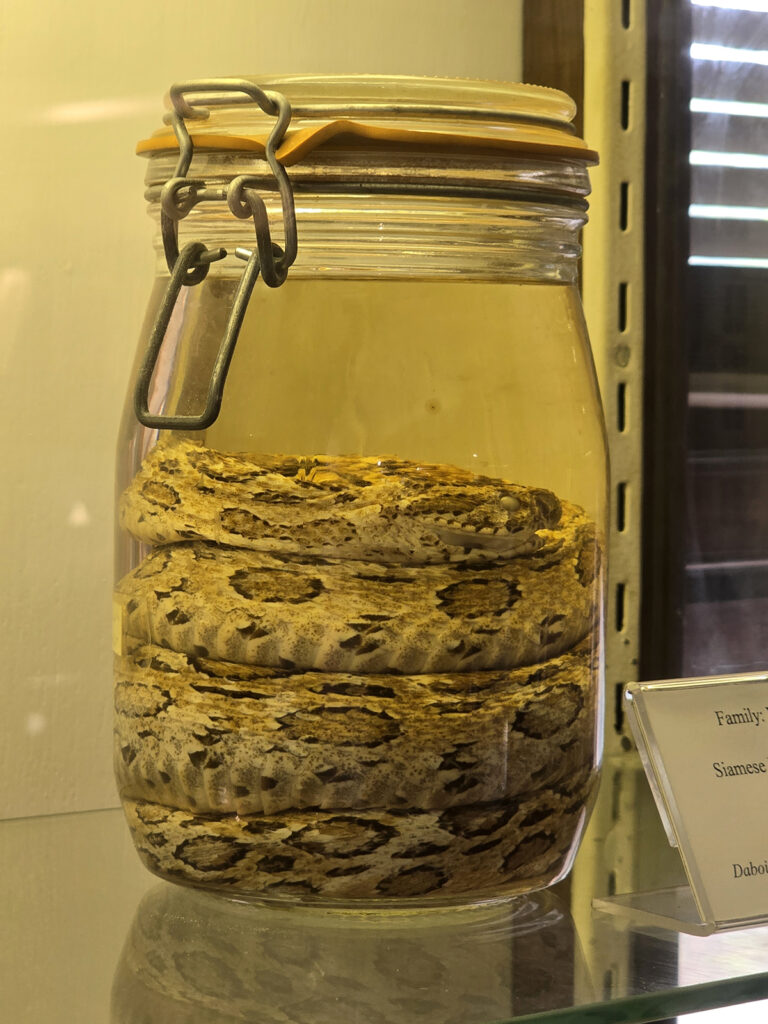
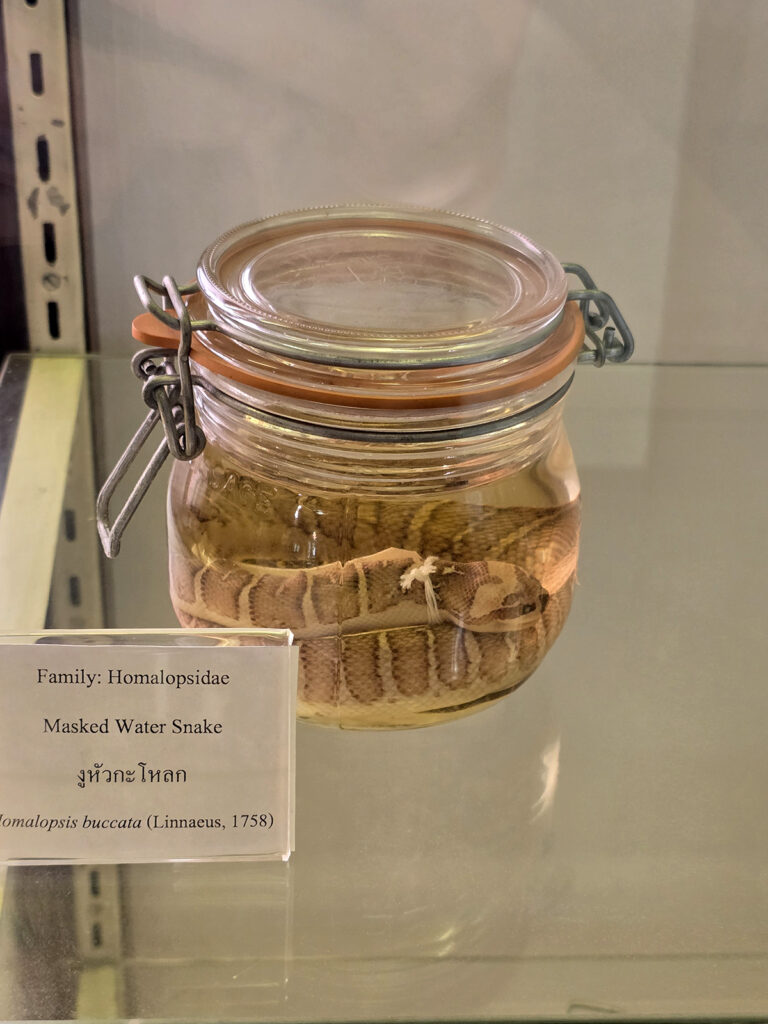
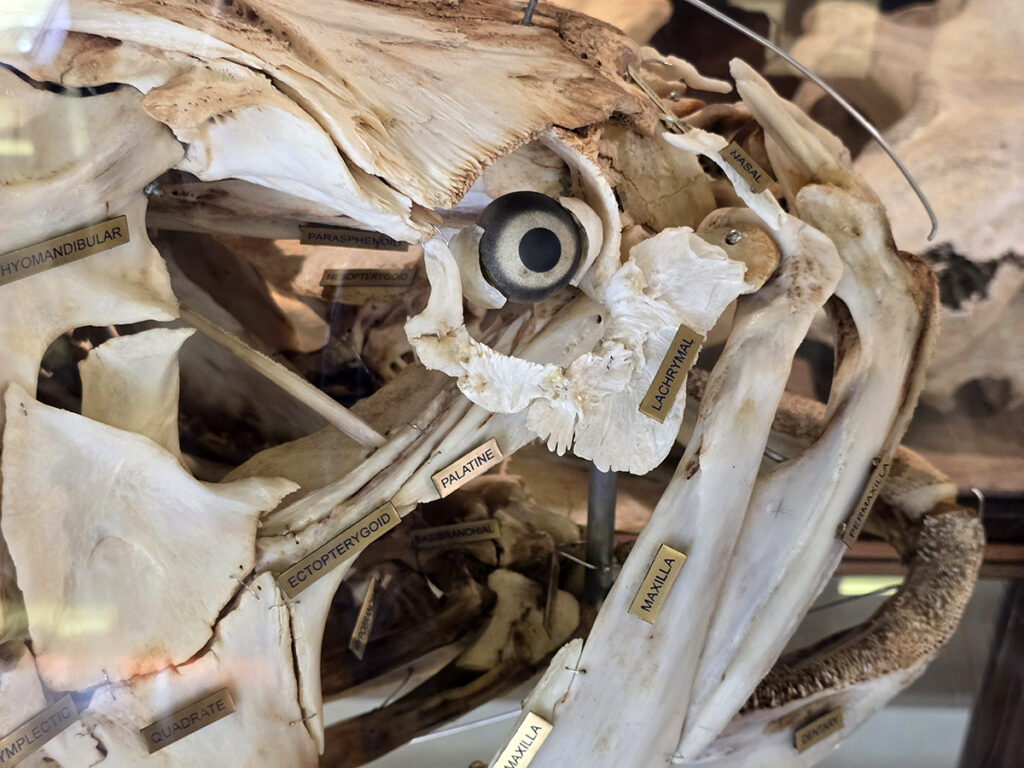
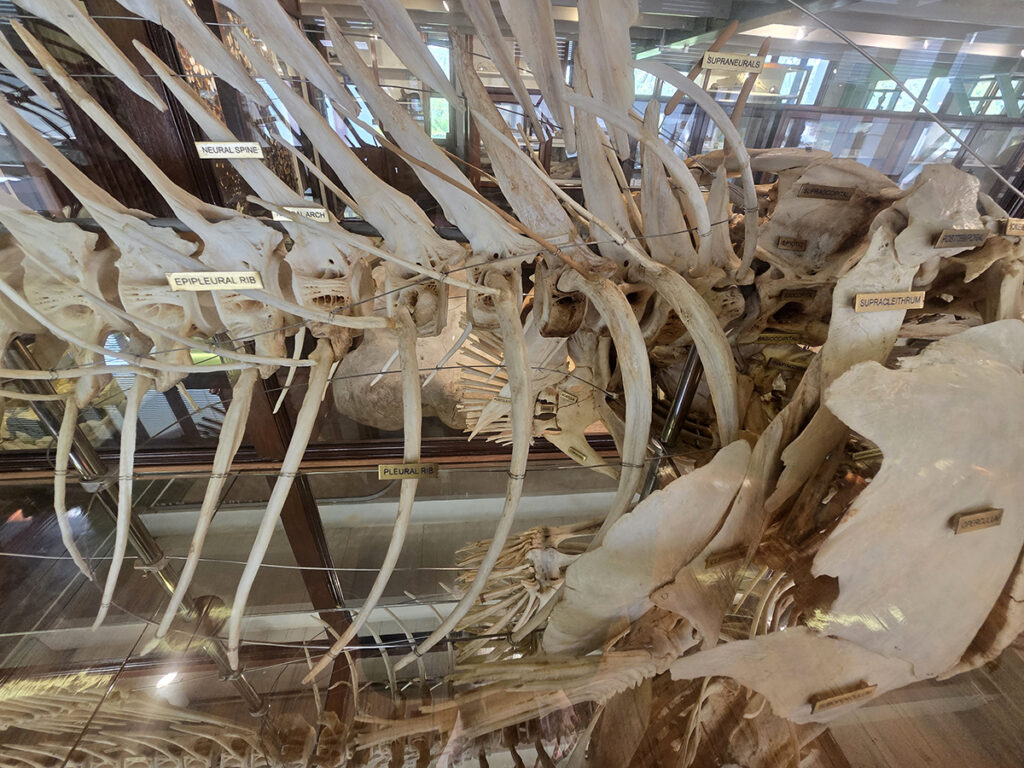
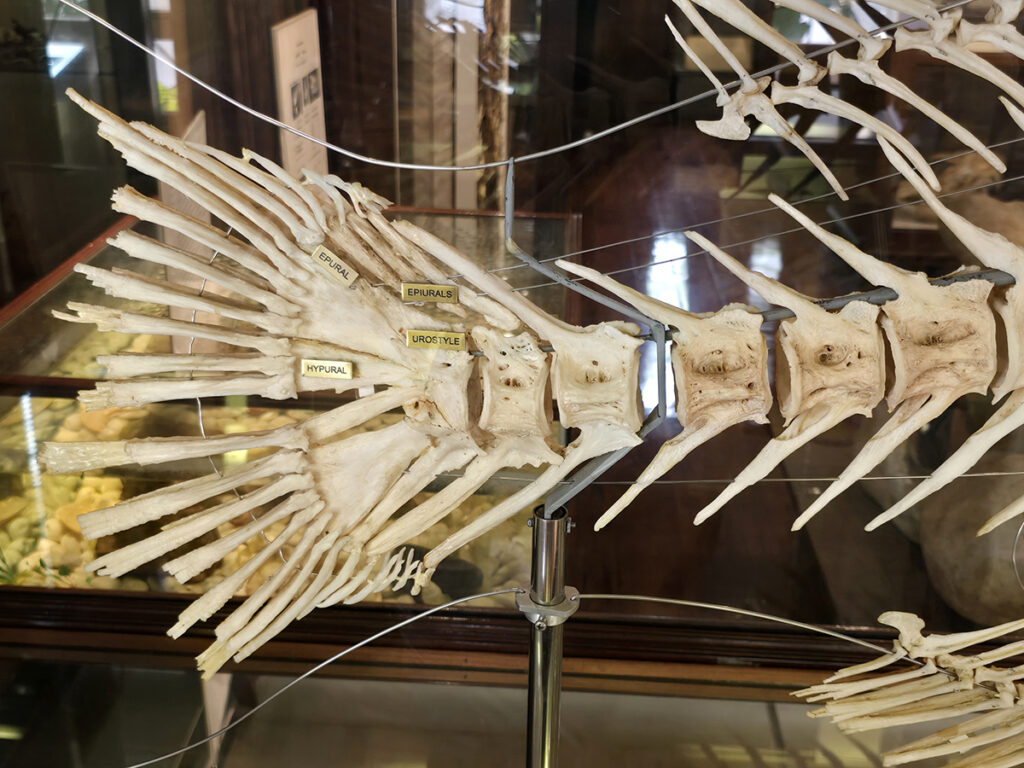
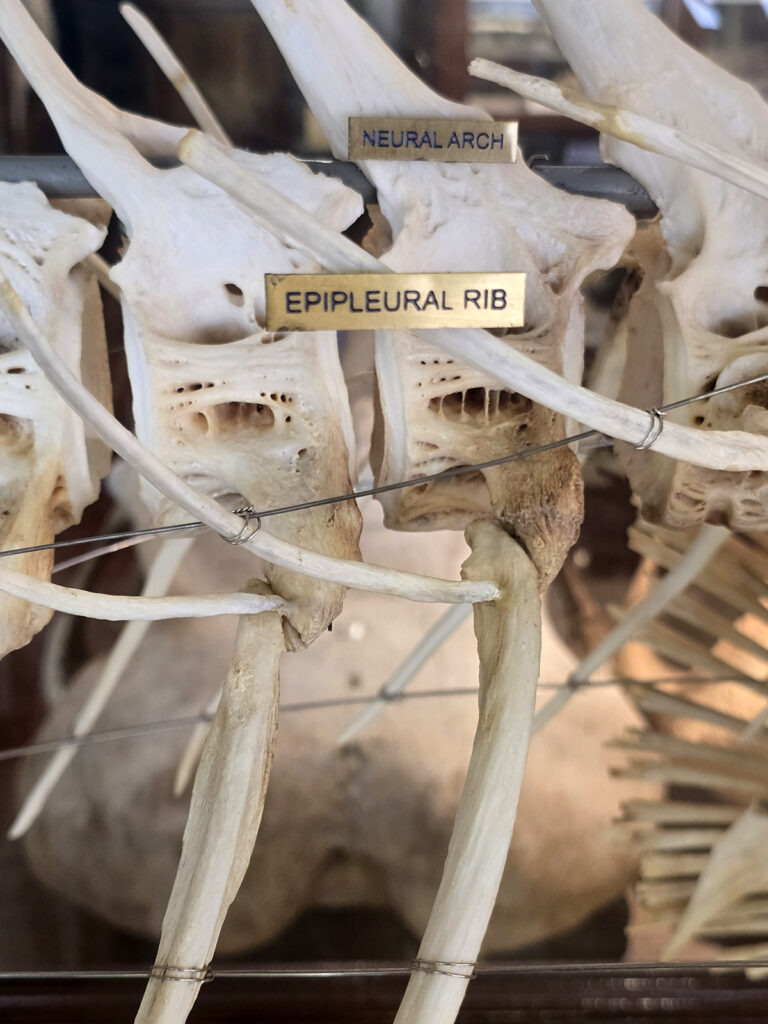
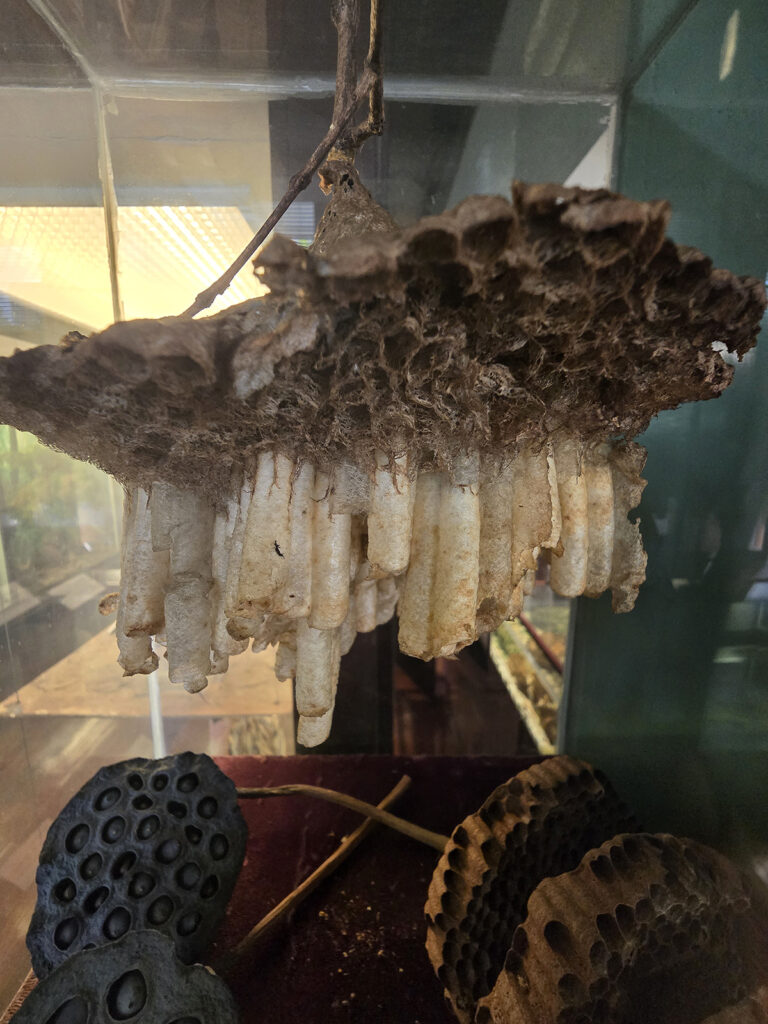
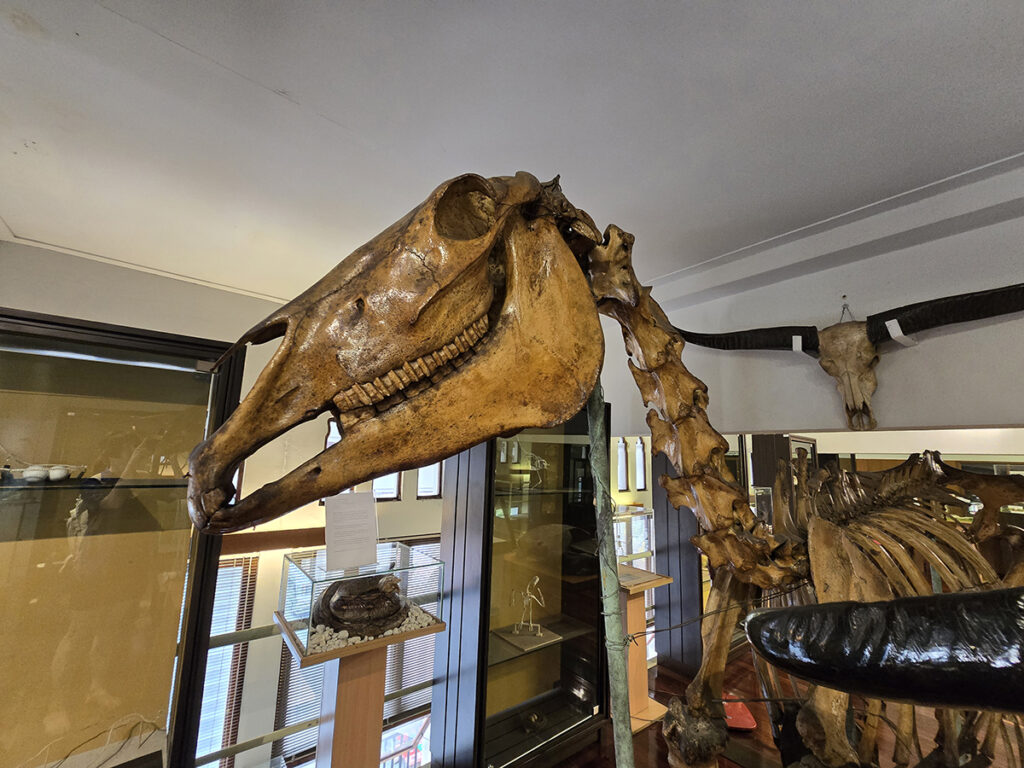
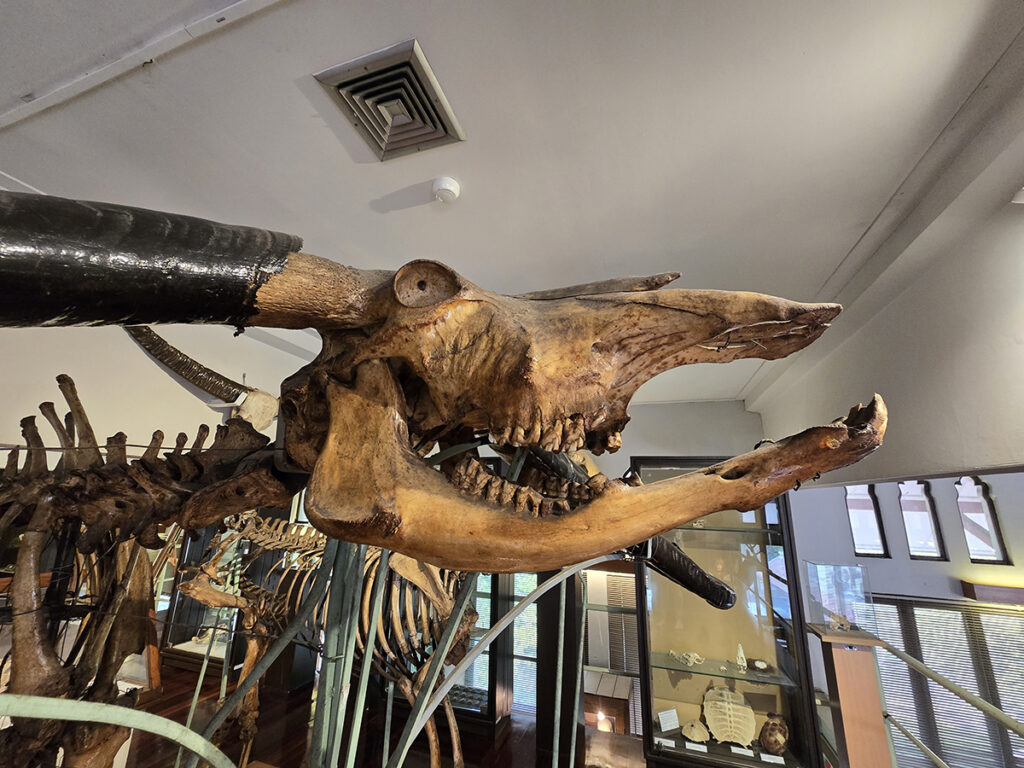
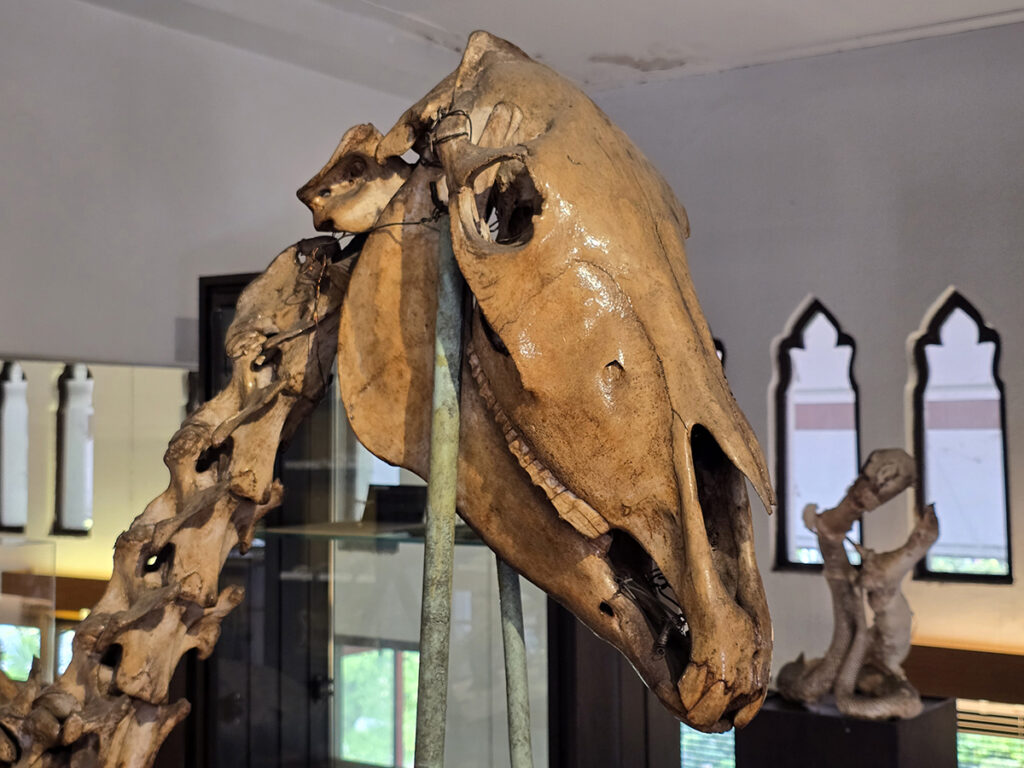
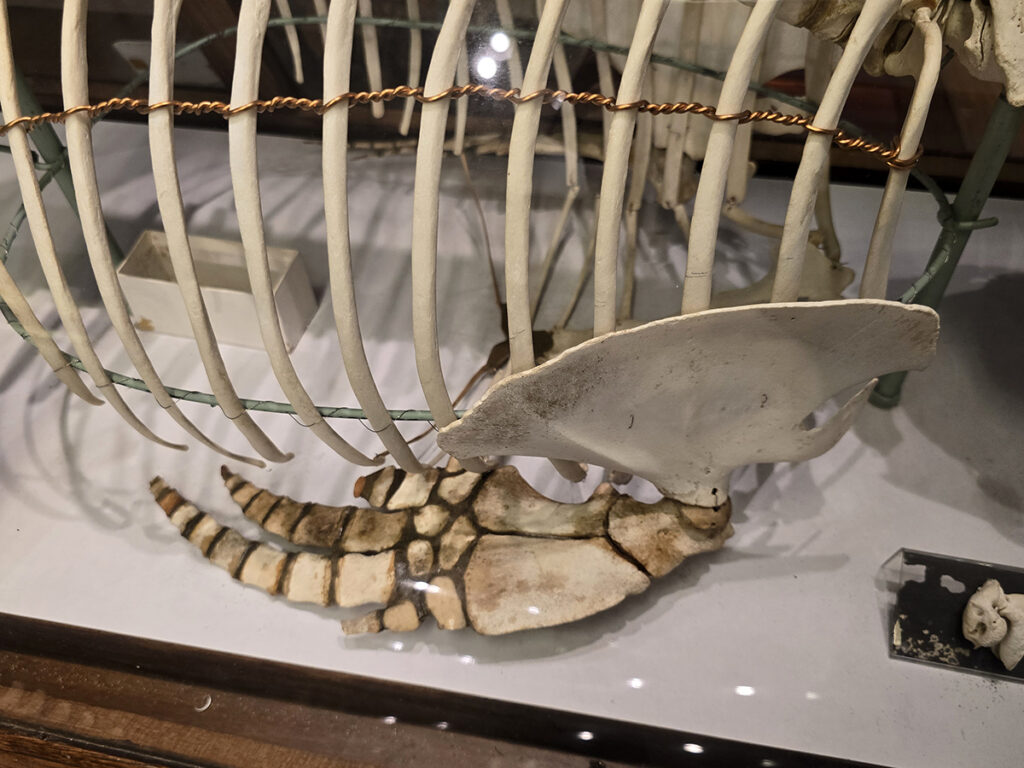
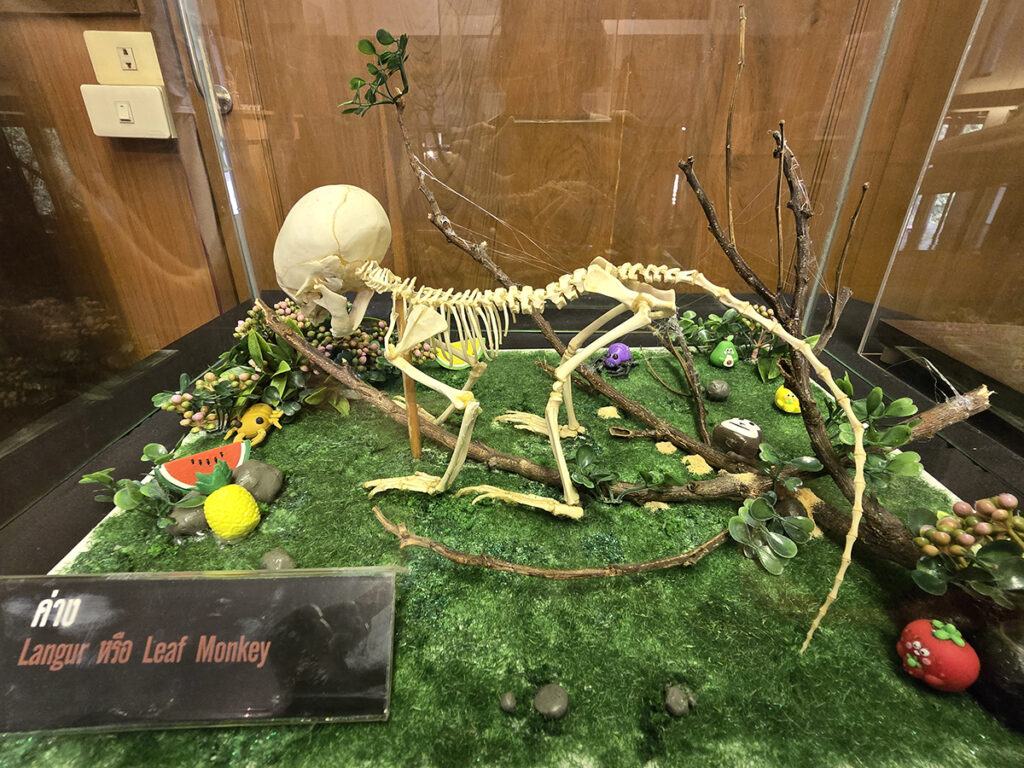
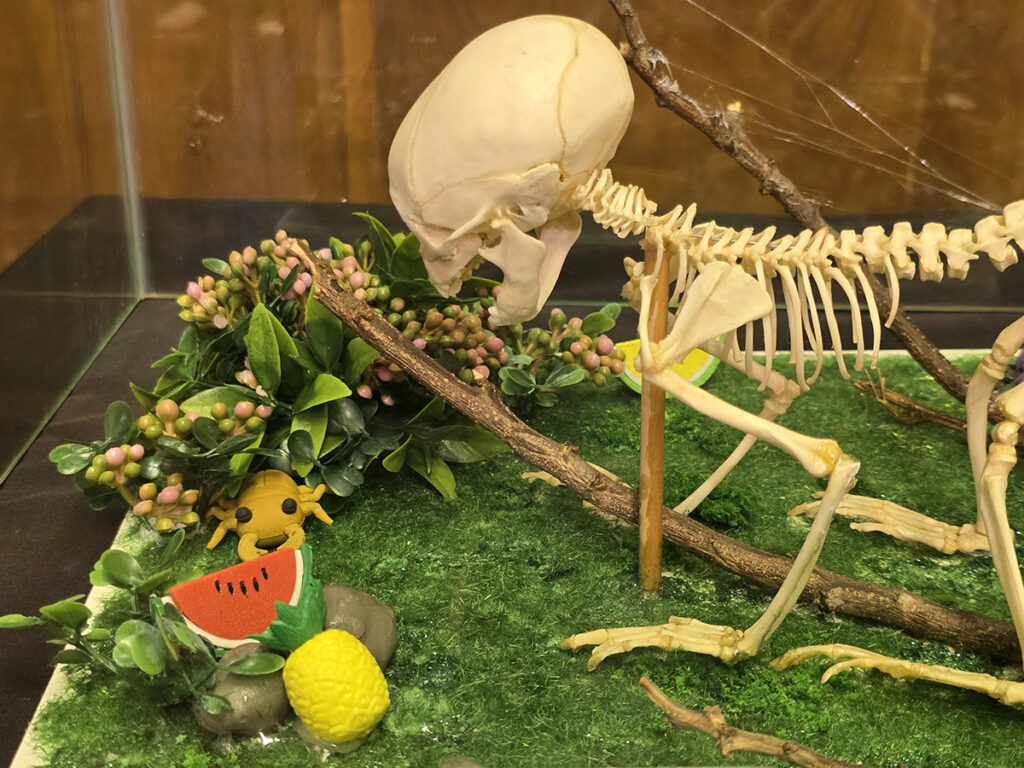
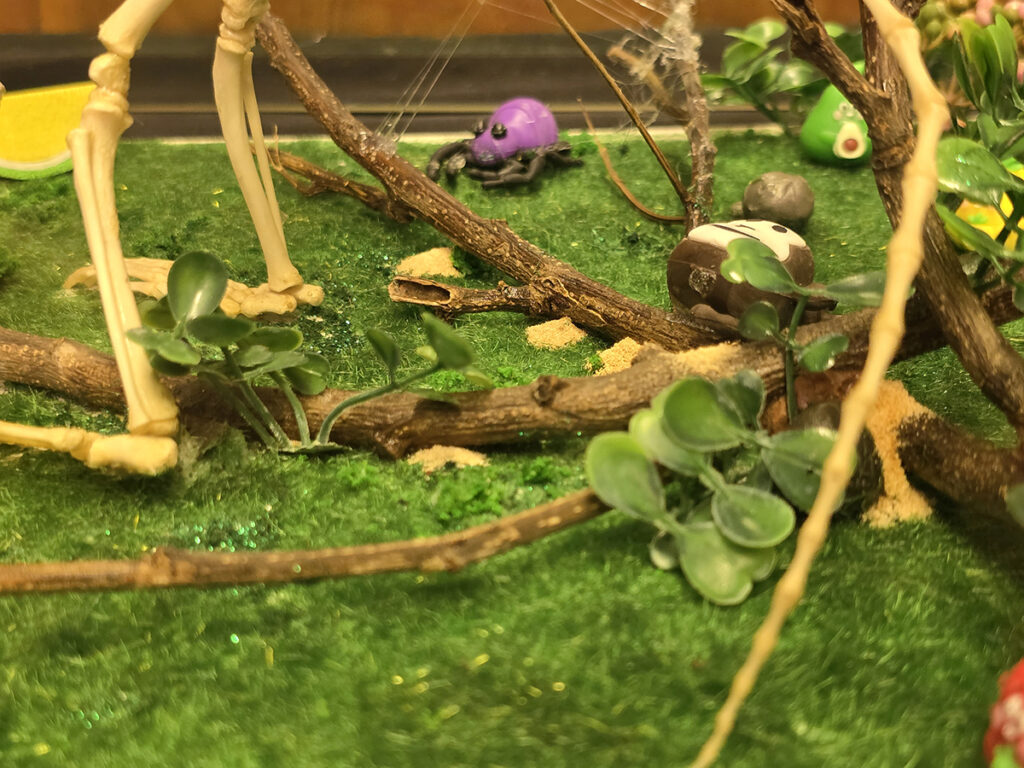
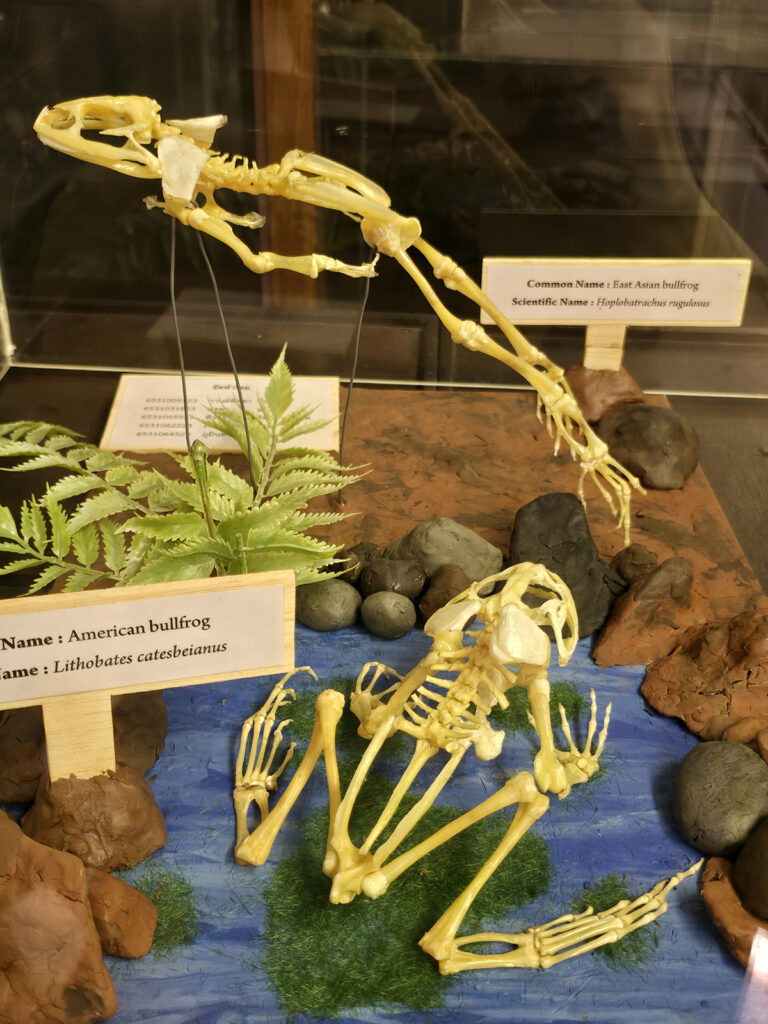
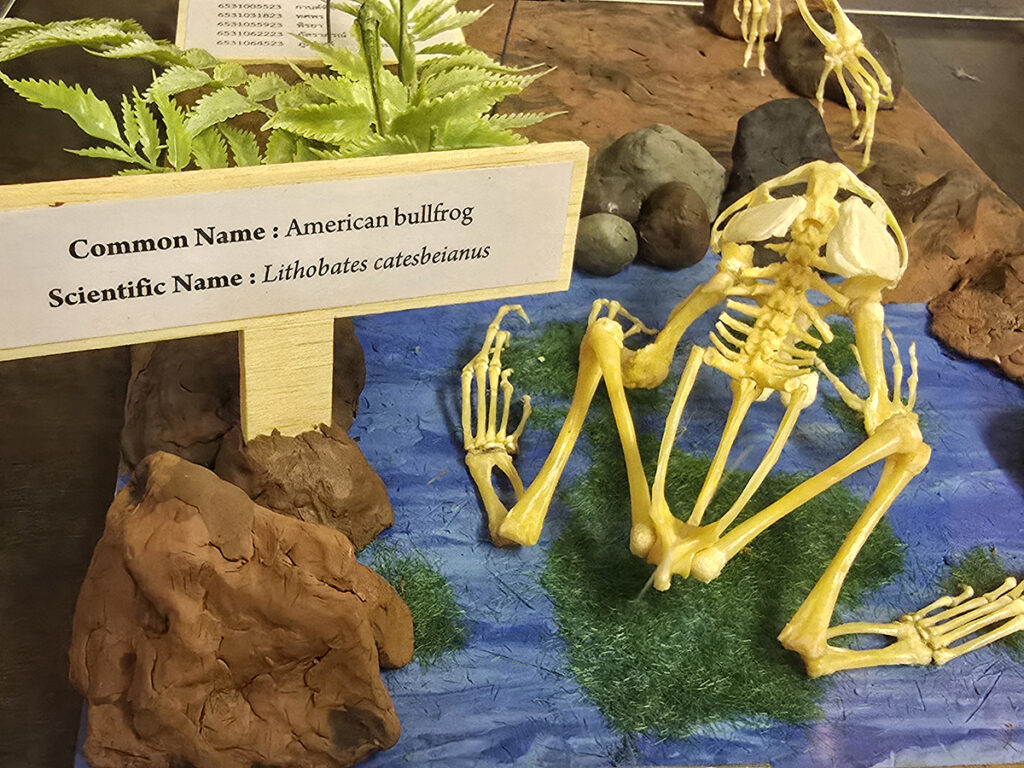
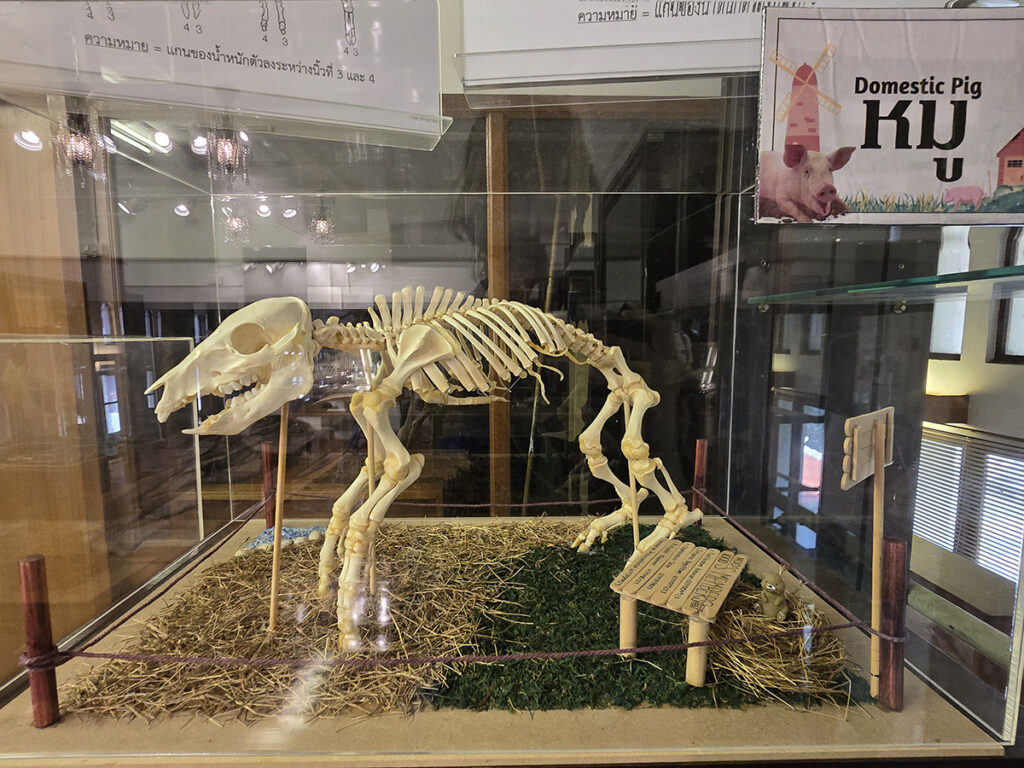
A free museum on the grounds of Chulalongkorn University. Genuinely creepy, but fascinating. A lot of it is dedicated to turtles—luckily, there are plenty of them in the region. Preserved snakes, fish with way too many bones, butterflies, etc. Some of the stuffed animals look downright diabolical. I share my highlights!
An elephant
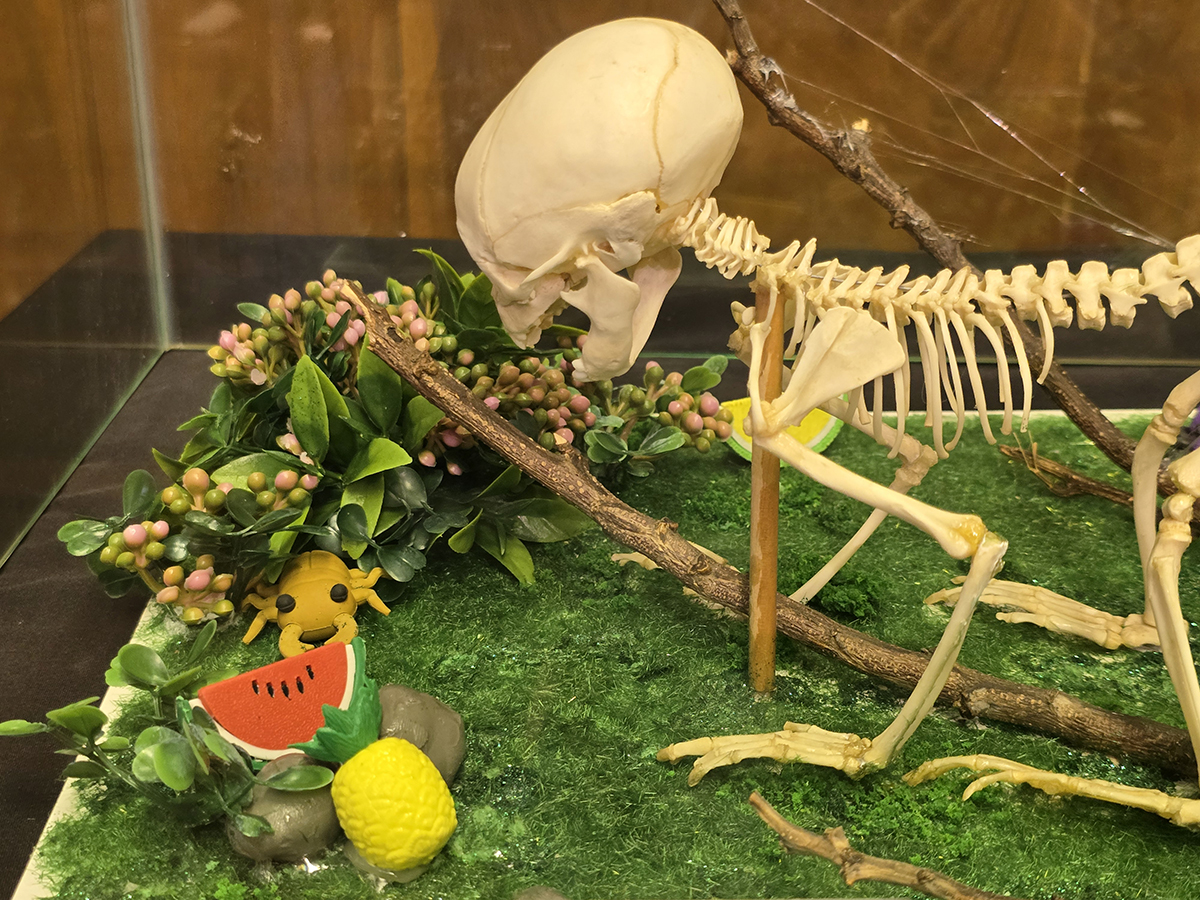
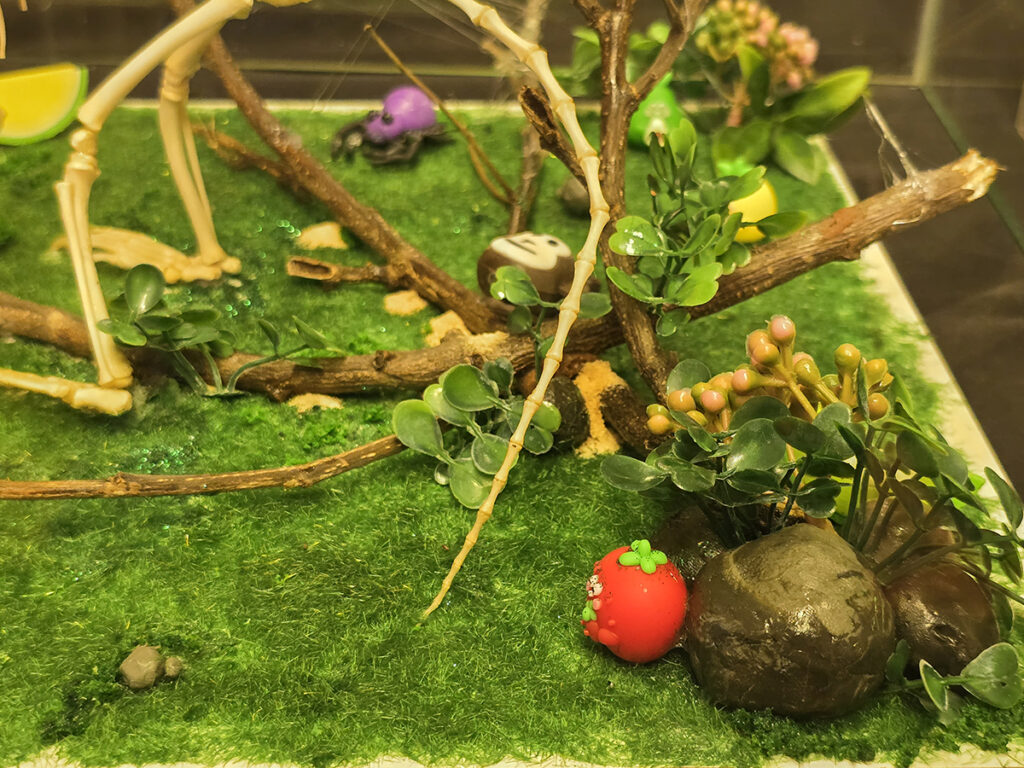
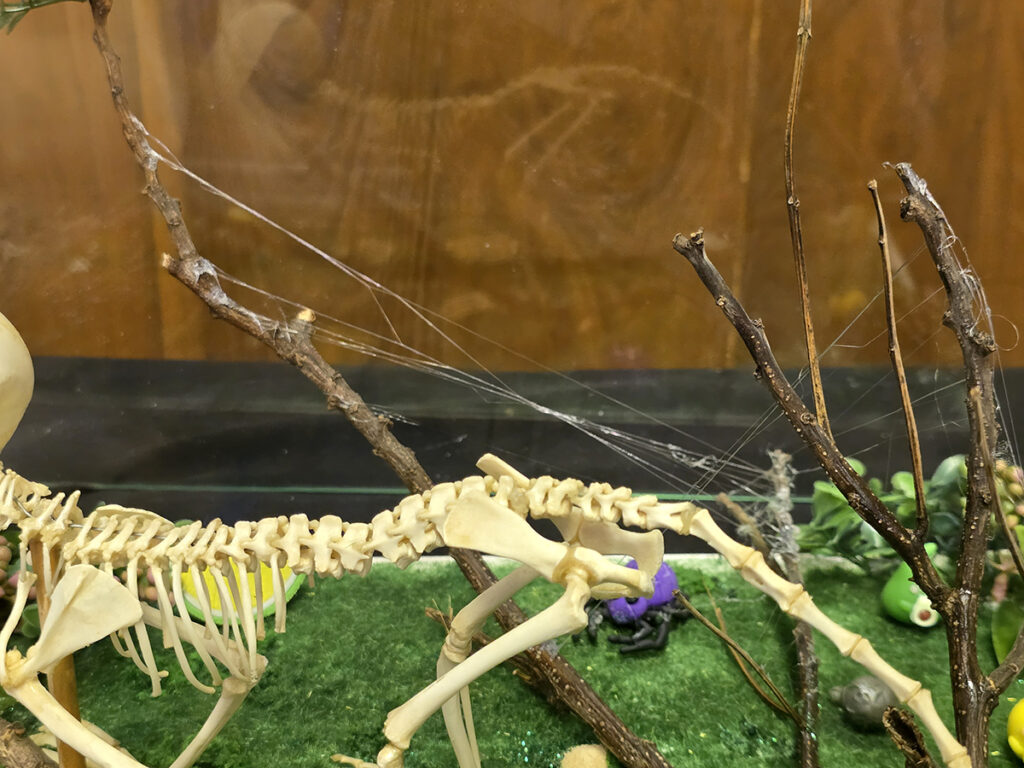
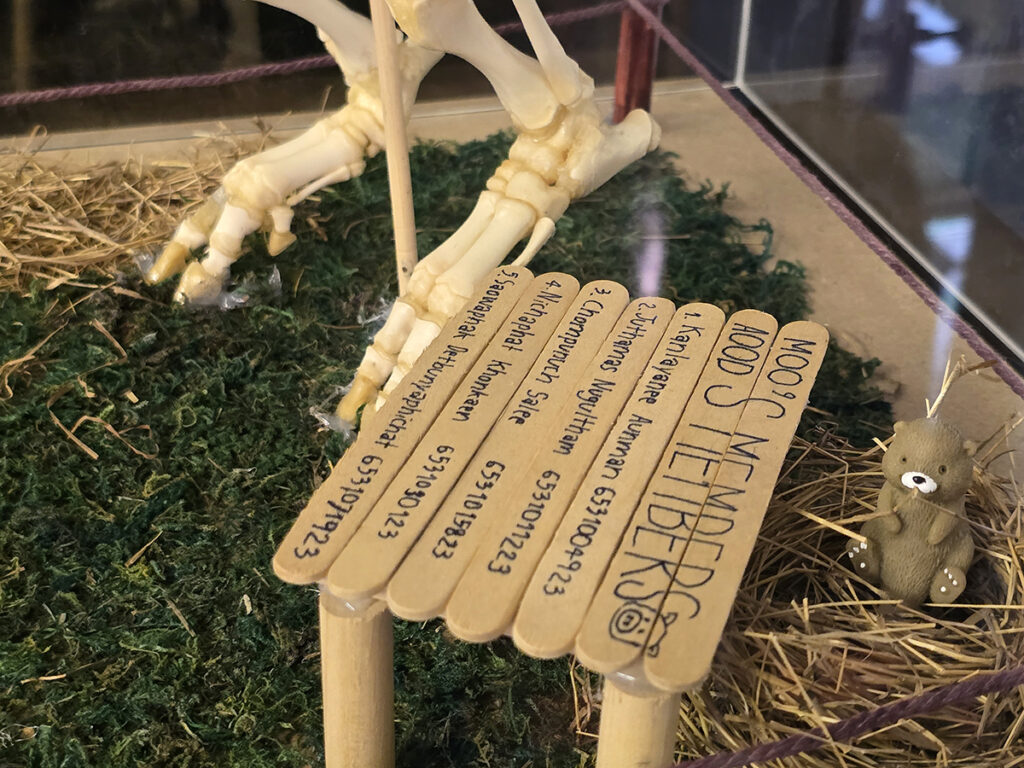
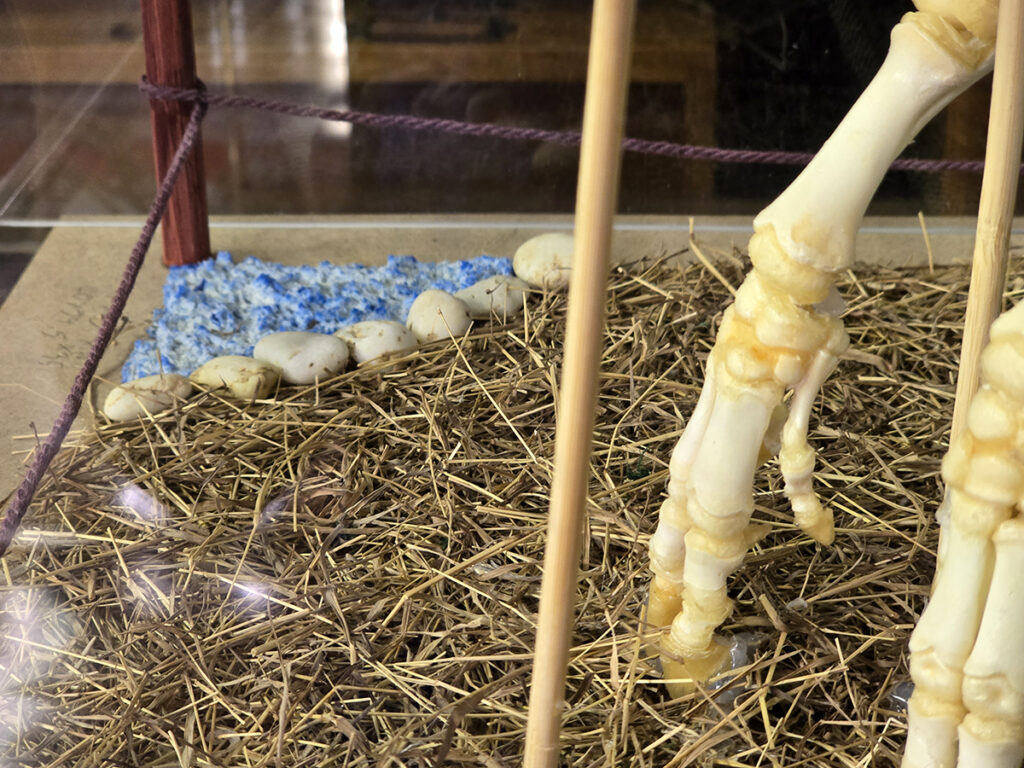
What I especially loved were the skeletons of a domestic pig, a leaf monkey, and frogs—arranged in these charming little mise-en-scènes. Tiny toys, cobwebs, artificial grass, pebbles, a little sea—and a school desk with a bear cub. All of it genuinely stirred something creative in me; I want to paint it. And it feels like I’ve seen this kind of curated oddity somewhere before—maybe in The Sims, or on a Talnik album cover.
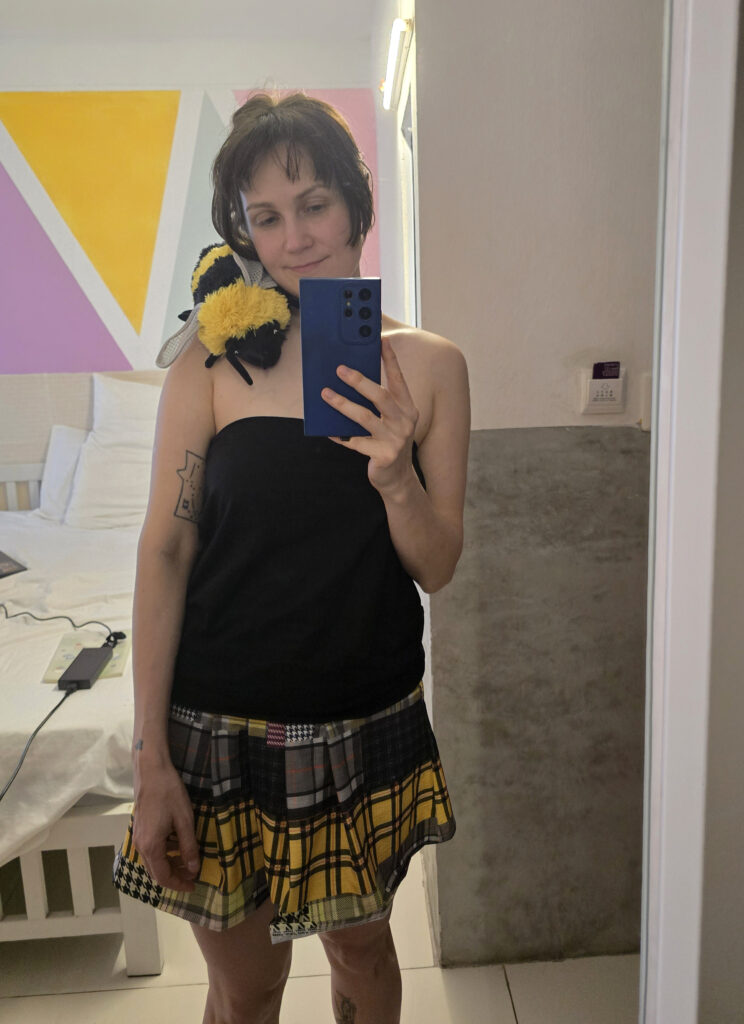
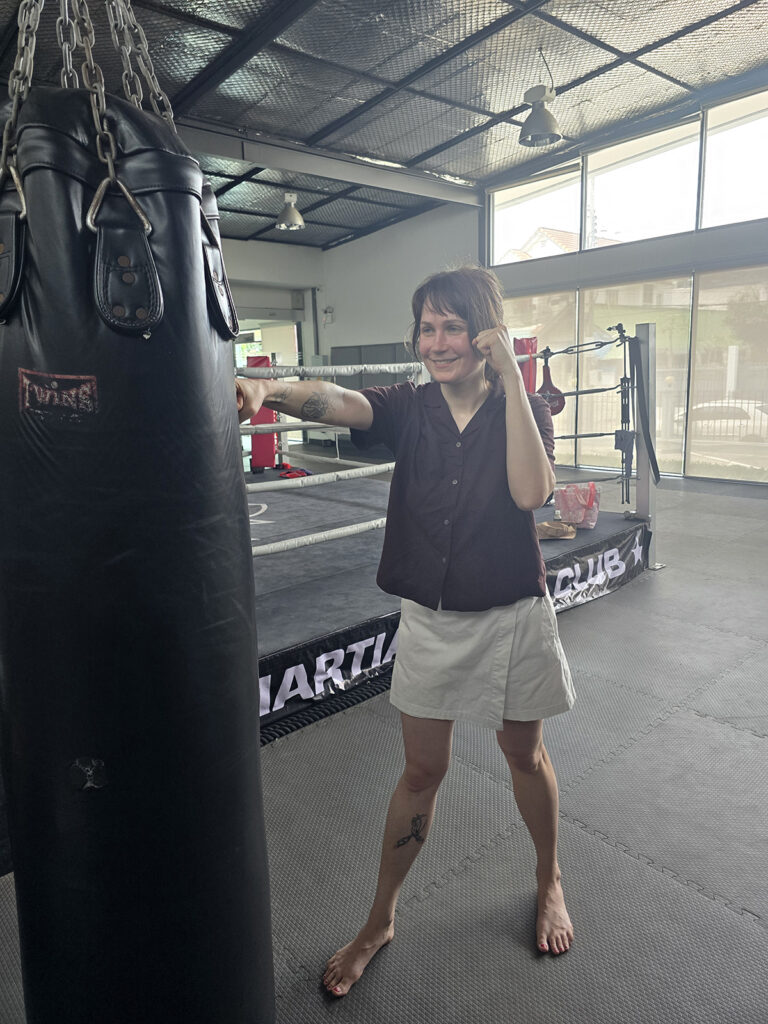
A bit of random stuff, its me after muay thai class, totally dead by happy.
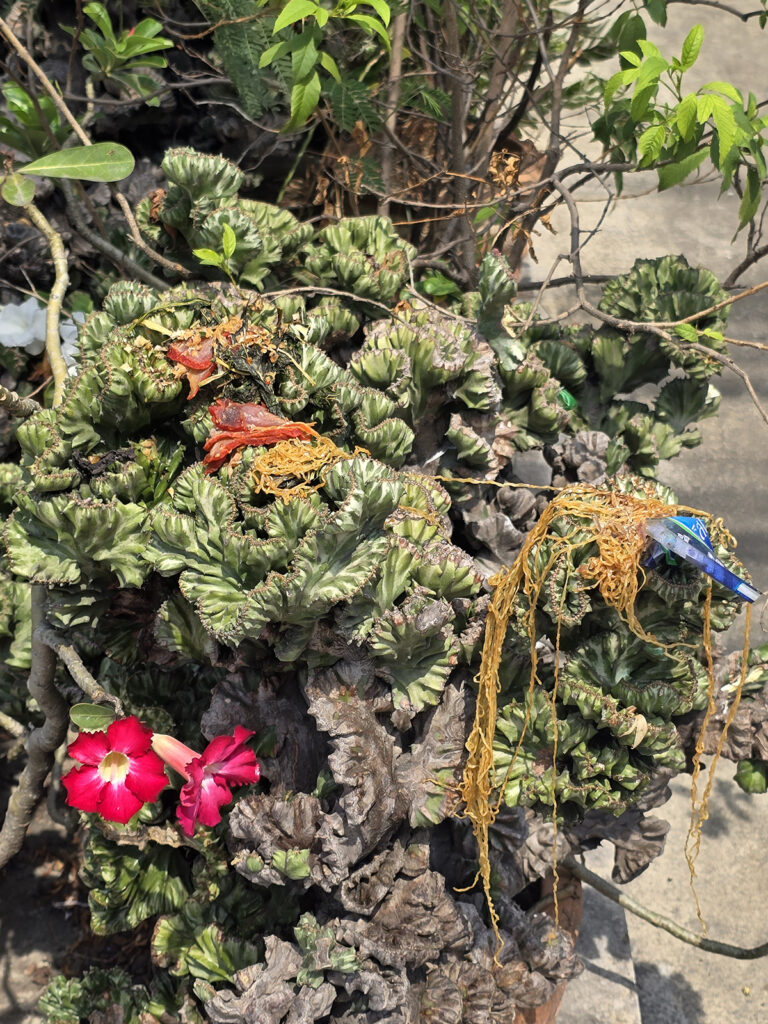
I don’t know if it’s a tradition, but why are noodles on the cactus?
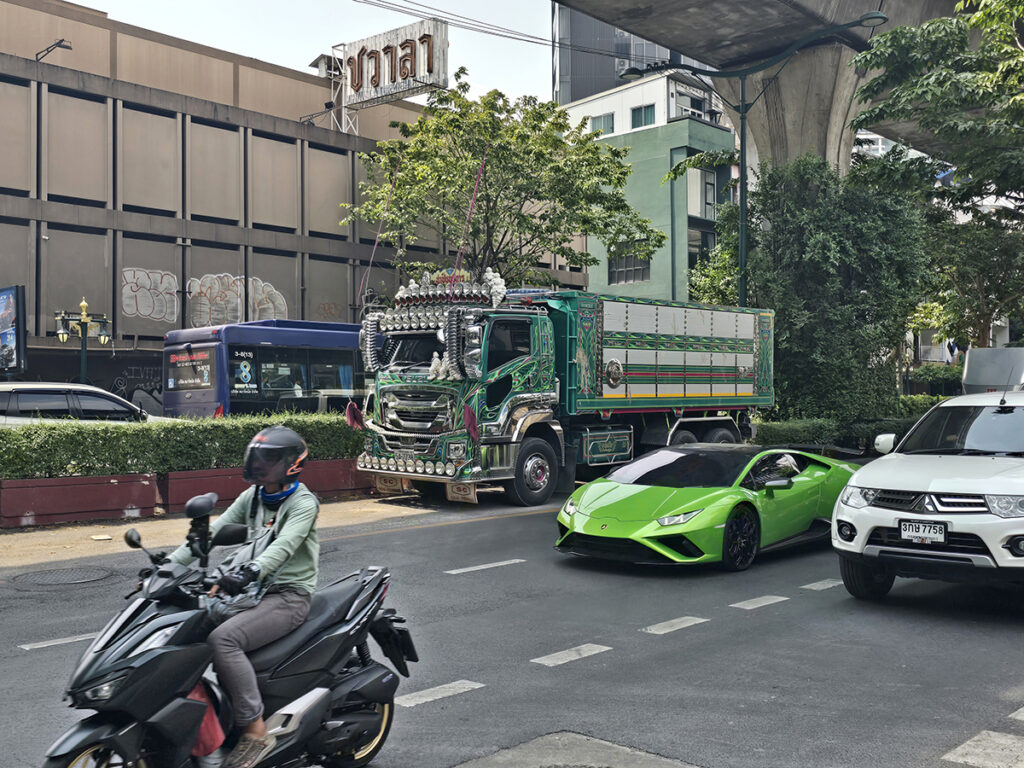
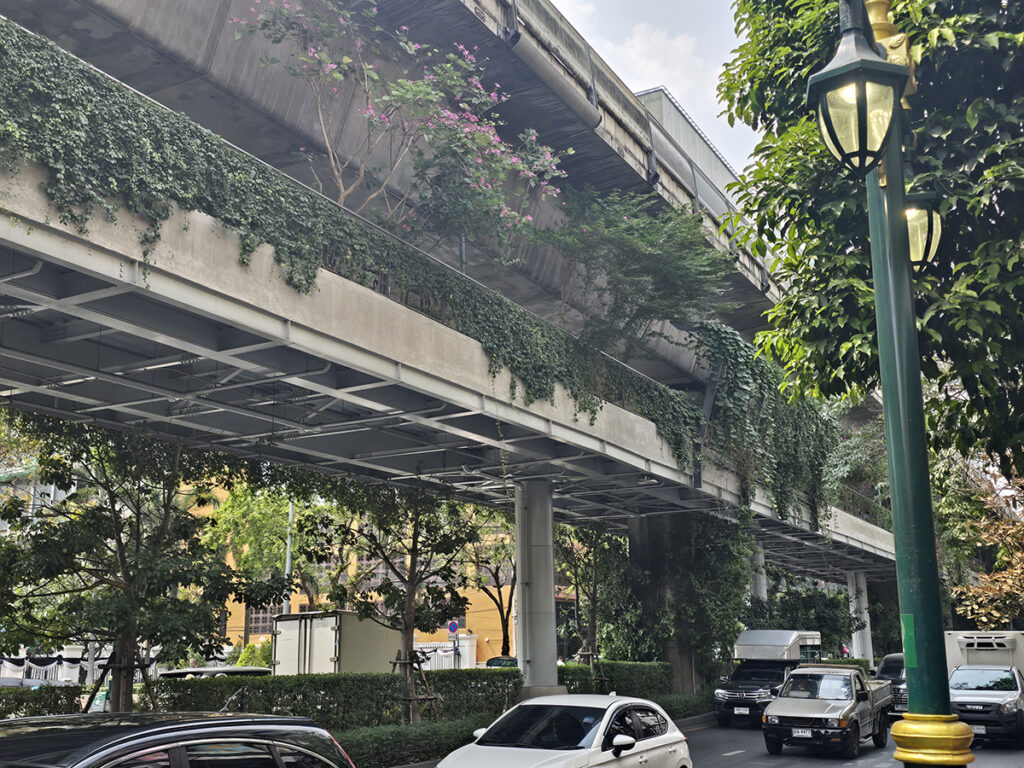
It’s Romani Park, a nice little park where people chill and read, because outside parks there are only cars, motos, dust, Sun, too much Sun (even though I love Sun).
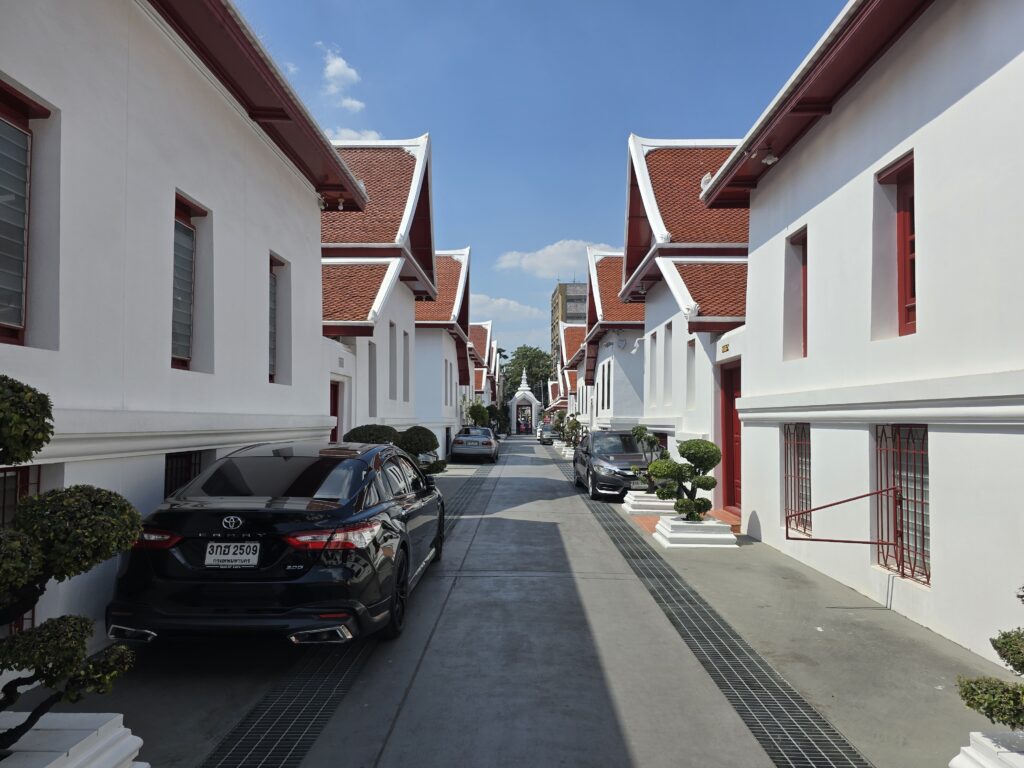
In Thailand, there is a tradition for young men to temporarily become monks, for example, for one or two months. It seems these are their monastic quarters, situated near the Luang Pho Klalfin temple.
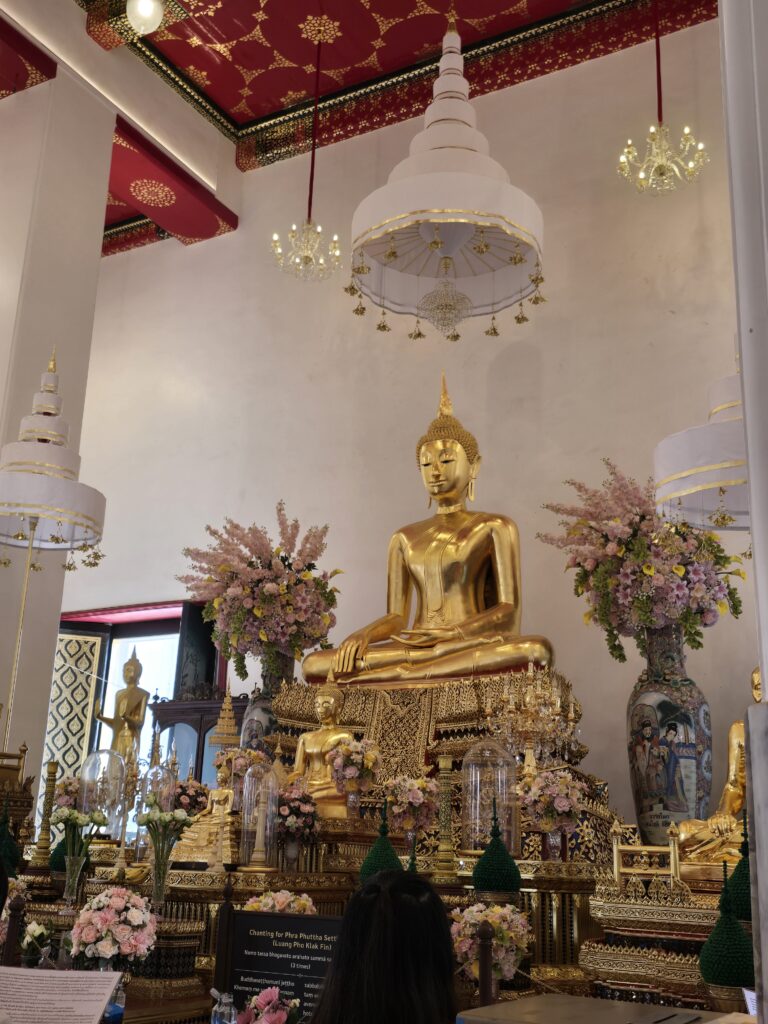
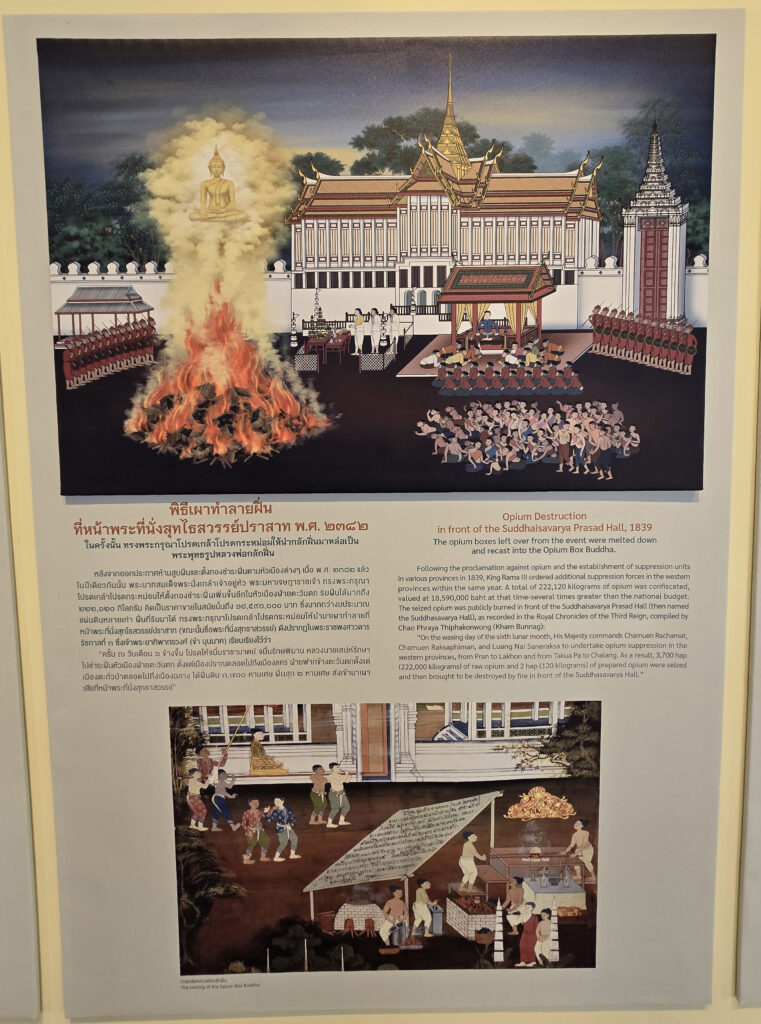
Below is the Opium Box Buddha. Here is the story (the descriptions are those from the Temple of Opium Box Buddha):
Opium: A Trigger for War in the Colonial Era
During the era of Western colonial expansion, coinciding with the early Rattanakosin period in Thailand, opium became the trigger for major wars between Britain and China. This conflict arose because Britain faced a severe trade imbalance with China: they imported vast quantities of tea and other goods, while China bought almost nothing from them in return. To counter this imbalance, Britain began dumping opium produced in its colony, British India, to China, marketing it as medicine. The result was a scourge of addiction that penetrated every level of Chinese society, creating an insatiable demand for British opium. When the Chinese authorities moved to suppress the trade by confiscating and destroying opium, it ignited two Opium Wars between 1839 – 1860 (during the reigns of King Rama III and King Rama IV of Thailand). In both wars, China was defeated. Britain, with its military supremacy, blockaded the port of Guangzhou, advanced to Beijing, and ultimately razed the Old Summer Palace (Yuanmingyuan). China was forced to sign unequal treaties: legalizing the opium trade, granting extraterritorial rights, ceding Hong Kong as a British colony, and opening key ports as “concessions” to Western powers—effectively stripping China of sovereignty in those areas.
In Thailand, Britain pressed for the right to trade opium as early as the reign of King Rama III, but was resolutely refused. They responded with threats to blockade the Gulf of Thailand with warships. Upon ascending the throne, King Rama IV, discerning that Siam could not prevail by force, negotiated a compromise: Britain would be permitted to sell opium, but only to the government, thereby enabling state control over its domestic distribution. Furthermore, only Chinese immigrants were allowed to trade and consume opium, while Thai citizens were strictly prohibited from any involvement with opium.
The Royal Wisdom in Creating the Opium Box Buddha
During the major opium suppression under King Rama III in 1839, not only was a vast quantity of opium confiscated and destroyed, but a great number of metal opium boxes were also seized. His Majesty remarked about these containers: “Do not discard, for they will bring affliction to those who behold.” He then commanded that the boxes be melted down and cast into a Buddha image at the royal foundry within the Grand Palace. The completed image measured one wa, one sok, and one khuep (2.75 meters) across the lap, and was called “Luang Pho Klak Fin” (Opium Box Buddha). The remaining metal was used to repair another Buddha image, known as “Luang Pho Luea” (Residual Metal Buddha).
This transformation of opium boxes into a Buddha image was a brilliant act of royal wisdom: converting a harmful vice into a sacred symbol of virtue. It conveyed a profound moral teaching, inspiring people to abandon opium and other detrimental habits and to seek reform in their lives towards goodness, following Buddha’s expression in the Tama Sutta, “tamo jotiparāyano” – one in darkness who is headed for light. Thus, even those once ensnared in unwholesome ways may transform themselves and embark upon the wholesome path of action.
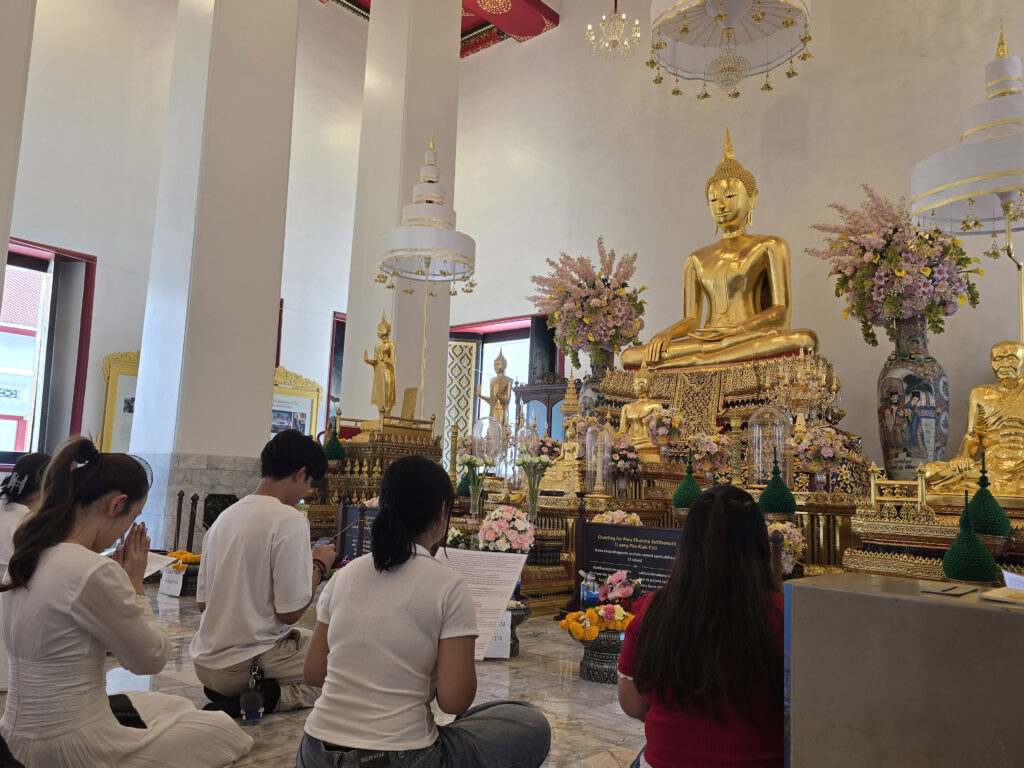
The Opium Box Buddha, cast in 1839 during the reign of King Rama III, remained within the royal foundry until 1854, during the reign of King Rama IV, who ordered its relocation to Wat Suthat Thepwararam to be enshrined as the principal Buddha in the sermon hall, which was newly completed in that year. The King also bestowed upon it the name “Phra Phuttha Setthamuni,” meaning “The Most Noble One”. Luang Pho Luea was granted the name “Phra Phuttha Rangsī Muttharaphai,” meaning “Buddha in the gesture of imparting fearlessness,” symbolizing the bestowal of safety and protection upon all devotees.
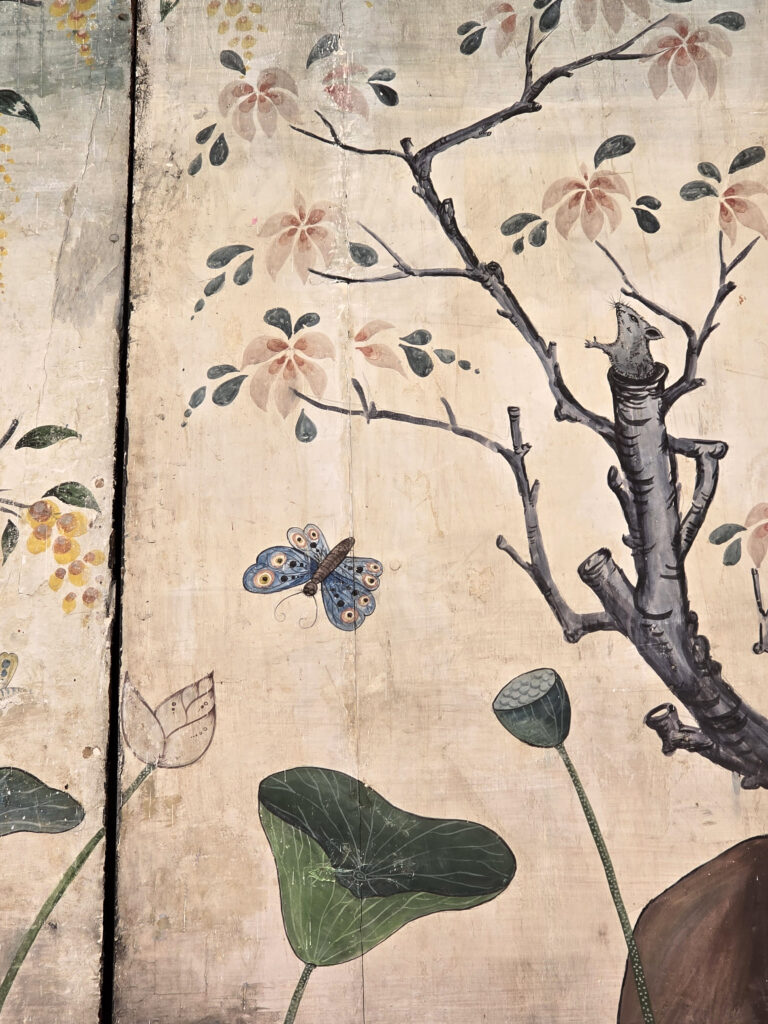
Pay attention to the mouse
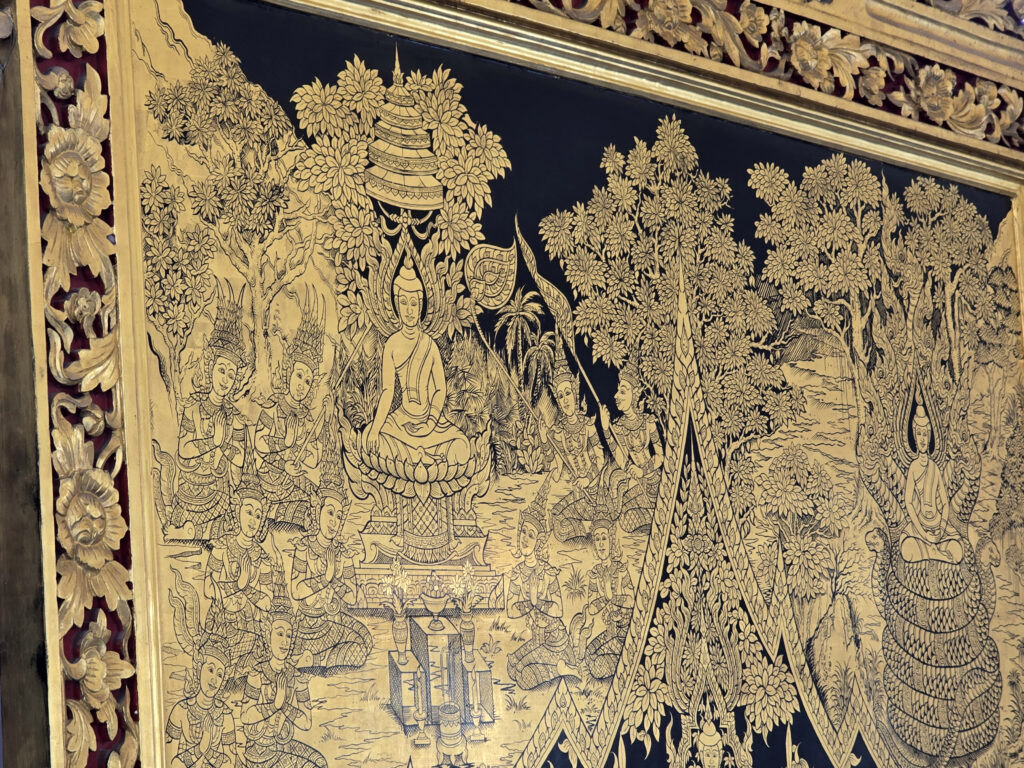
The engravings on the temple doors – I really love the combination of gold and black; by the way, black and silver are also very beautiful. People were praying in the temple, so it felt uncomfortable to take photos, but those drawings are so stunning. Soon I’m going to the national museum; there, I’ll definitely take plenty of photos of incredible beauties.
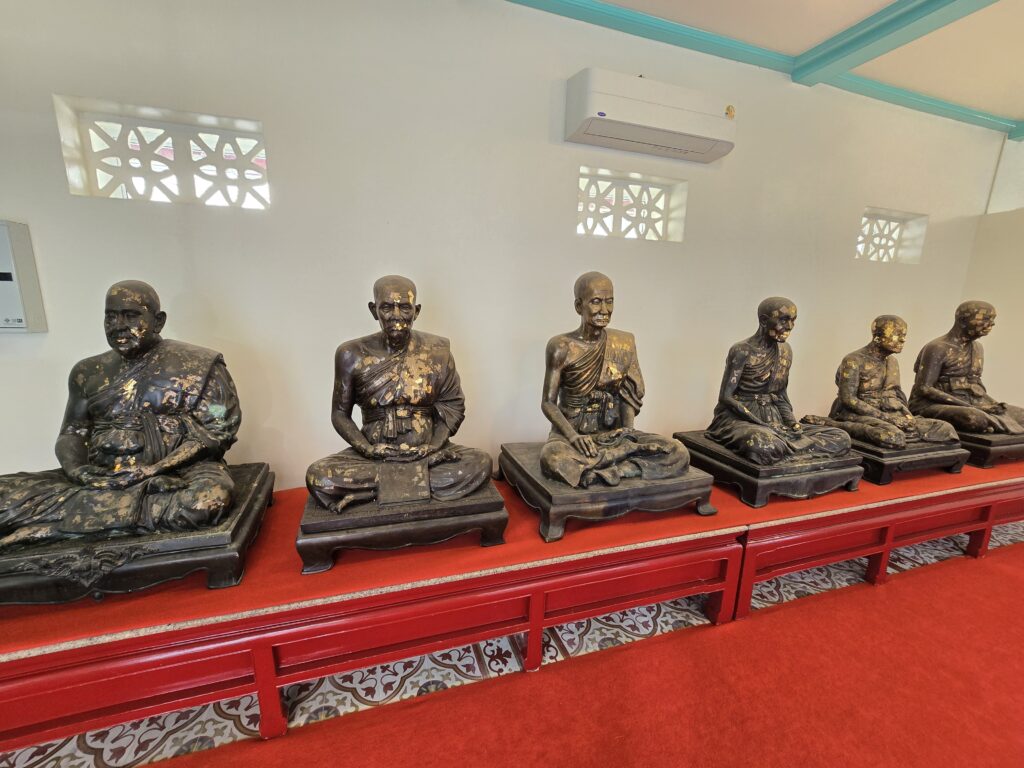
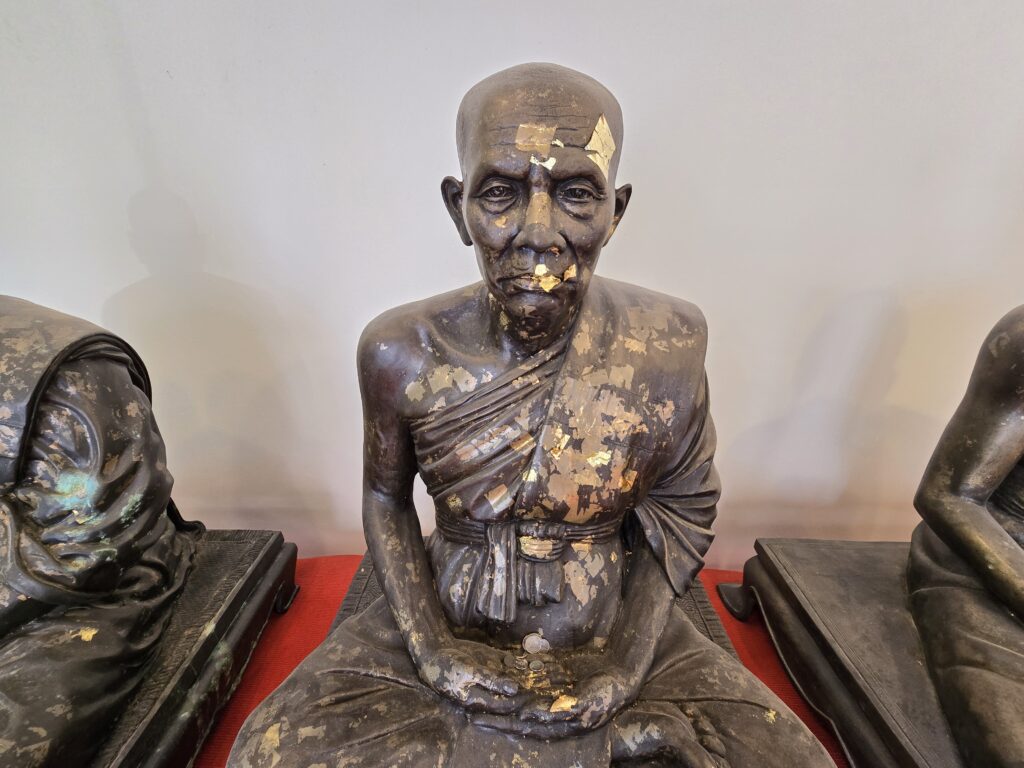
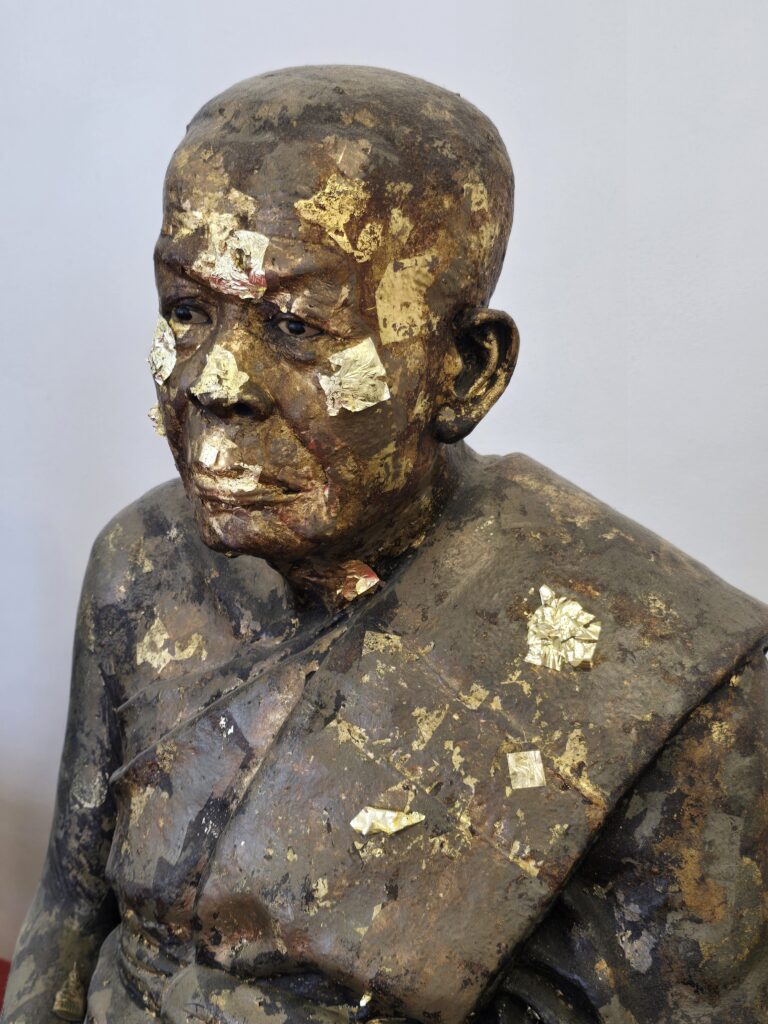
Apparently, these are statues of revered monks. As a sign of respect, people affix small squares of gold leaf to them. Judging by their appearance, it is most often applied to the mouth area.
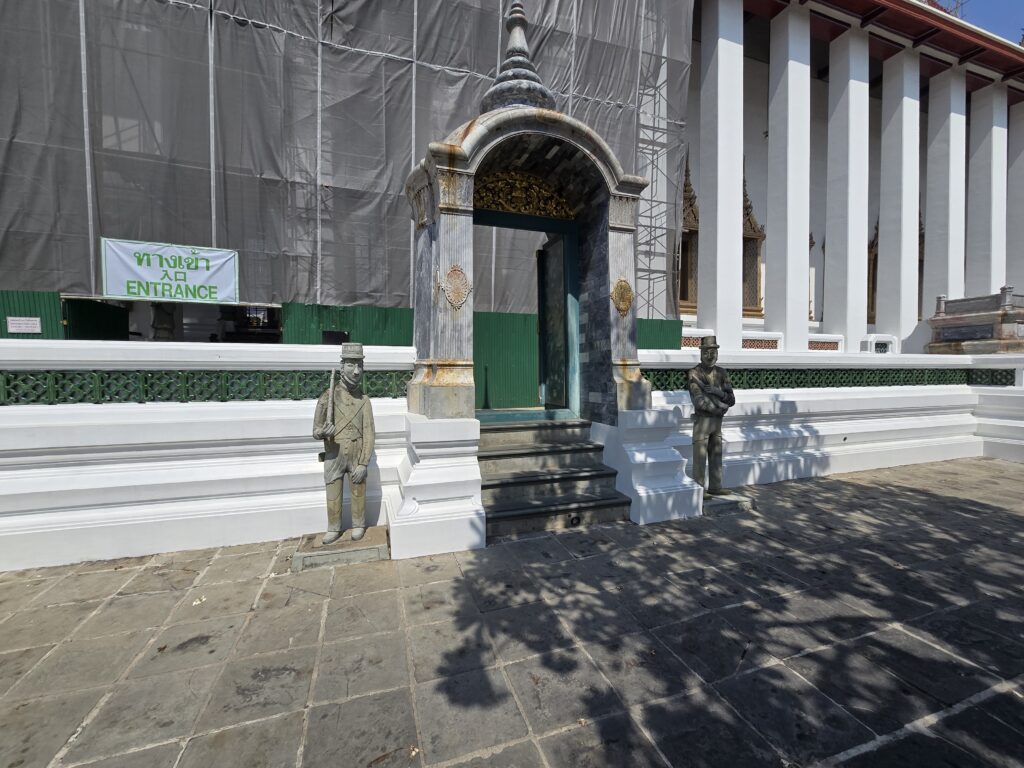
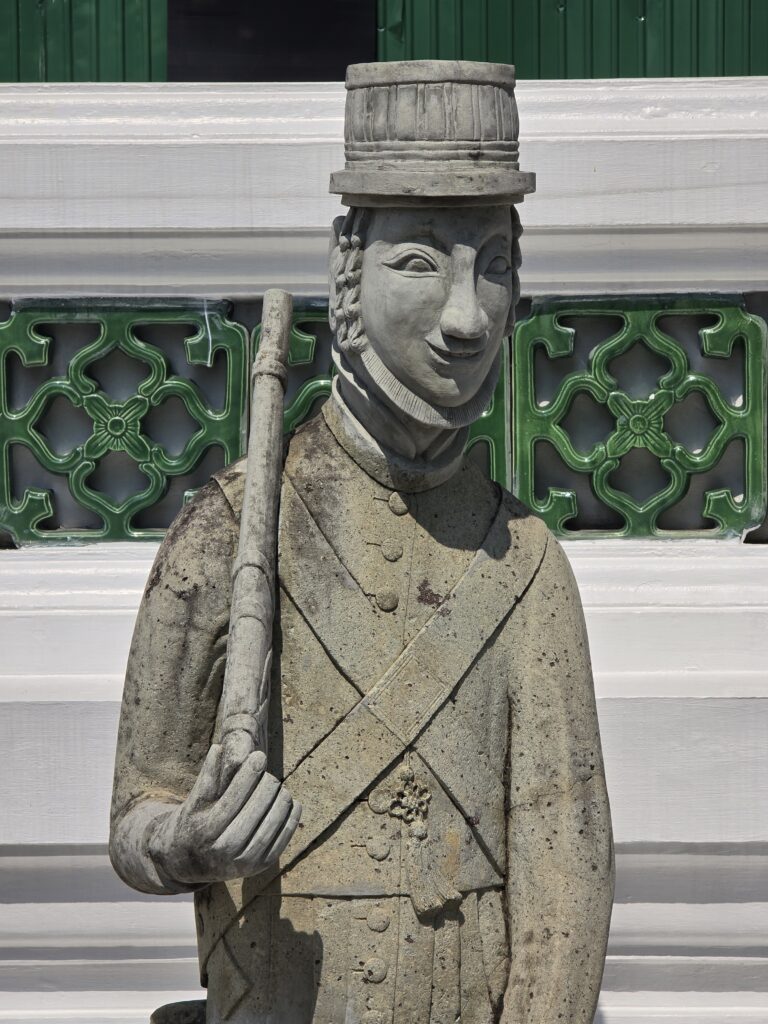
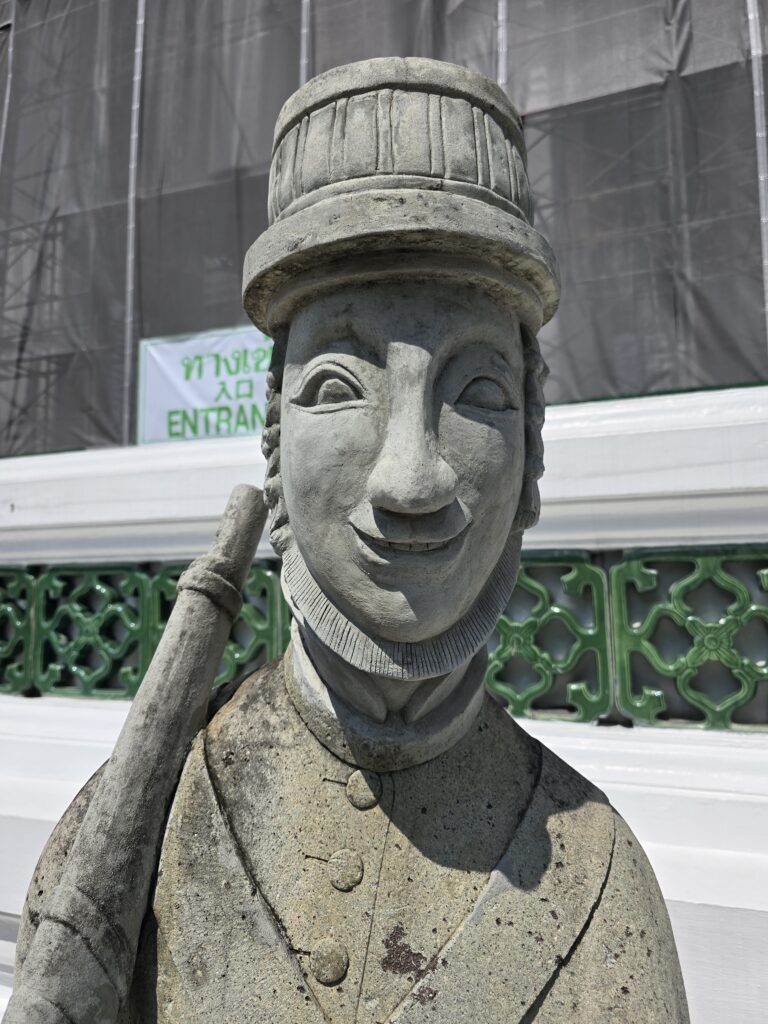
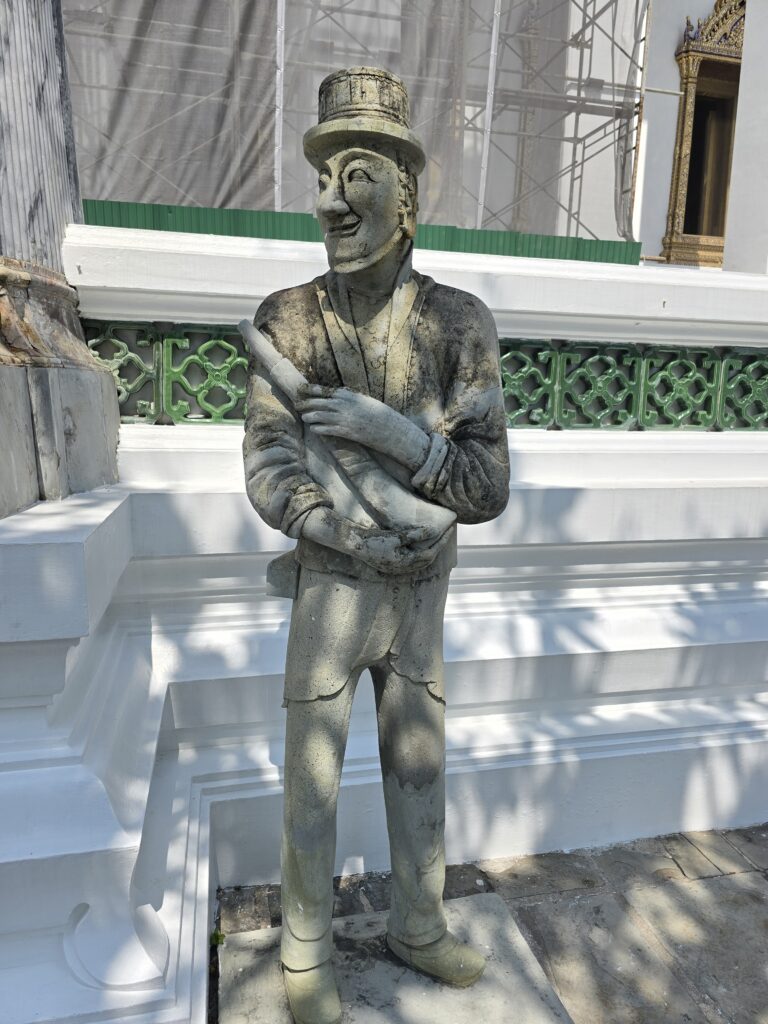
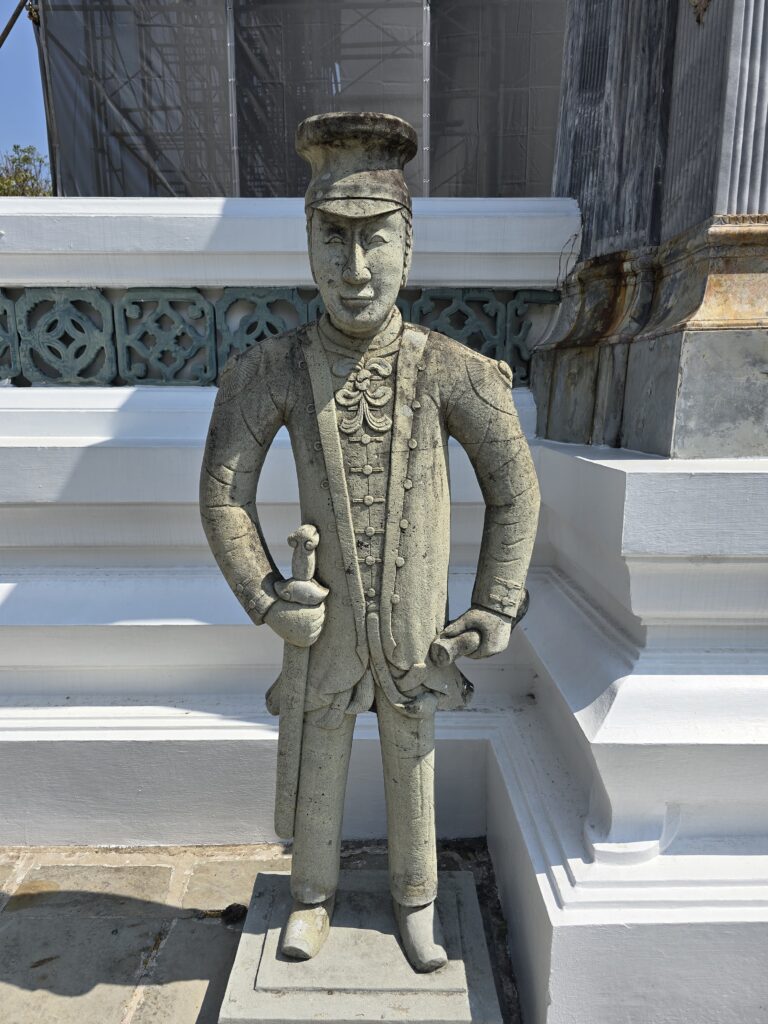
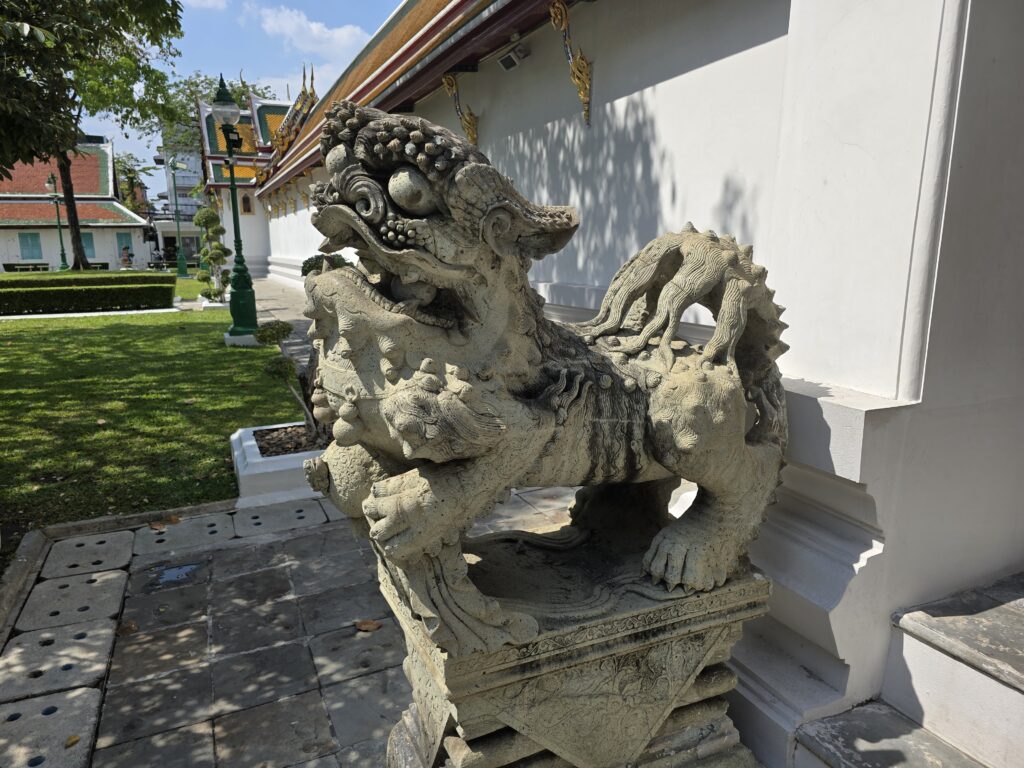
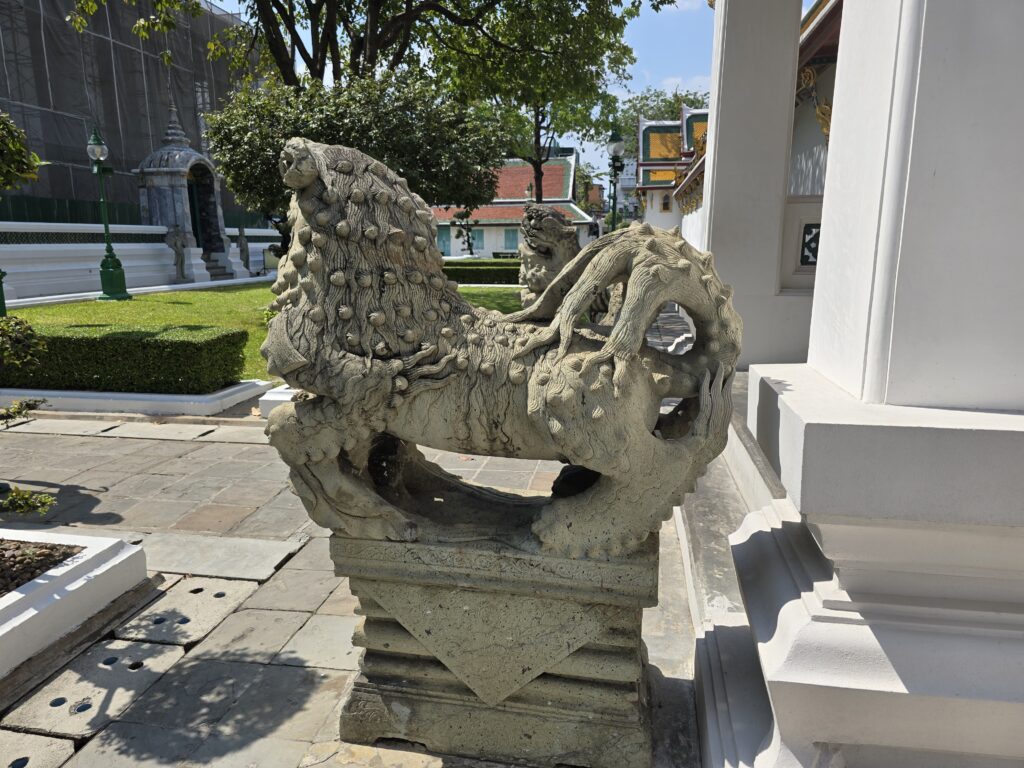
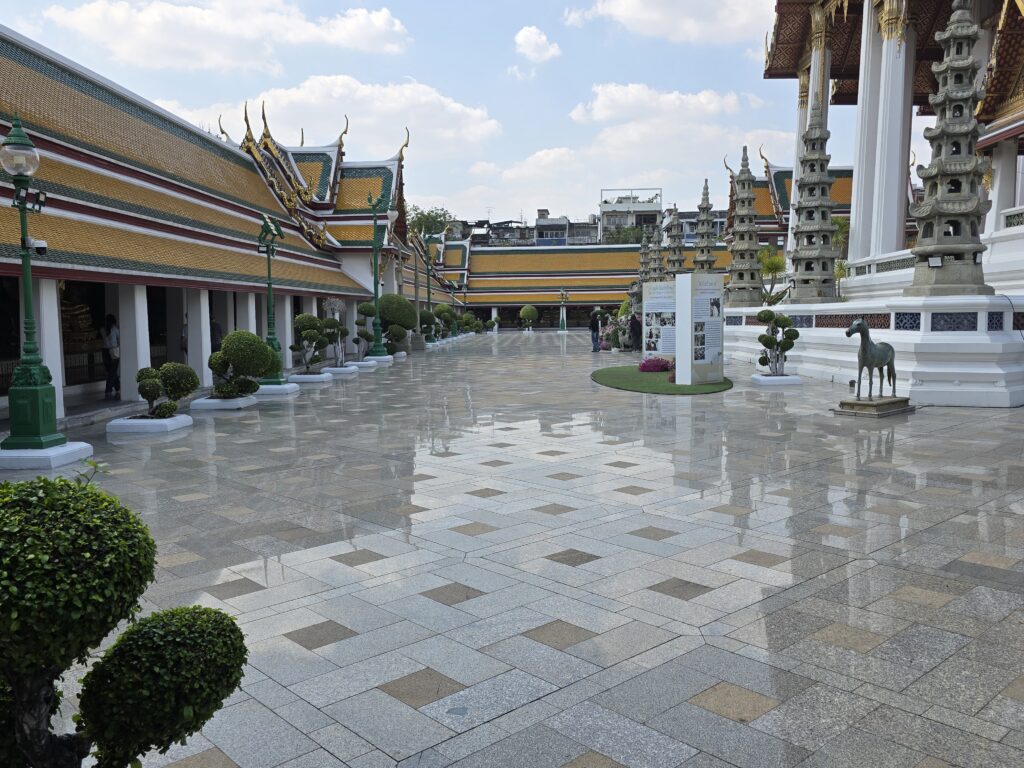
Just 10 meters away, there is another temple, which is guarded by these friendly-looking guards. How adorable they are! Their bodies look so relaxed, cartoonish. They are holding some kind of rifles, but they are smiling. Who on earth came up with something like this?
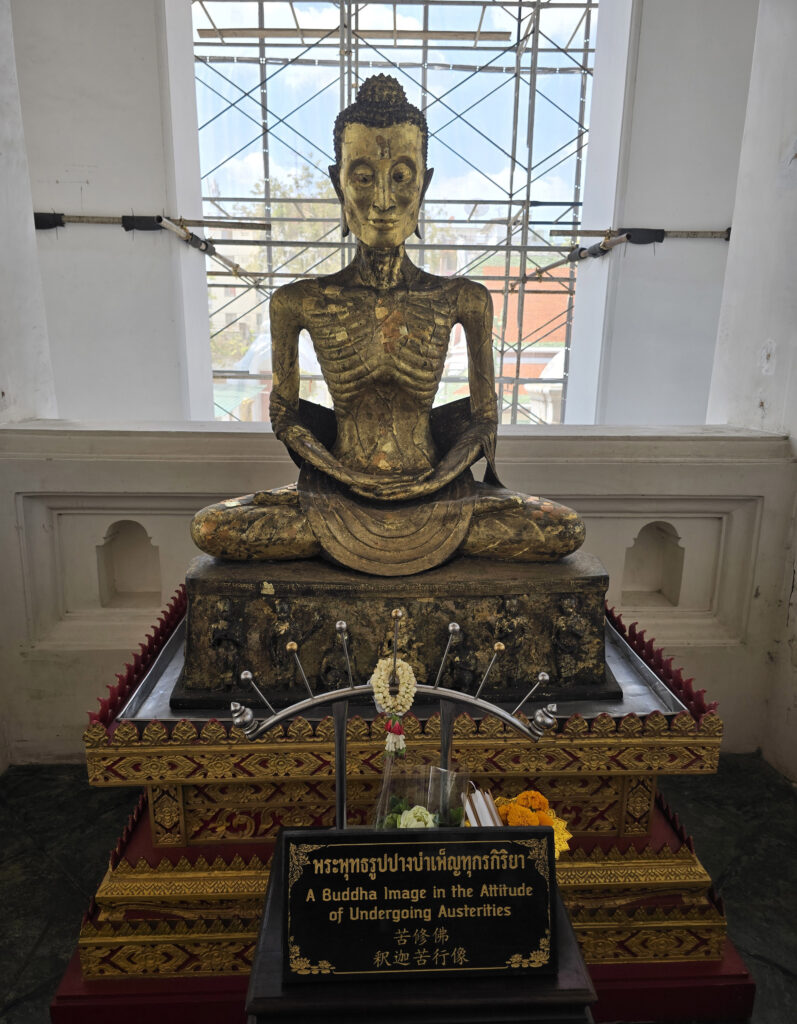
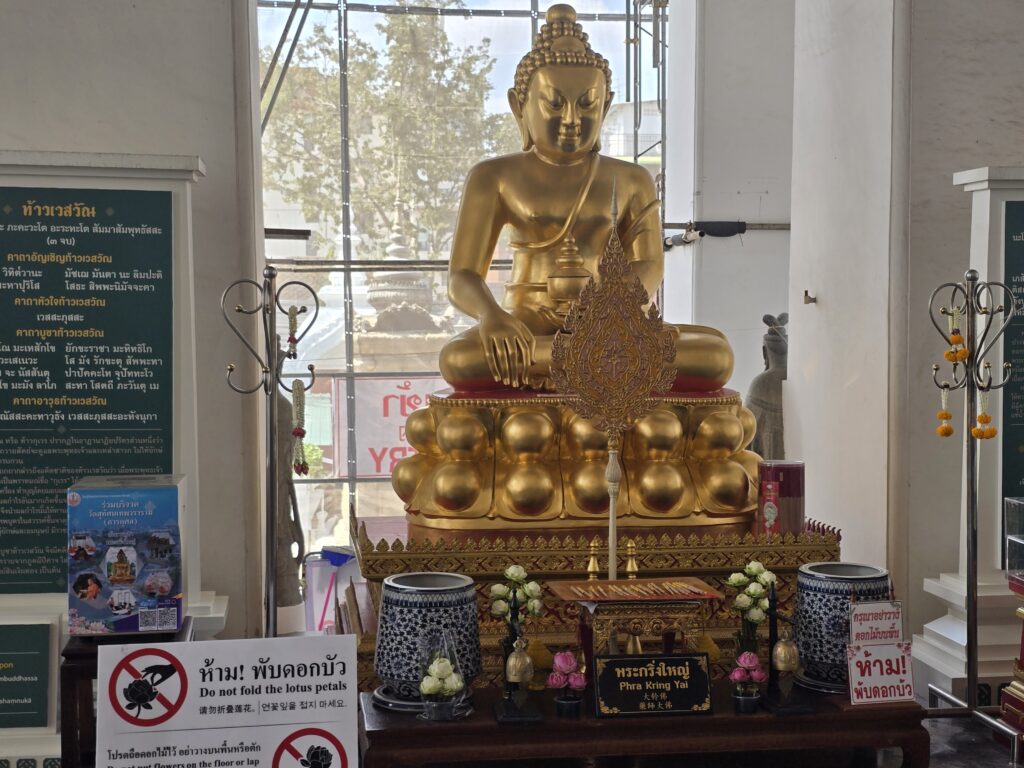
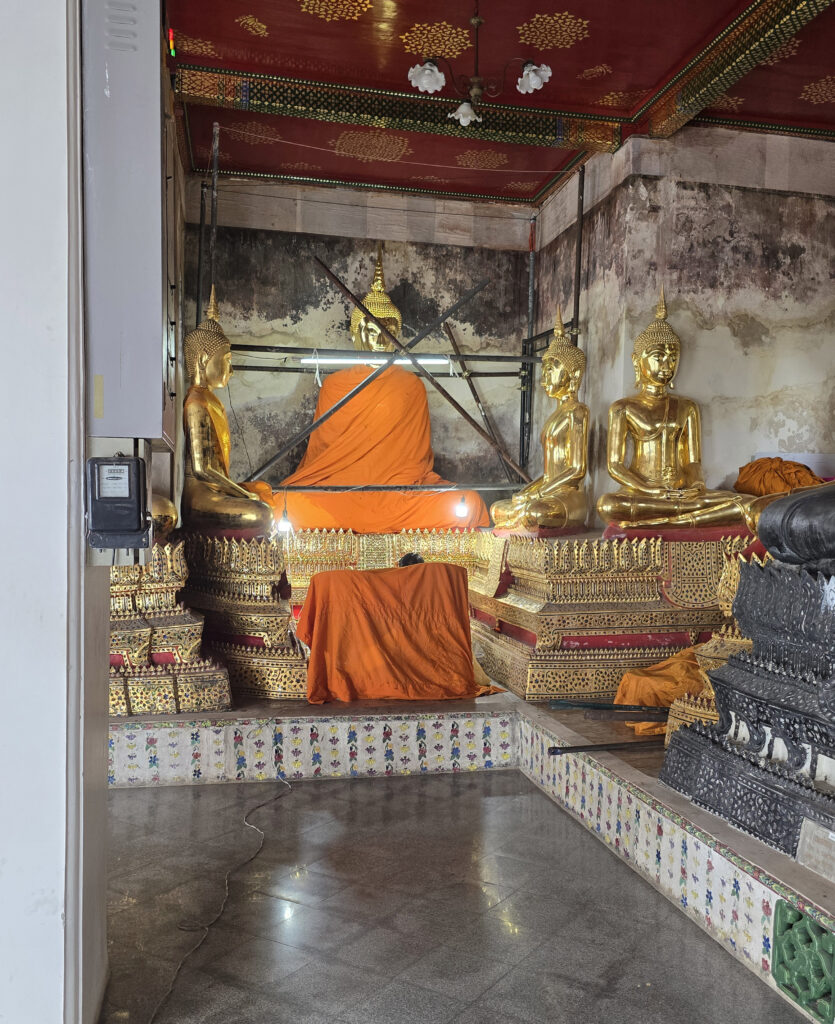
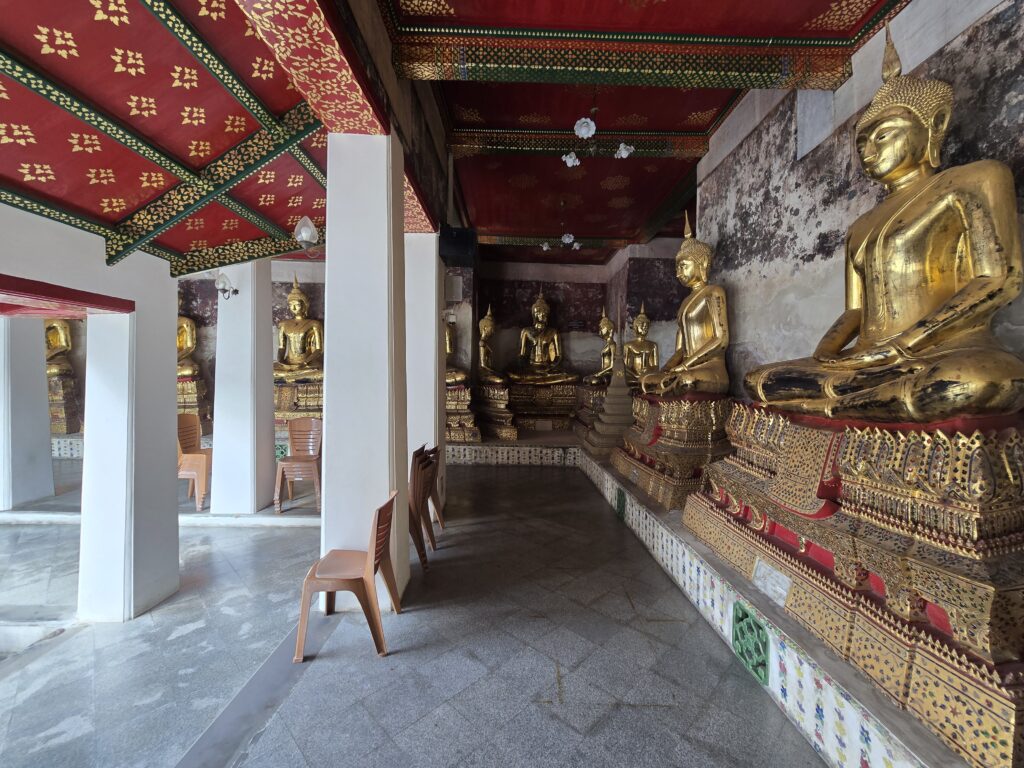
The Buddhas in this temple (Phra Ubosot Wat Suthat)
The guards at the next temple are also amazing. Or perhaps they are not guards, but greeters. They look like fantastic creatures with bushy tails.
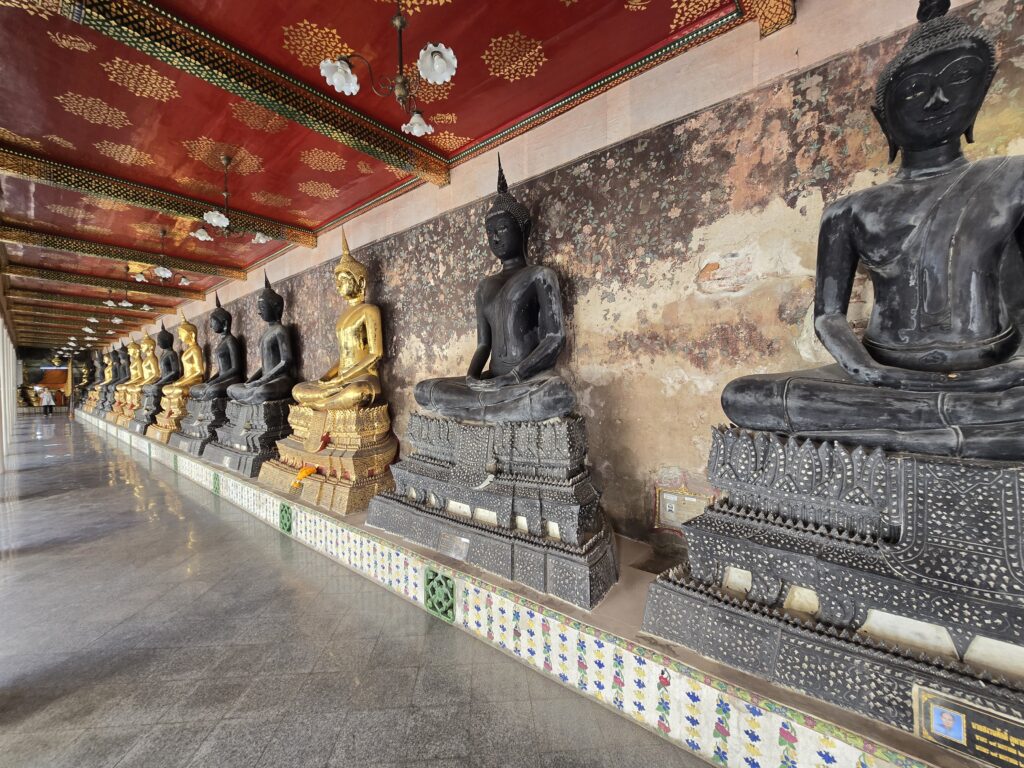
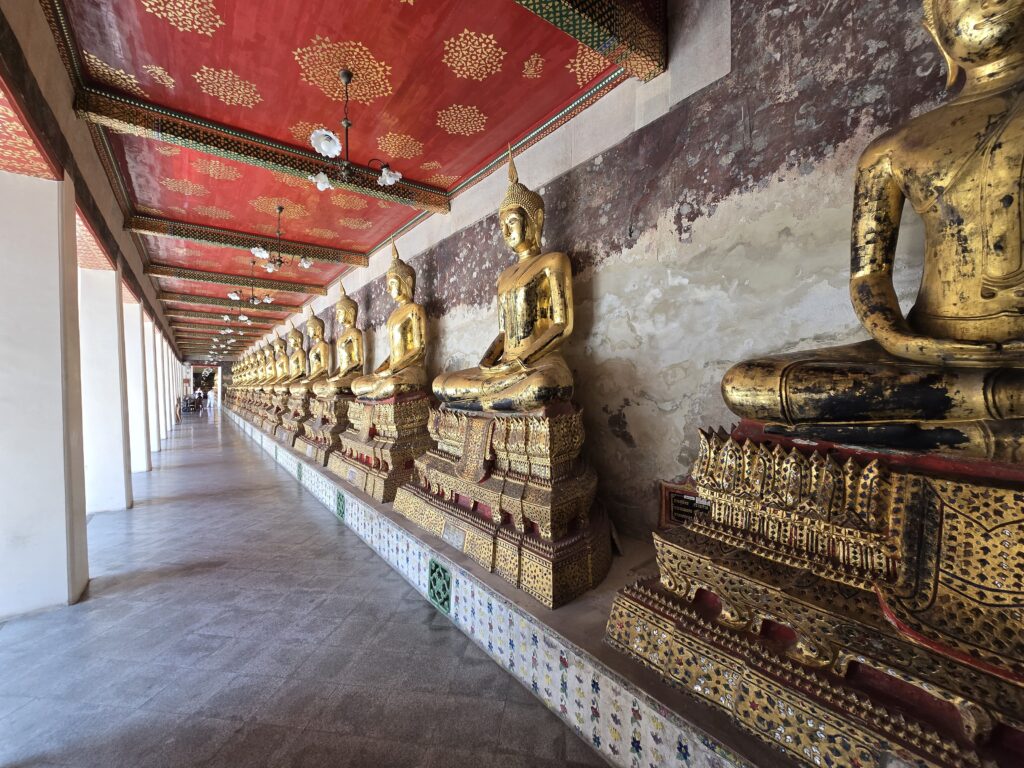
Around the perimeter of the temple, there is an uncountable number of Buddhas. Some of them are golden, others are black because they have not yet been covered with gold. I saw one master craftsman at work, but I felt too shy to take a photo. I need to stop being shy and try to talk to people (maybe in the next life).
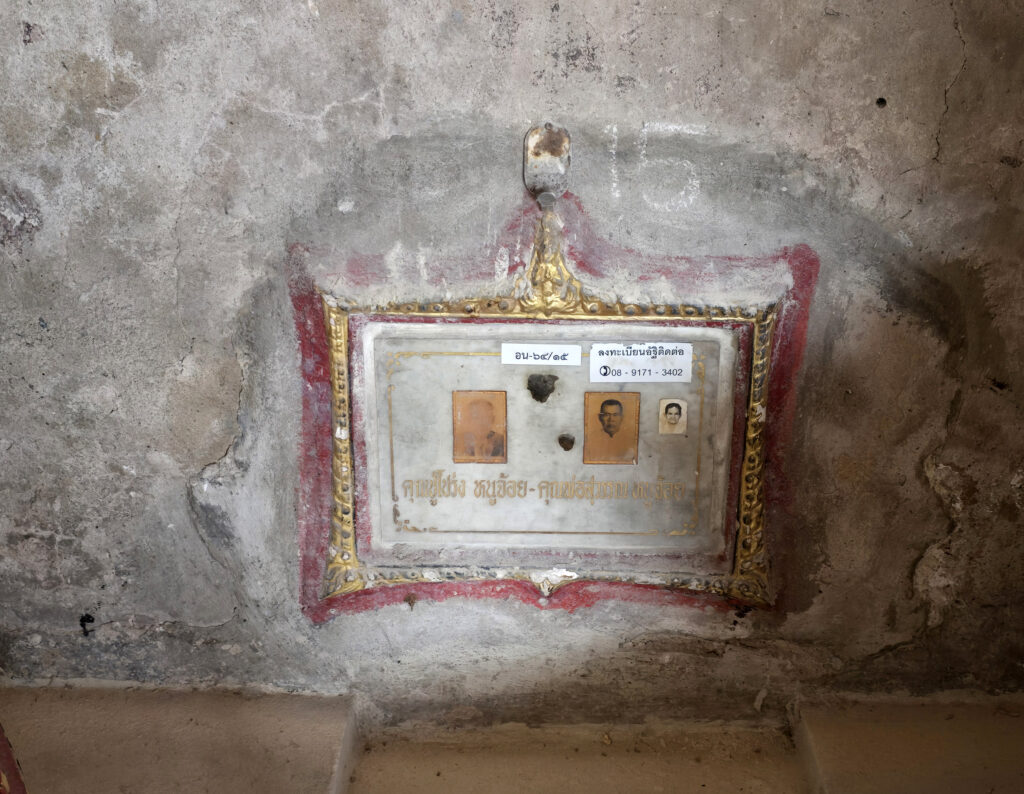
Actually, it seems to me like a crematorium, because between the Buddhas there are what look like doors that open, presumably for urns, and they have names written and photographs pasted on them. Probably a crematorium for revered monks.
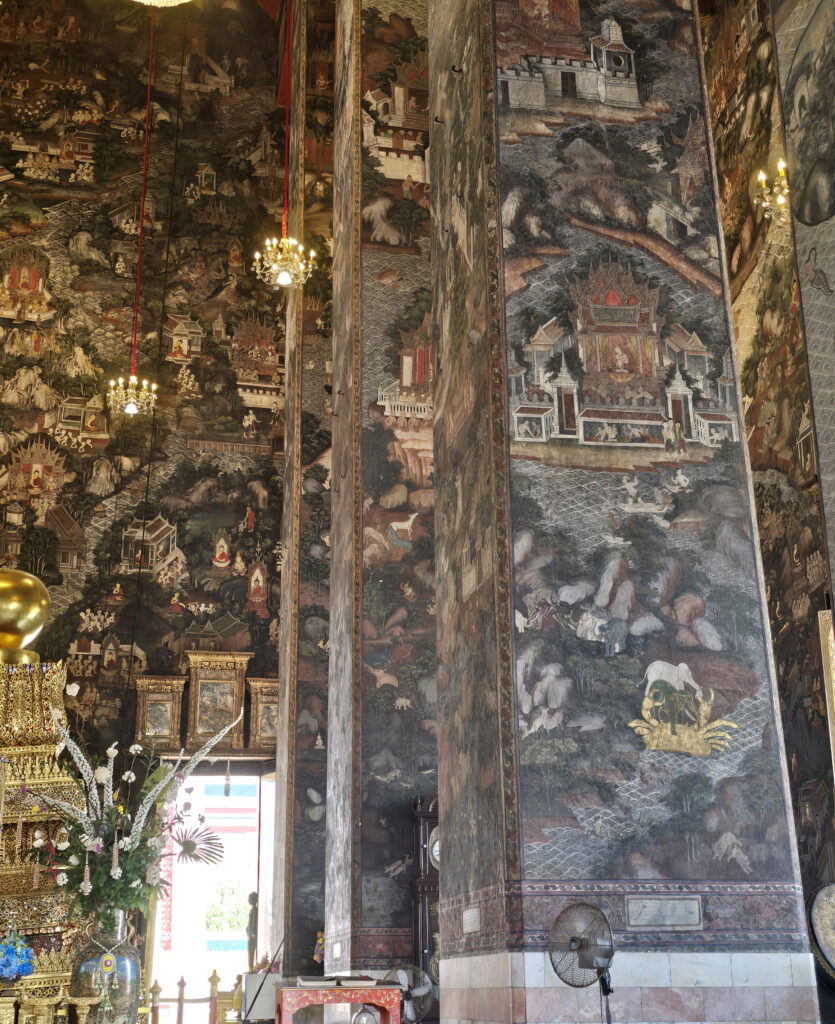
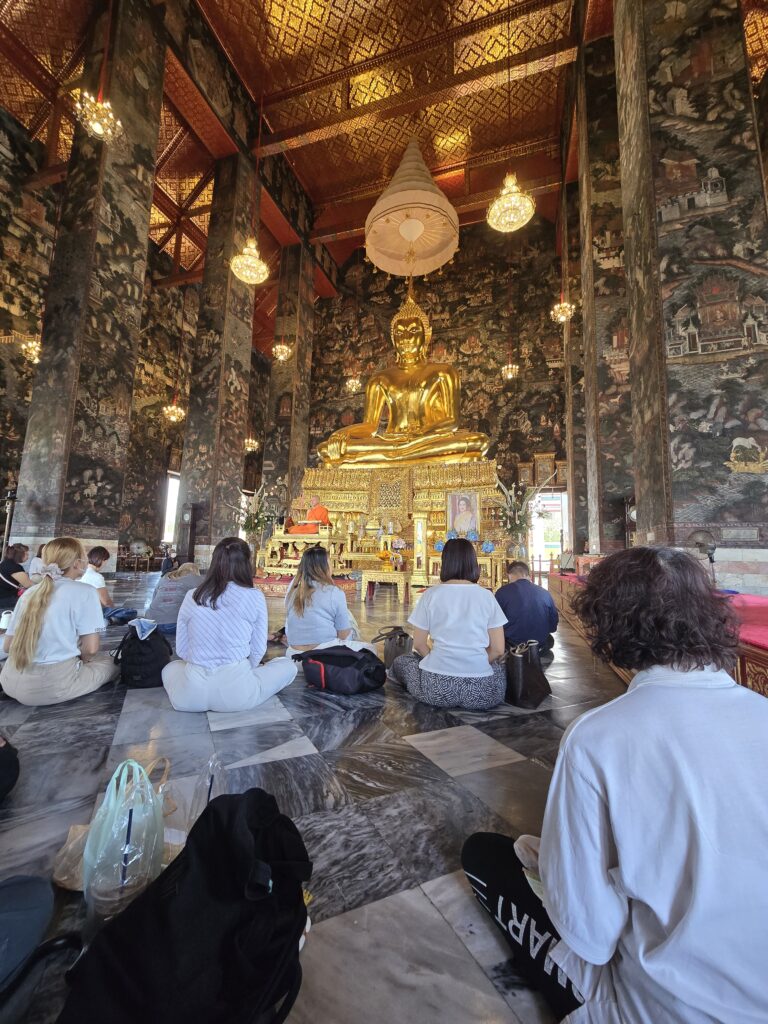
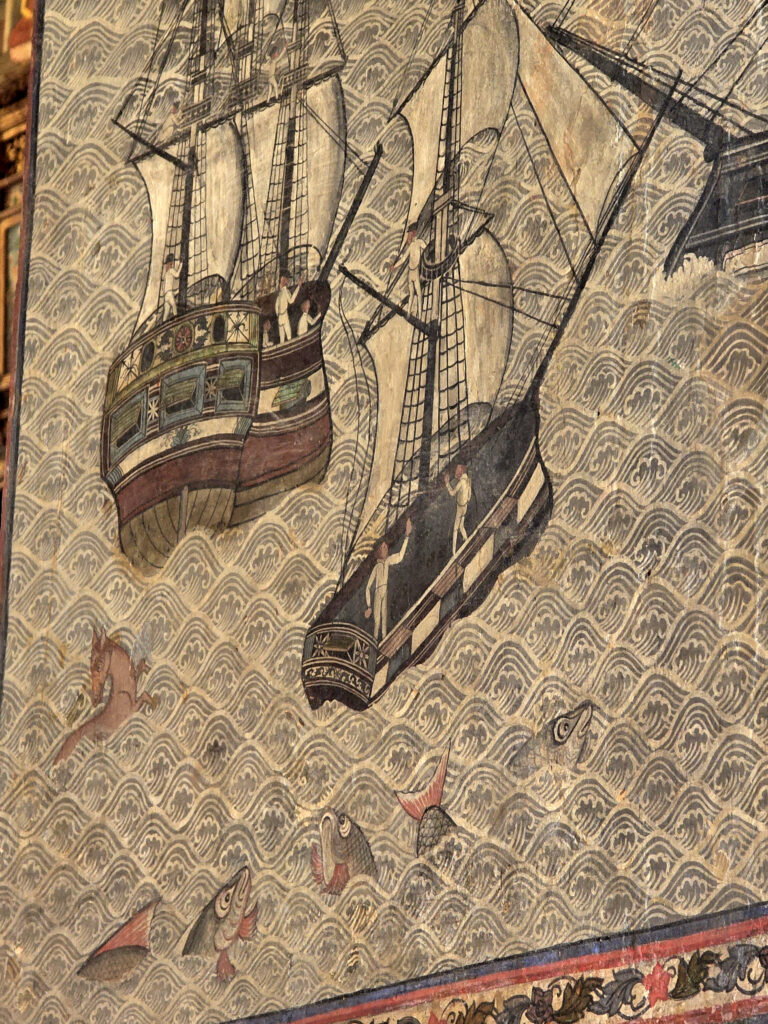
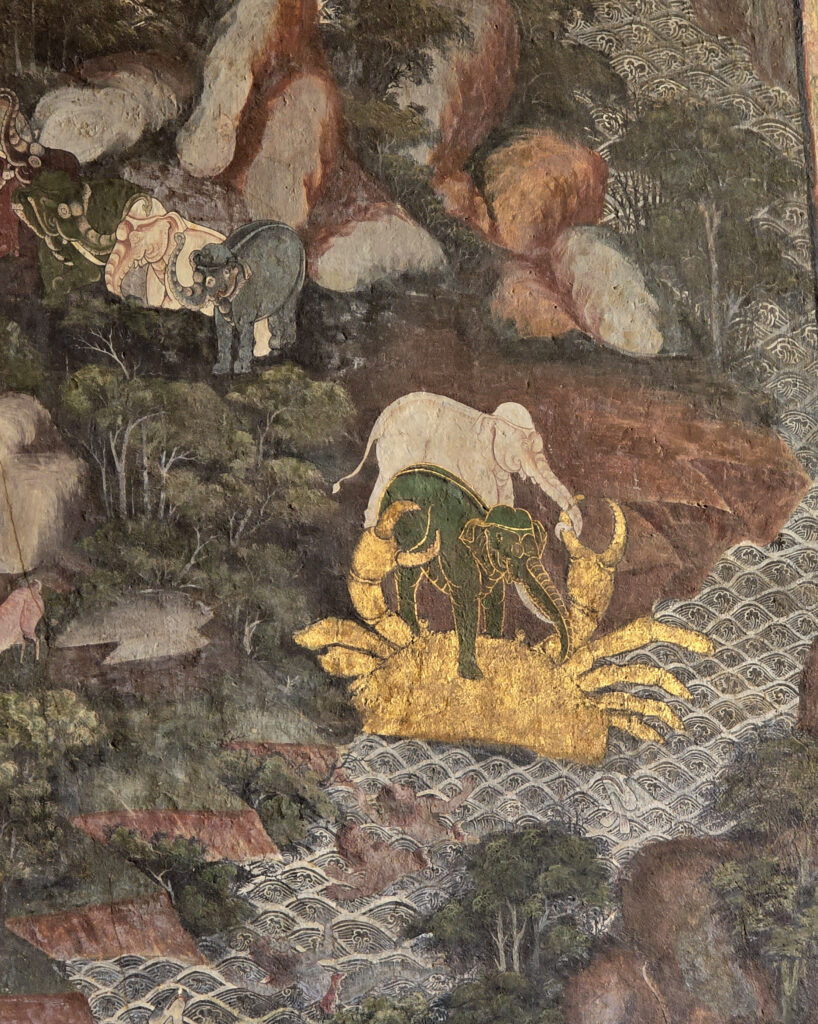
The temple itself, Wat Suthat Thepwararam, is a large hall with a huge golden Buddha in the center, and all the walls are painted with scenes from his adventures. I would love to study it all in detail. From where I was sitting, I could see elephants walking on a crab by the riverbank and a horse swimming near ships. The stories depicted are evidently quite unconventional.
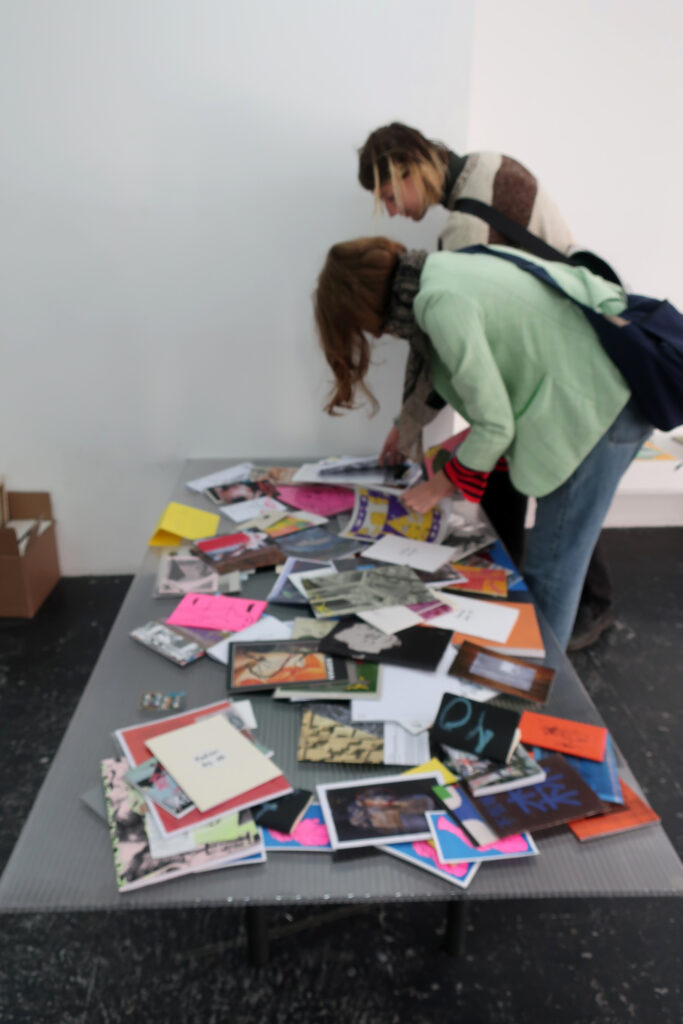
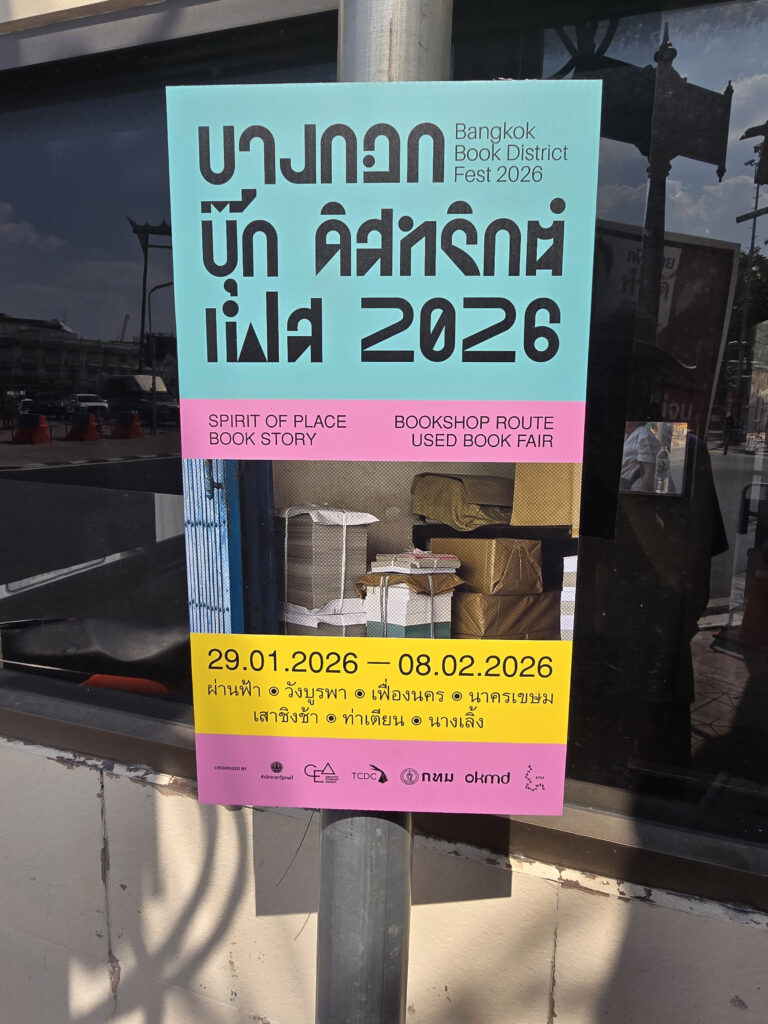
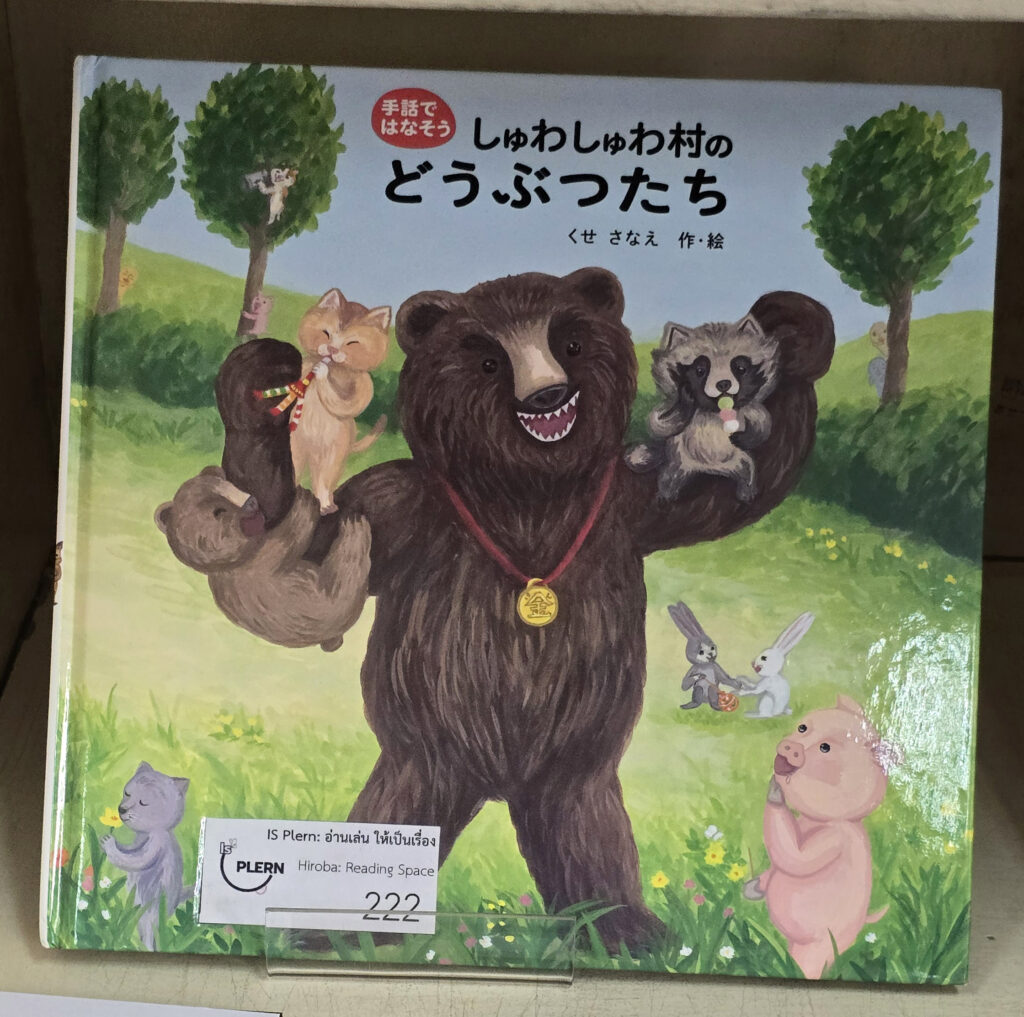
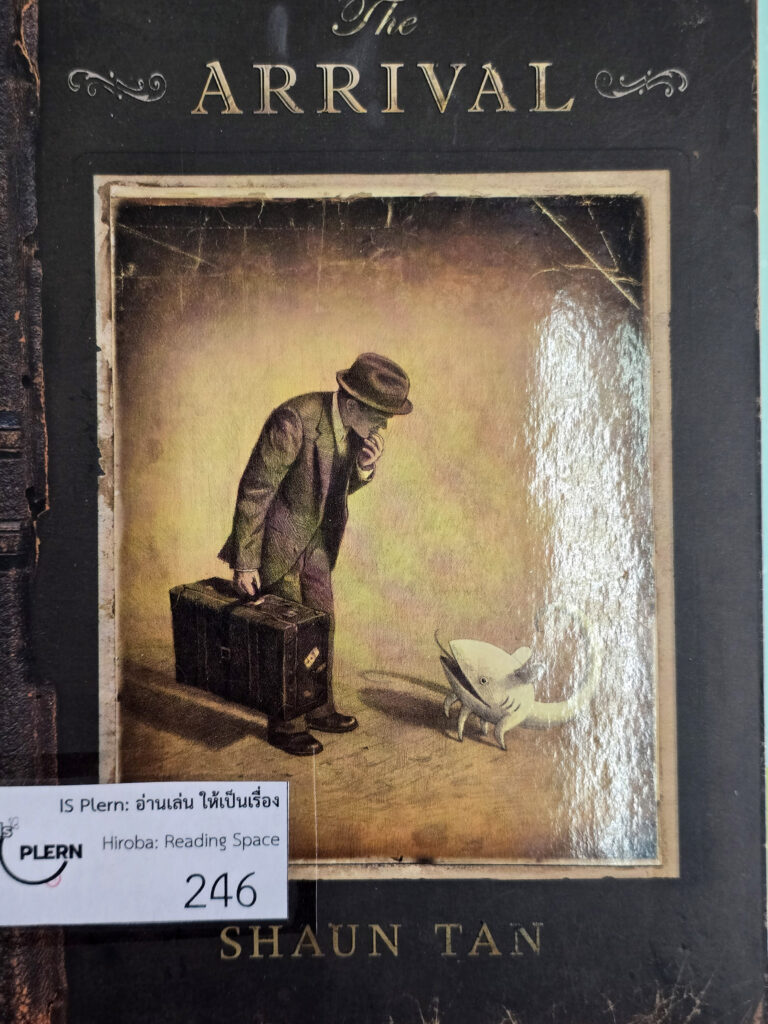
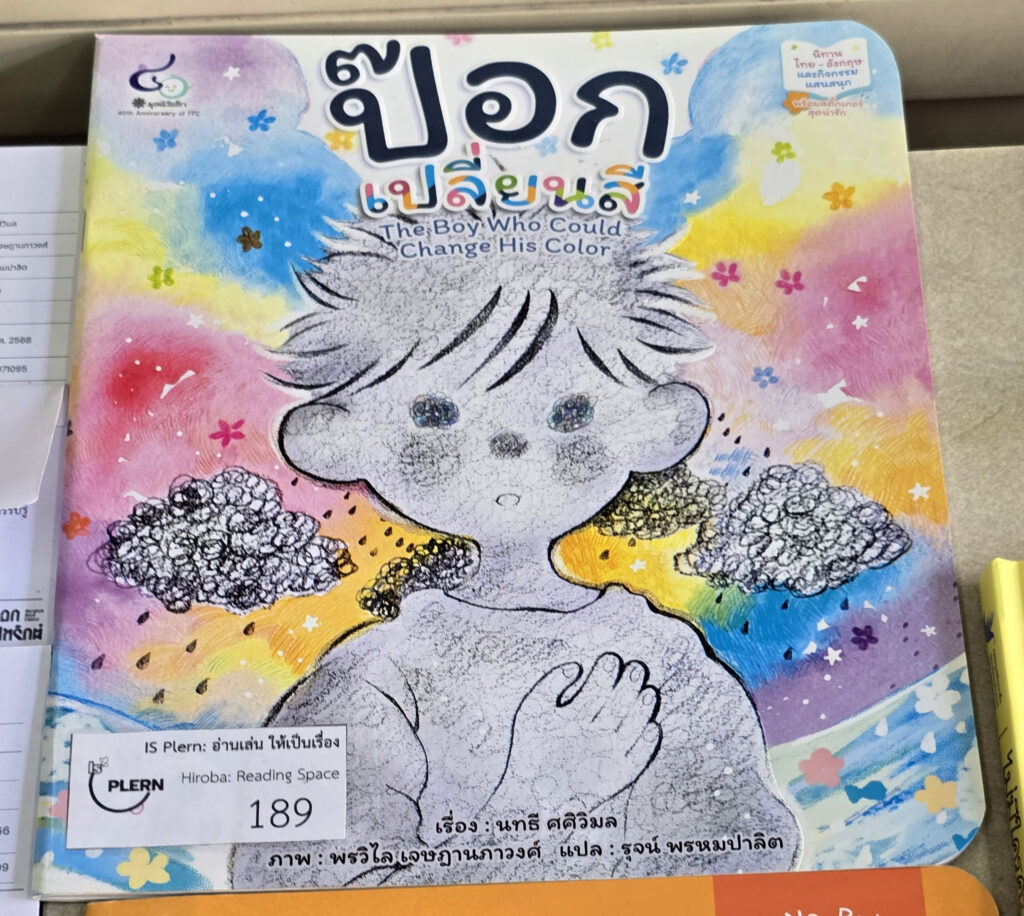
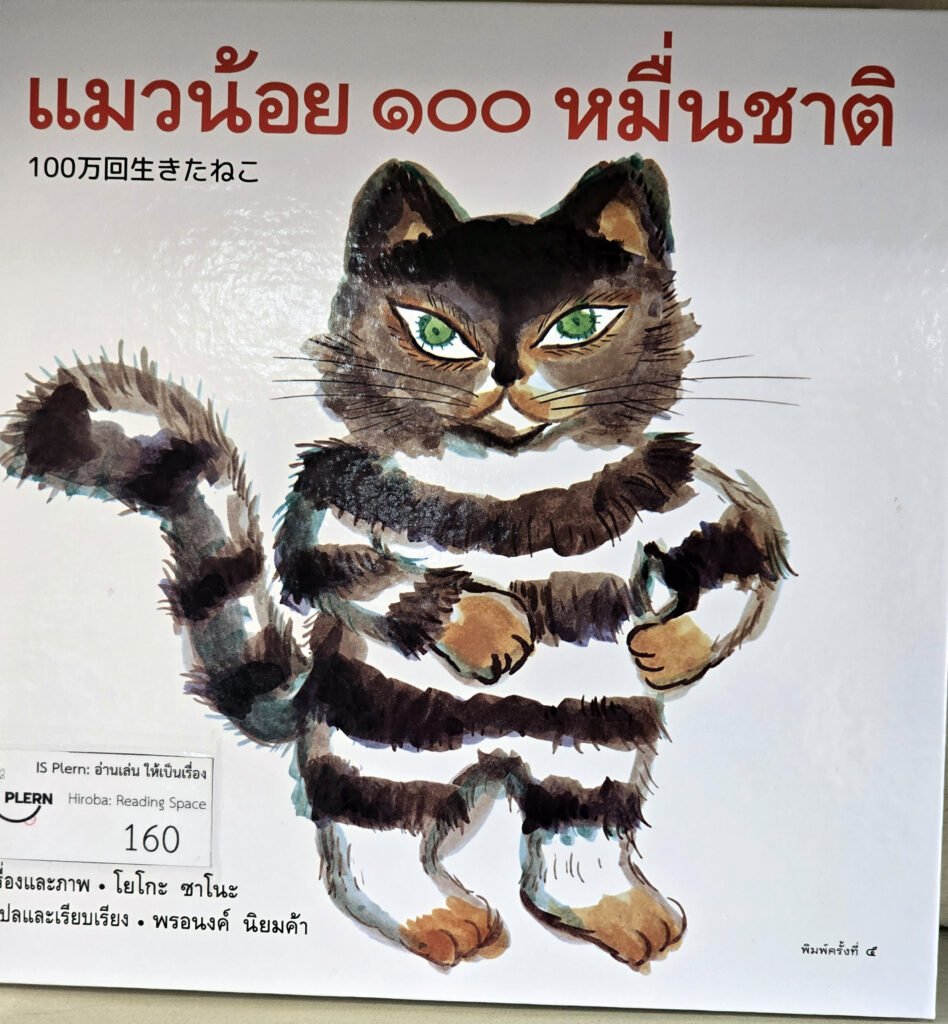
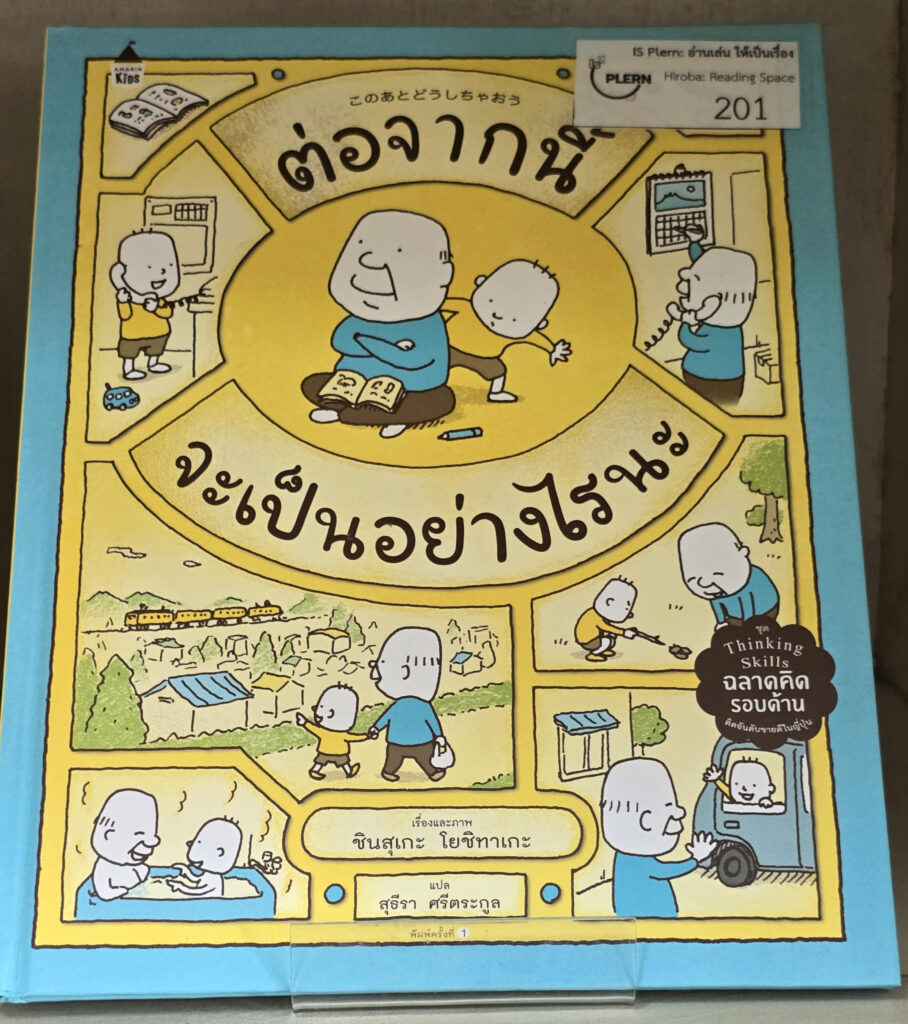
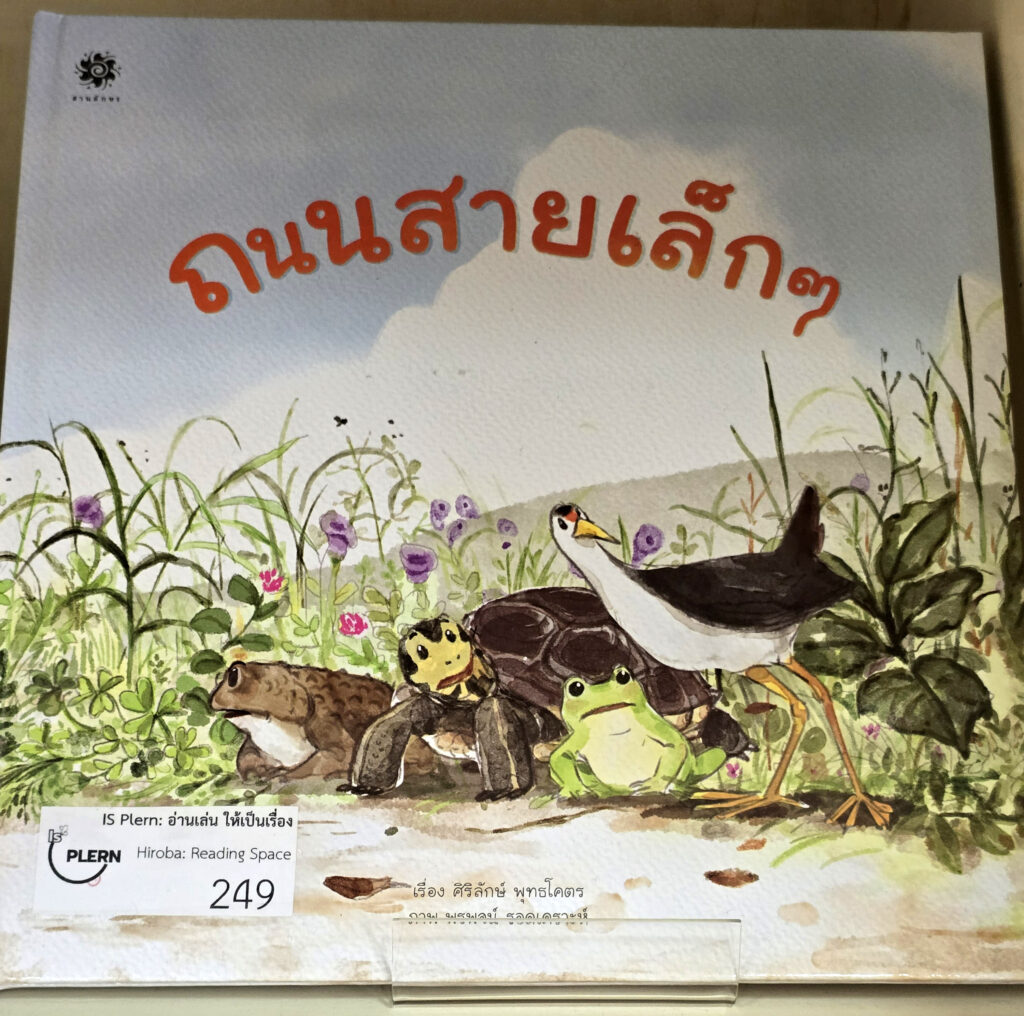
Outside, I saw that a design week and a book festival are currently taking place in Bangkok. I went into one of the venues, which had an exhibition about the beginnings of book printing in Thailand and what’s happening now. I haven’t really delved into the details yet, as I plan to visit their other locations. But I did take some photos of some children’s books.
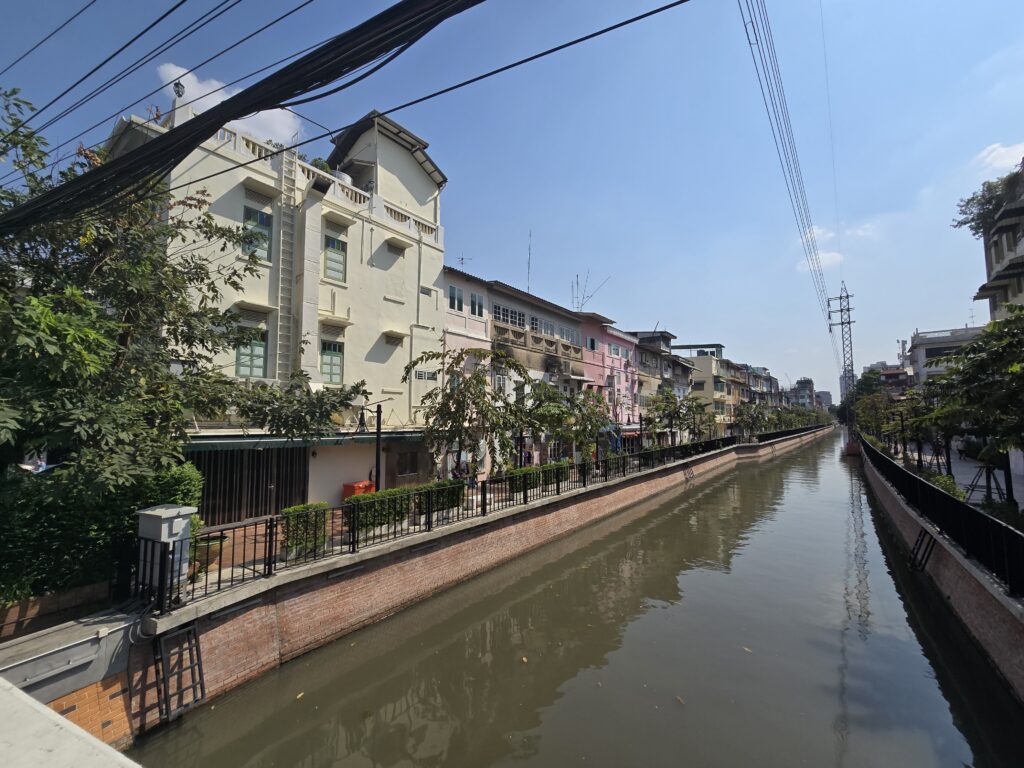
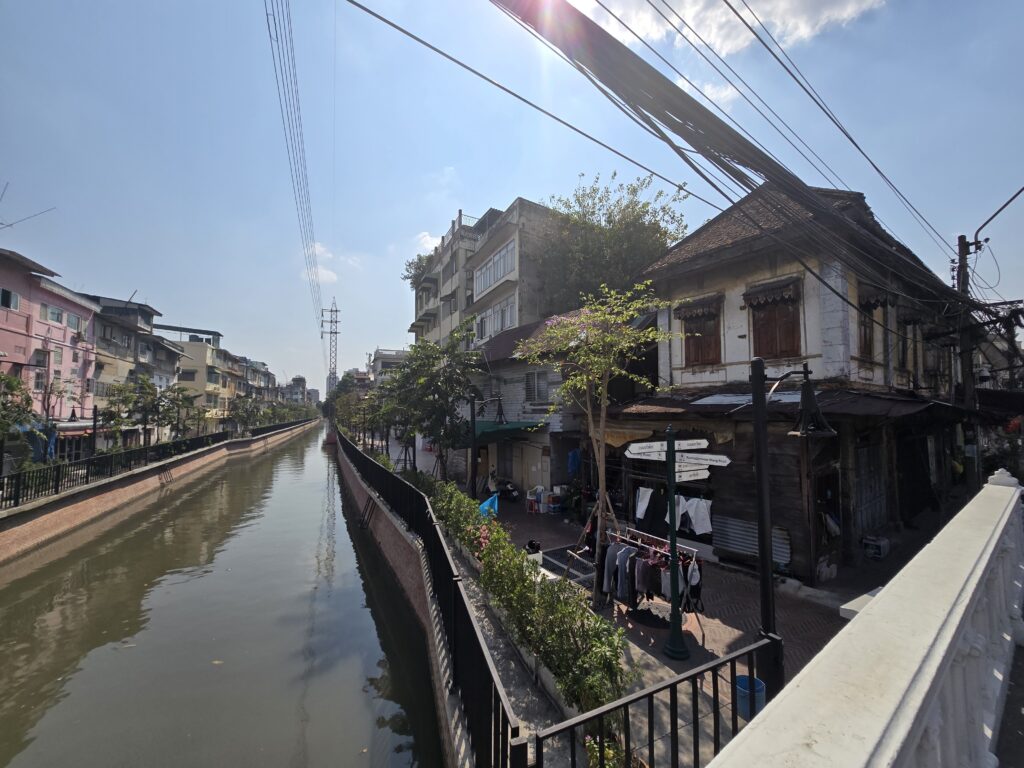
A network of canals runs through the entire city. In some places, they are terribly littered and smelly, while in others, they are quite alright. Passenger boats operate on them, like water buses. I haven’t taken a ride on one yet, but I plan to.
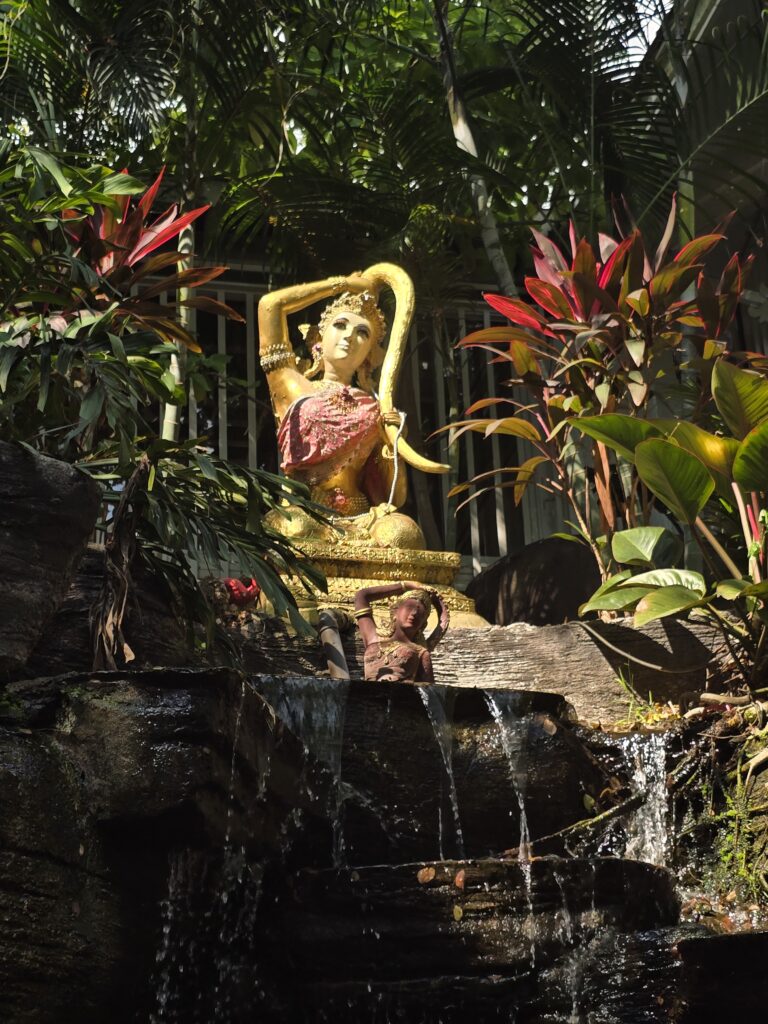
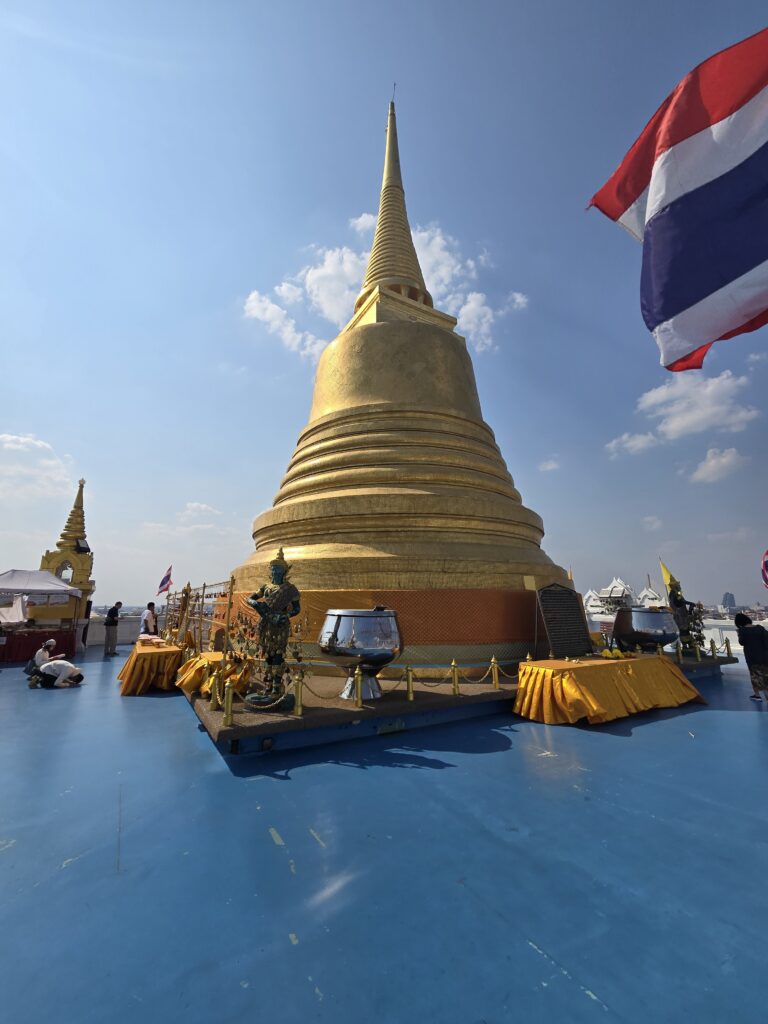
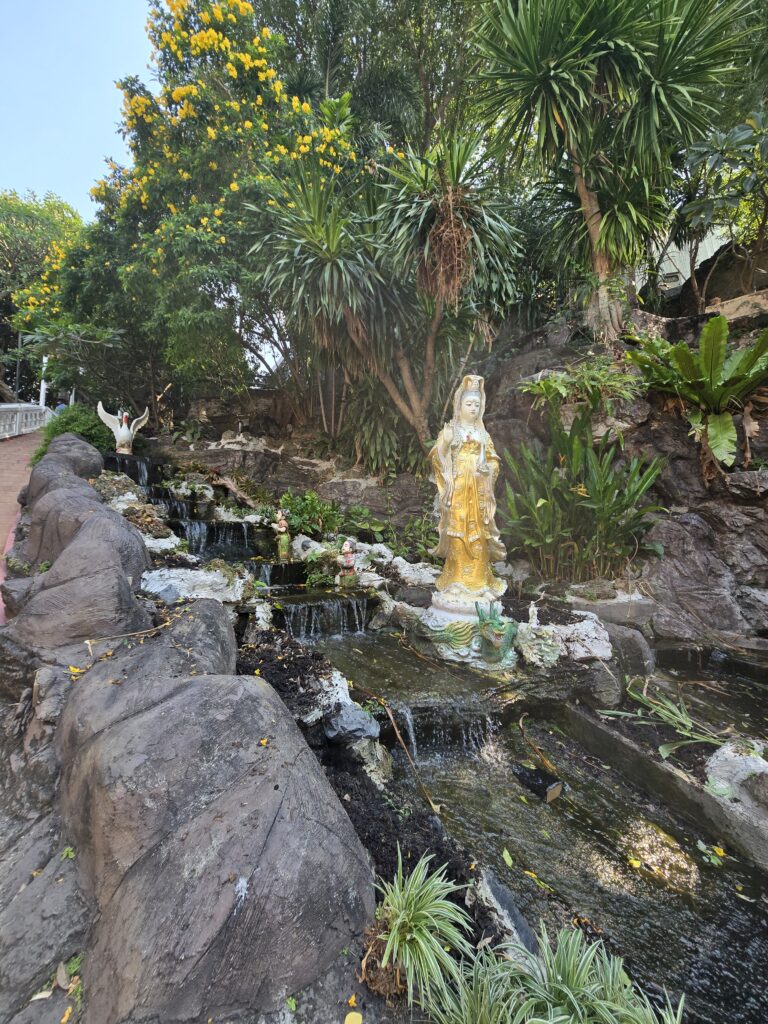
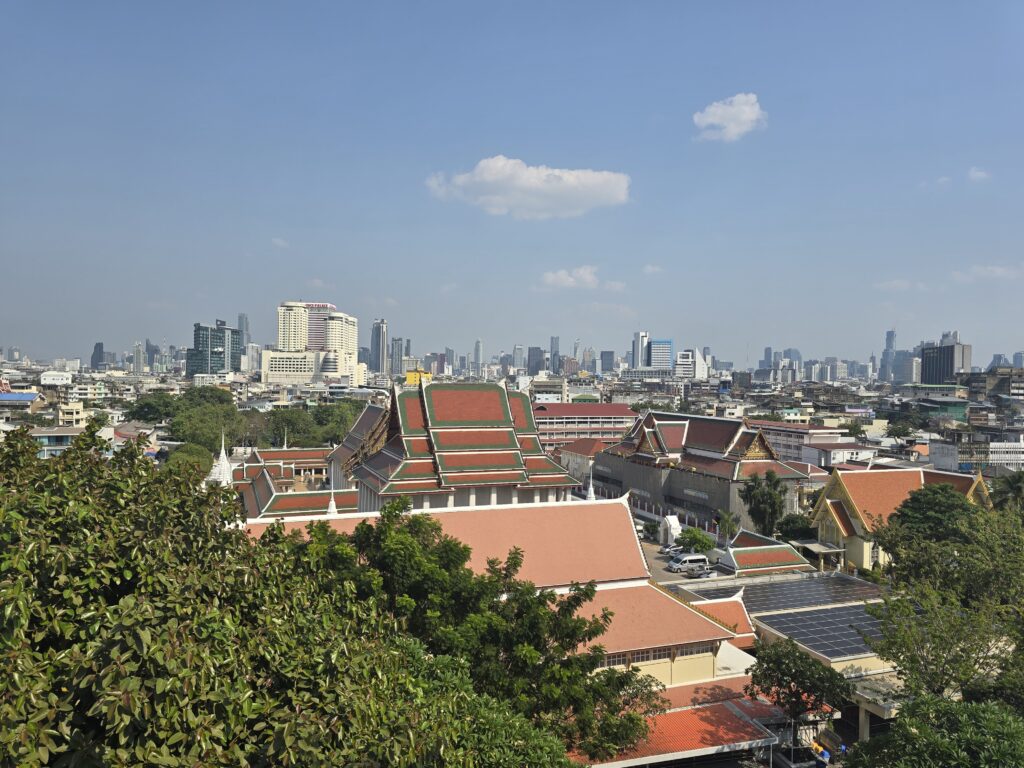
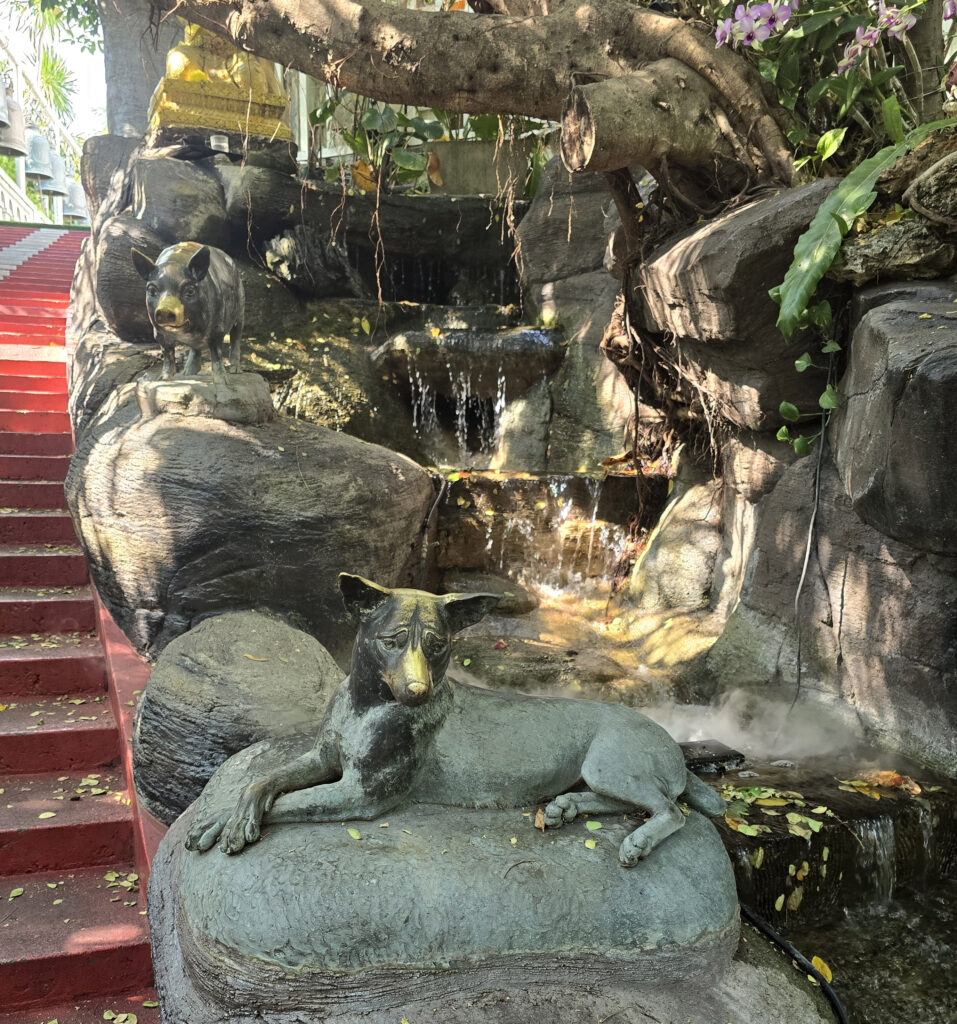
Golden Mount Temple (Wat Saket) is a stupa on an artificially created hill. If I remember correctly, there are 365 steps leading up to the stupa. The ascent is easy. While walking up the stairs, you’re surrounded by trees, carp fish, and statues – it’s a very pleasant, shadowy place. At the top, a great view of Bangkok opens up, and you realize just how many skyscrapers there are. It’s not just one specific district, like in Paris or Moscow, but they are everywhere.
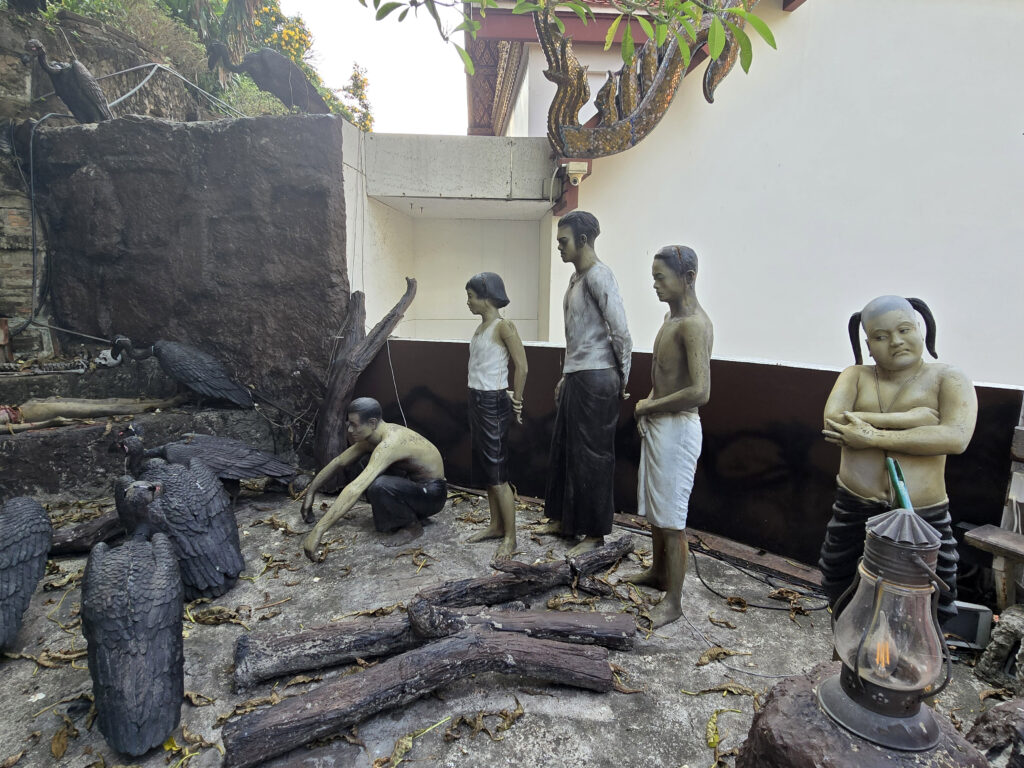
Another story – I forgot to take a picture of the plaque, so I’ll tell it from memory.
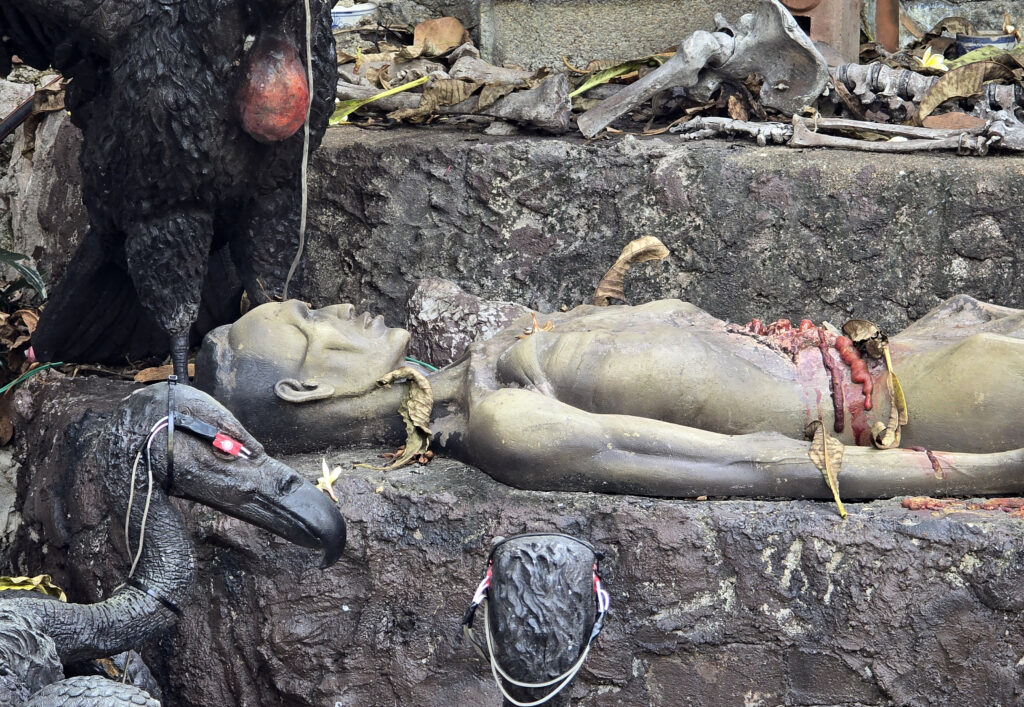
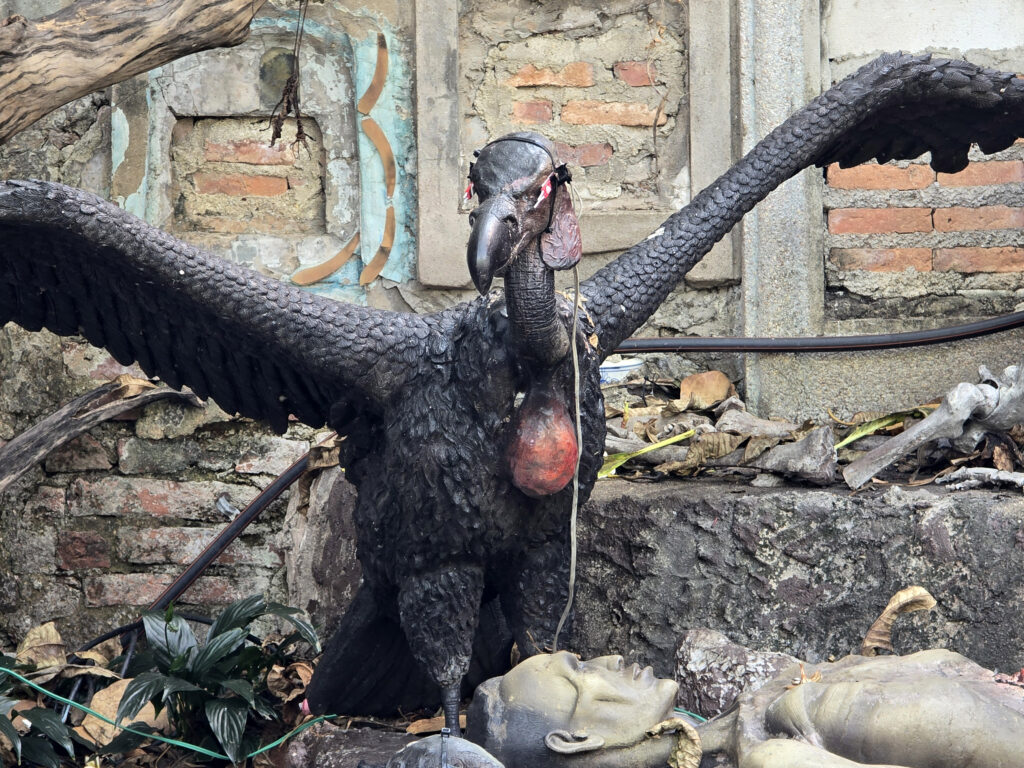
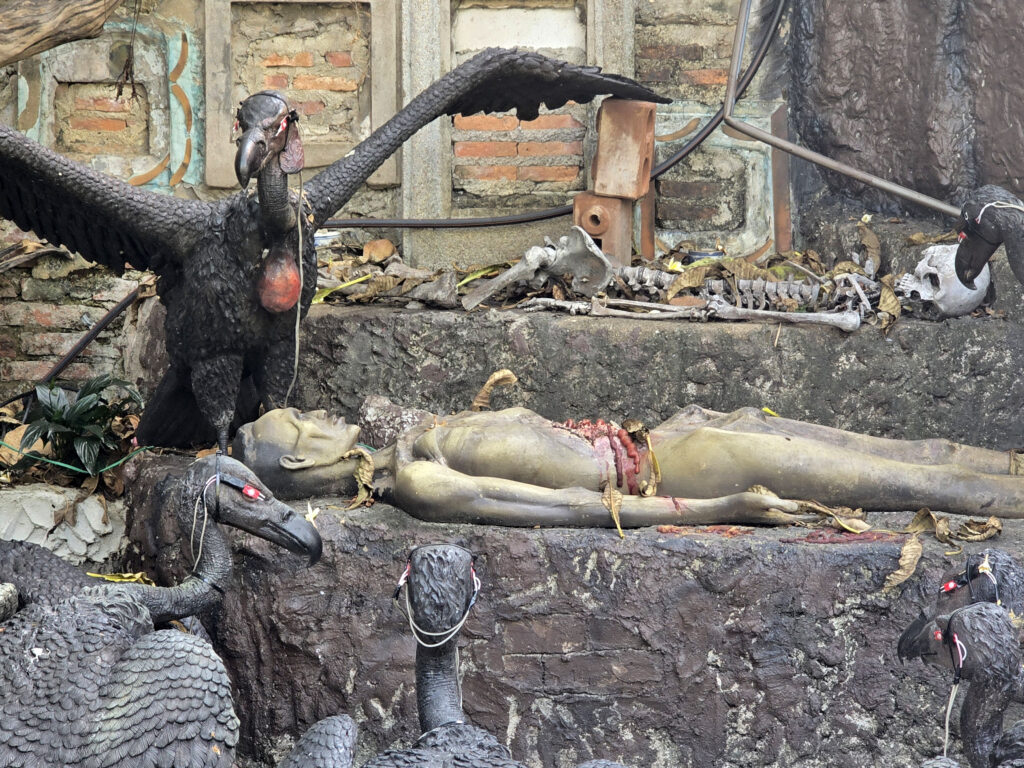
In the mid-19th century, cholera was rampant in Thailand, claiming hundreds of lives per day. The authorities only permitted the removal of corpses along a specific street that passed by this temple. Over time, hundreds of bodies accumulated there, which, for some reason, could not be cremated, and they were all eaten by vultures.
I really like these statues of vultures and corpses. The vultures even have wires leading to their eyes, presumably so they glow red in the dark. But in daylight, it looks like the vultures are wearing Google Glass. There’s also a recording of the vultures’ cries playing on loop. Atmospheric, to say the least. I’d love to see something like this in a movie.
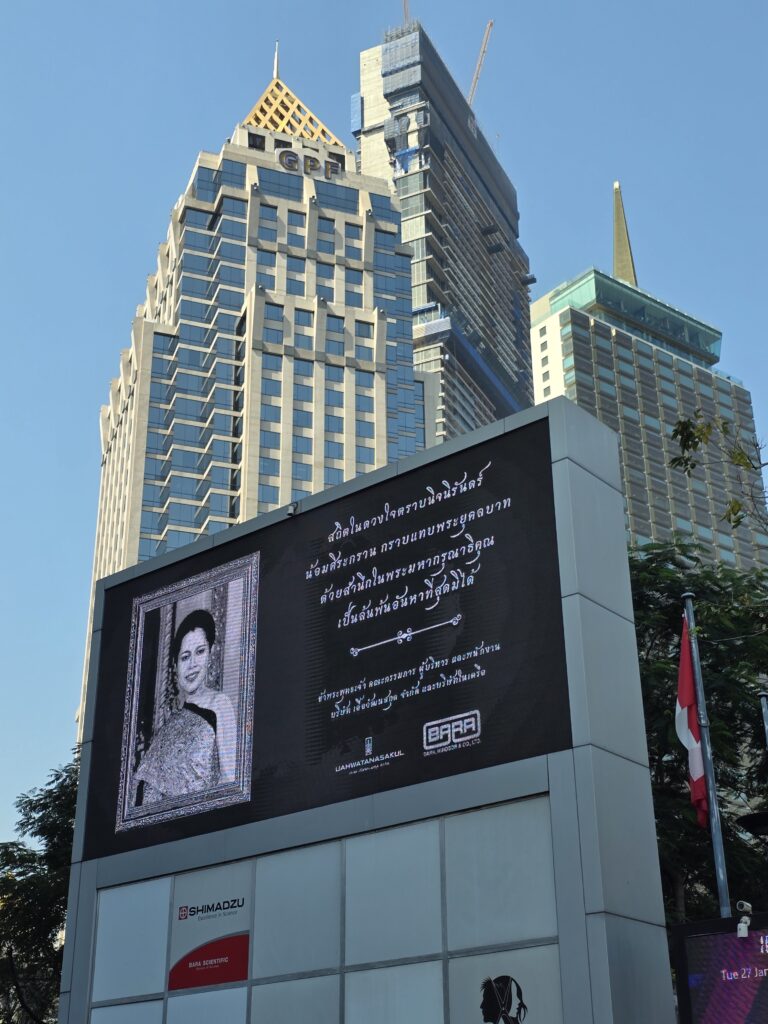
At Golden Mountain, I’ve also bought this brooch, it’s the Queen Sirikit, the adored Queen Mother, who just passed in October 2025, so there are her portraits everywhere. It has plenty of cultural and other initiatives named after her, as she was a great leader and took care of her people. And also she liked fashion, and there is her museum of textile with her silken dresses, I’m gonna go there for sure, just today I’m tired after muay thai session, I’ll tell about it in the next posts.
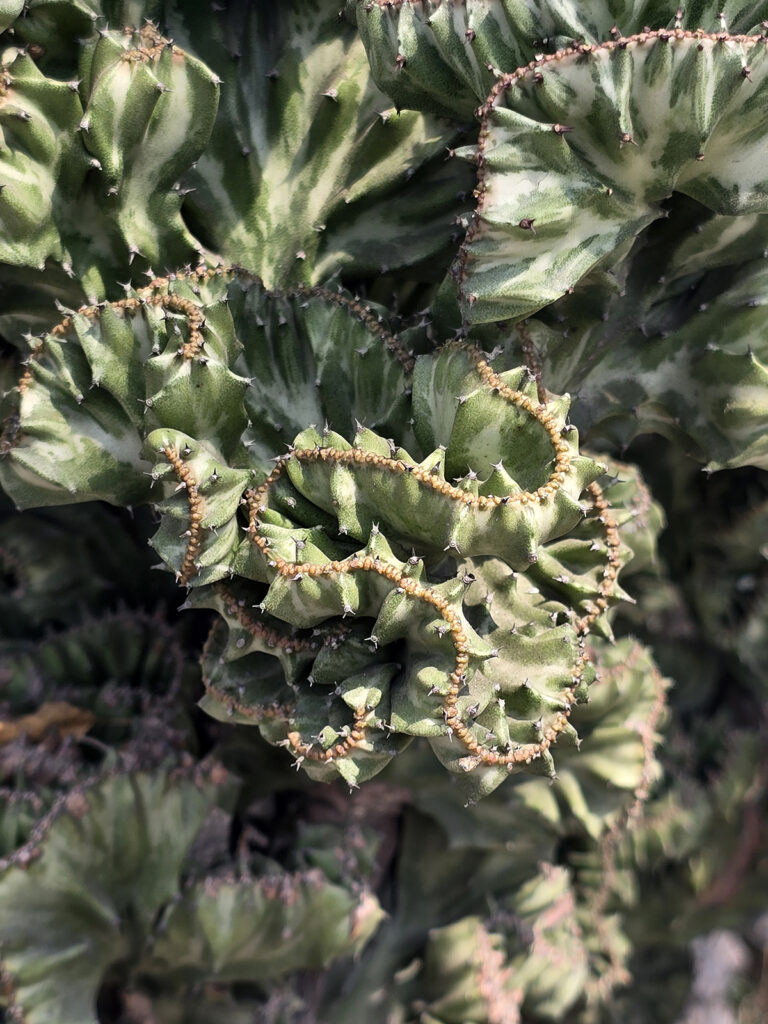
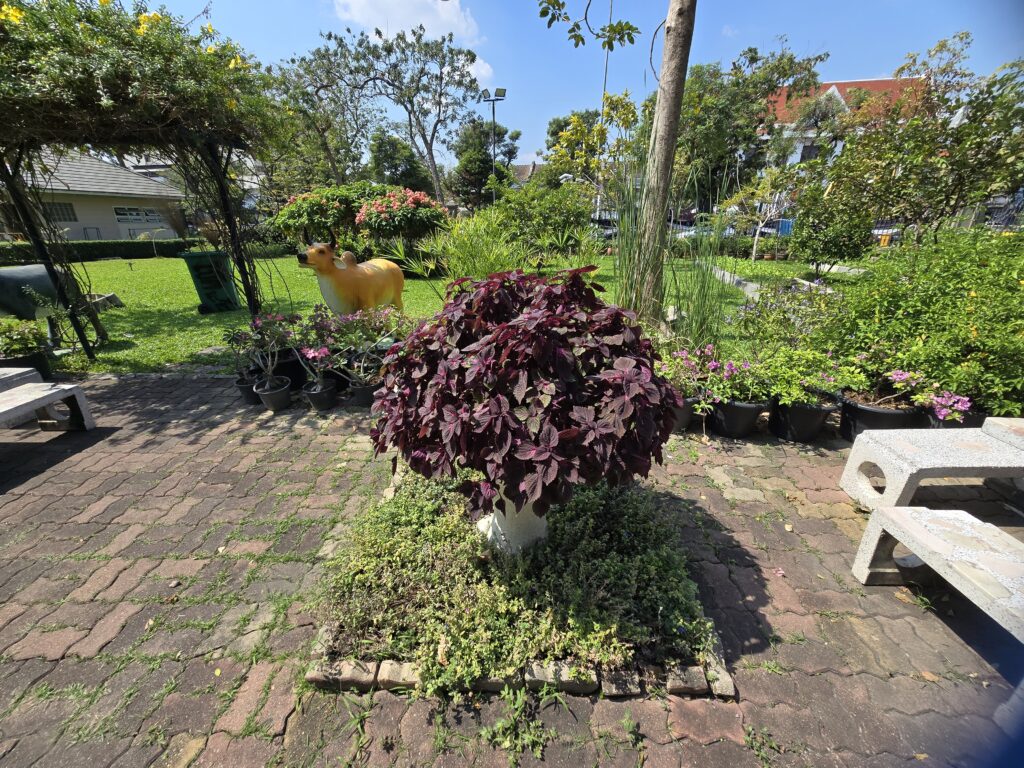
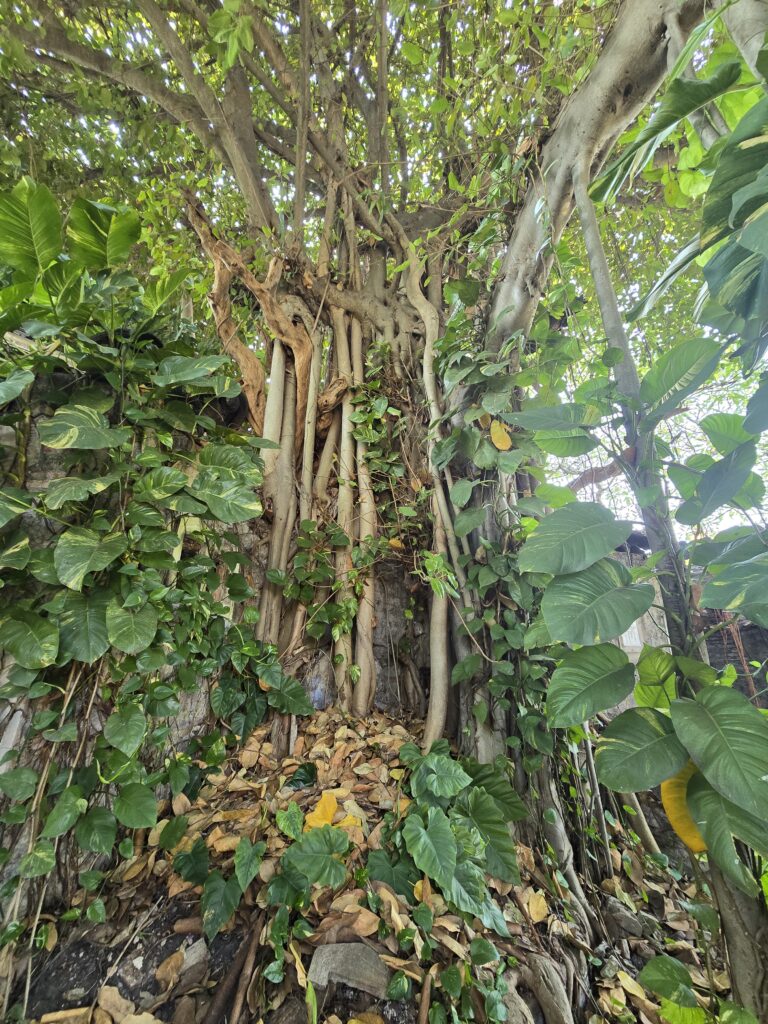
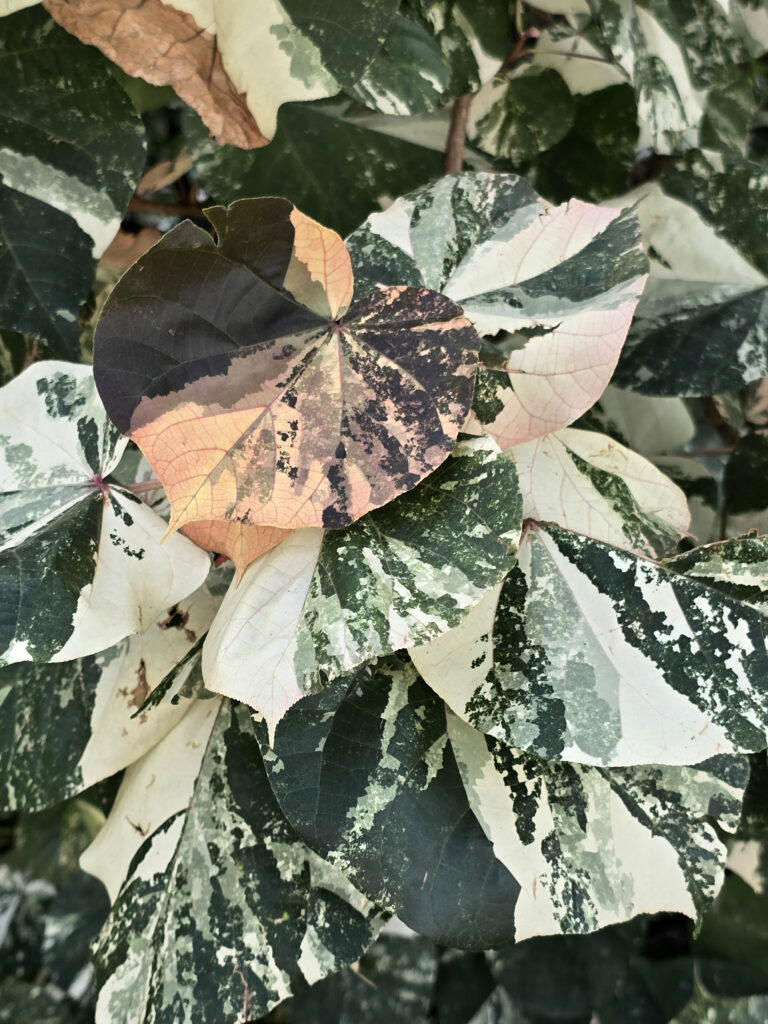
Just a nice plant. In Bangkok, a big part of life, mostly middle and high-class life, happens in shopping malls. They are heavily air-conditioned, and people even wear light jackets and sweaters there, despite the heat outside. They are huge consumerist paradises with so much food, like food is everywhere + ground floor and sometimes the first floors are dedicated entirely to countless food stalls, quite affordable for a European salary. Everything is clean, tidy, and cute.
Street food, by the way, is two or three times cheaper, but people sell it right next to busy highways, often from very old and poor-looking stalls and restaurants (they are just old and poor, but the quality of food is ok — I’ve never had any stomach problems here, even though I eat anywhere).
Price example: Rice noodles with beef broth – 220 baht at a mall (+ much more tasty) Wheat noodles with pork broth – 65 baht at a street food market
And in these air-conditioned spaces, there are completely different people — perfect fair-skinned Asian men and women with flawless makeup and expensive clothes — while on the street, you see ordinary Thais: darker-skinned, middle-aged, or young but seemingly from the countryside. In short, there’s a very noticeable social stratification.
I’ve recently read about malls displacing community centers (that don’t sell anything to people who come to share and practice their hobby), and this is a good illustration.
By the way, following the advice of the Deepseek, to find people here, I’ve installed the Meetup application that helps to search and participate in activities such as bicycle walks with people you don’t know or language exchange, and they always meet in malls’ food halls, ‘cos it’s a convenient place.
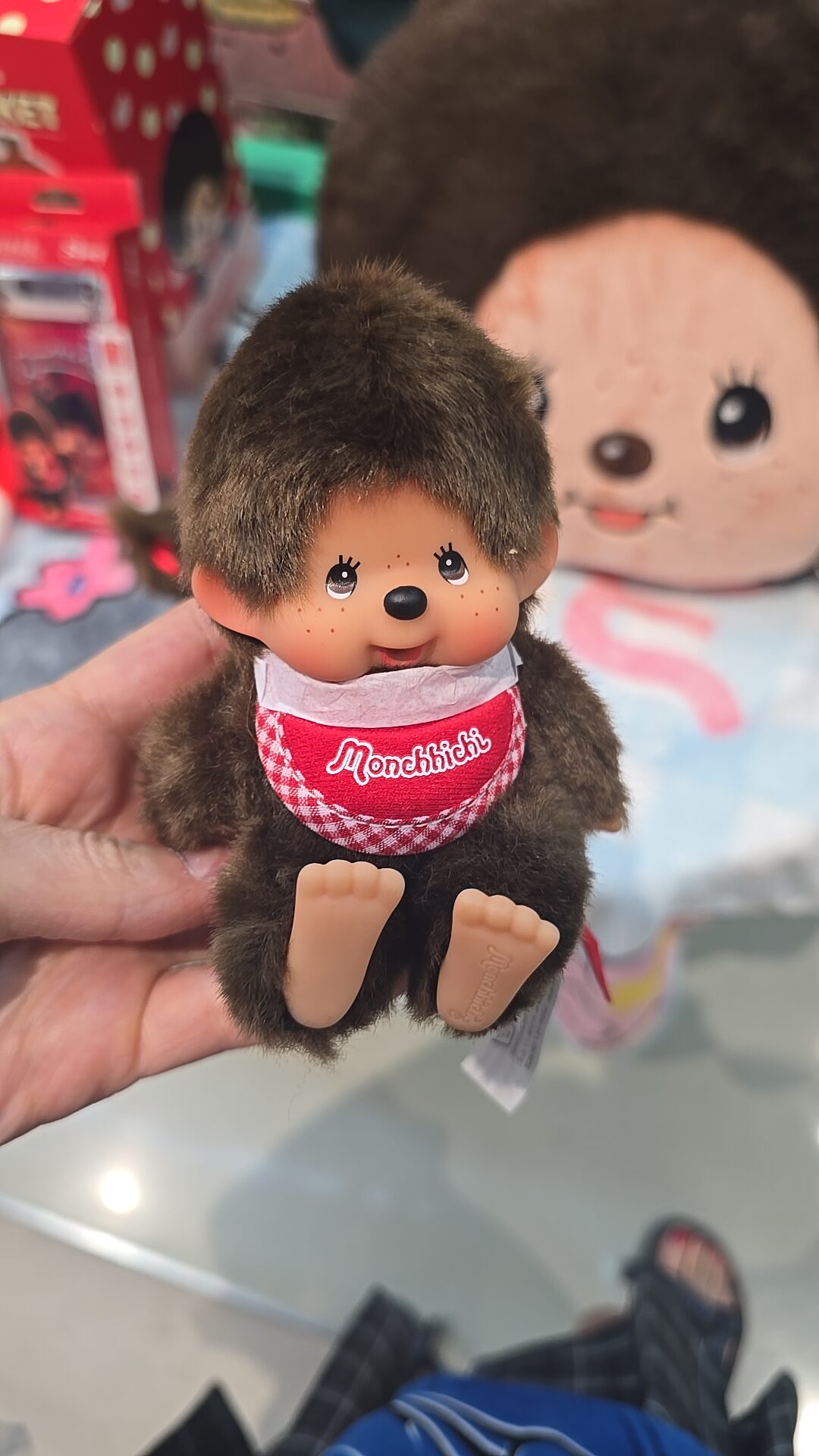
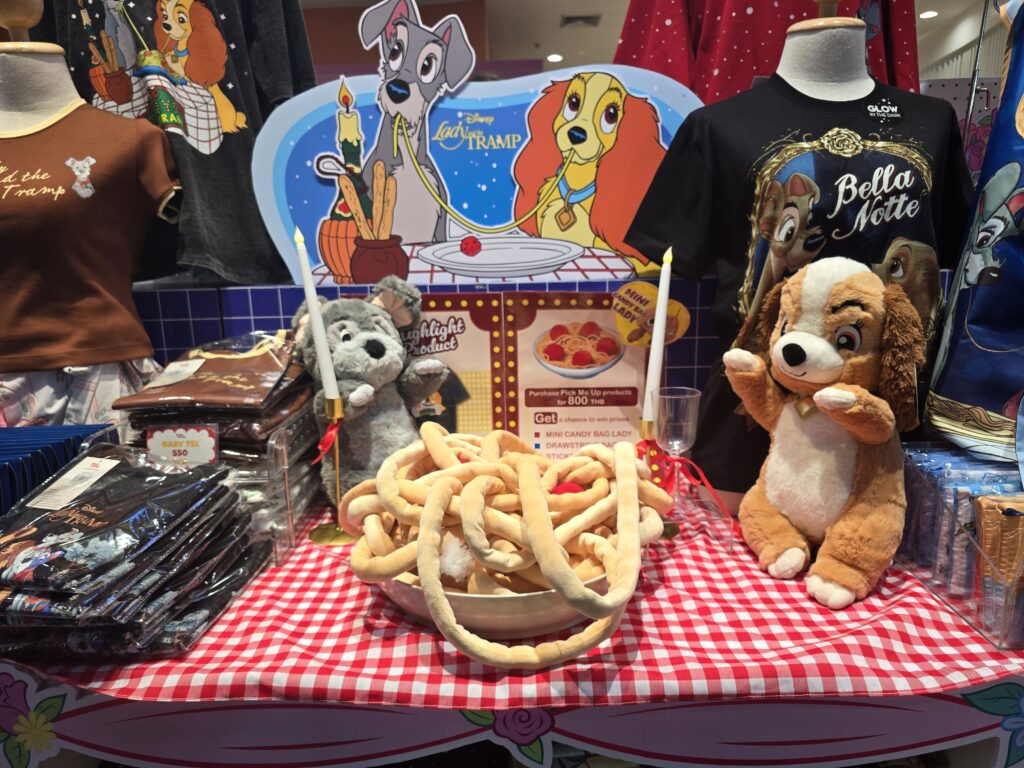
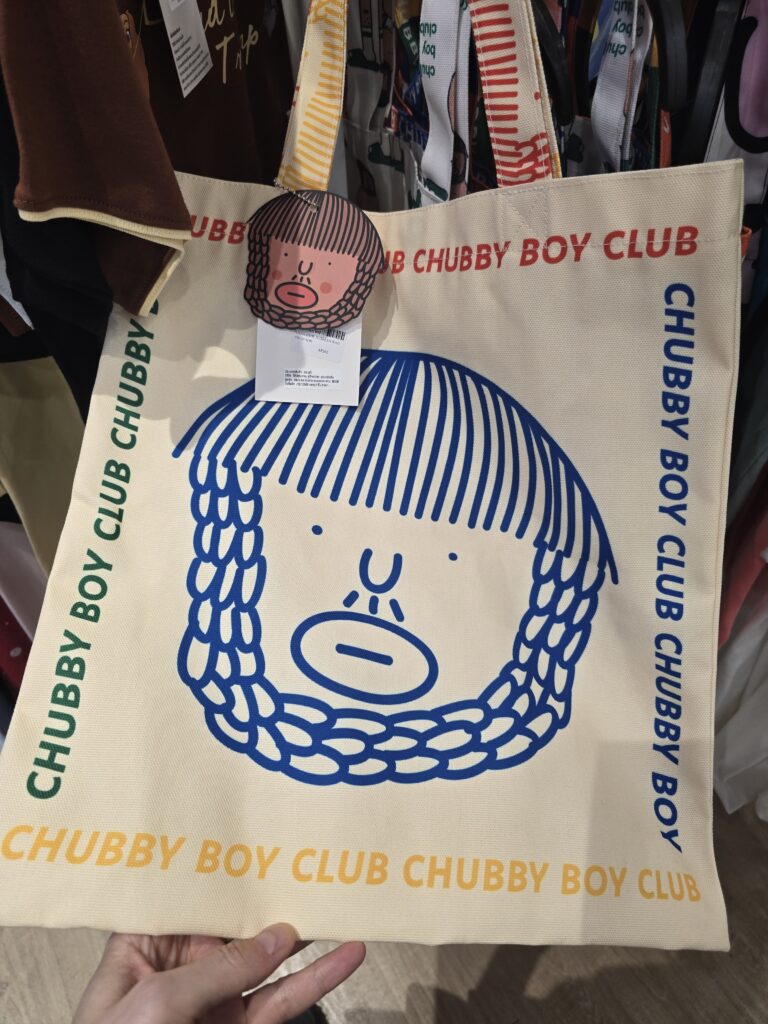
And yes, I never liked commercial malls in Russia or France because they’re so boring, but the malls in Bangkok appeal to me. First, the food; second, tons of products I’ve never seen before — plush toy. Everyone trendy here has at least one small plush toy attached to their bag, like Teletubbies or Labubu, Chubby boy, or whatever; they are all parts of families of plush toys with their stories. Too many stories by the way, hard to follow, but its complain from someone were growing up in the era of TV when everyone shared the same few stories. Anyway, I feel like after Nantes, it’s like I live in a village, calm, anti-consumerist, left-wing village, and I see what the world is about right now. I can’t help but adore the energy of this big, yet quite affordable qnd always summer city.
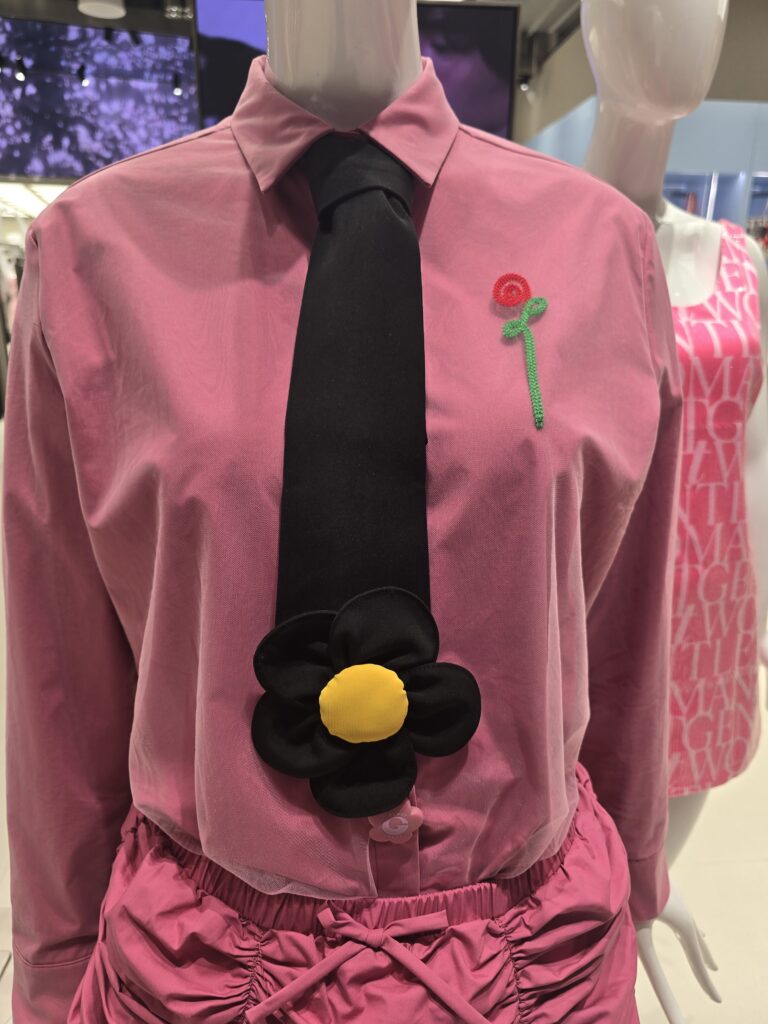
The tie in the photo is a Thai brand Gentrewoman — the name itself is great, plus look at this tie! I really love this style, and honestly, I’m in a hypomanic state right now, but damn, it’s so boring in France, even in Paris. Or maybe I’m just tired of it. Here, everything is new, and we always love what’s new.
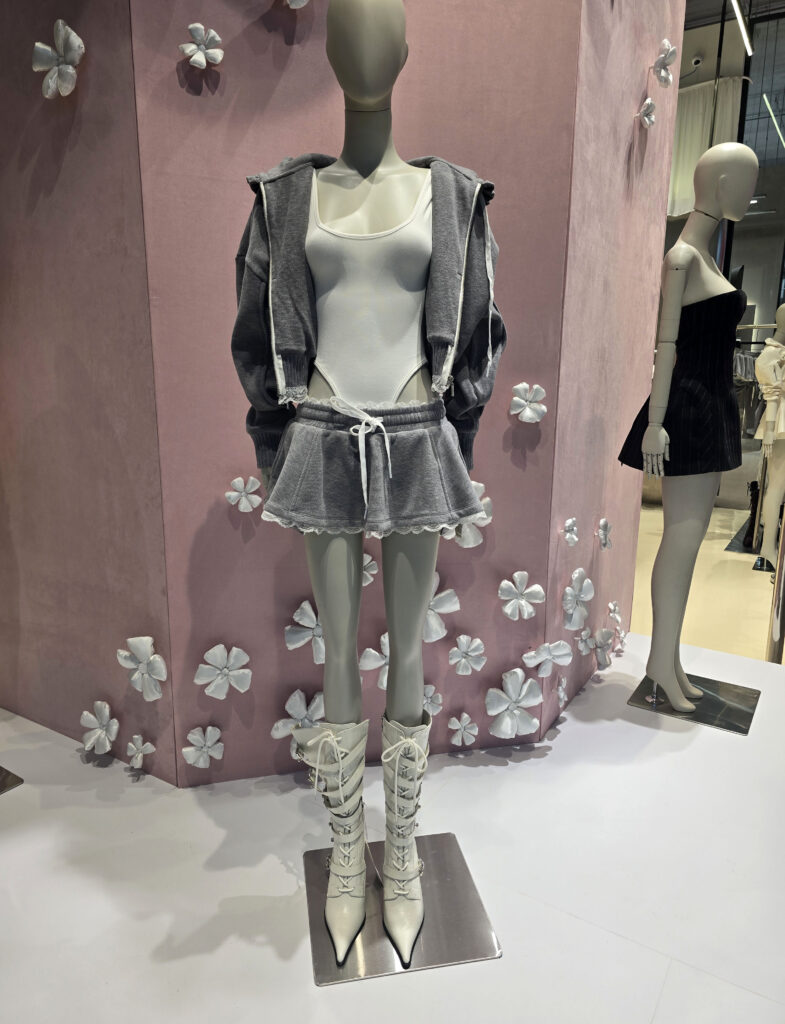
I wandered into a cute store and unfortunately didn’t think to take pictures, but what I liked was the many upcycled designer items. So this is where the upcycling market is! In Nantes, I saw a few shops, but I didn’t like the items themselves. Here, the things are beautiful, and now I feel like launching my own clothing line — at least it’s clear that there’s interest in it in Asia.
Actually, I came to that mall for IKEA. The pillows in my hotel are simply terrible, so I thought I’d splurge on decent ones since I still have three weeks to sleep there. And I bought a bee and a French press.
I’ll write more about the bee later because, on Dima Kaminsky‘s advice, I started reading a book, “The Life of the Bee” about the bee’s spirit, and I like it a lot. I’ll share some quotes from this book in the next posts.
Writing this, I want to go back to the places I’ve been and take good photos to show in a post, and then it hit me: this is probably how videos for Youtube are made — people first visit places, pick what they like, and then return to shoot videos, rather than filming from the get-go about something they don’t even know yet. It surprises me how sometimes the most obvious things aren’t obvious to me.
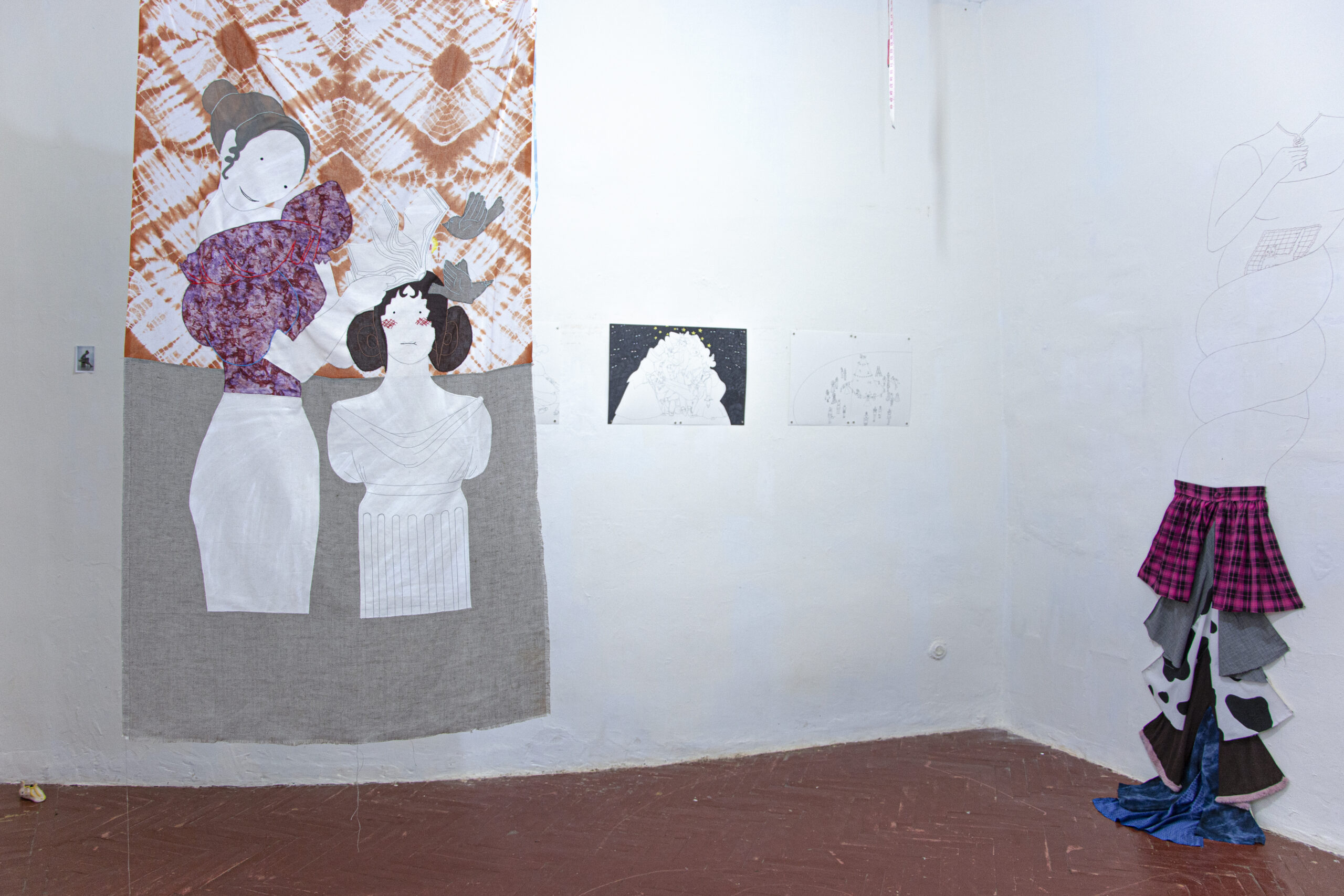
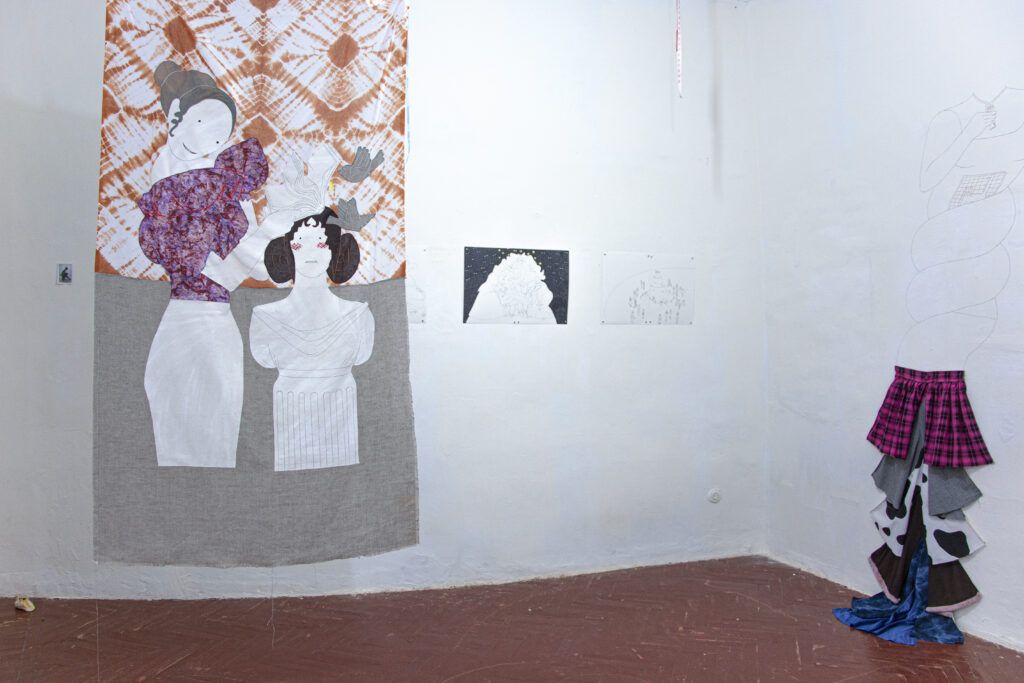
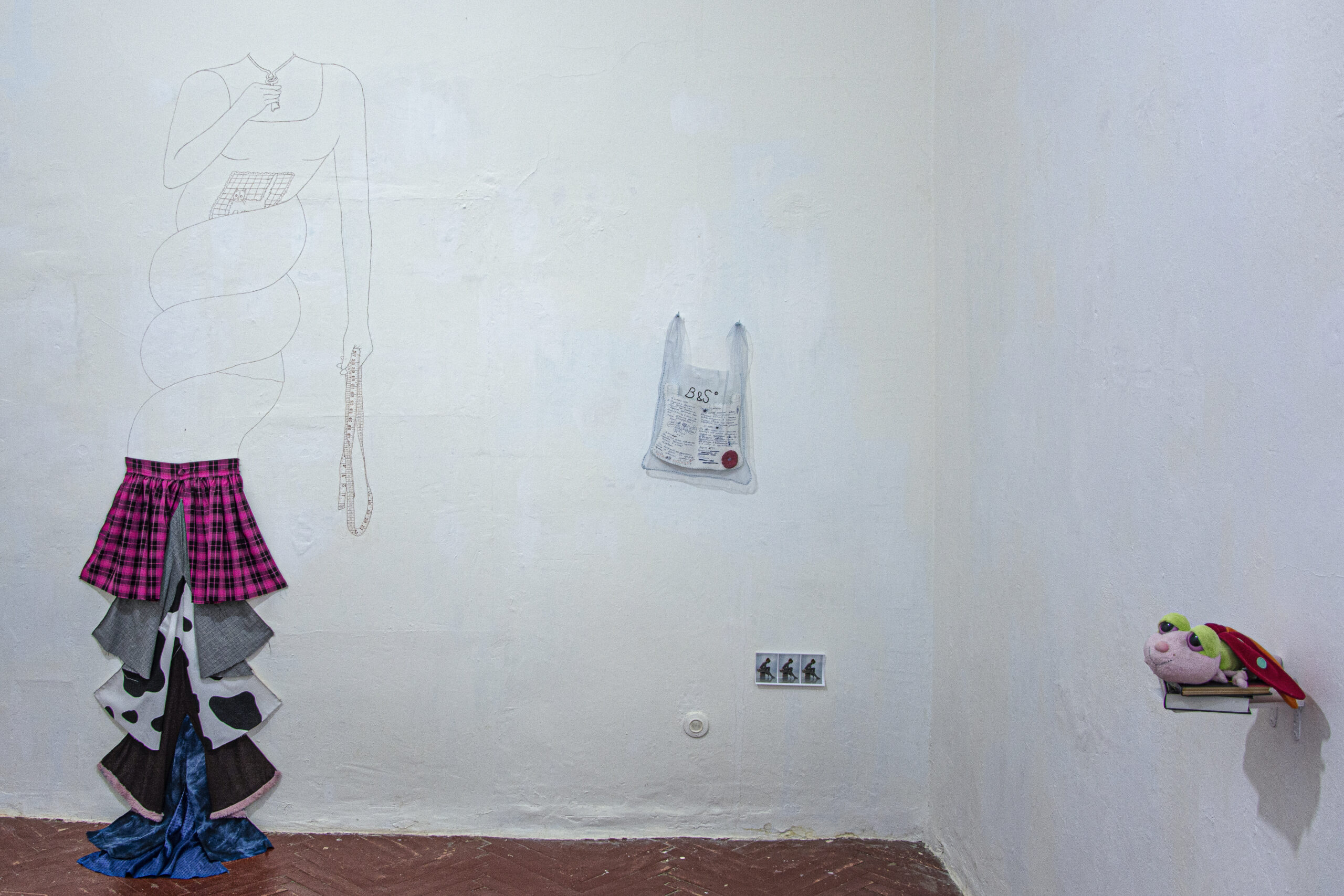
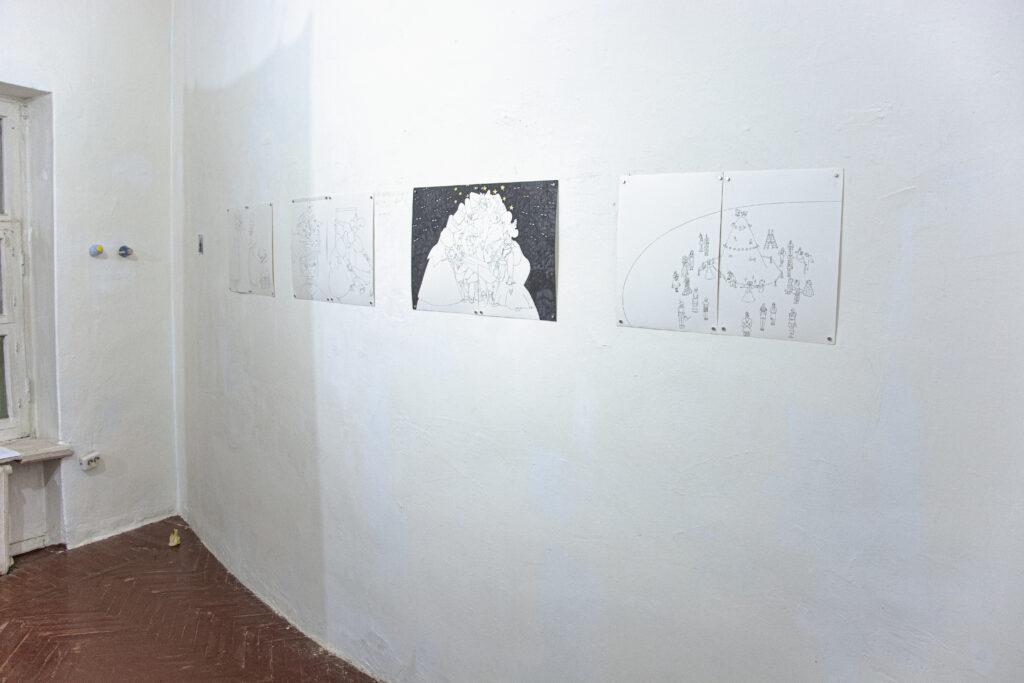
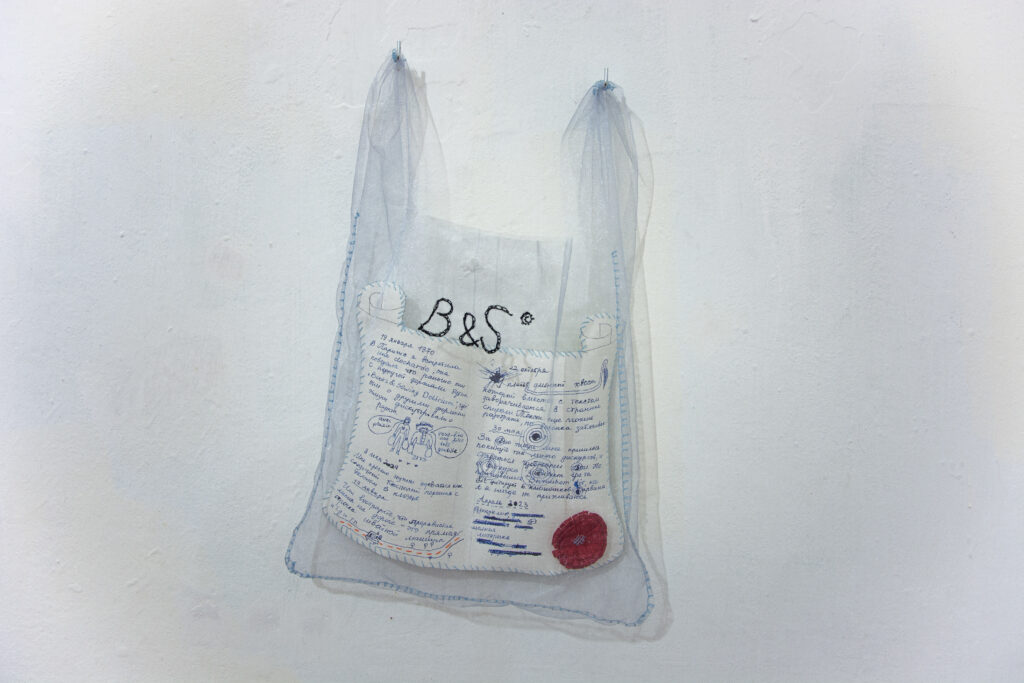
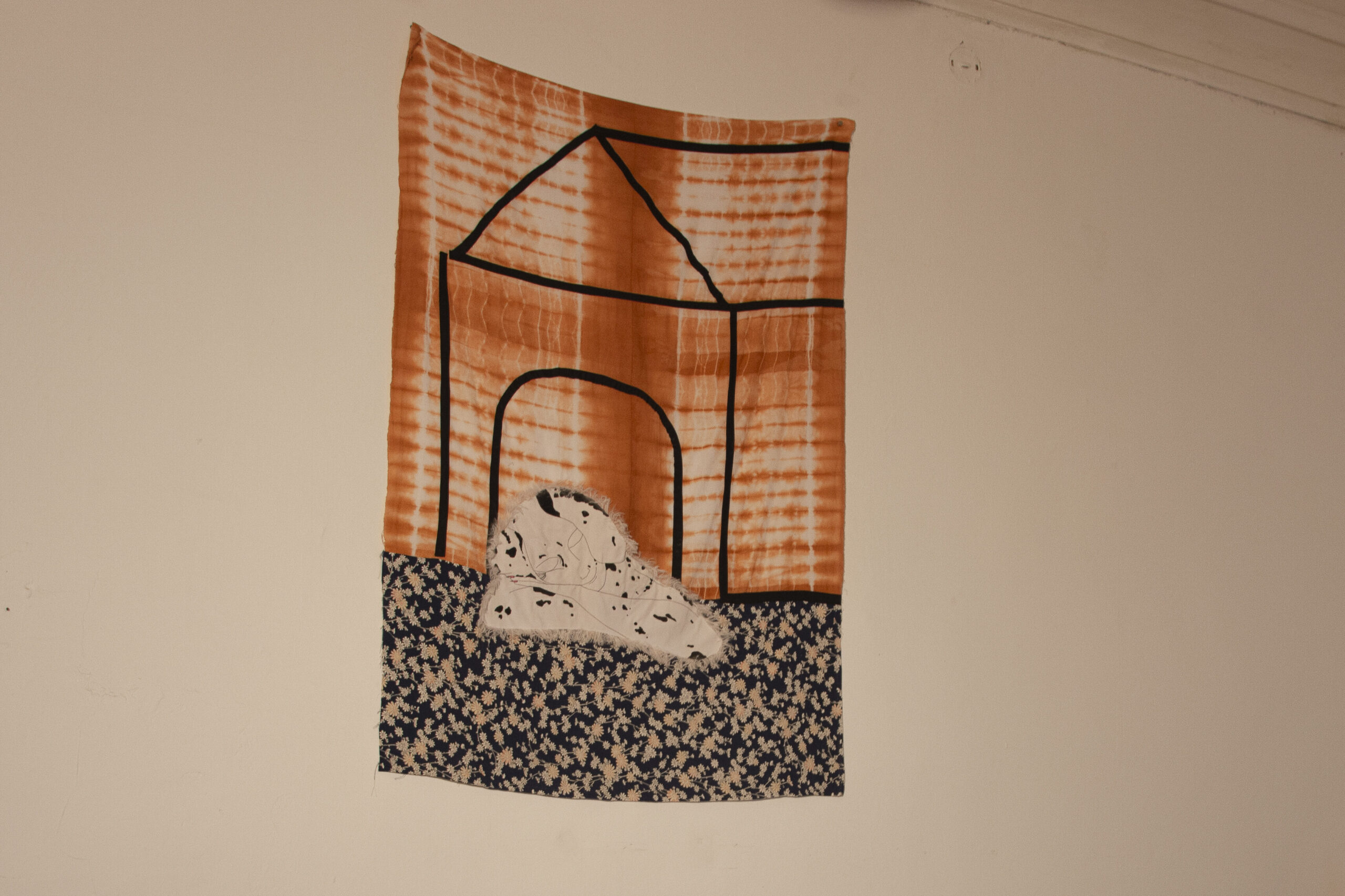
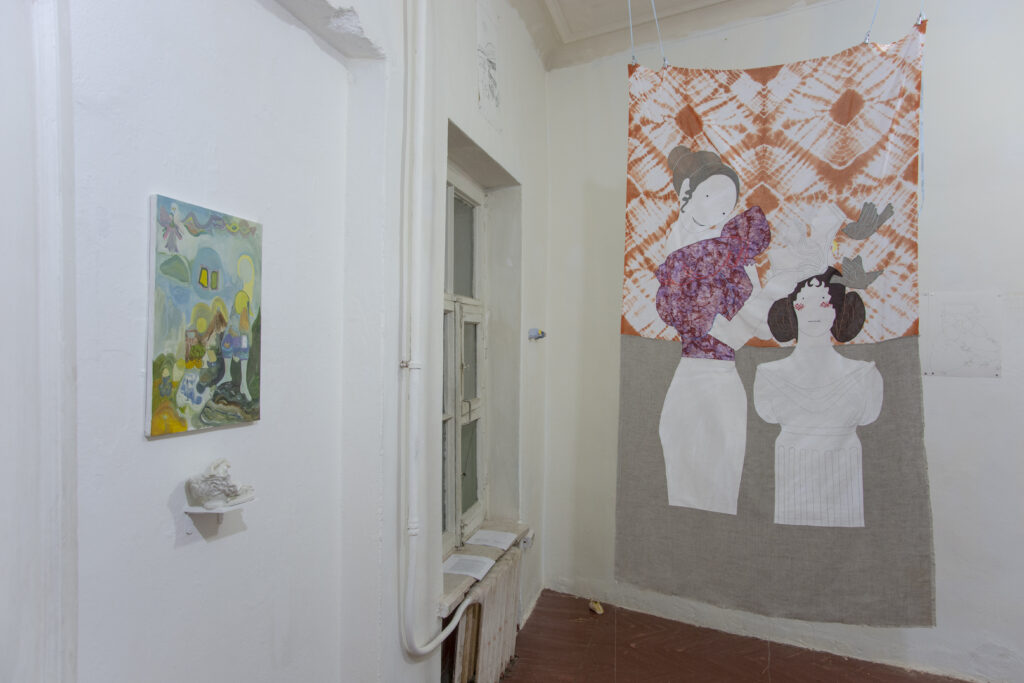
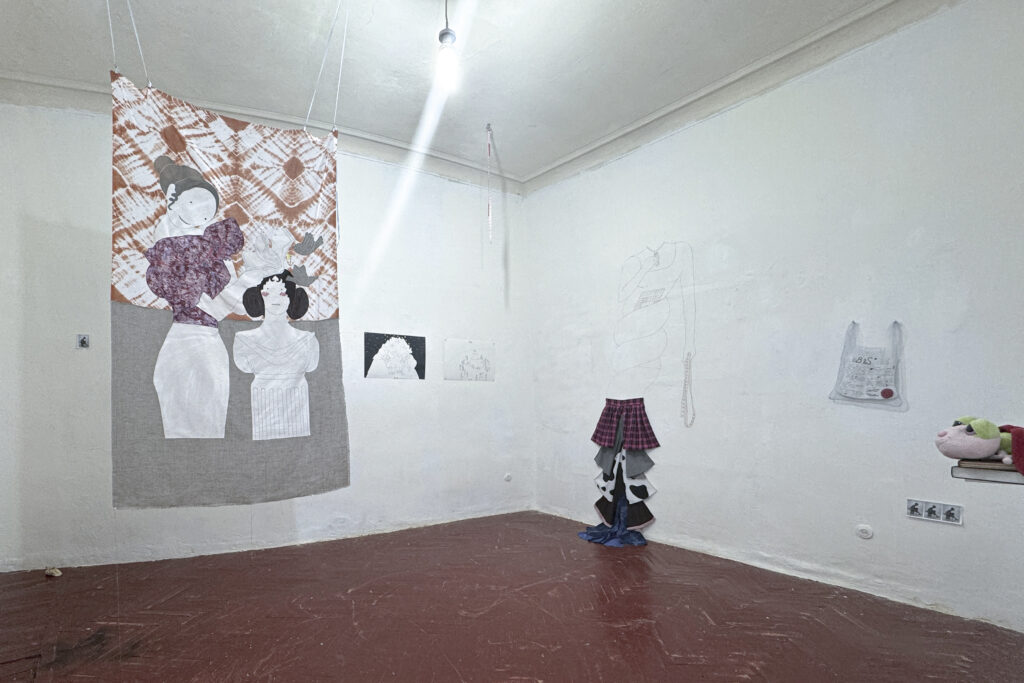
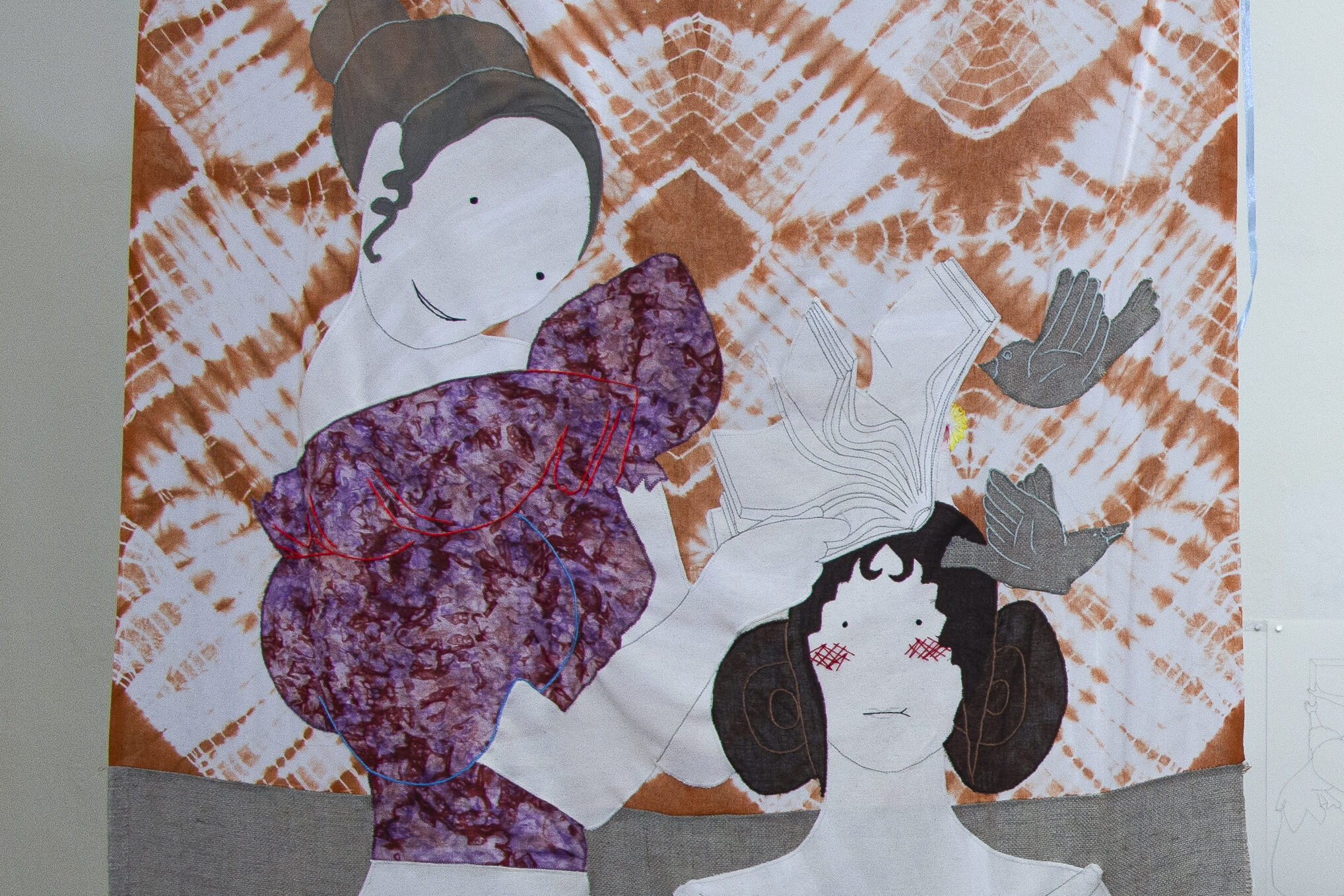
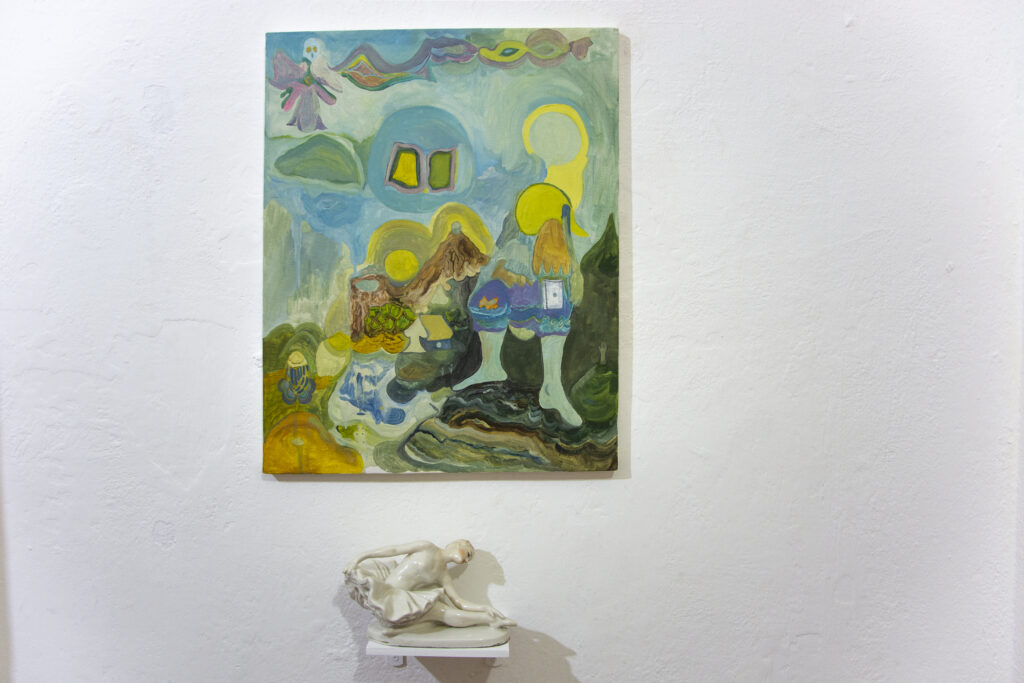
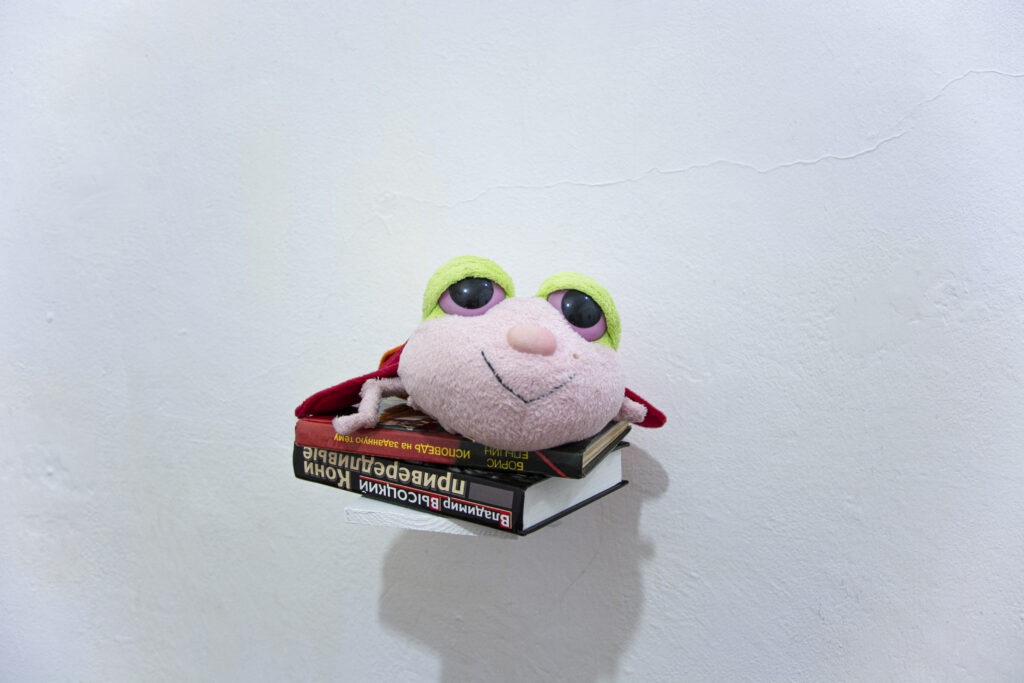
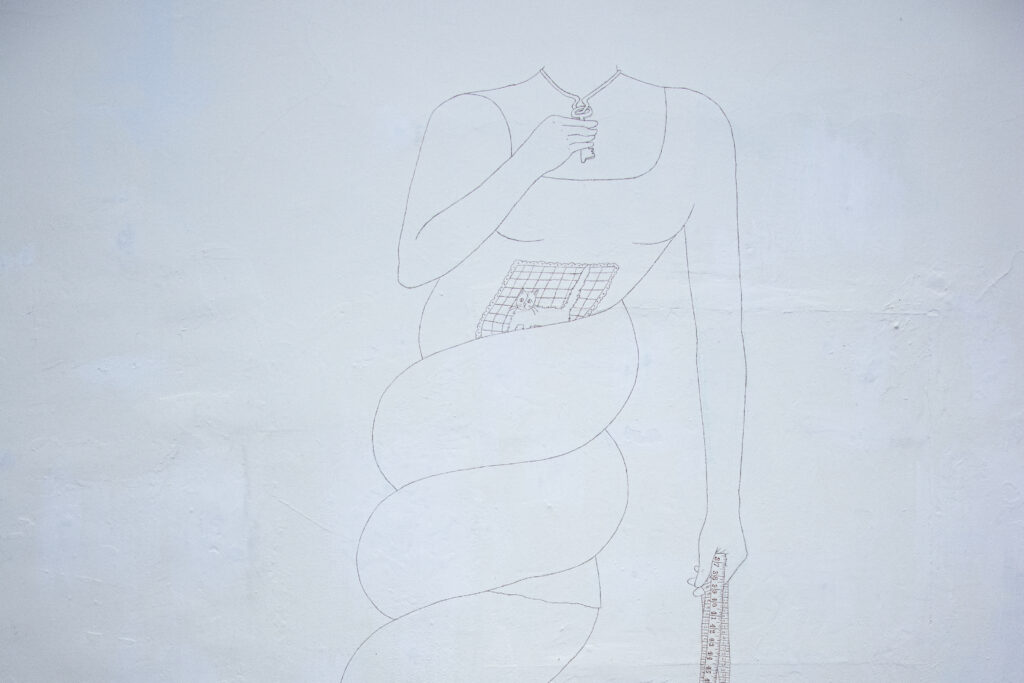
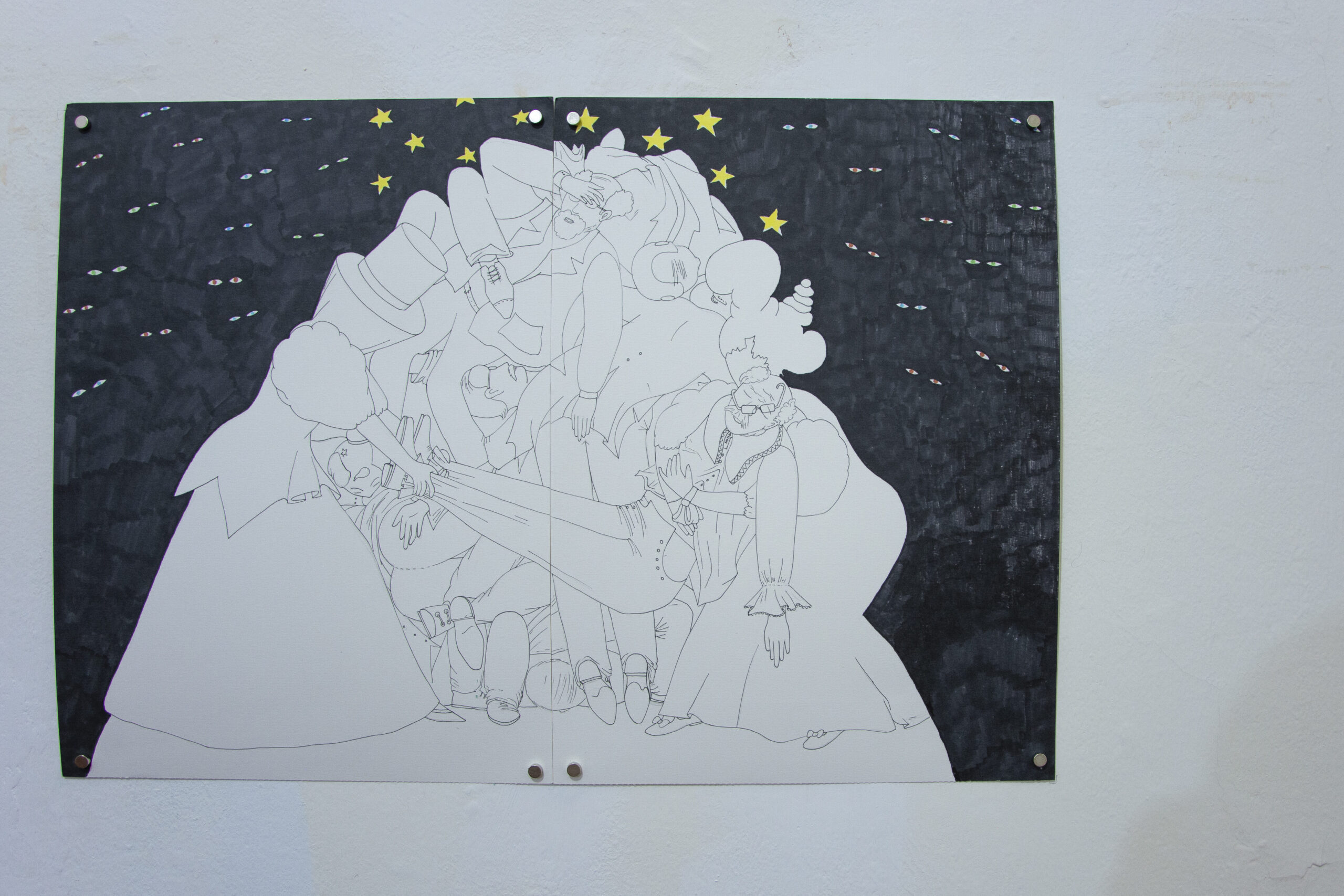
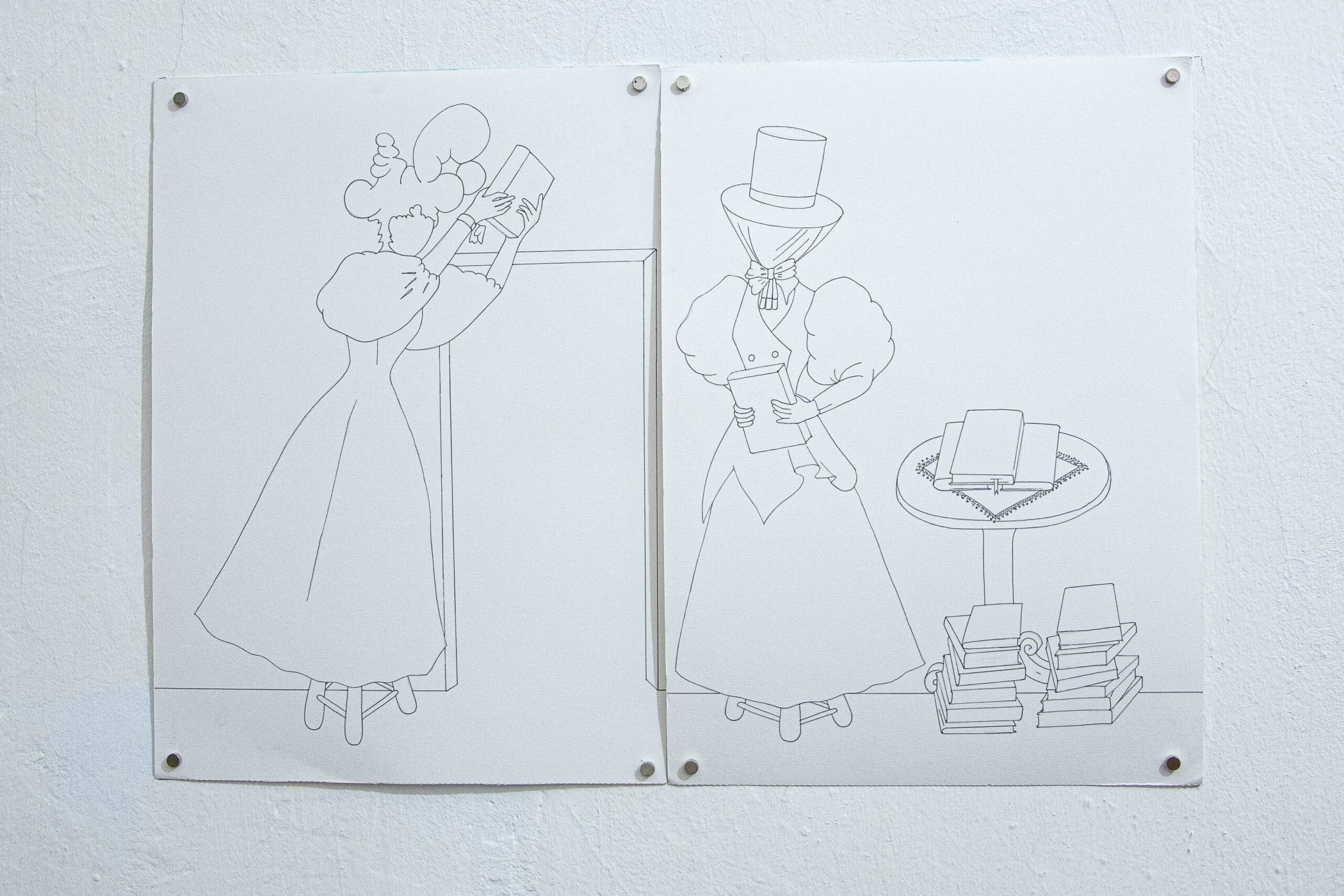
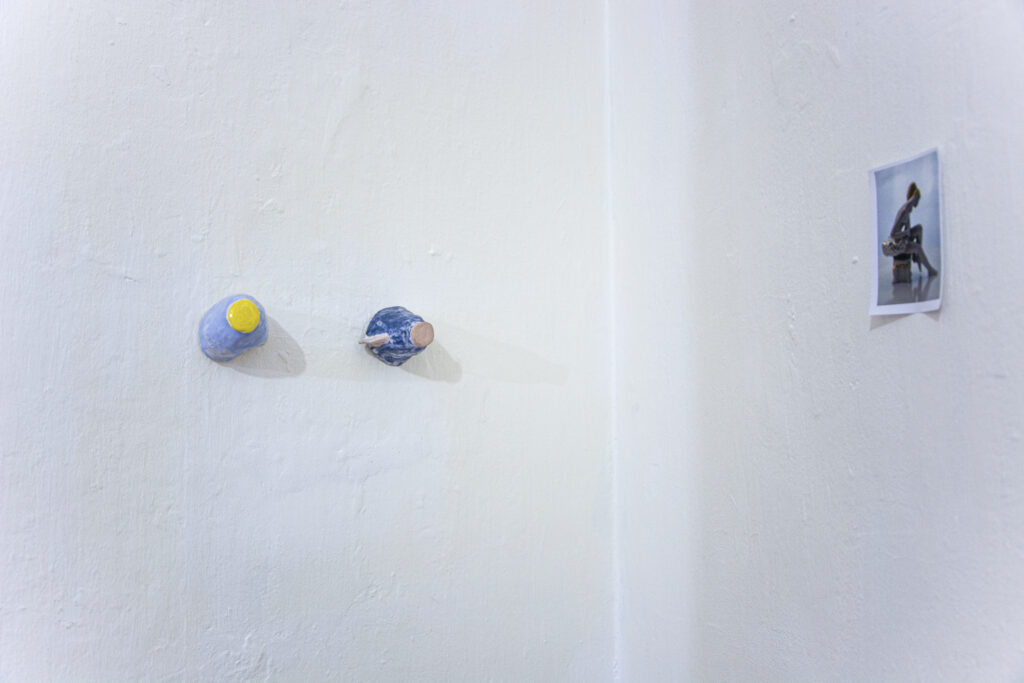
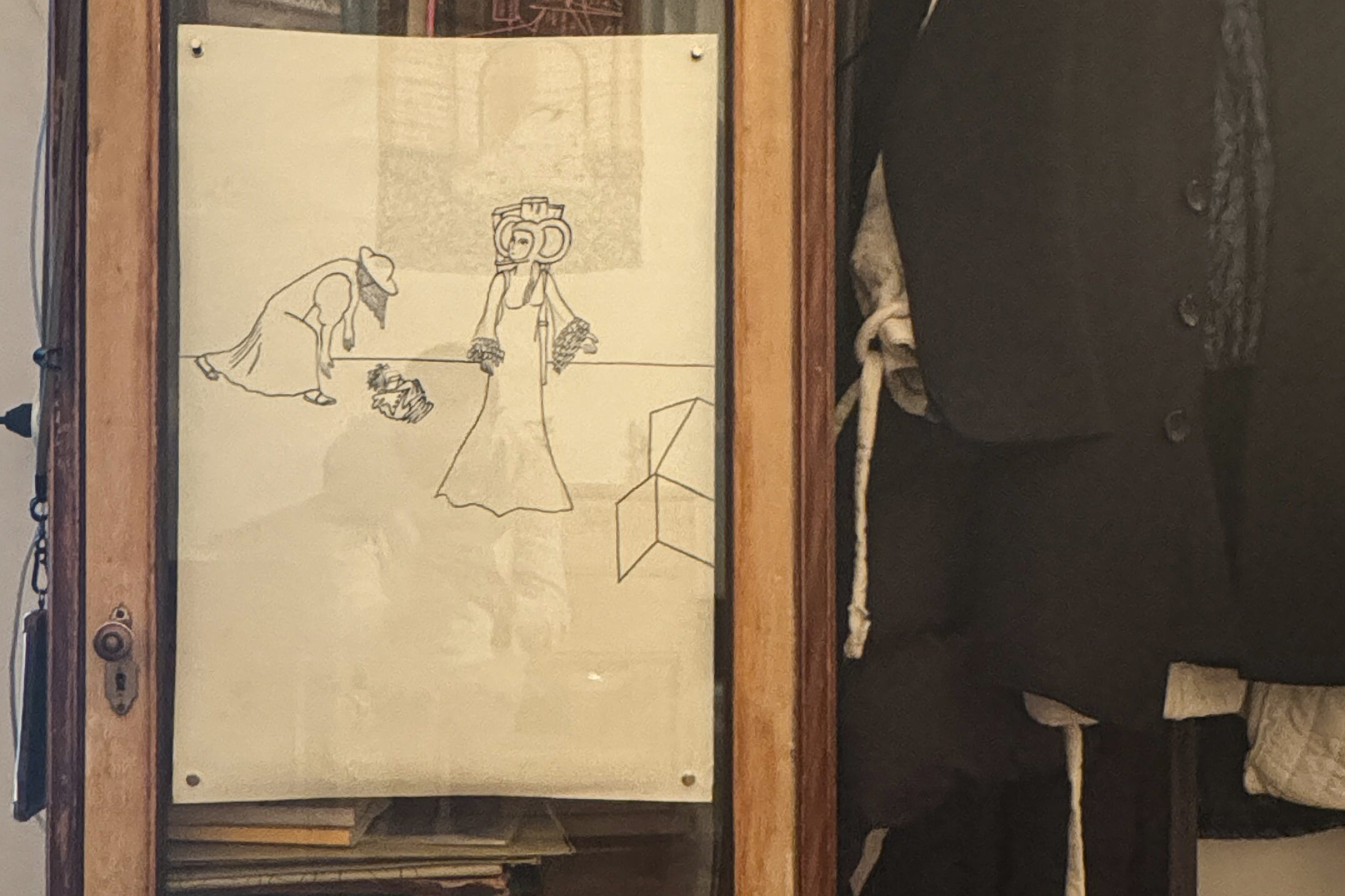
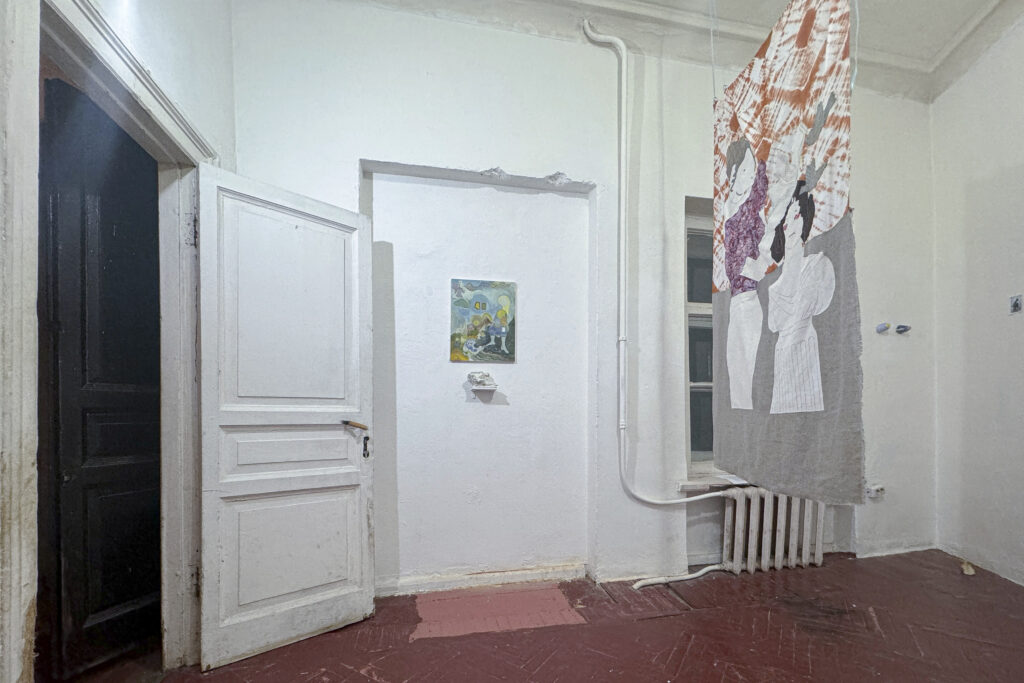
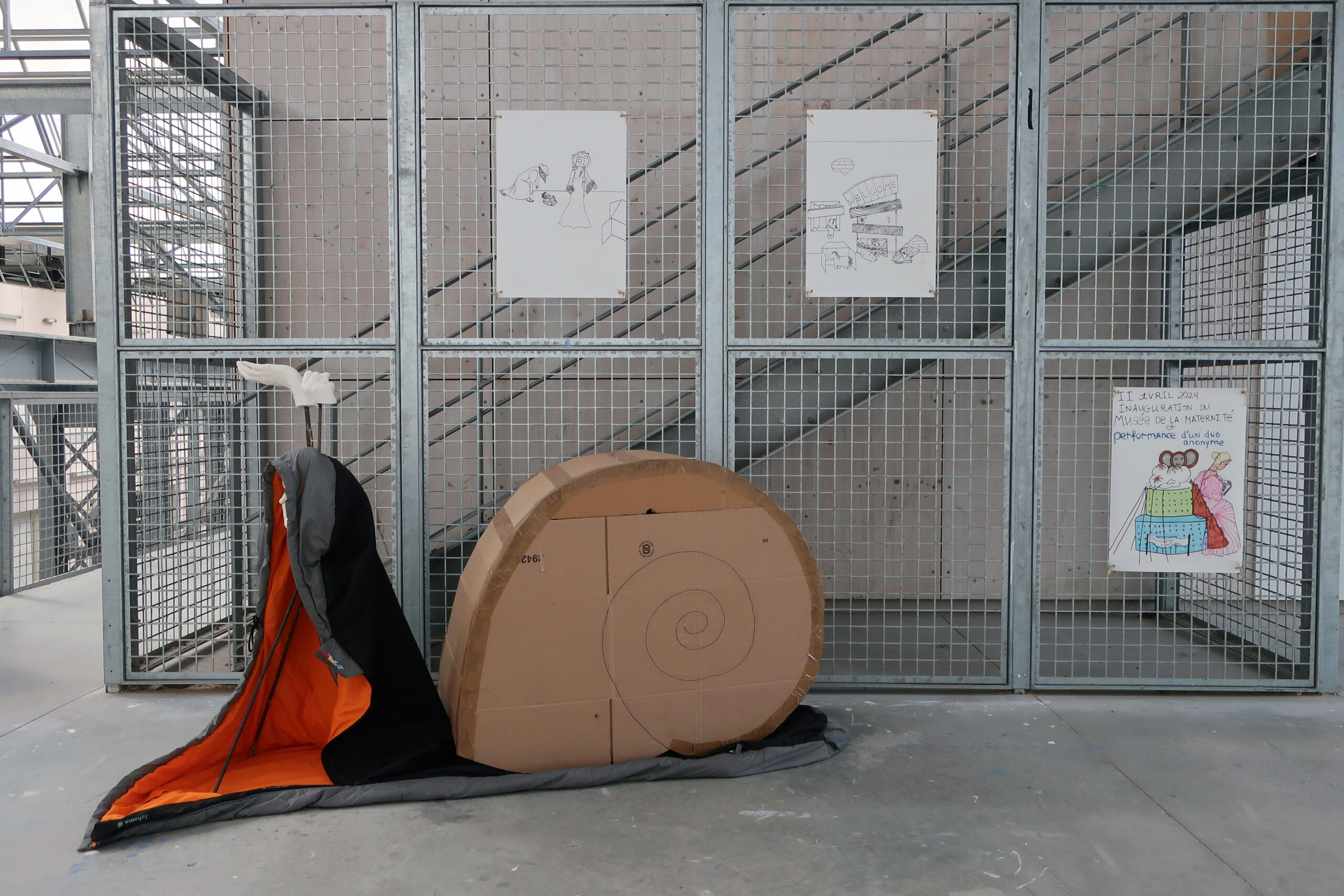
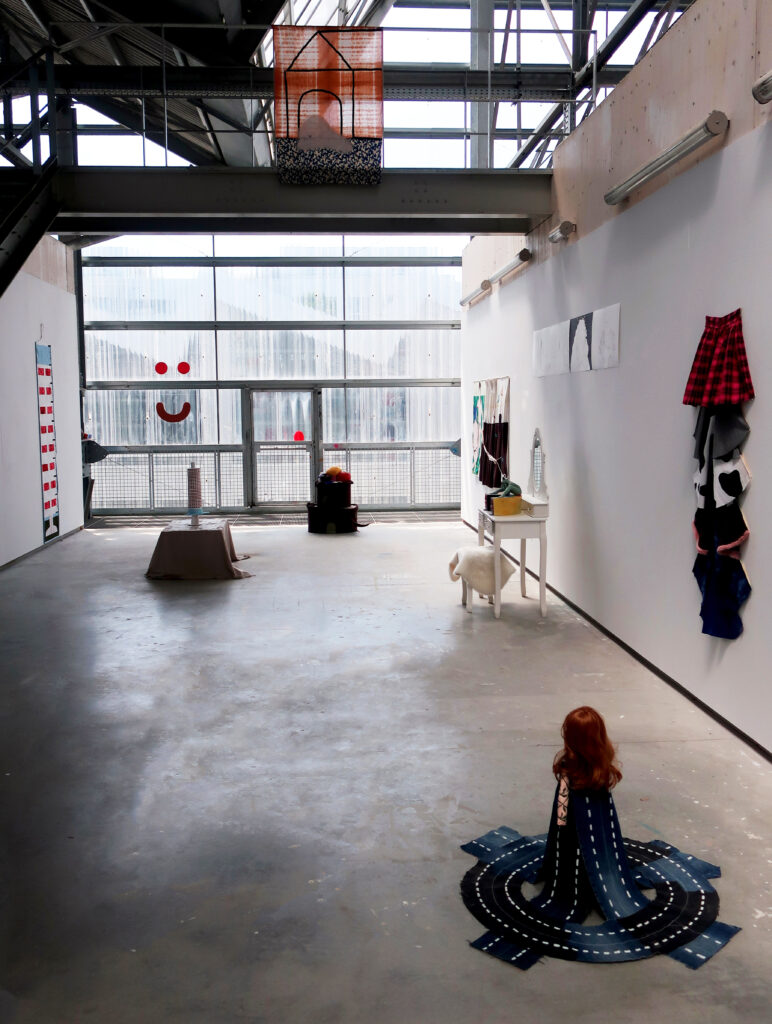
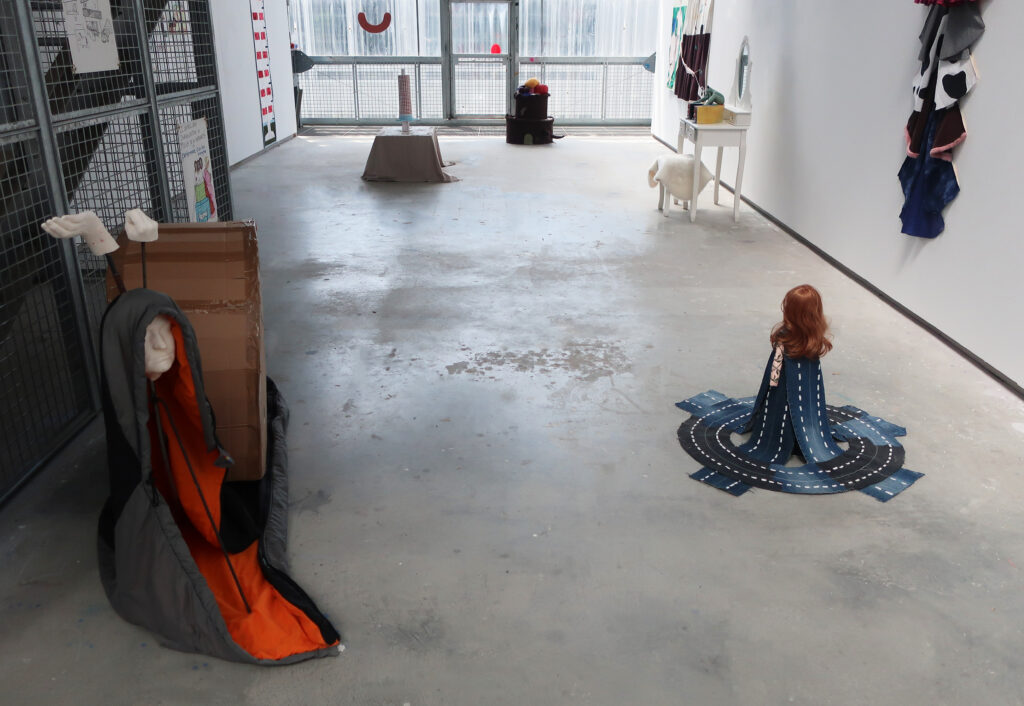
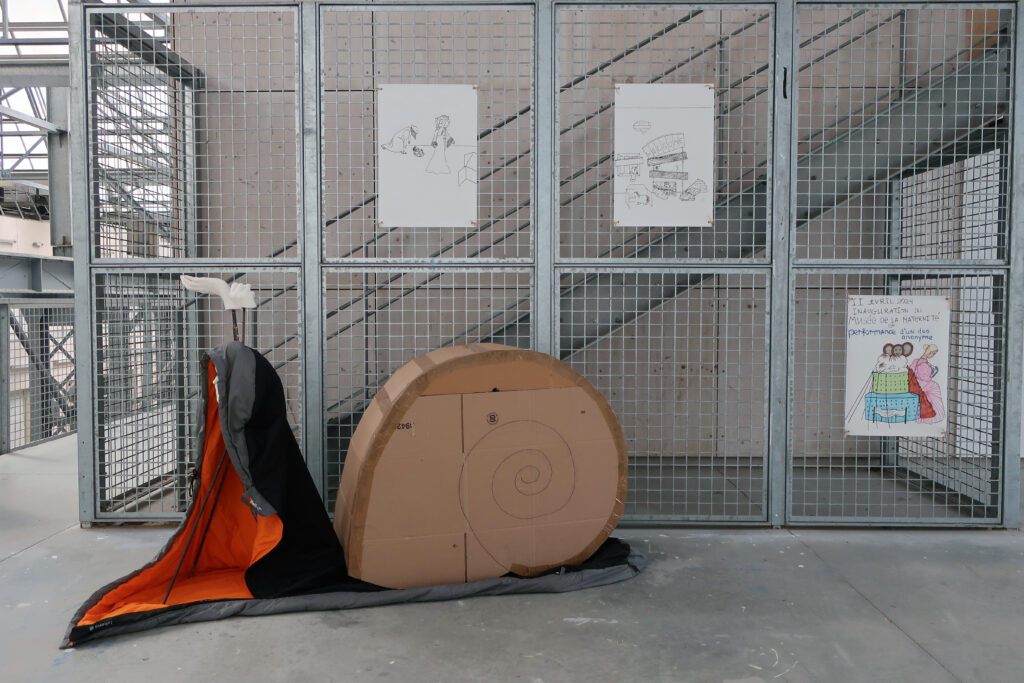
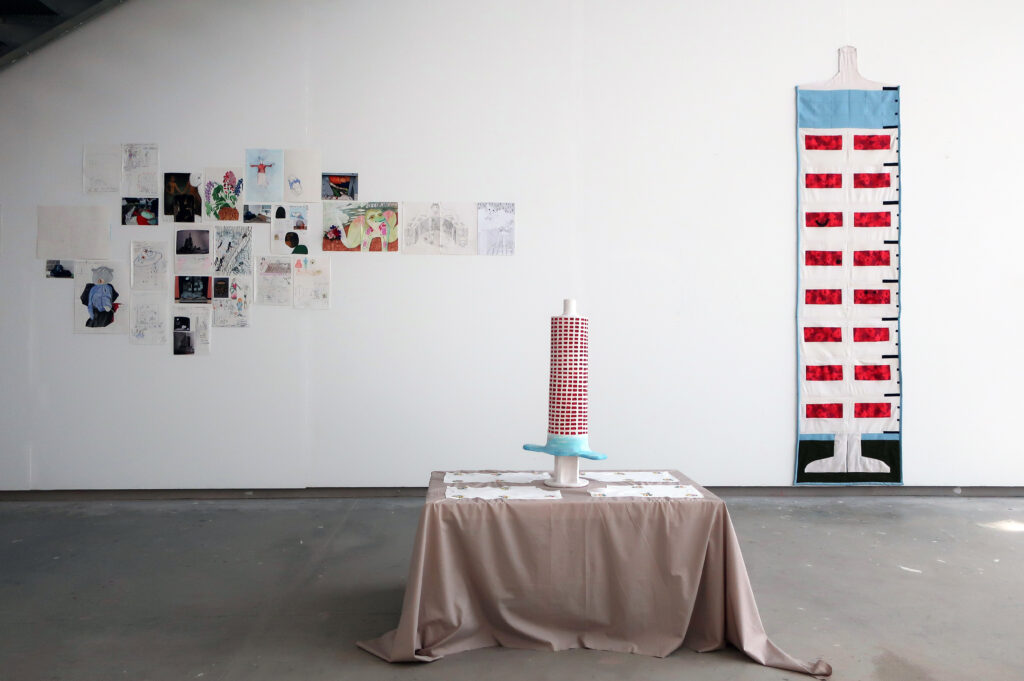
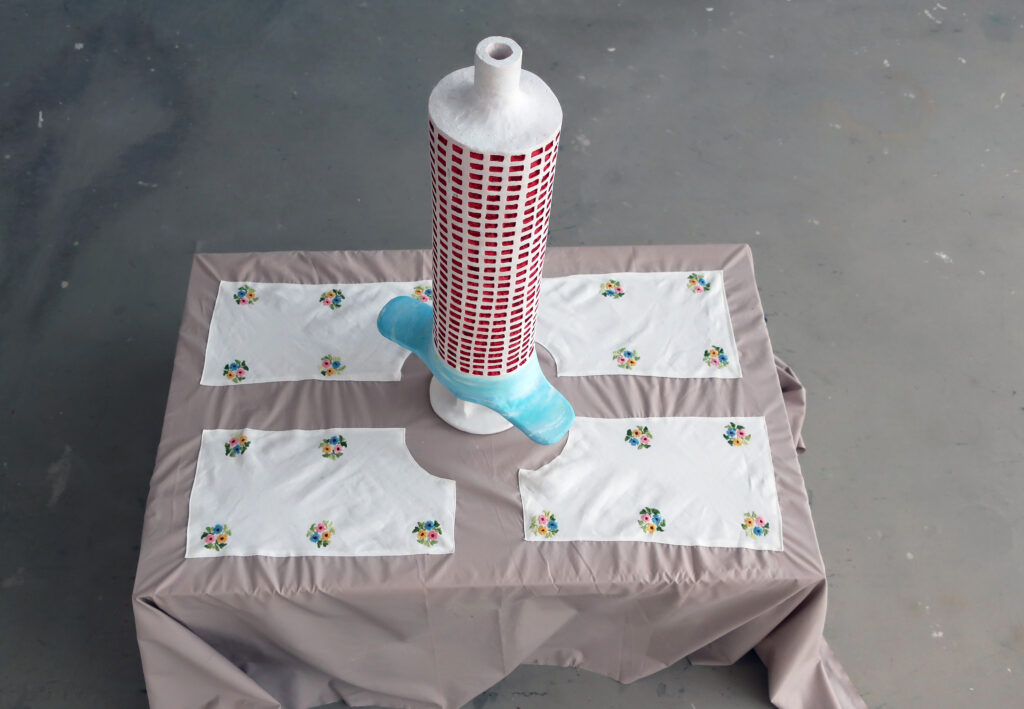
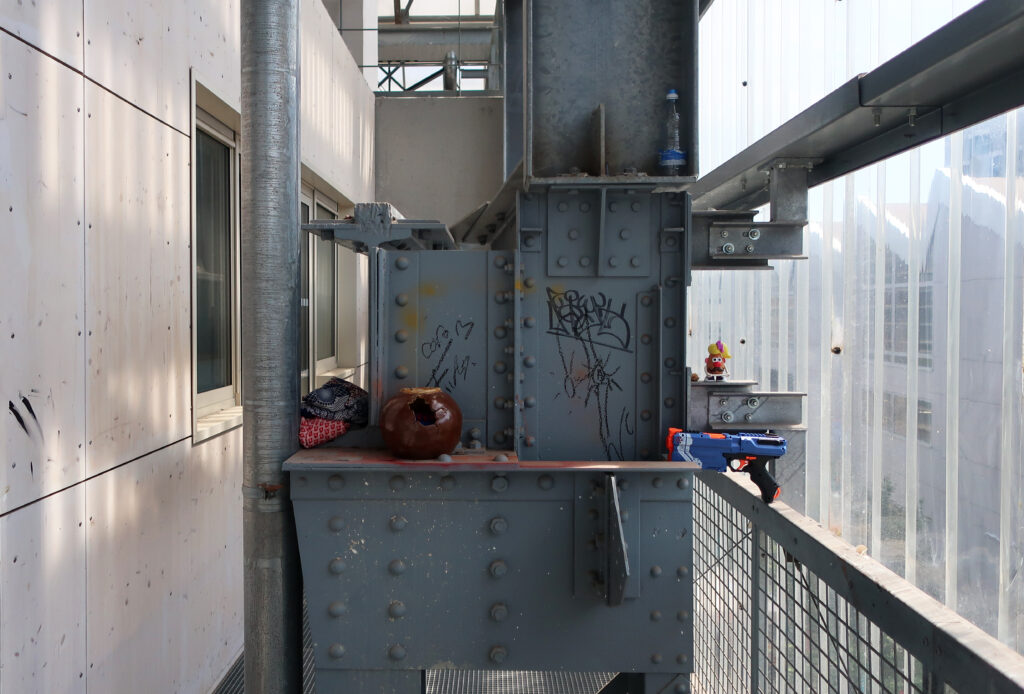
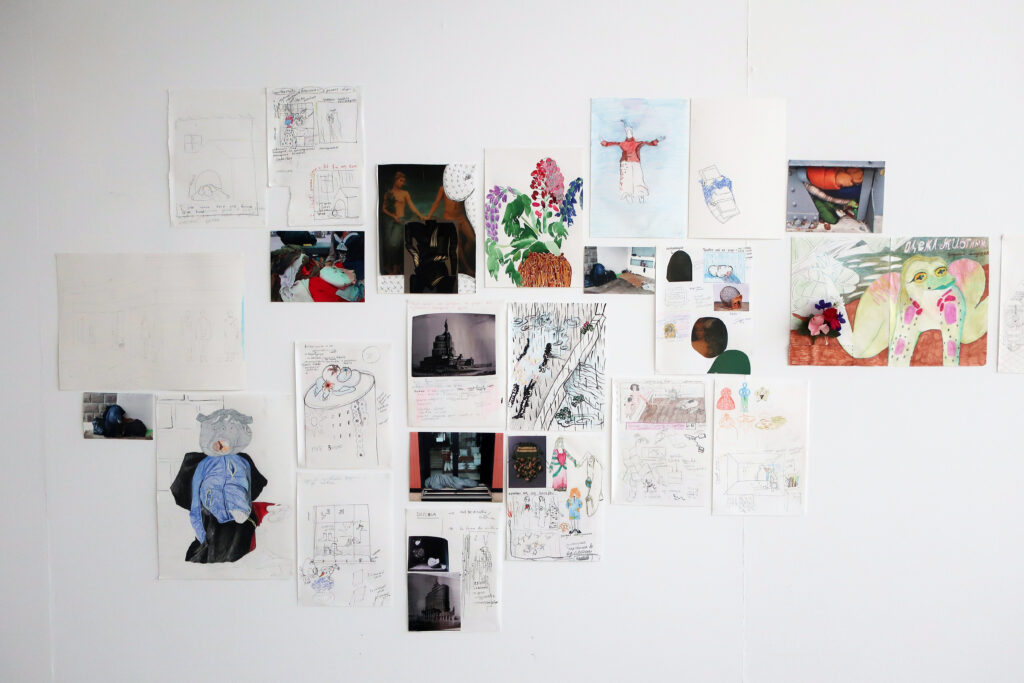
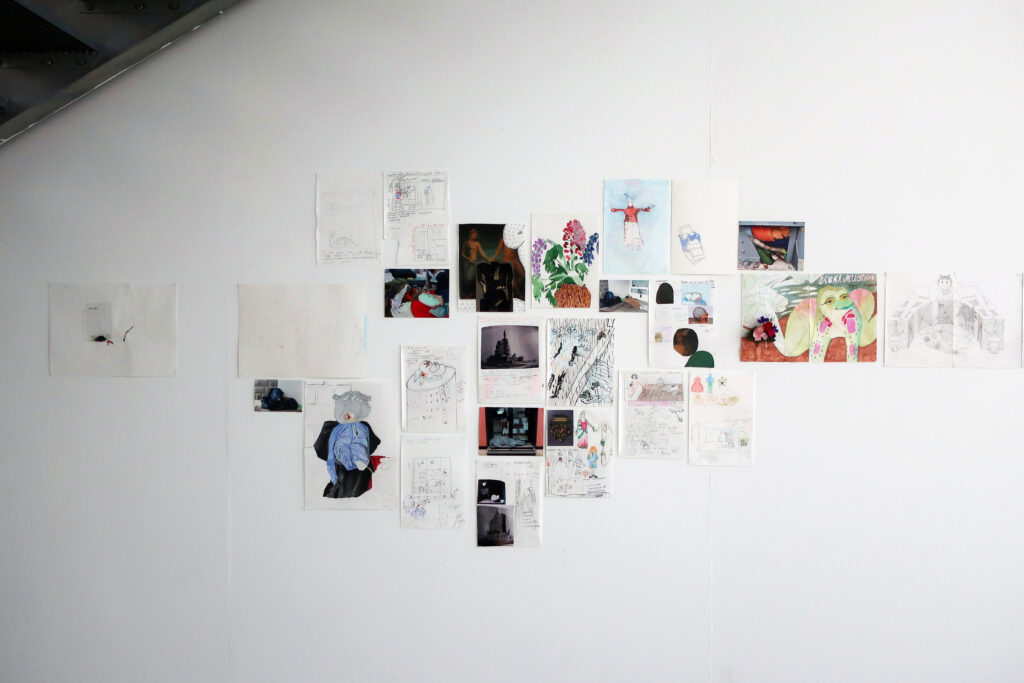
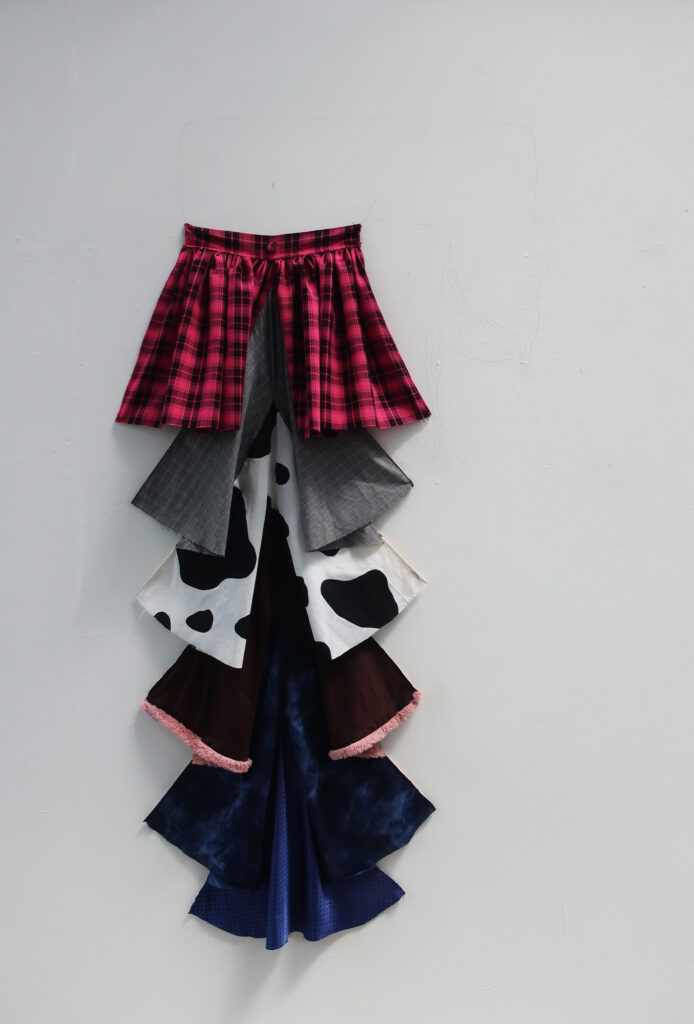
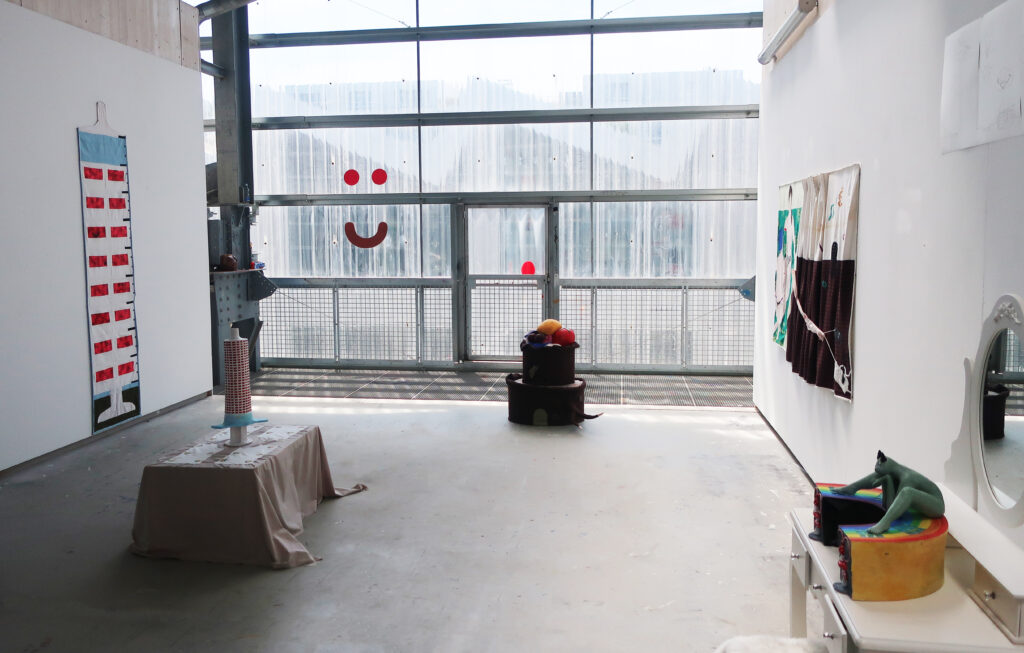
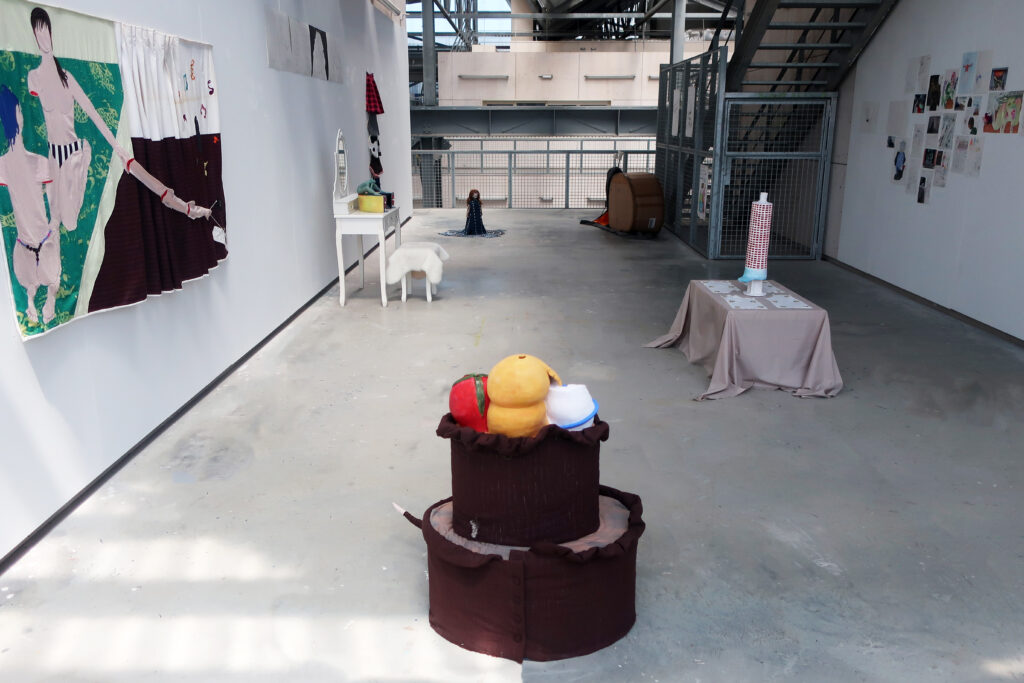
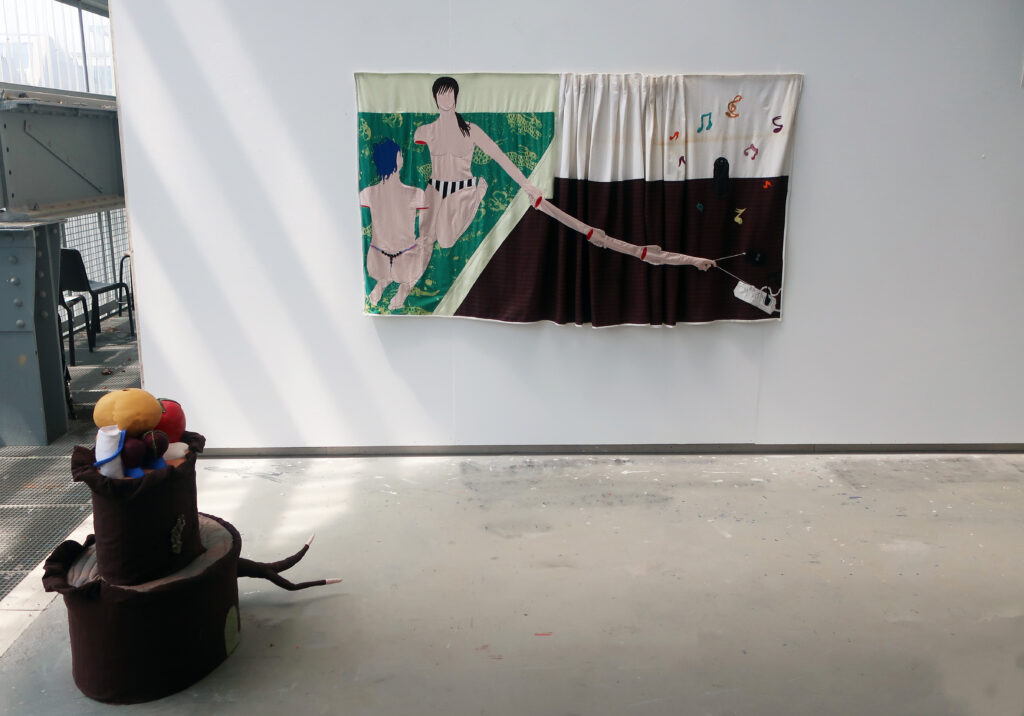
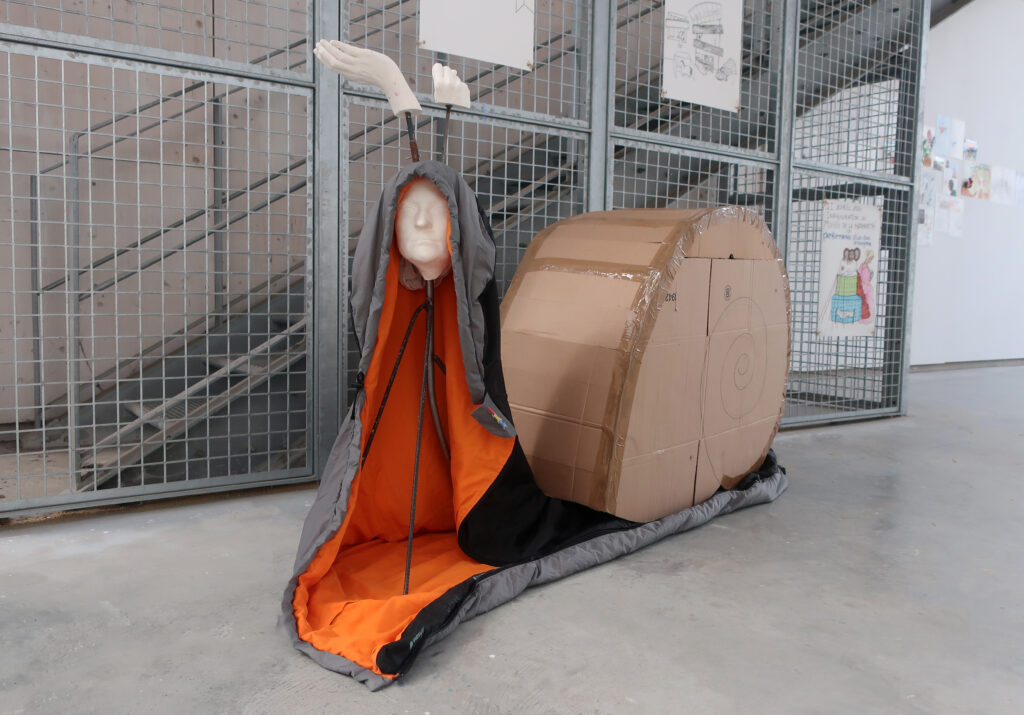
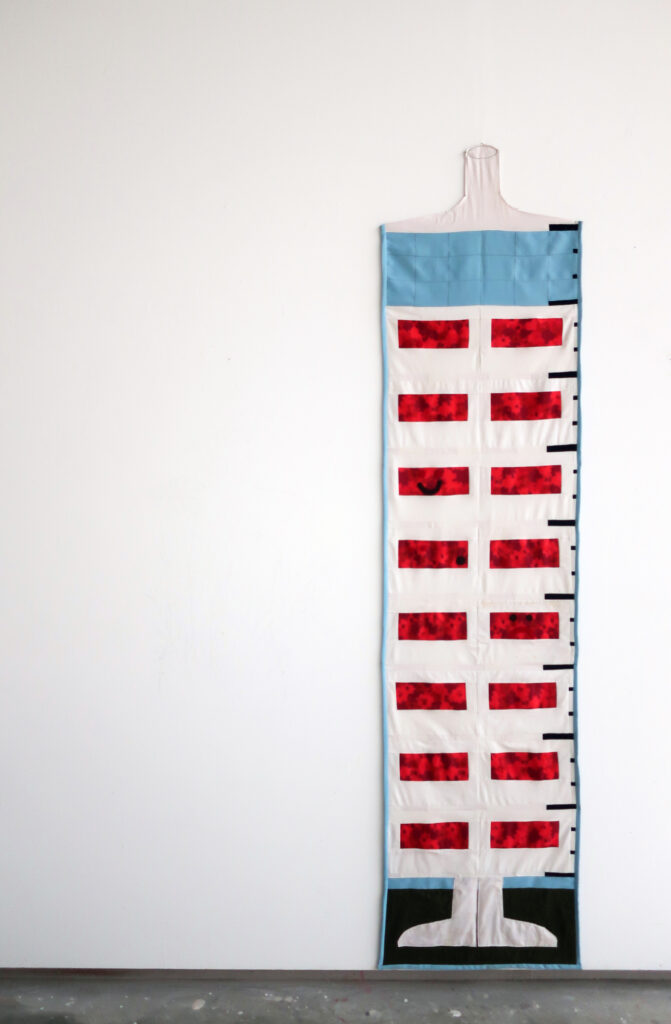
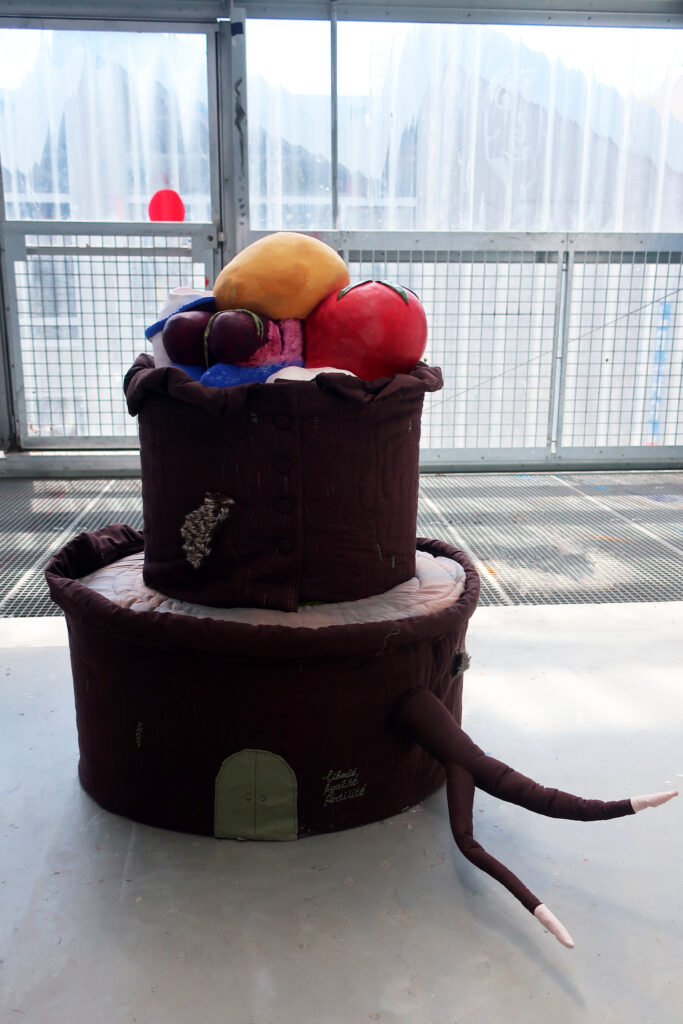
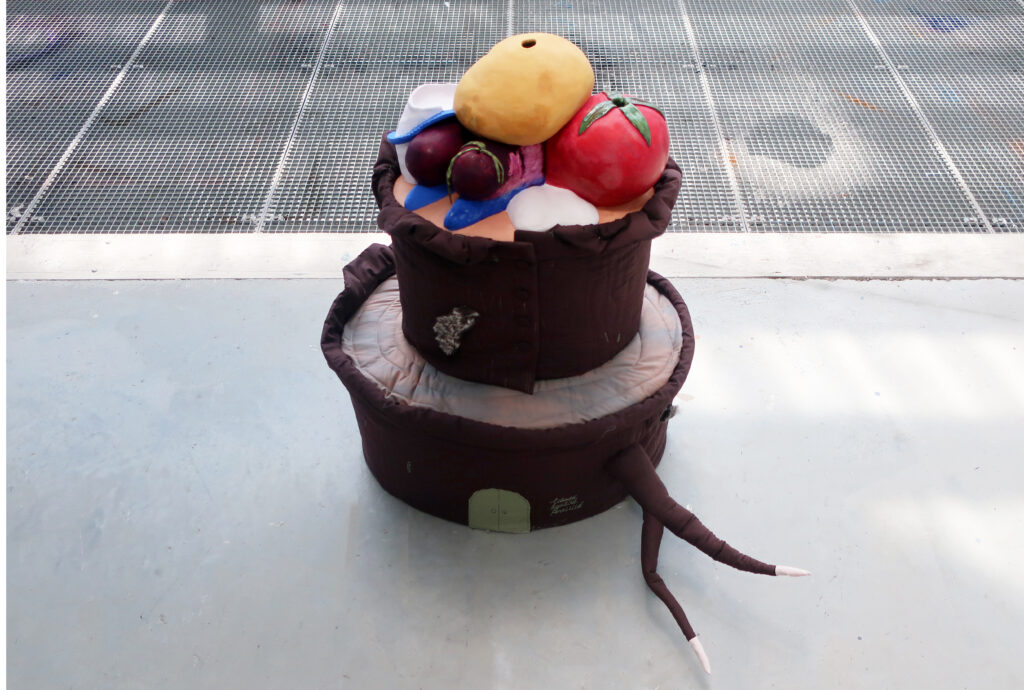
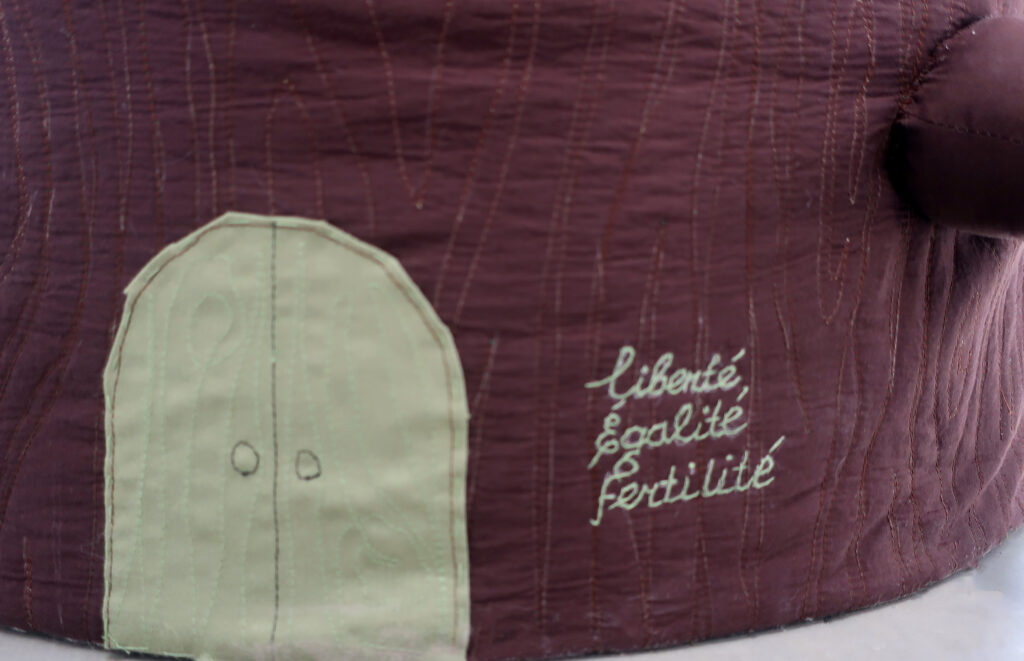
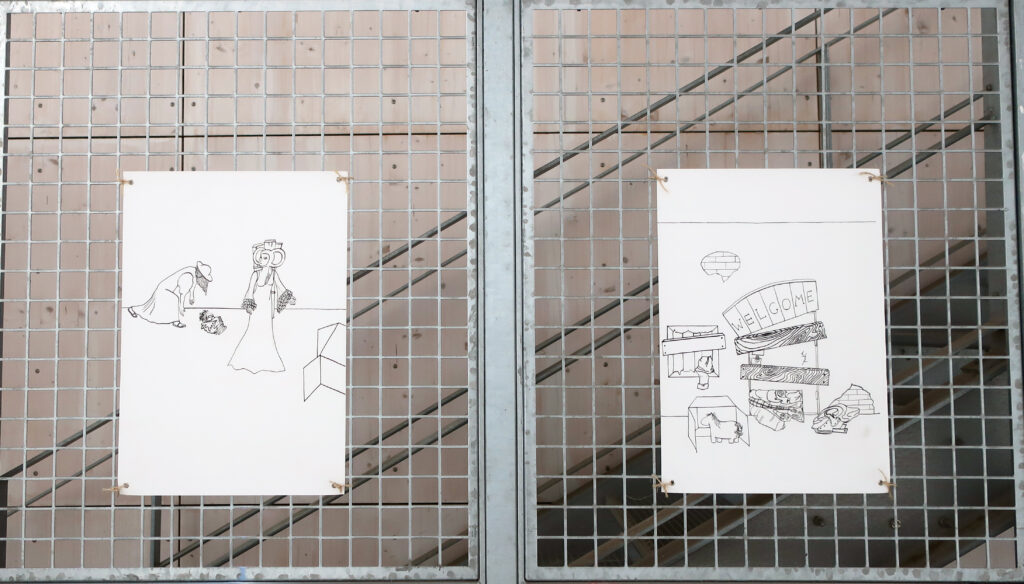
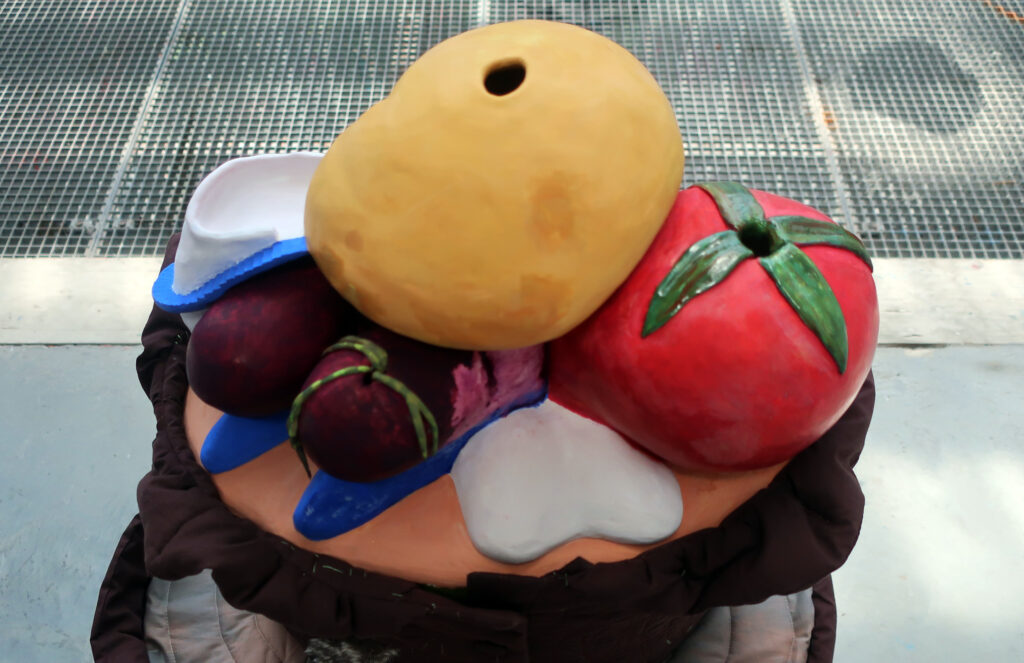
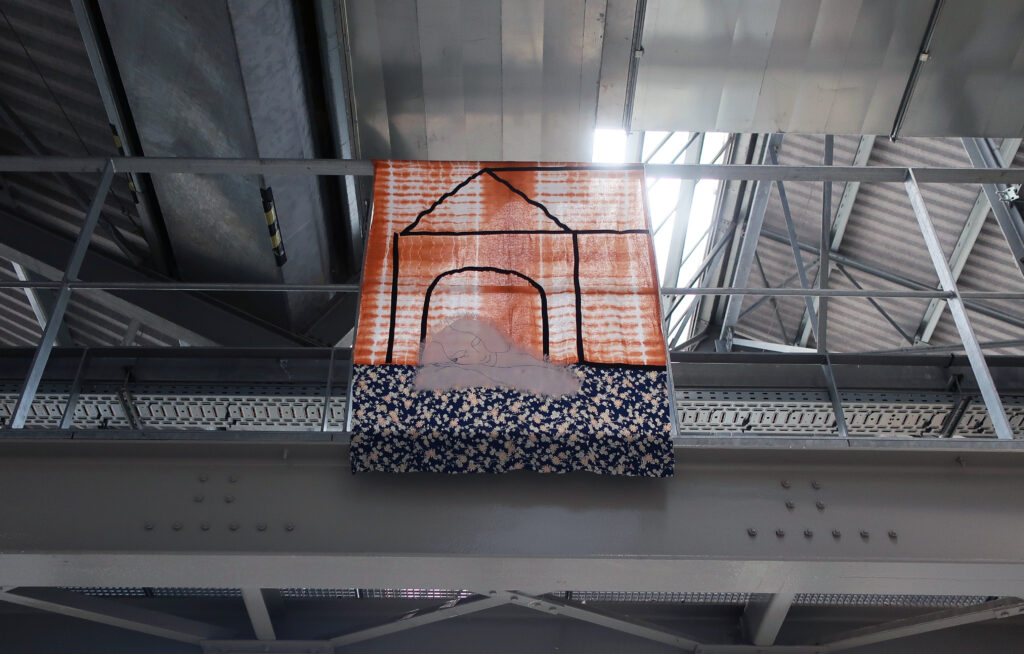
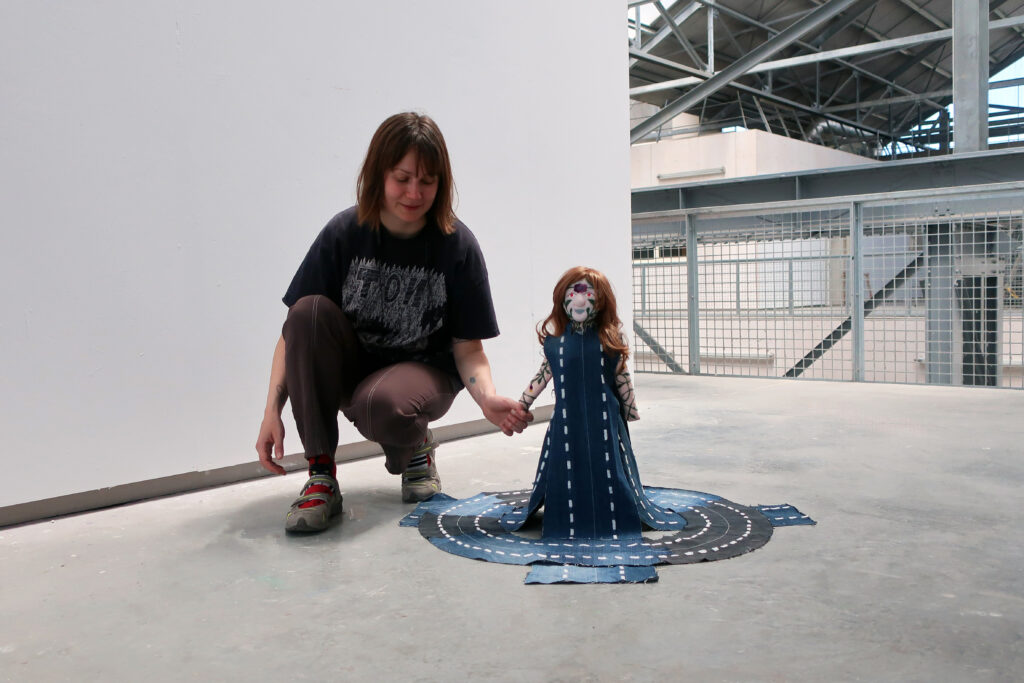
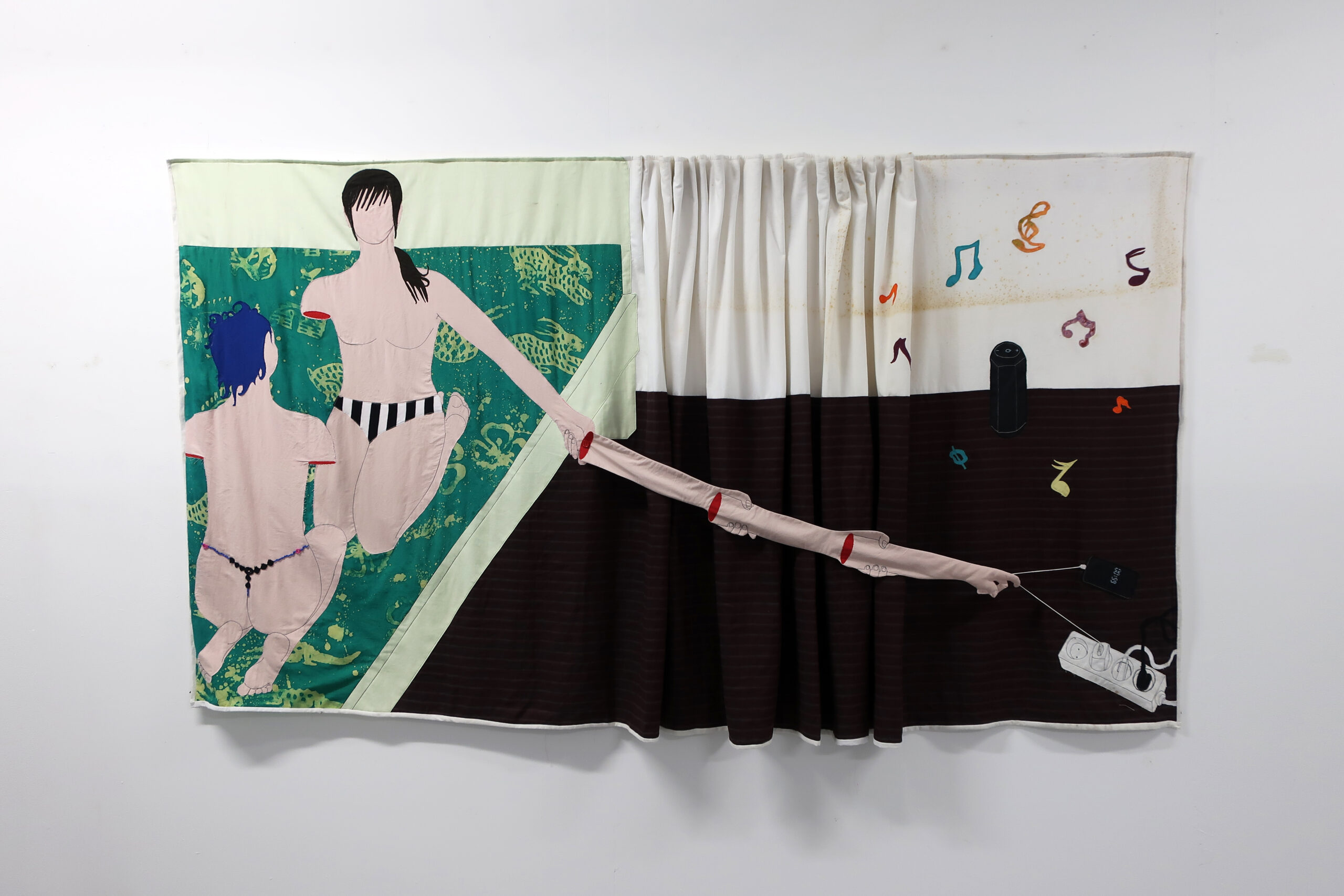
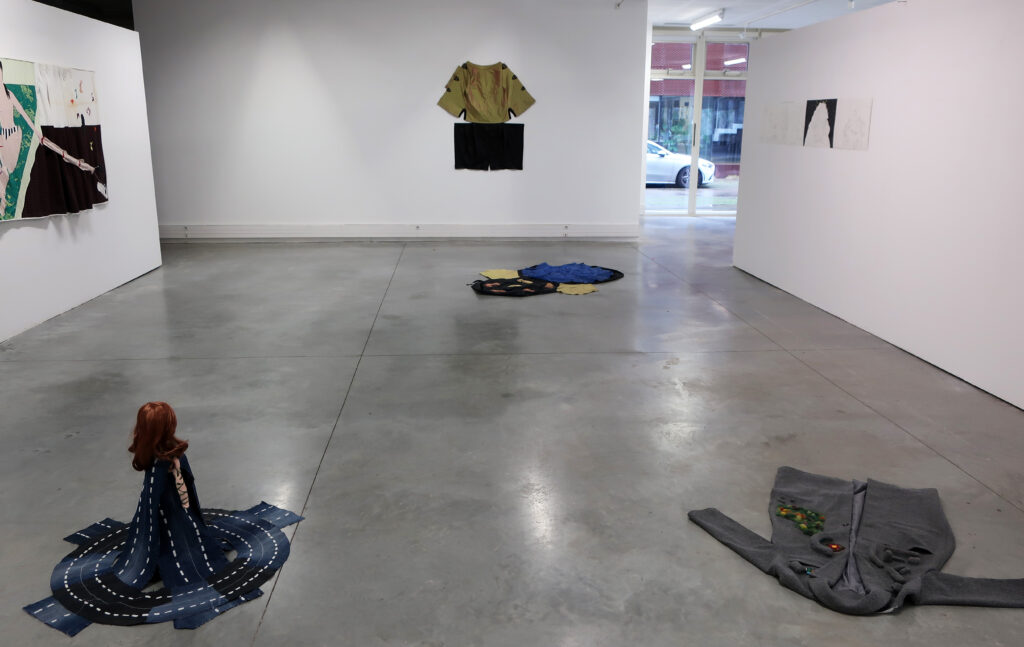
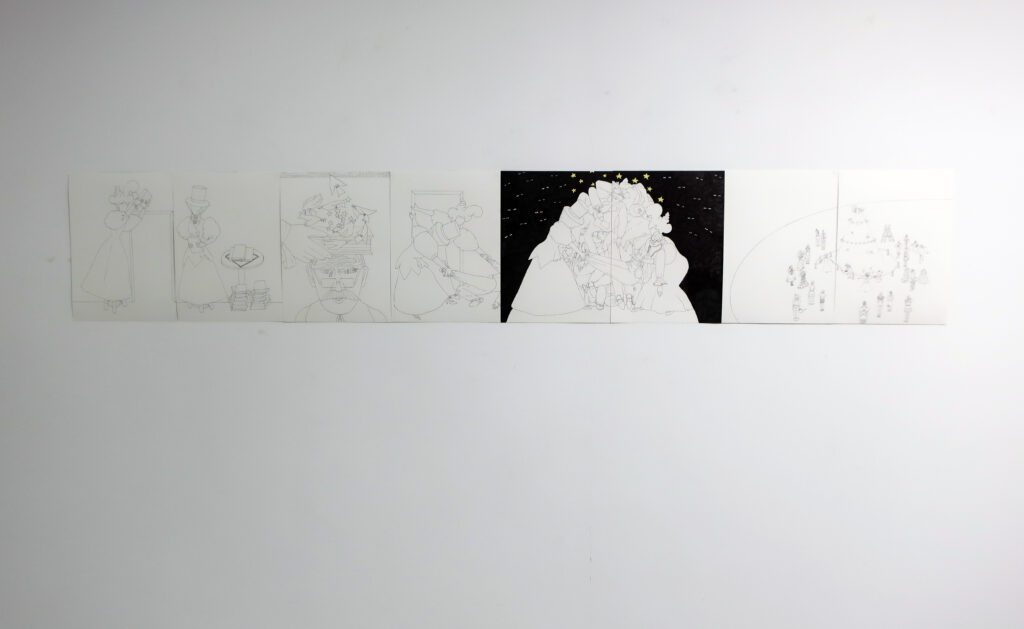
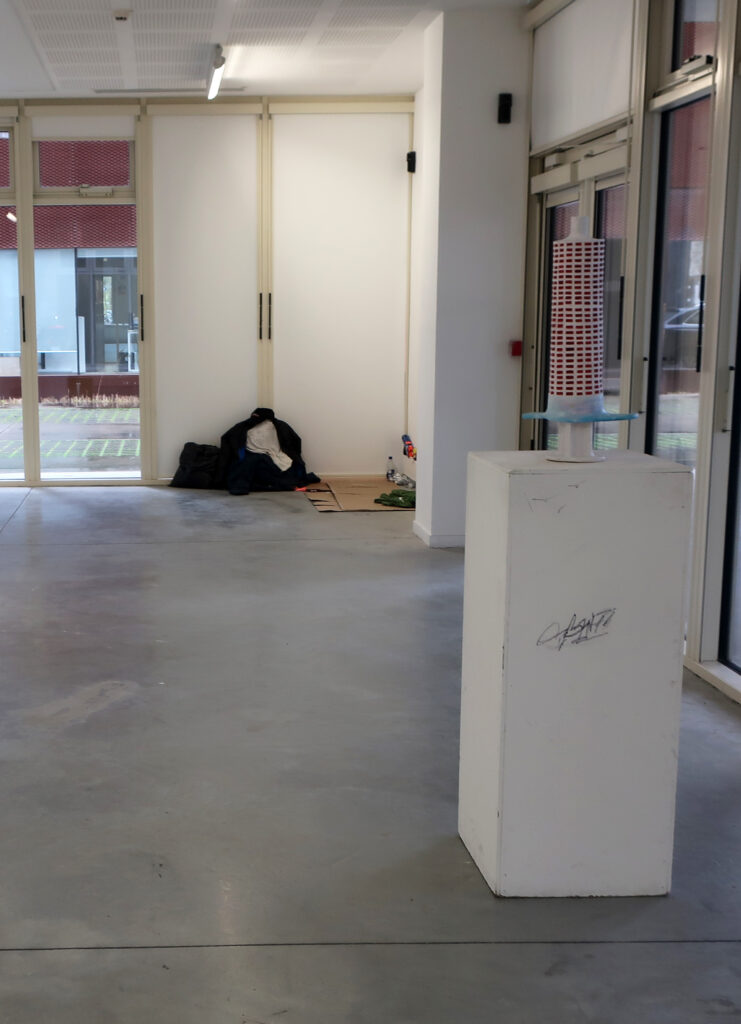
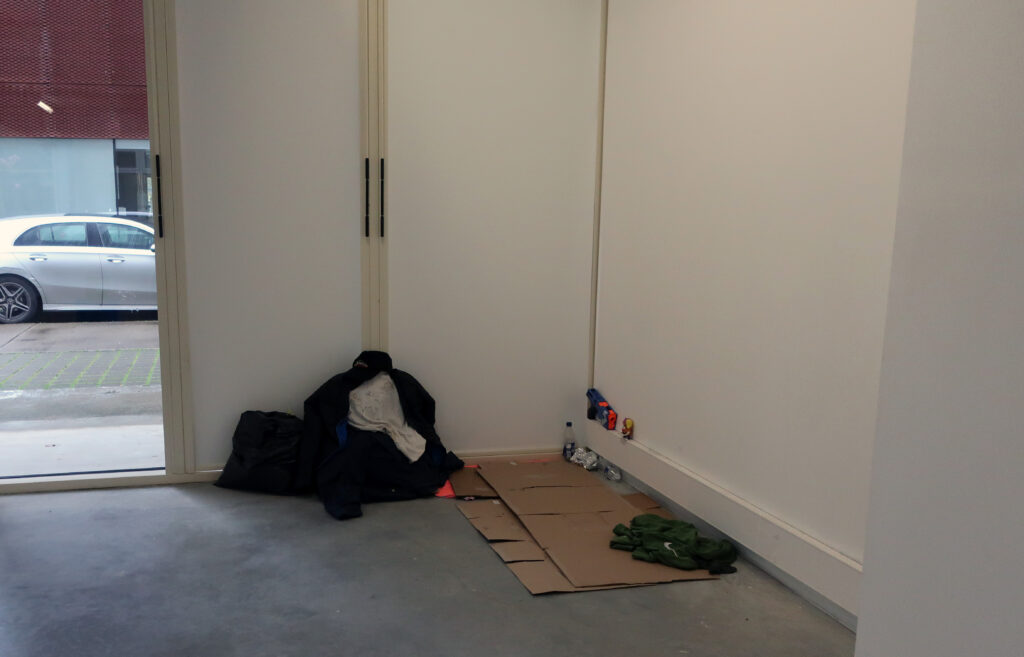
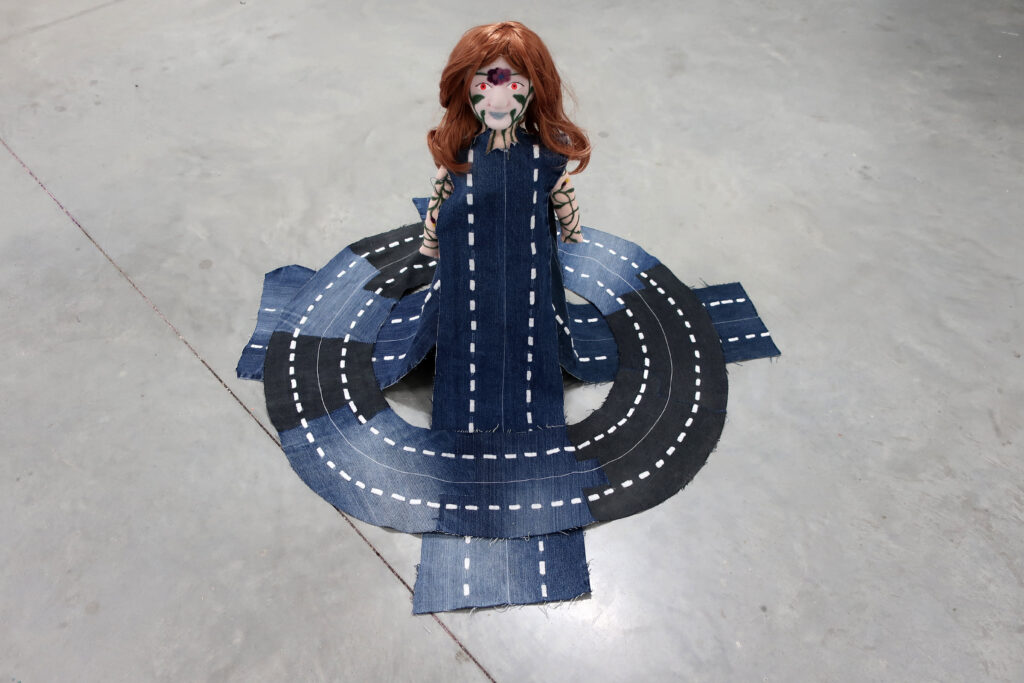
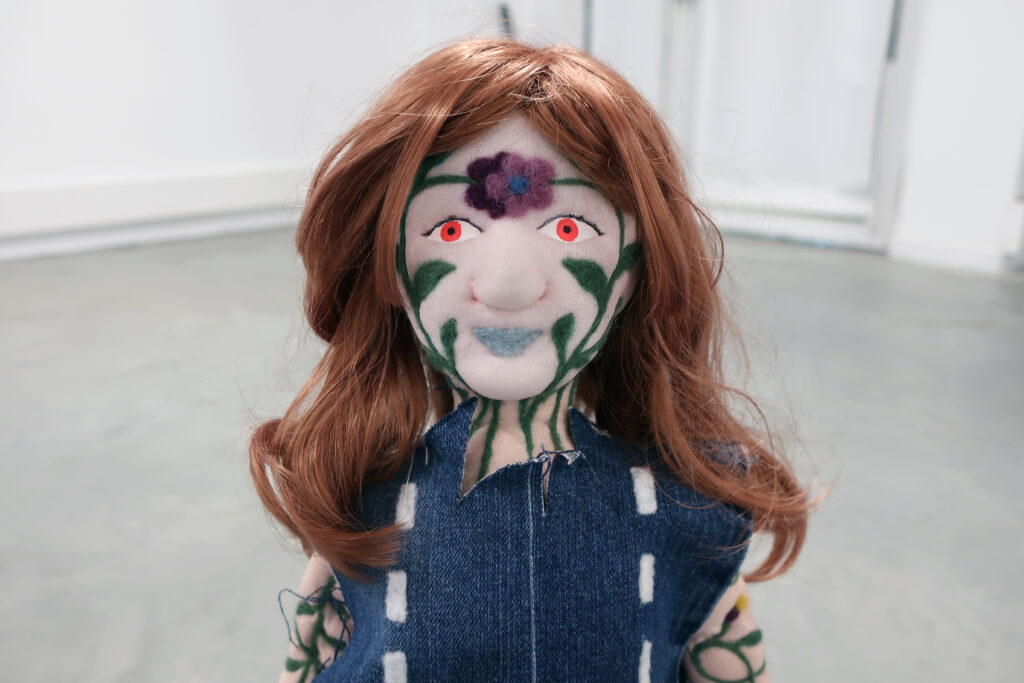
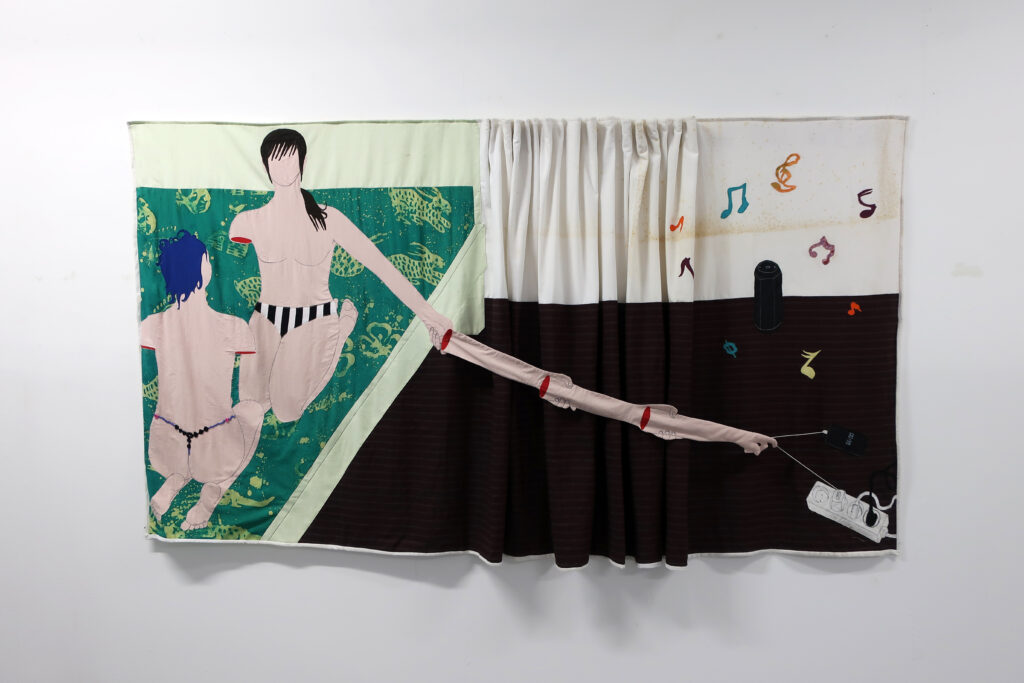
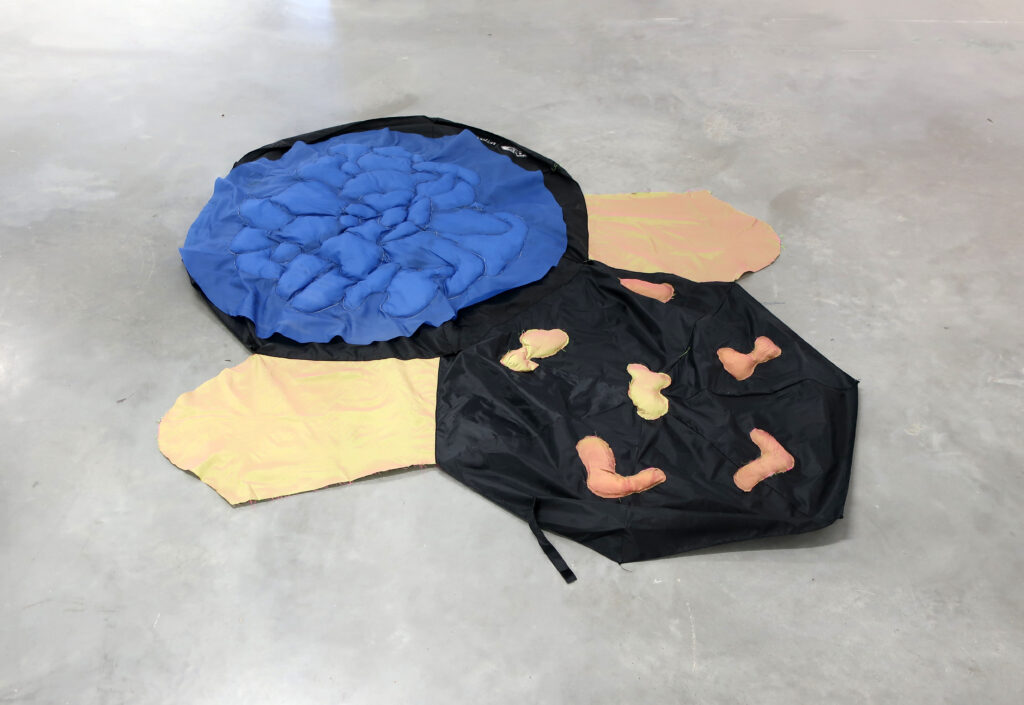
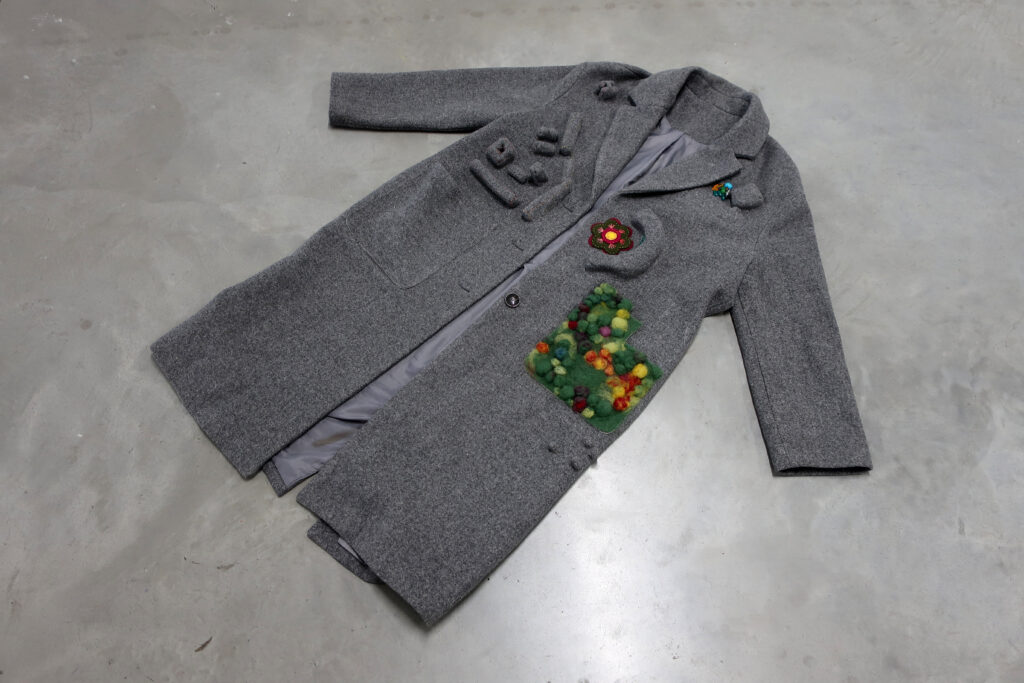
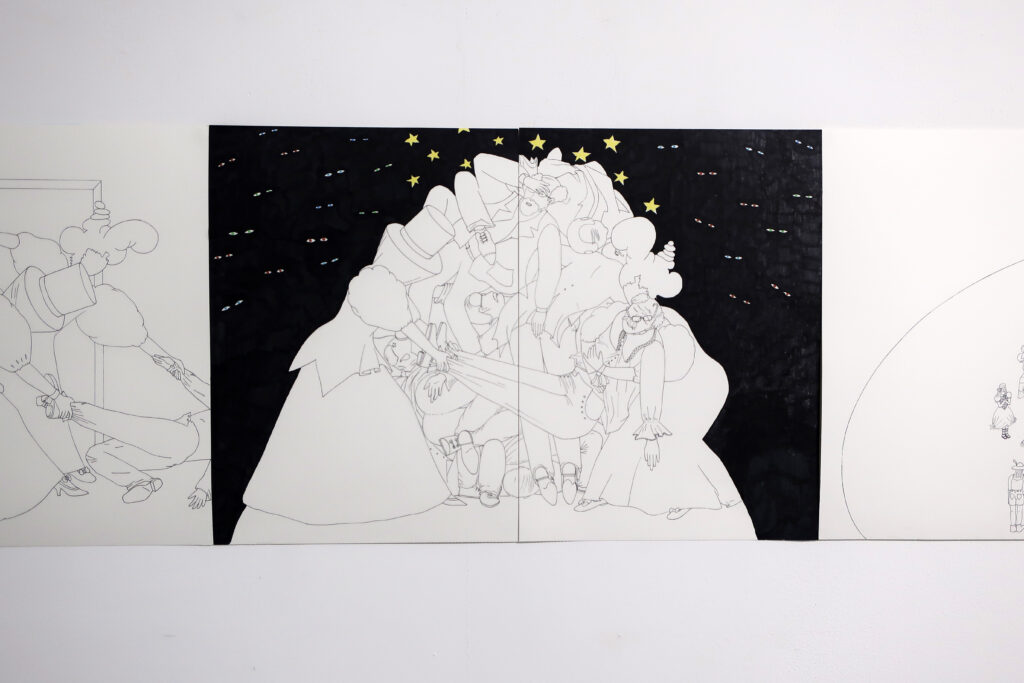
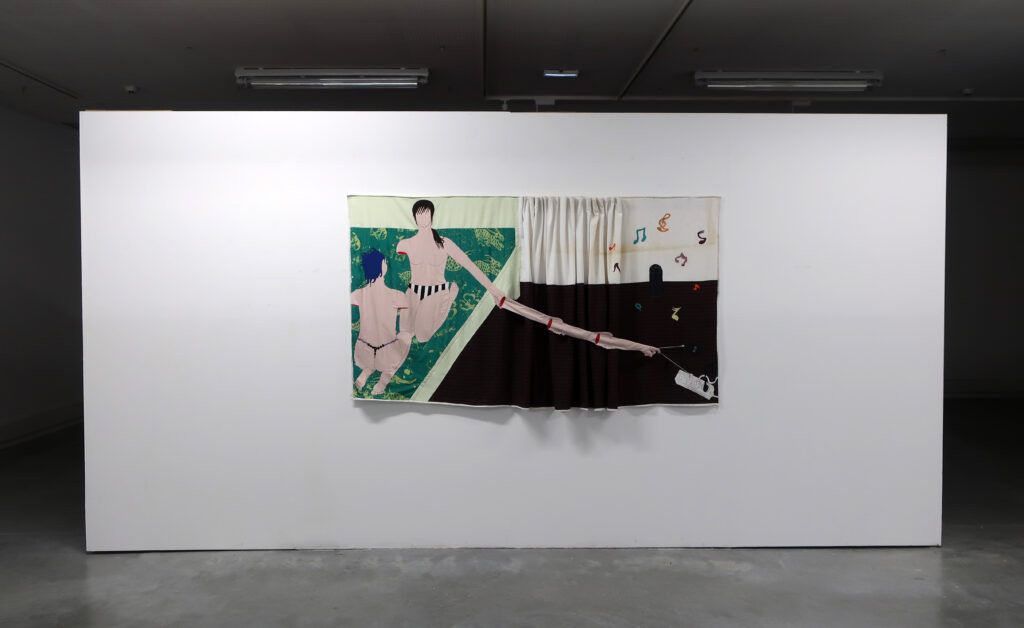
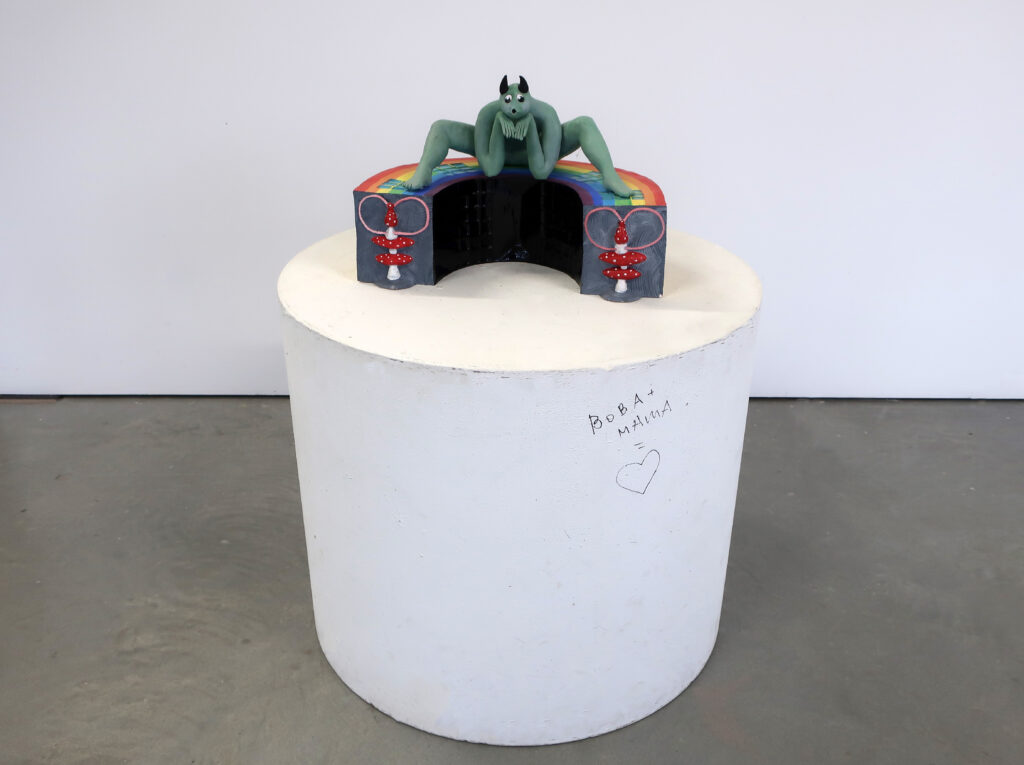
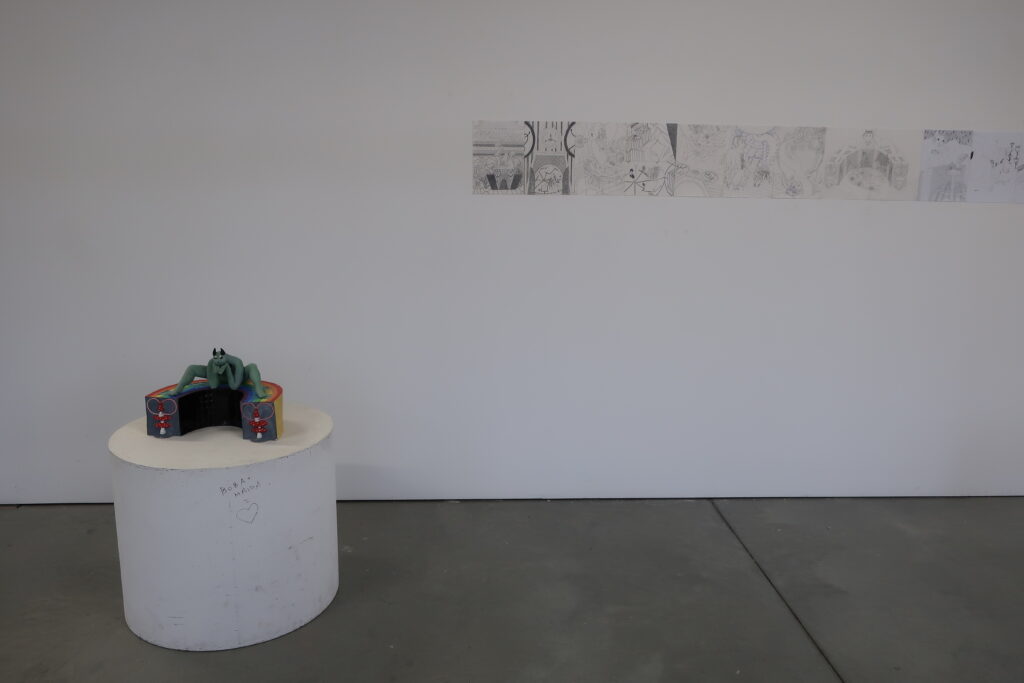
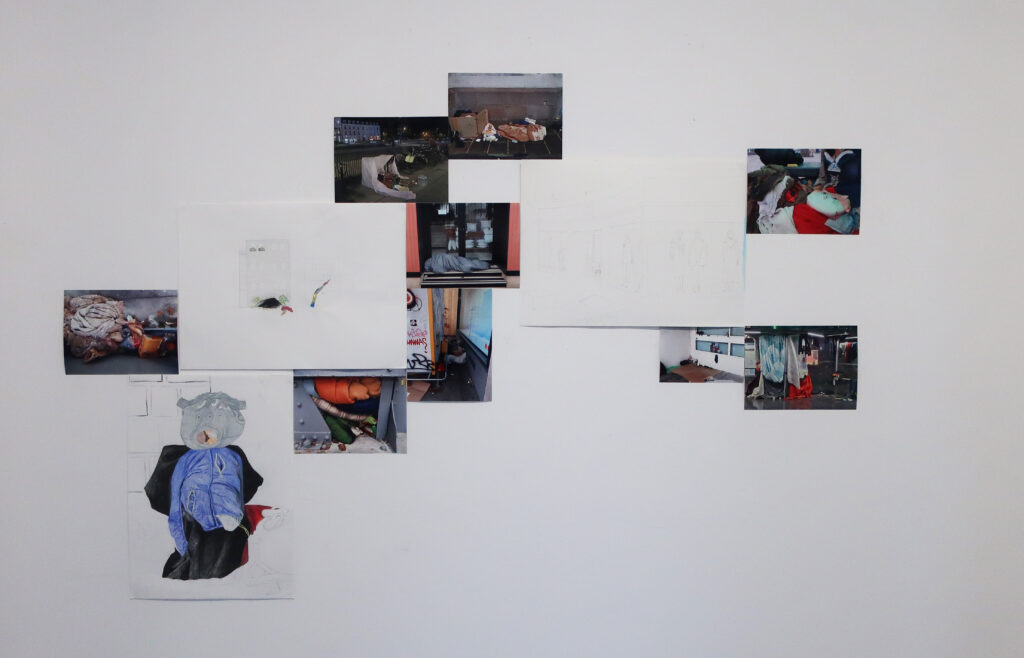
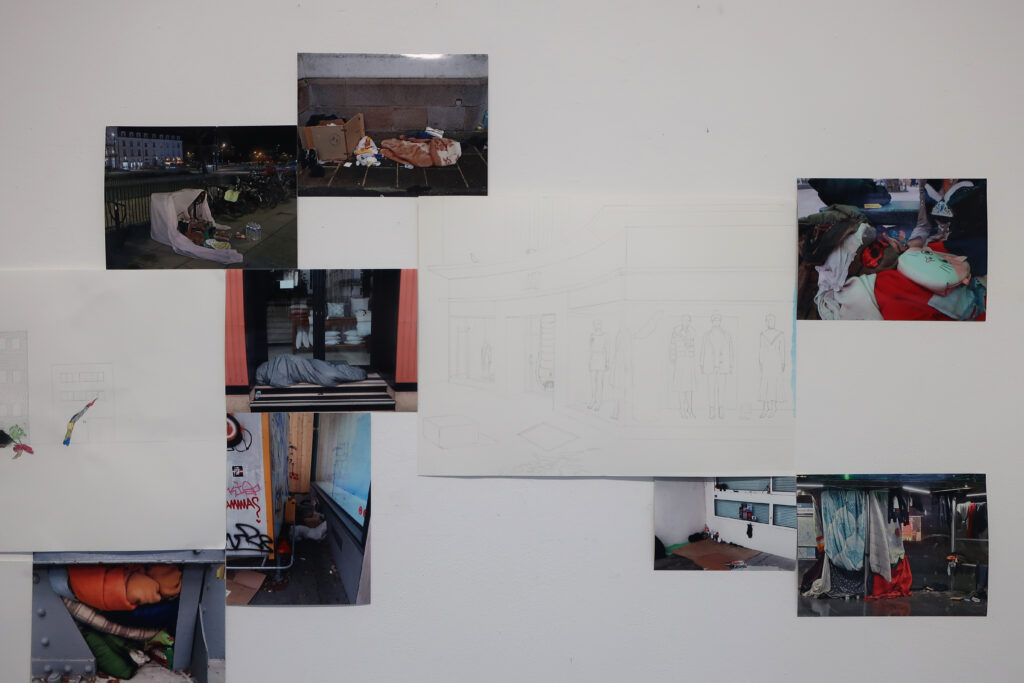
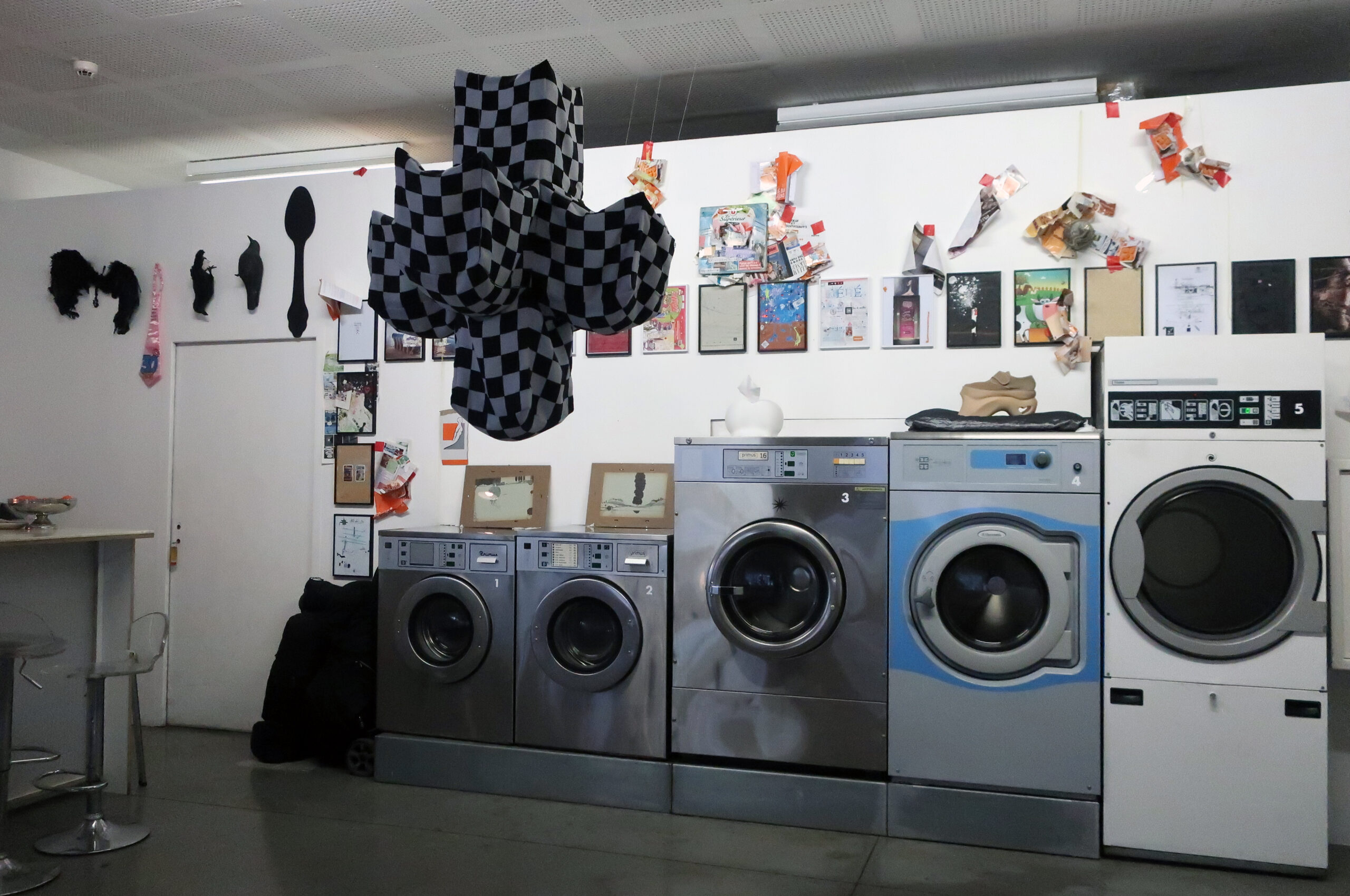
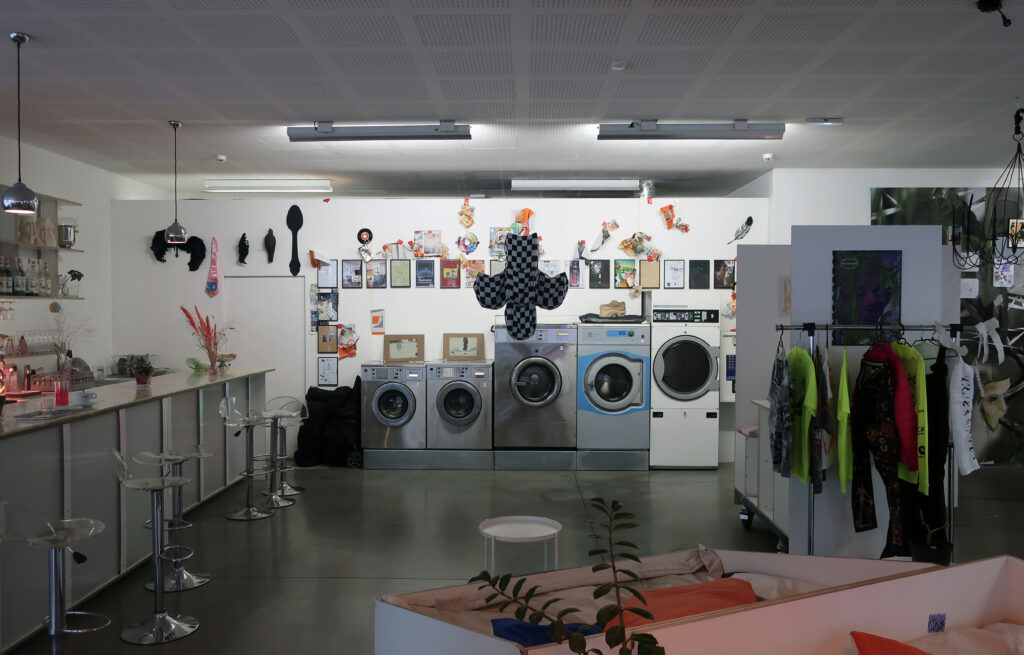
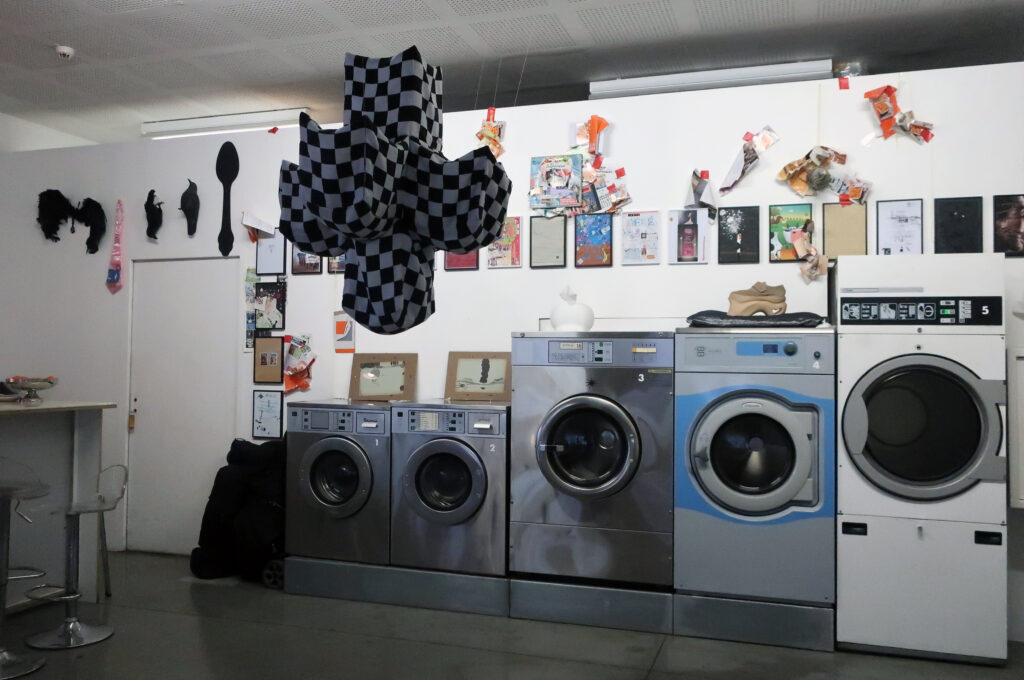
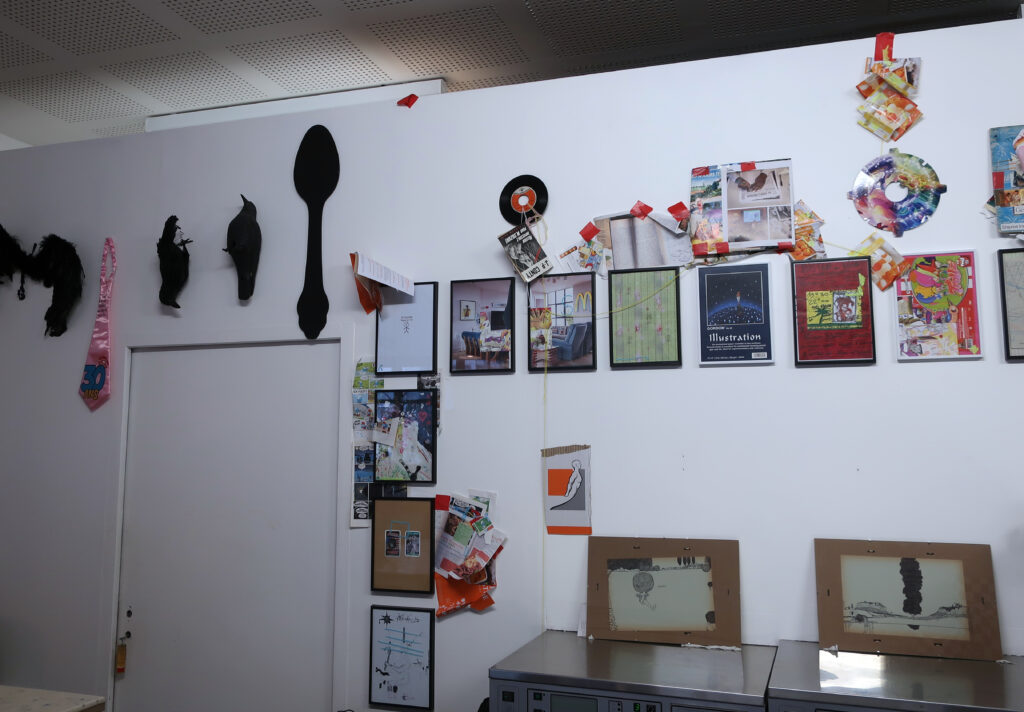
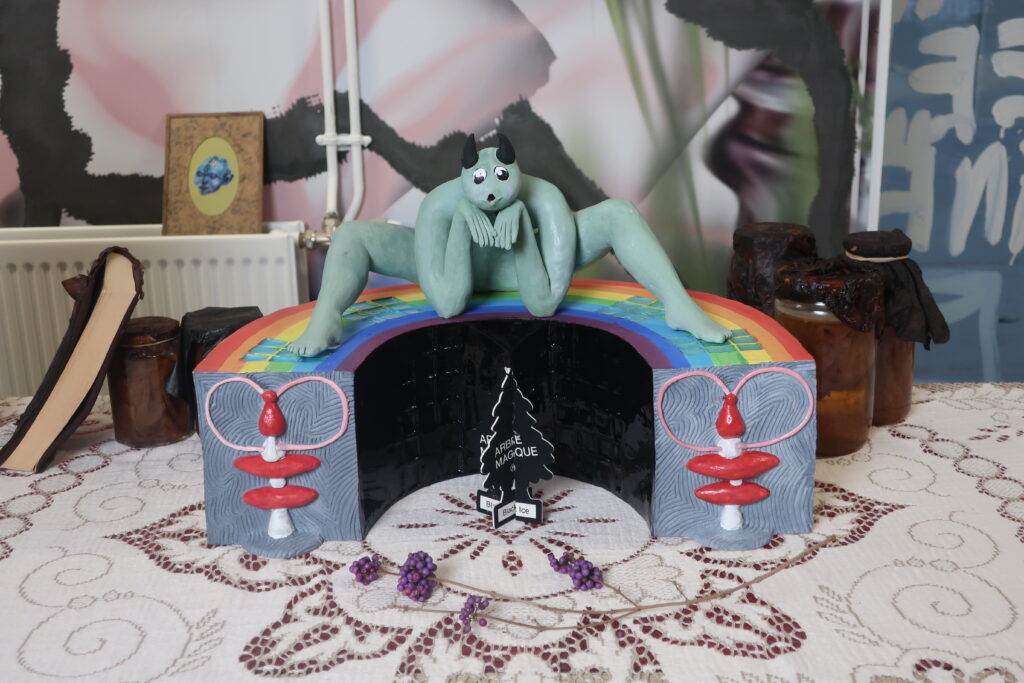
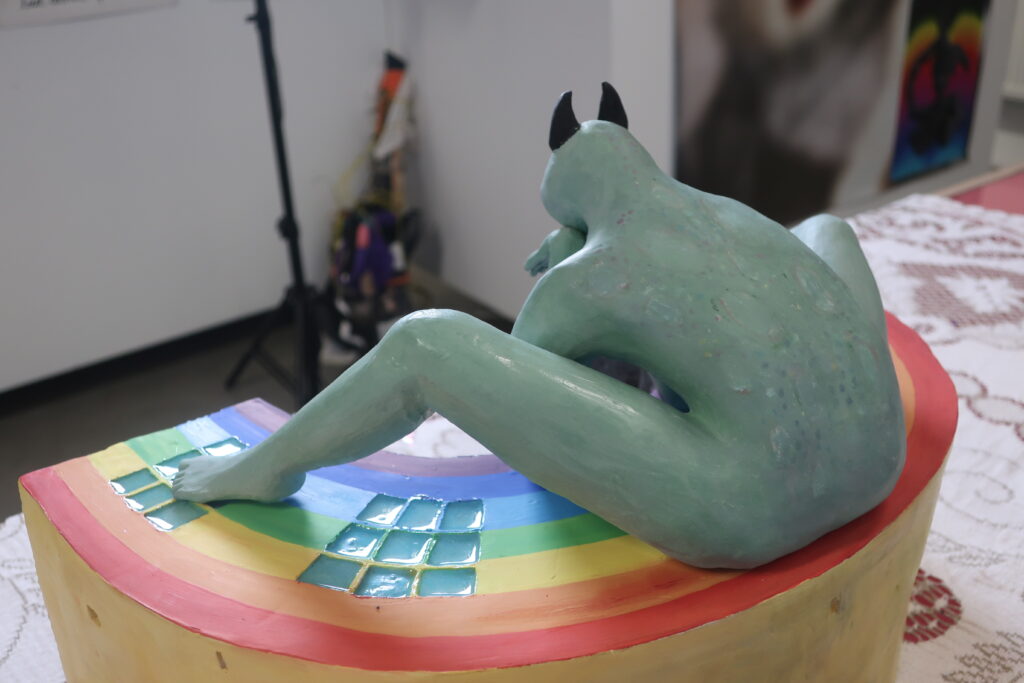
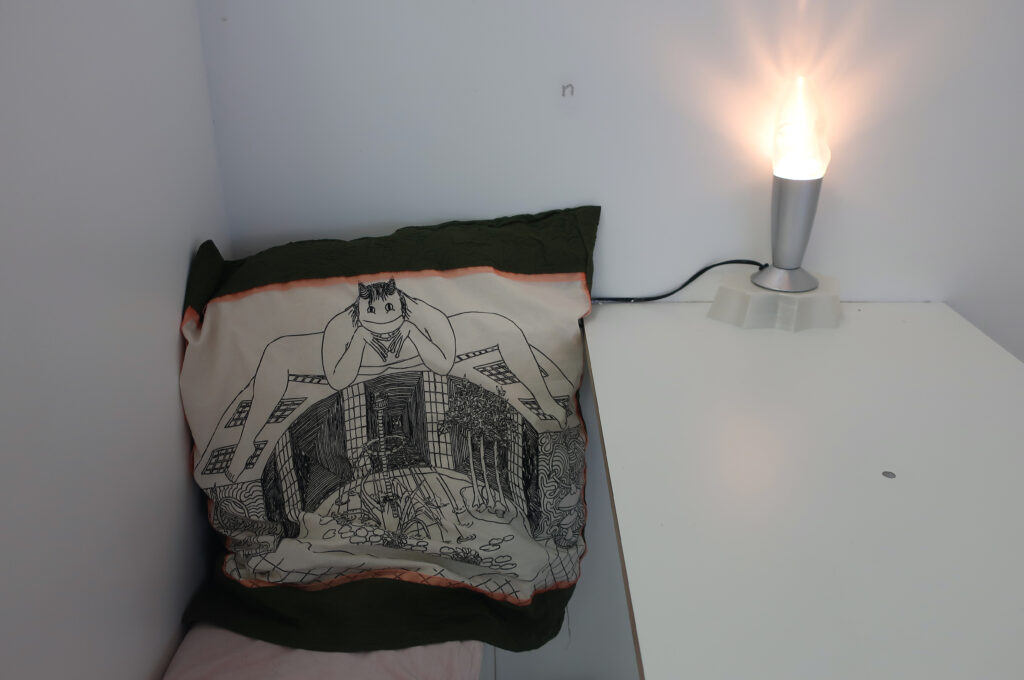
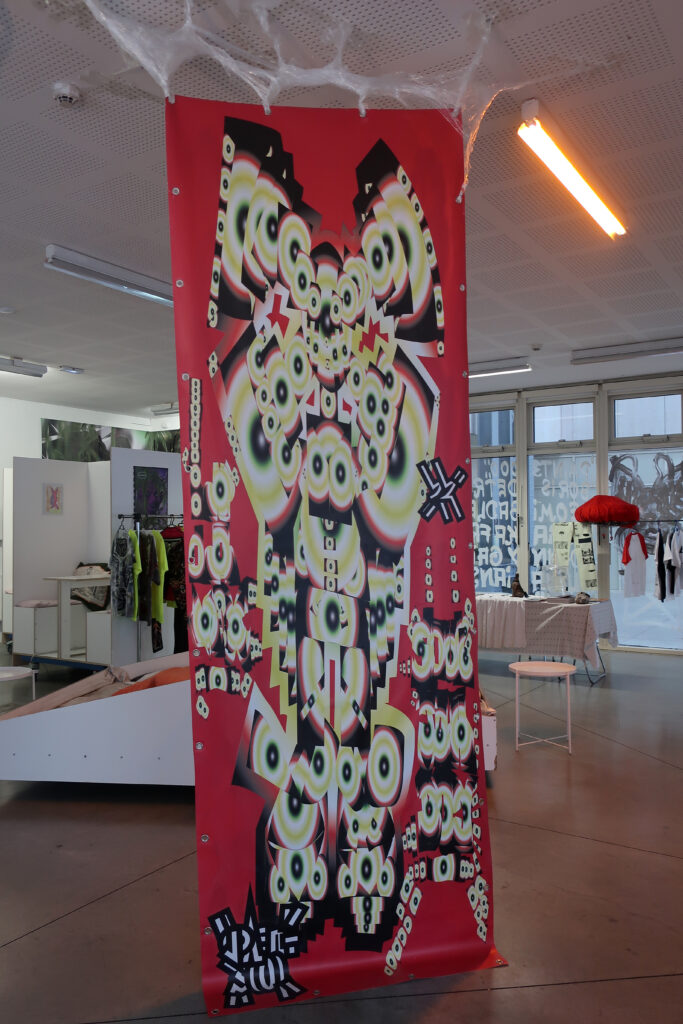
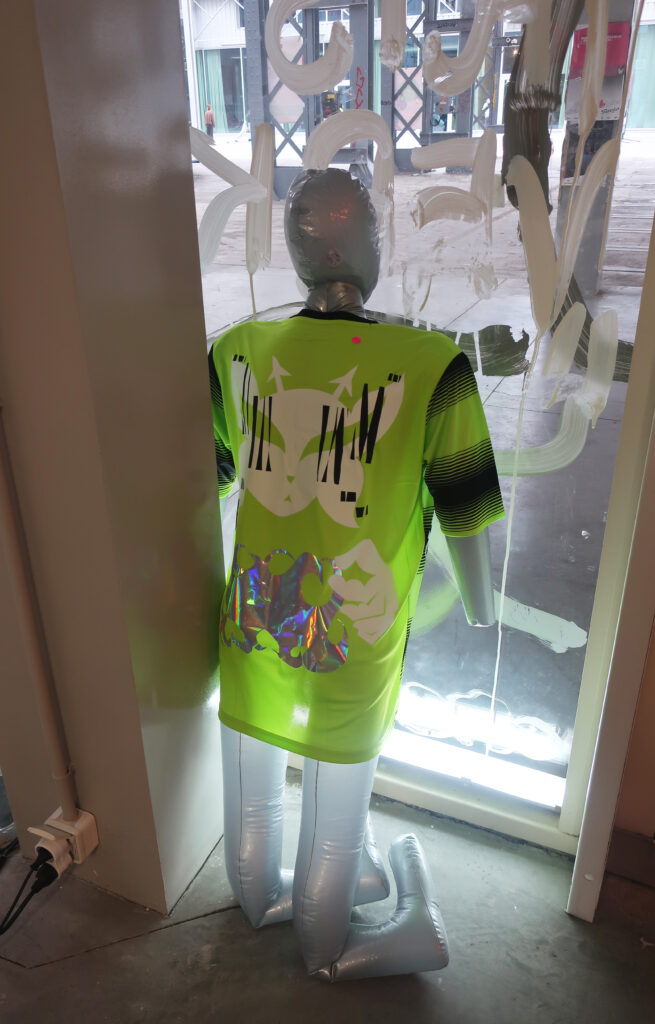
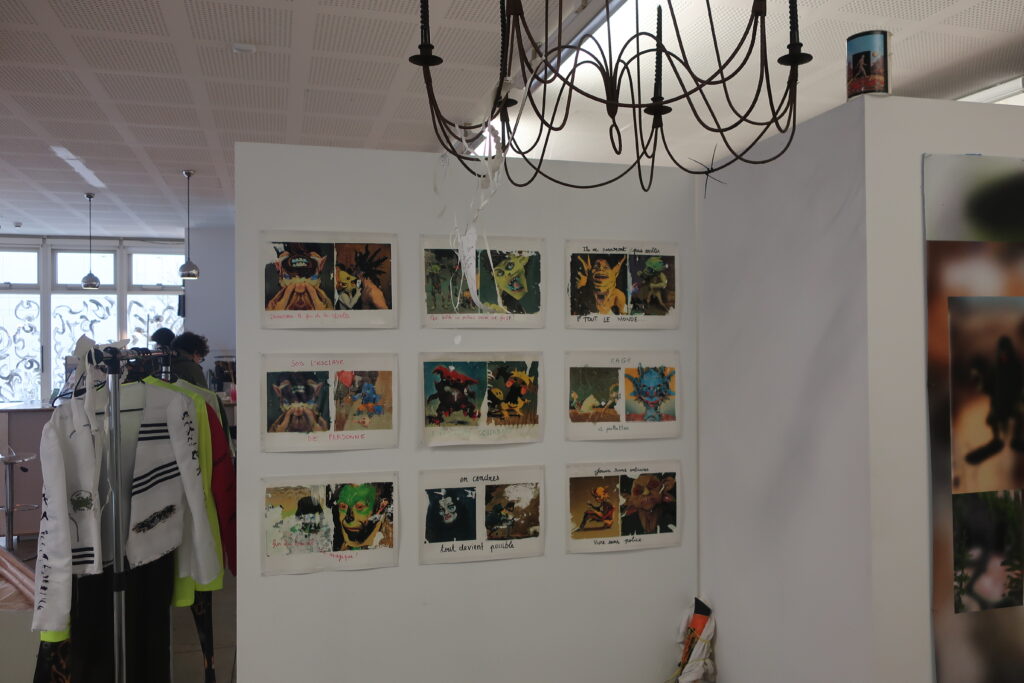
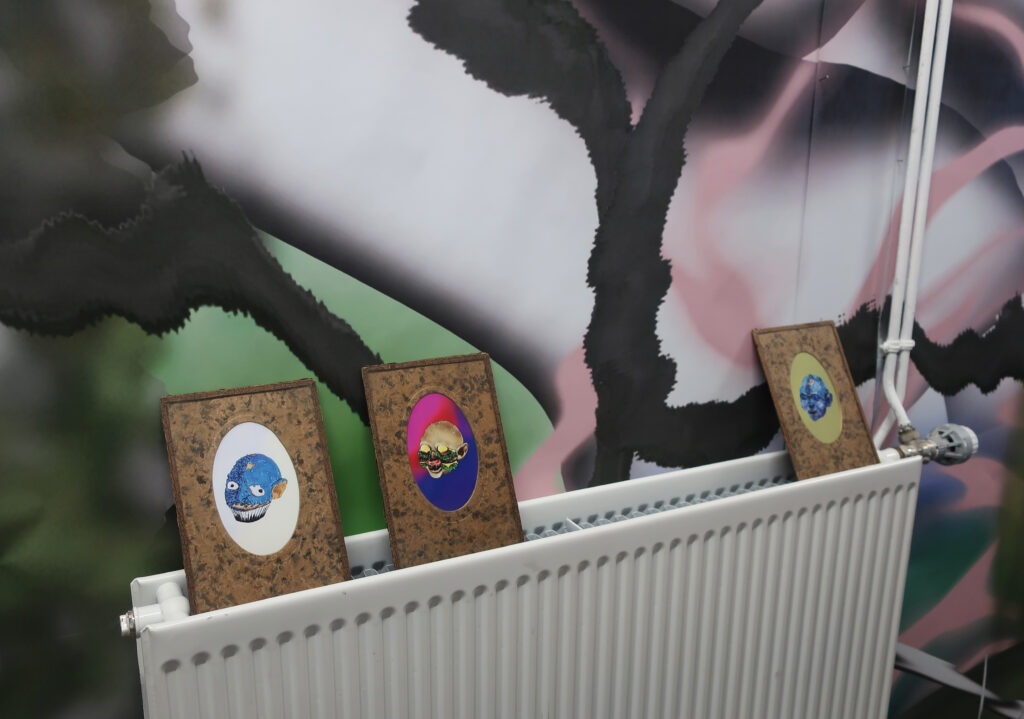
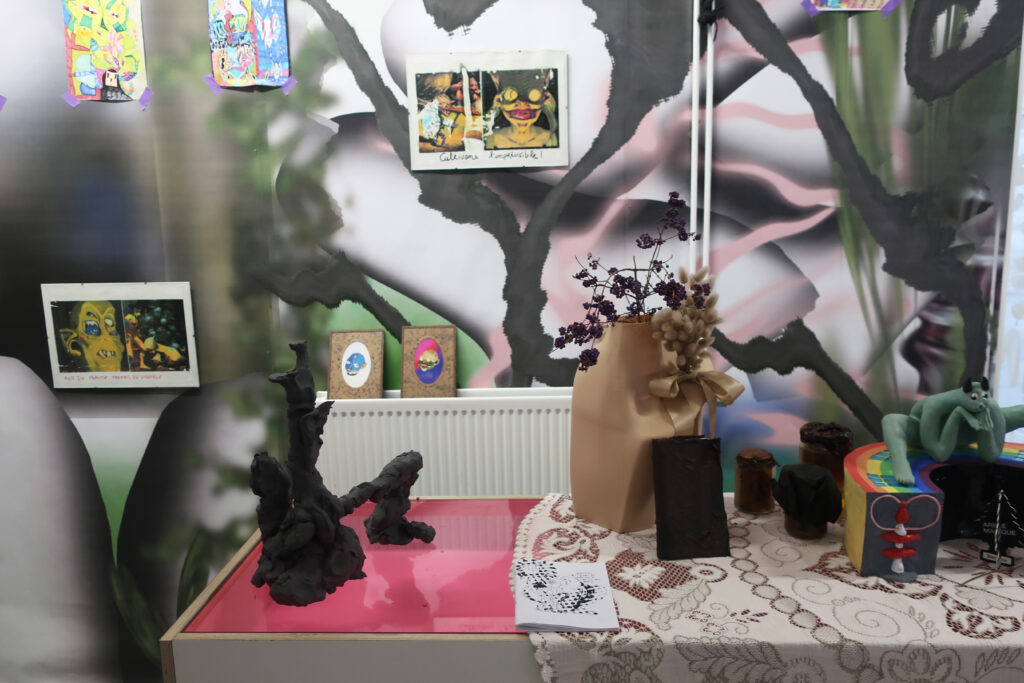
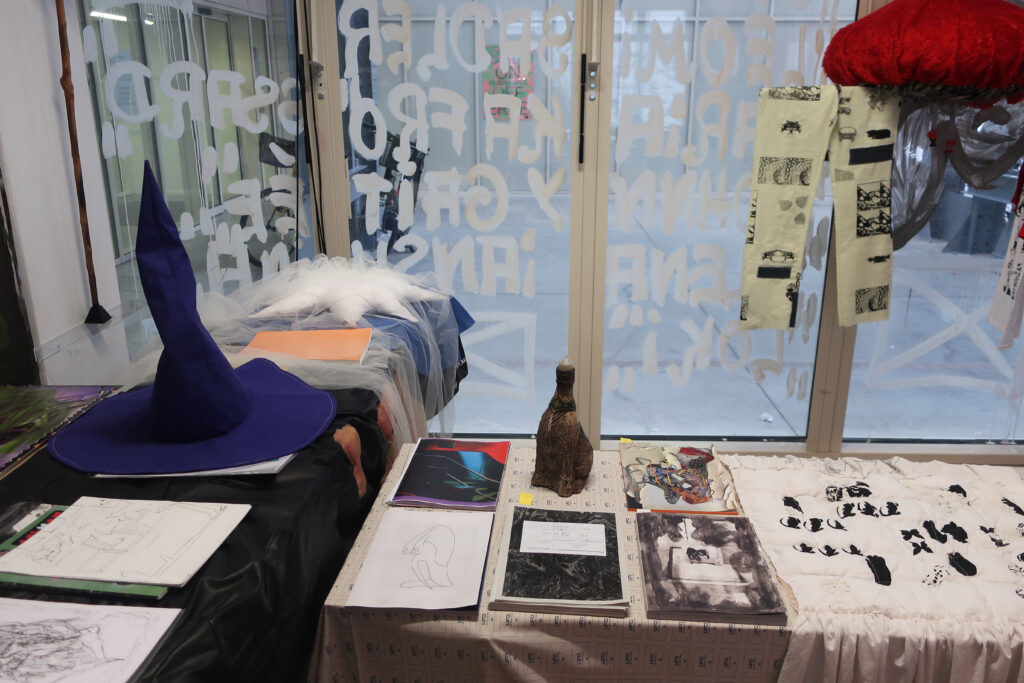
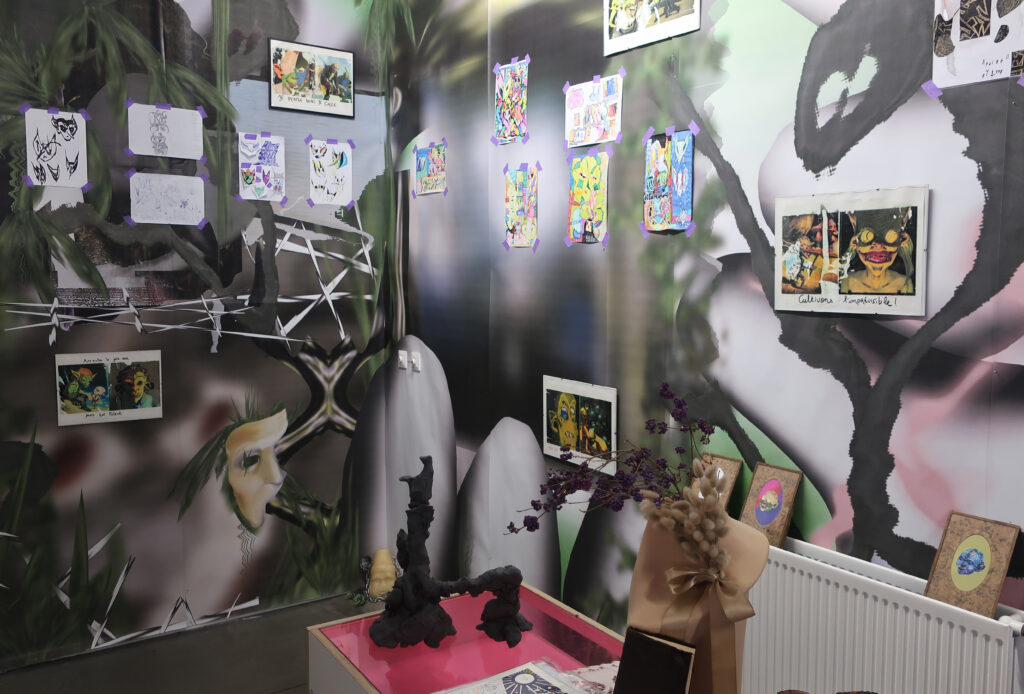
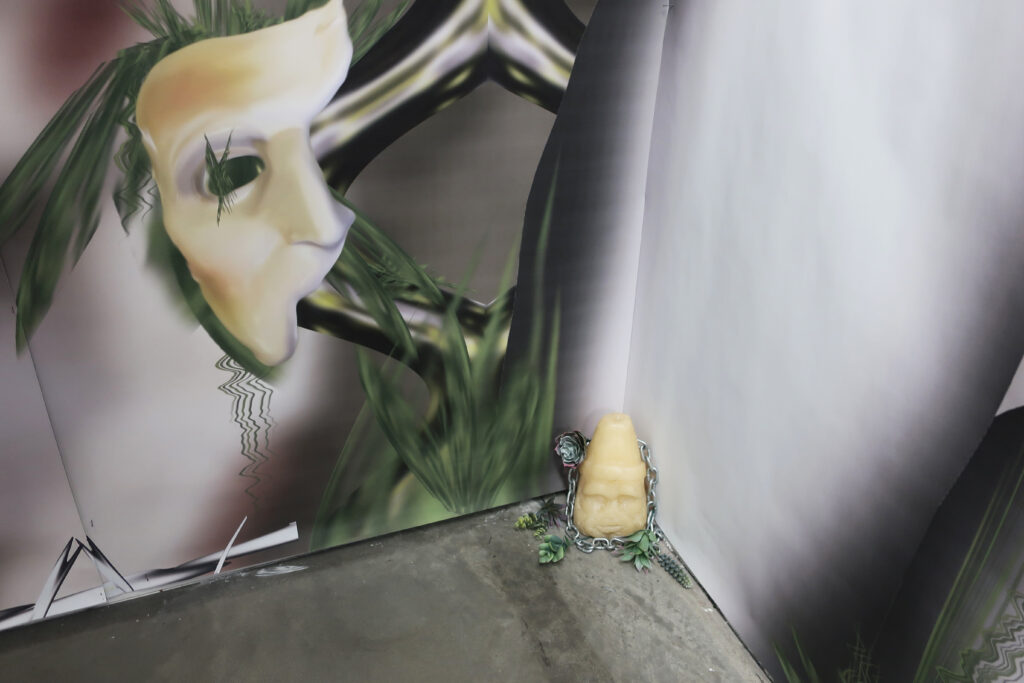
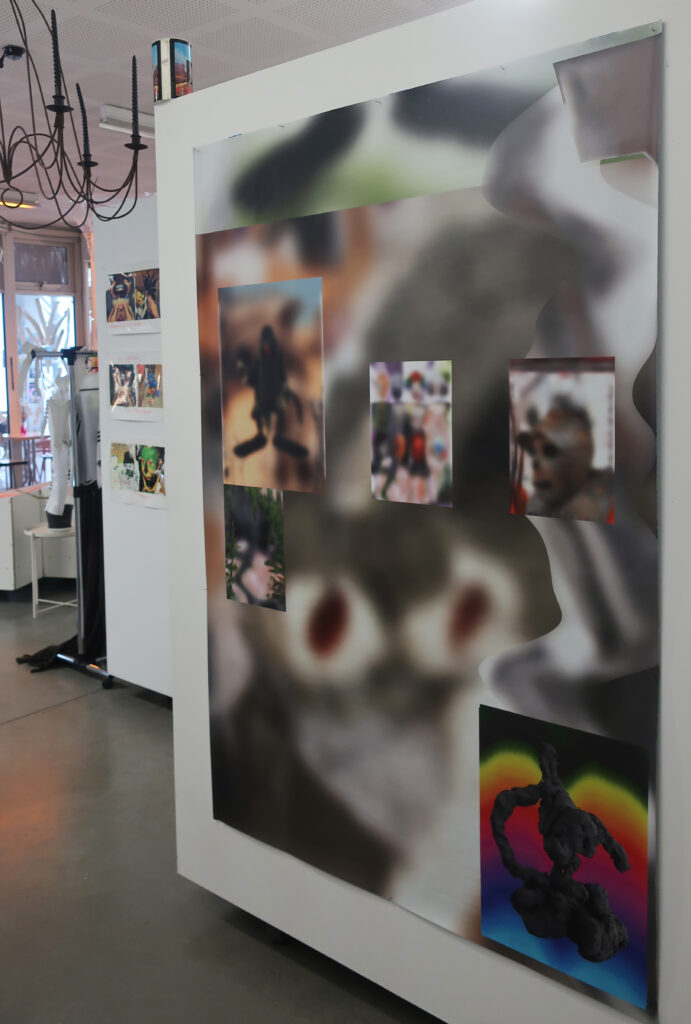
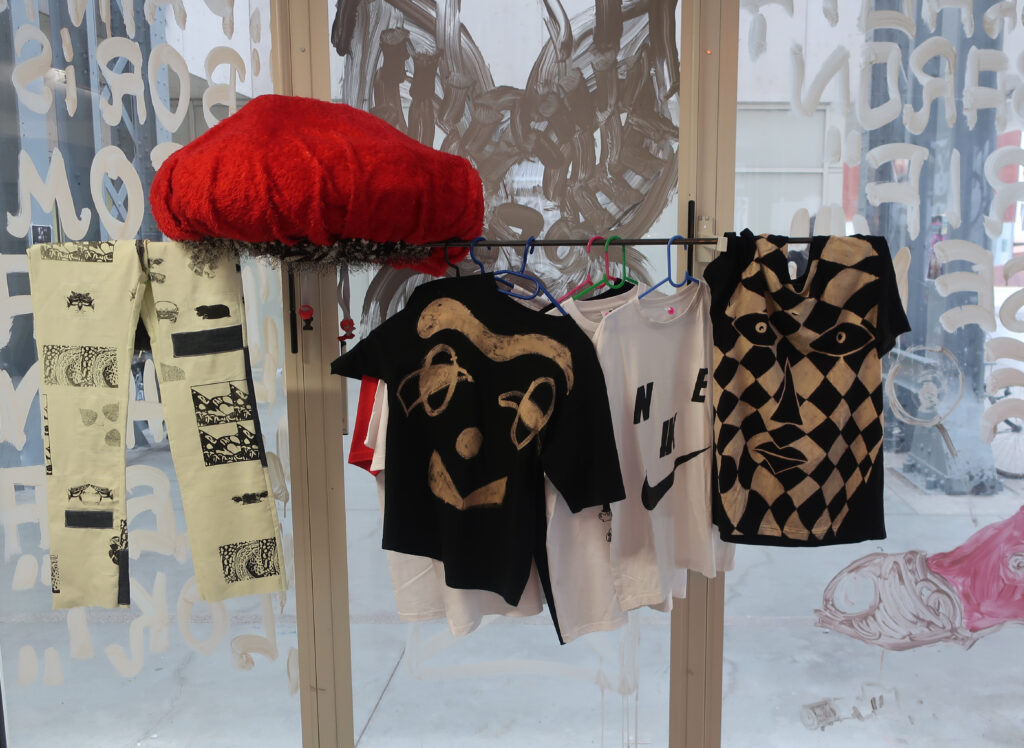
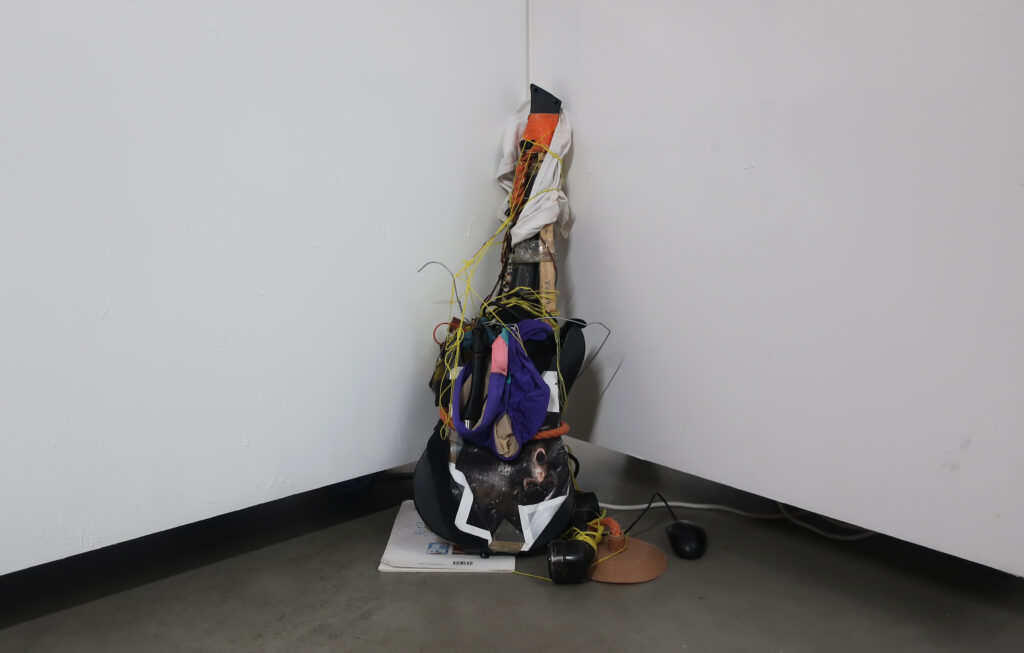
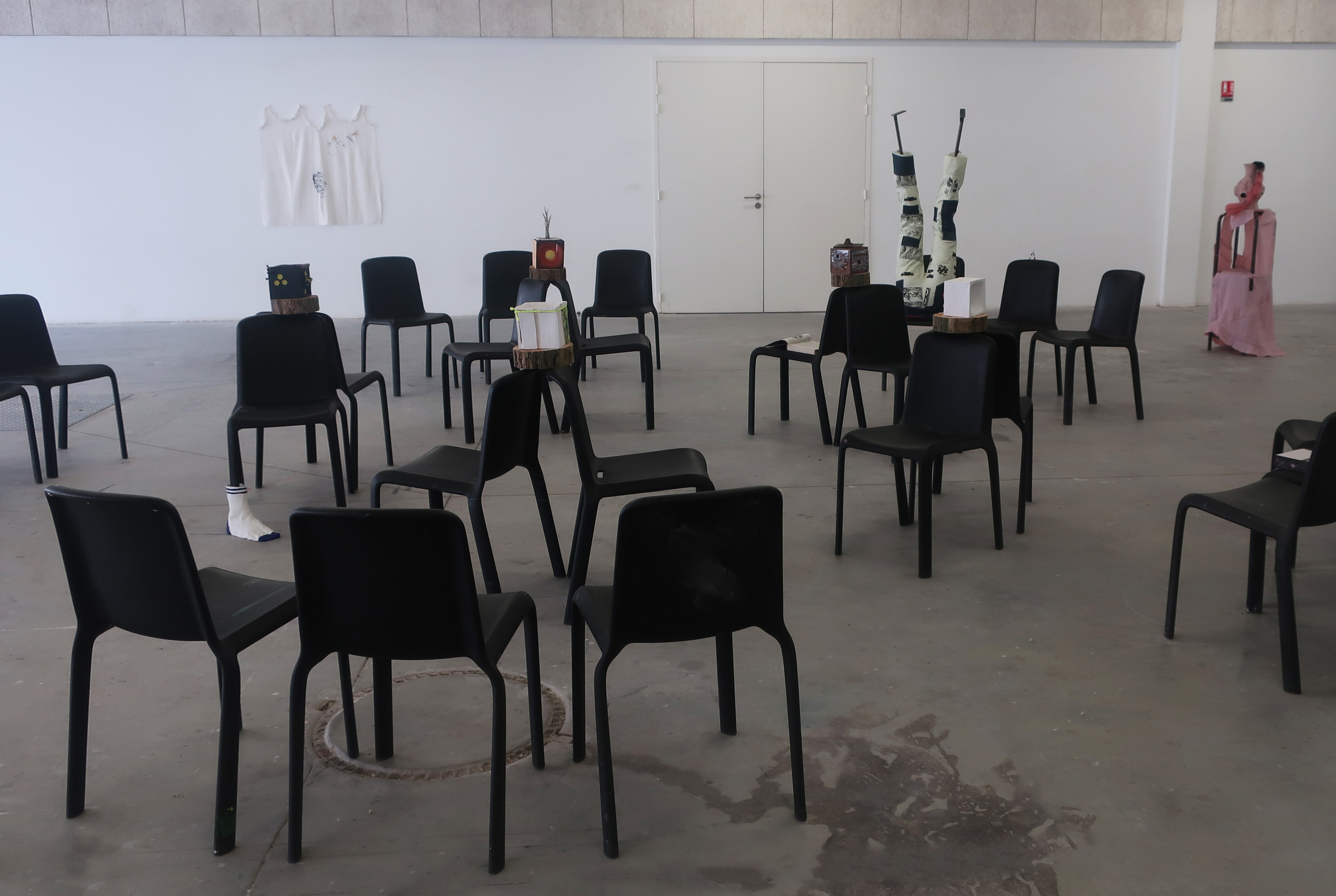
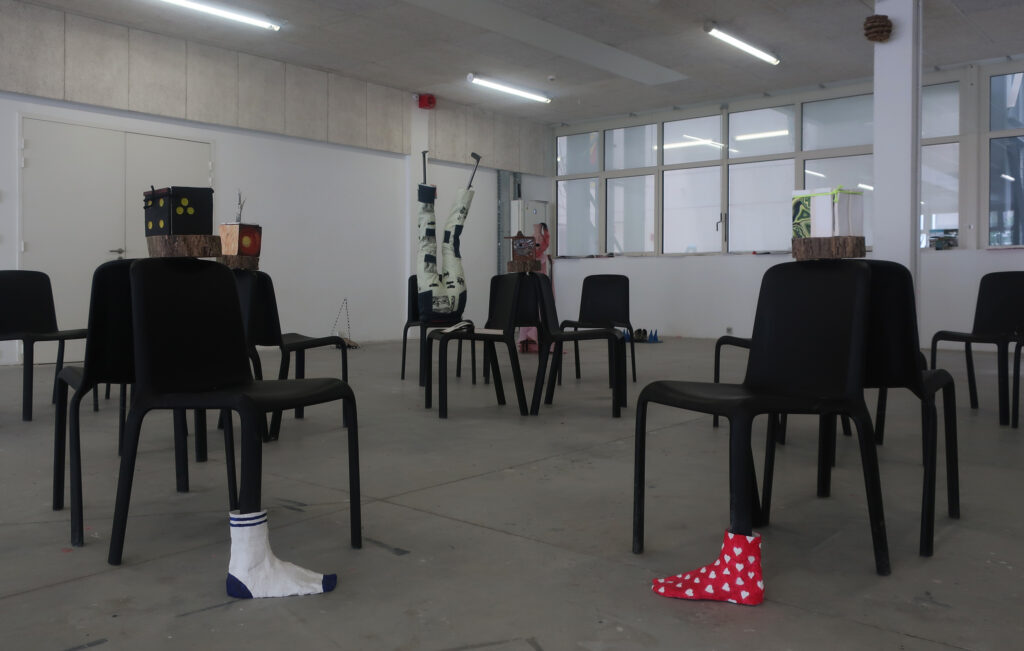
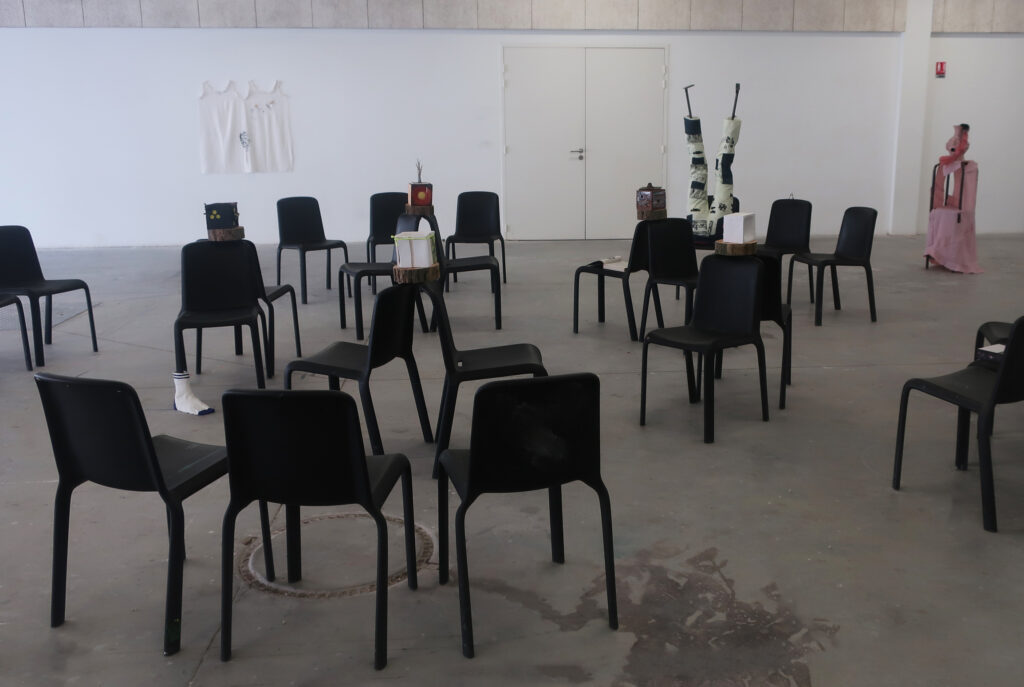
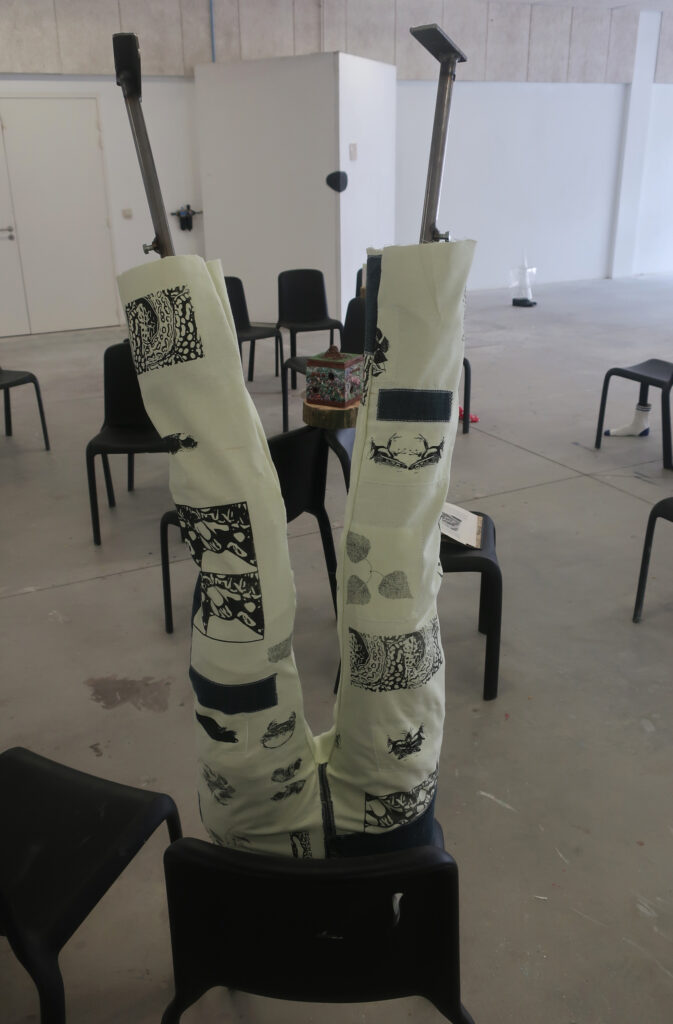
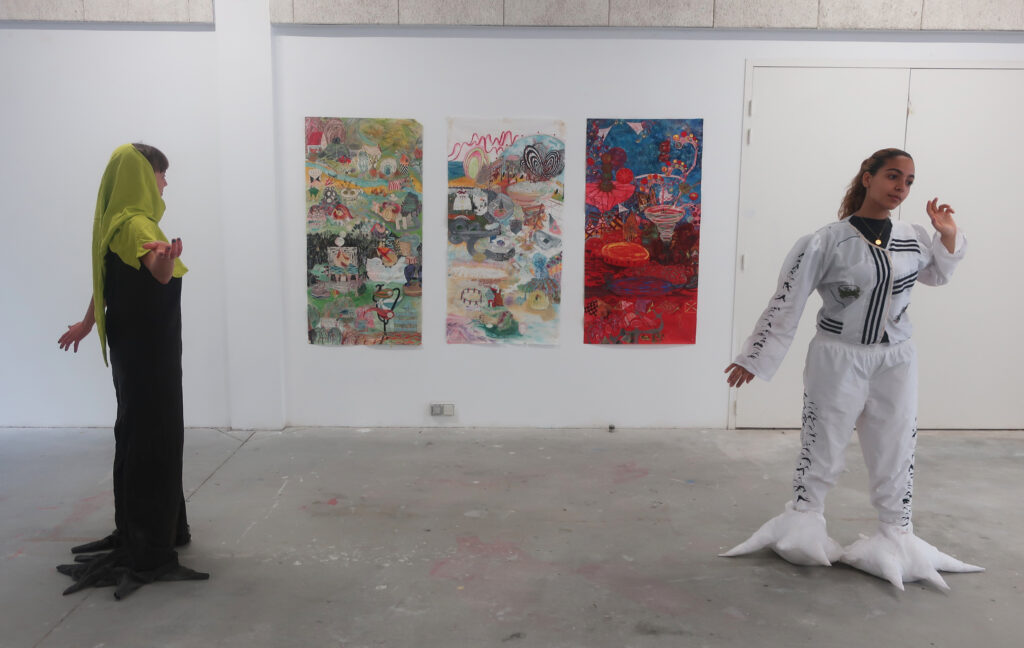
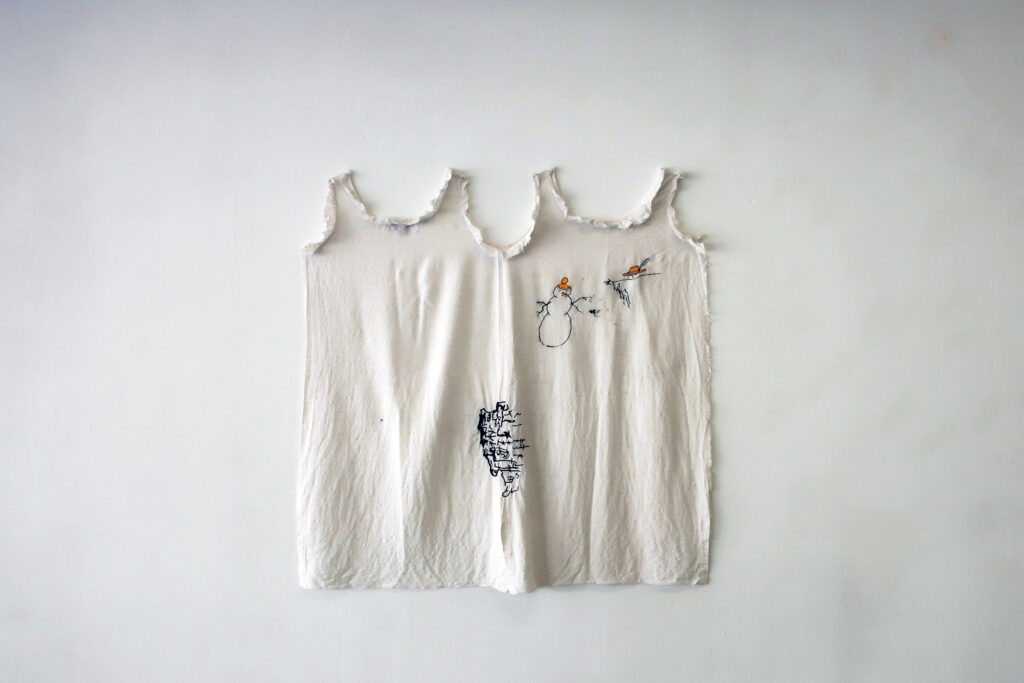
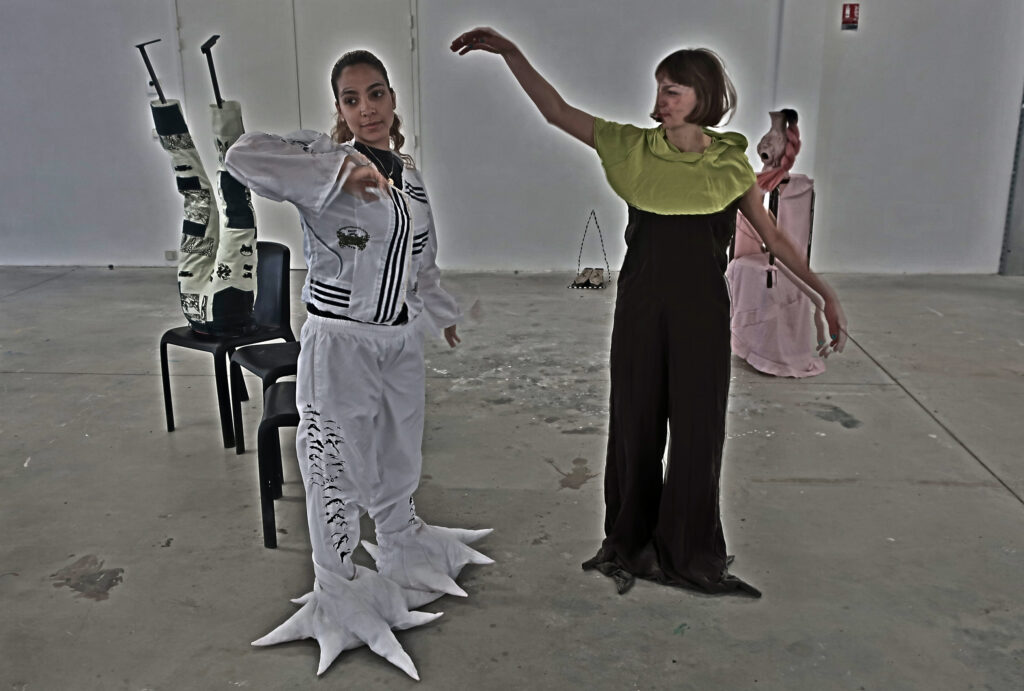
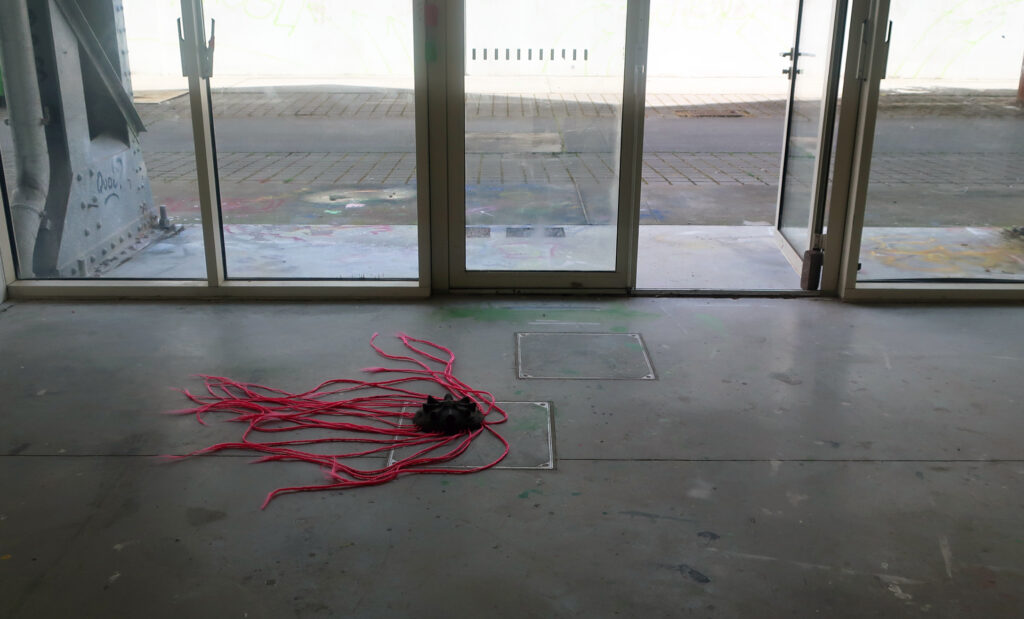
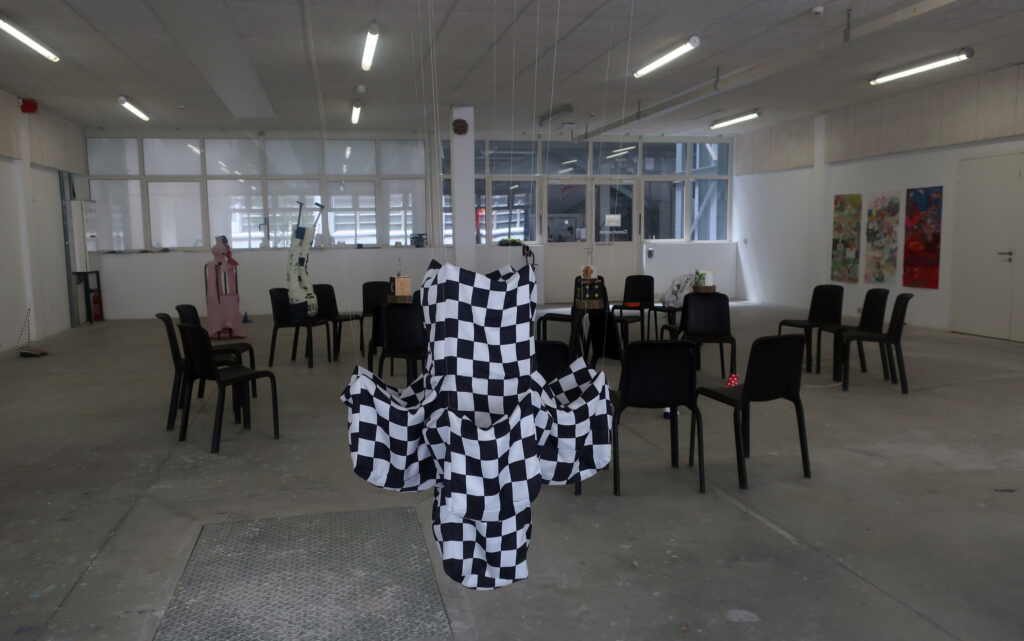
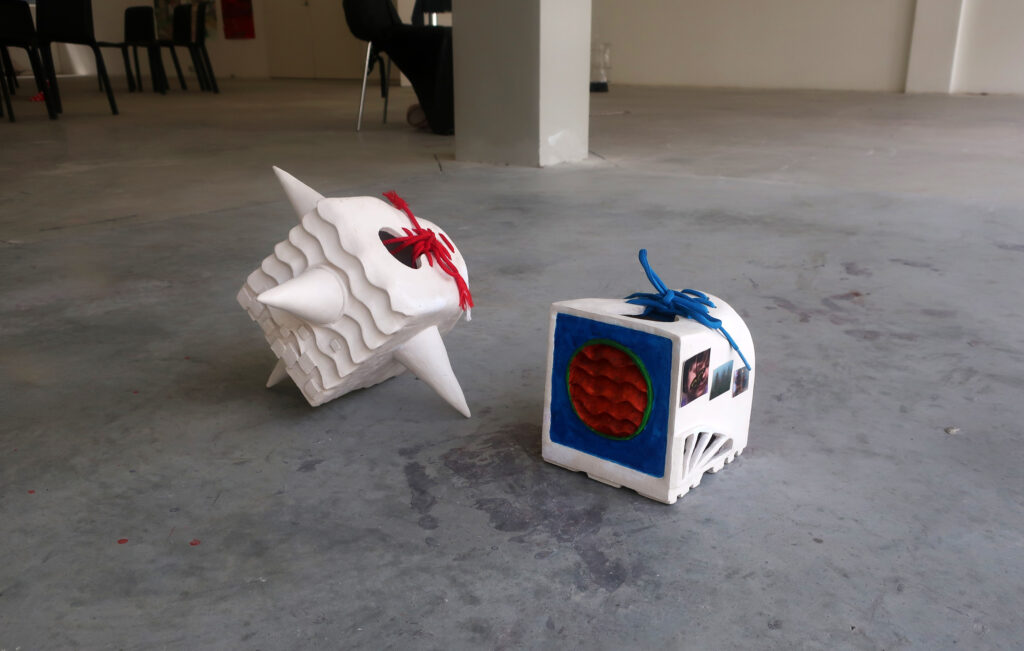
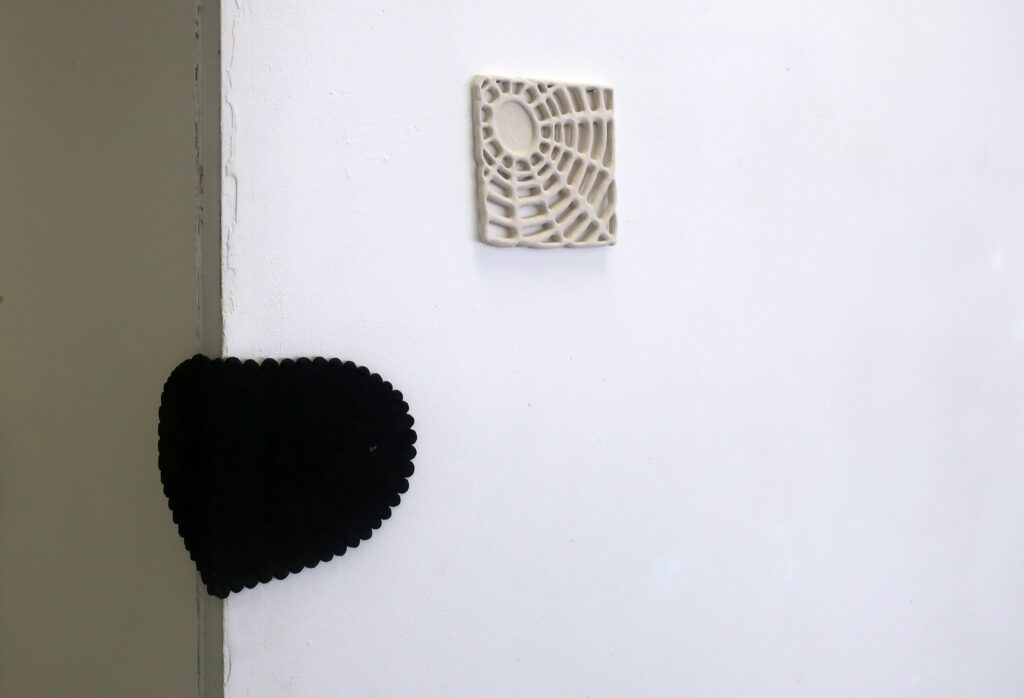
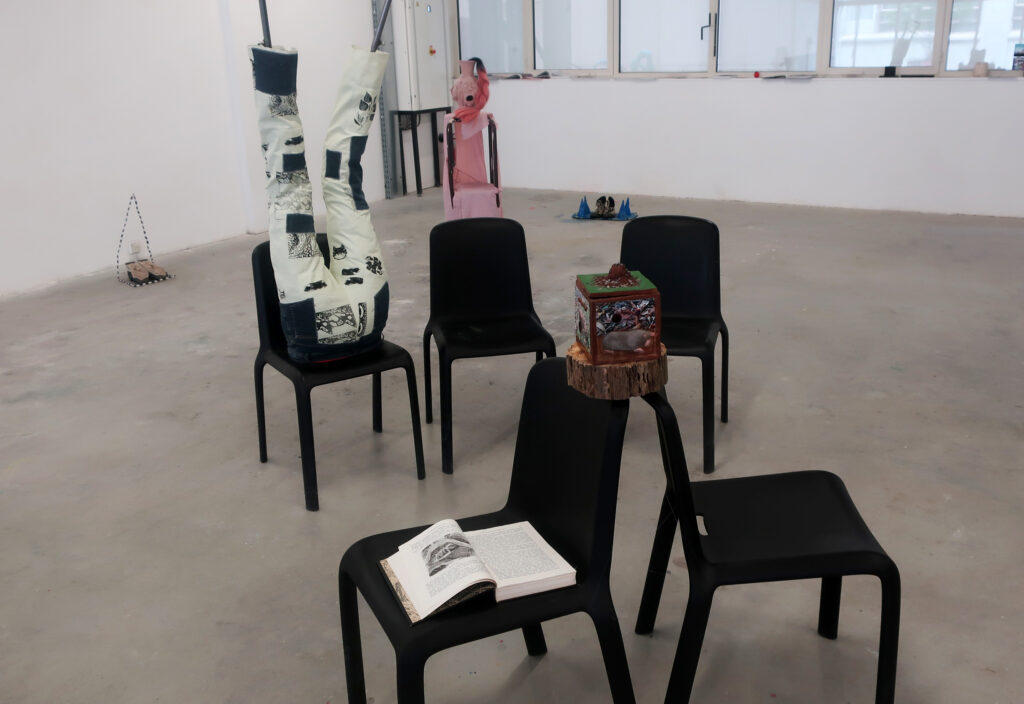
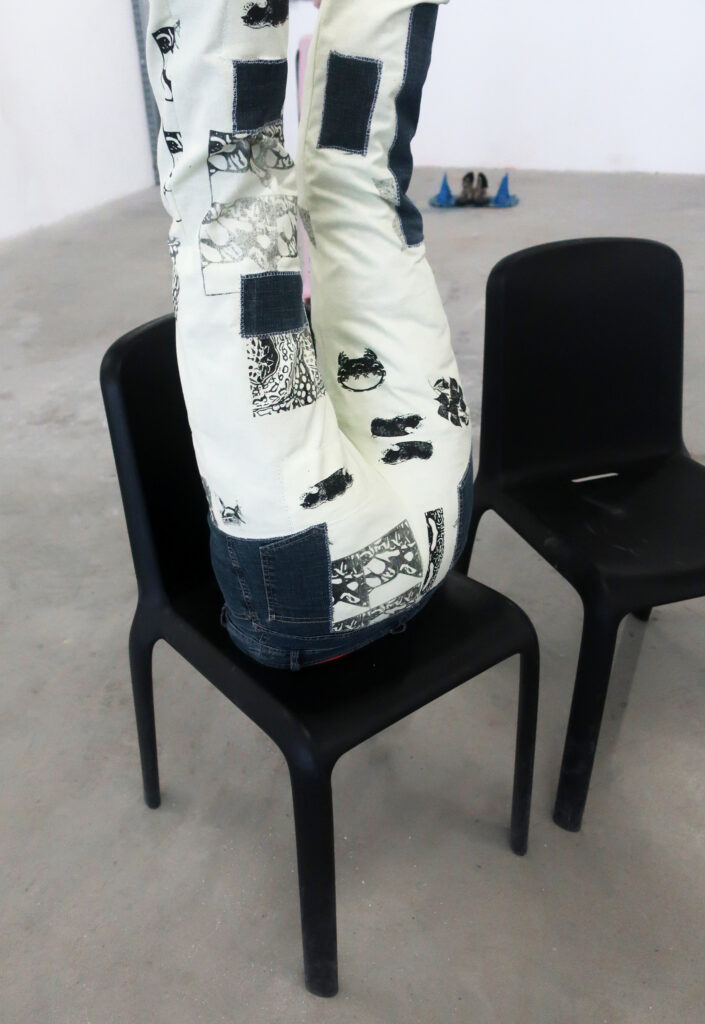
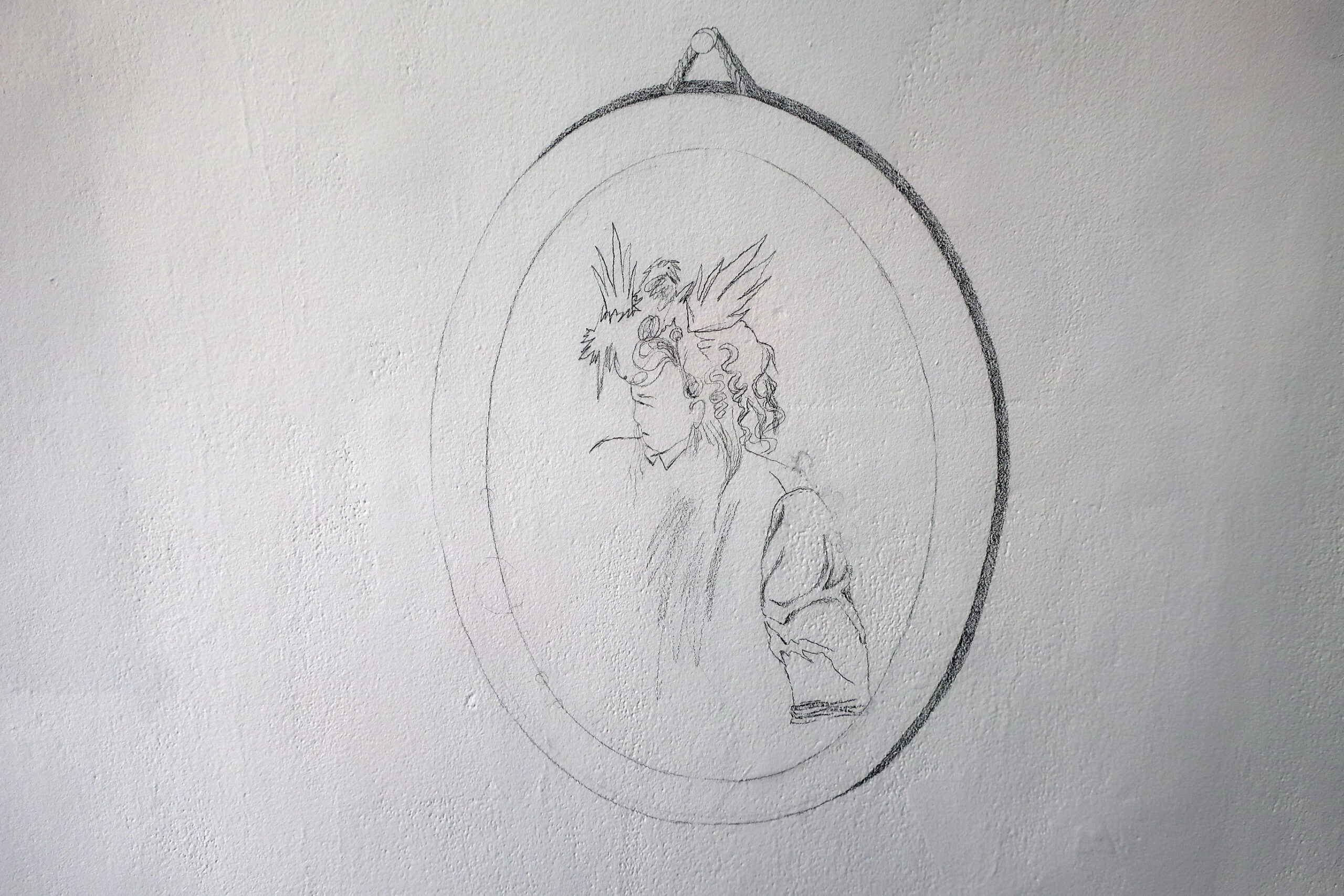
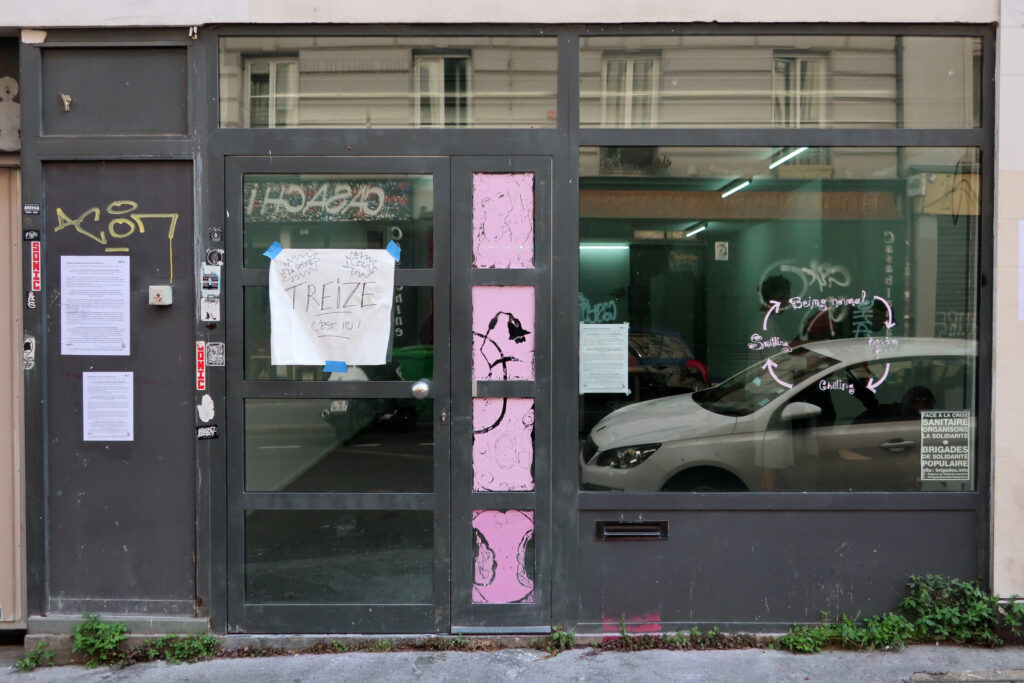
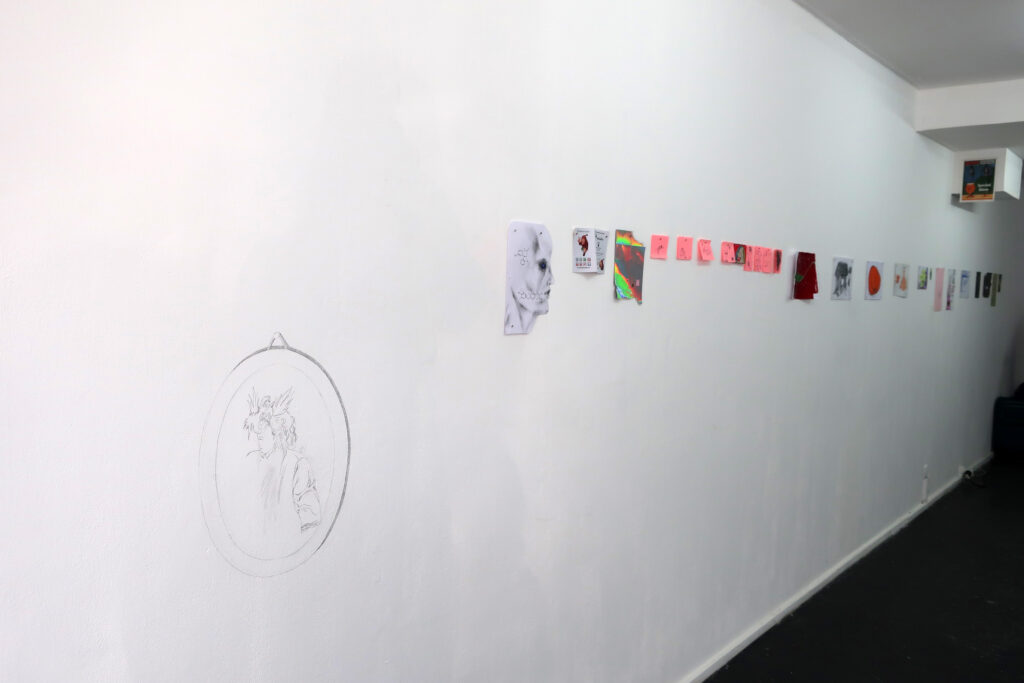
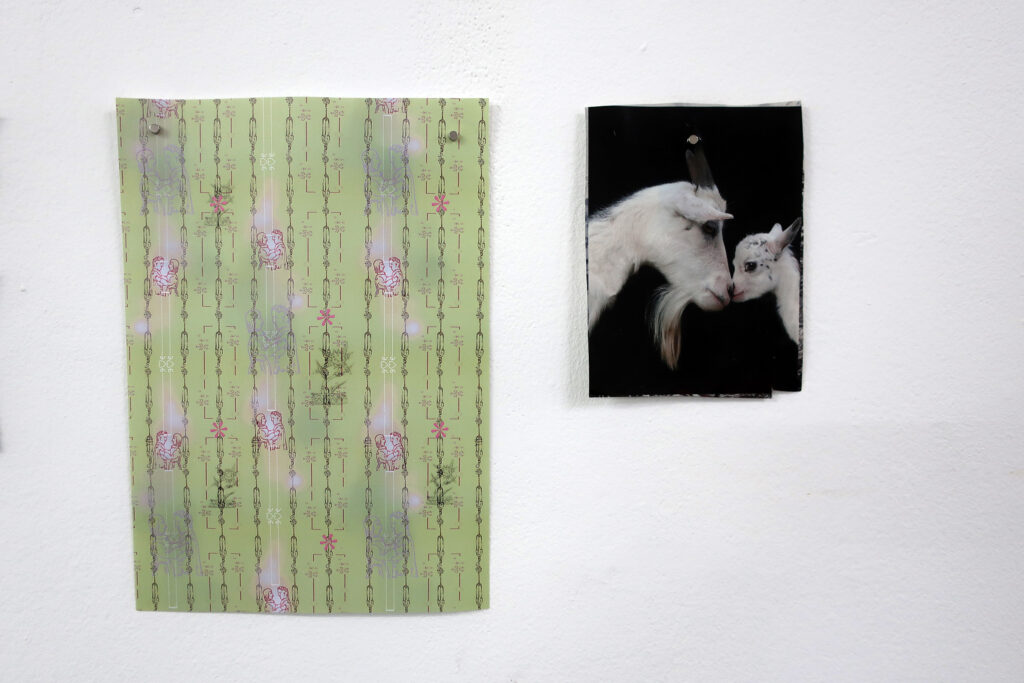
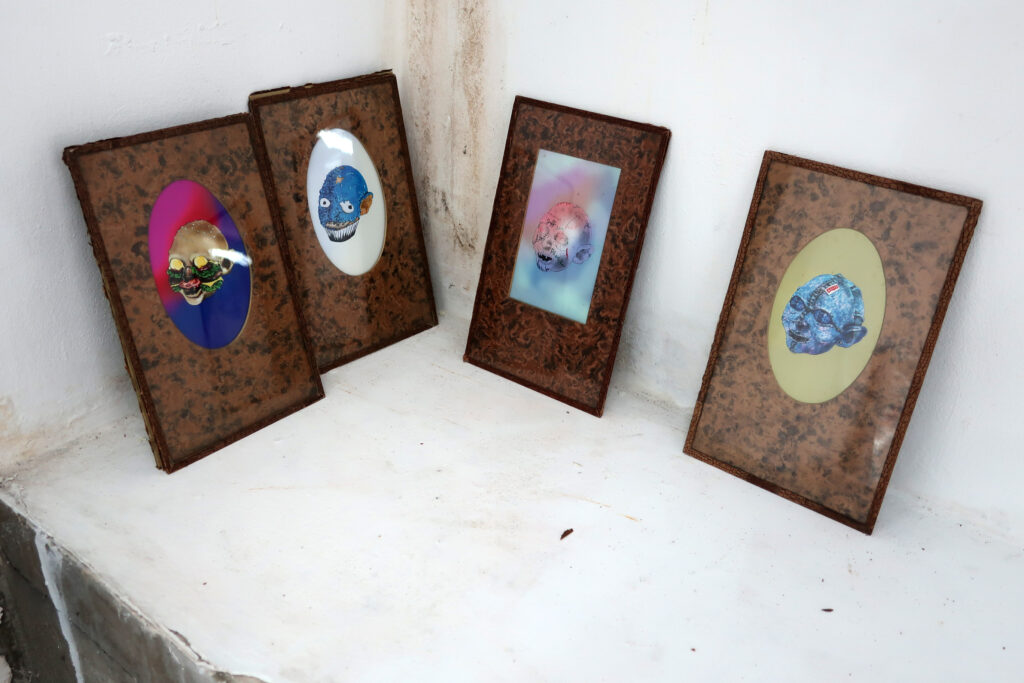
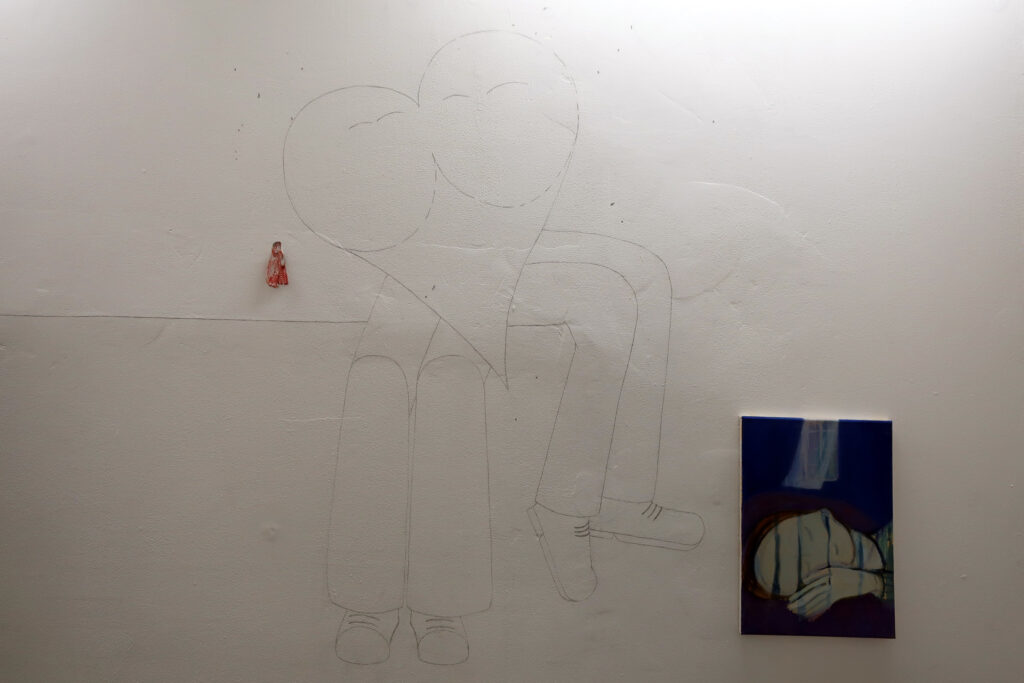
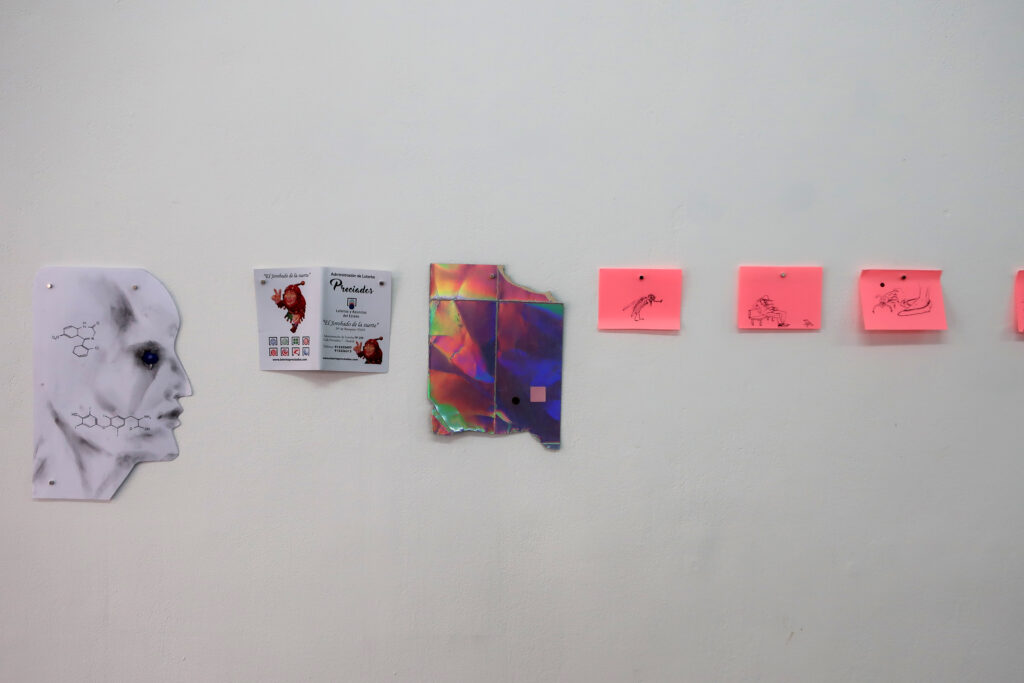
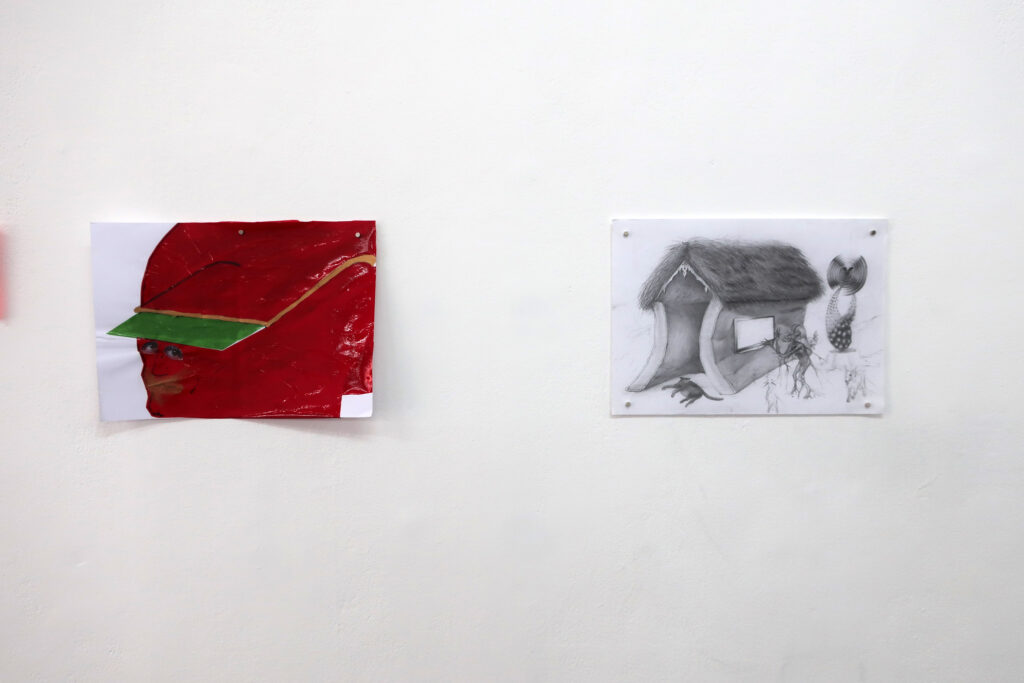
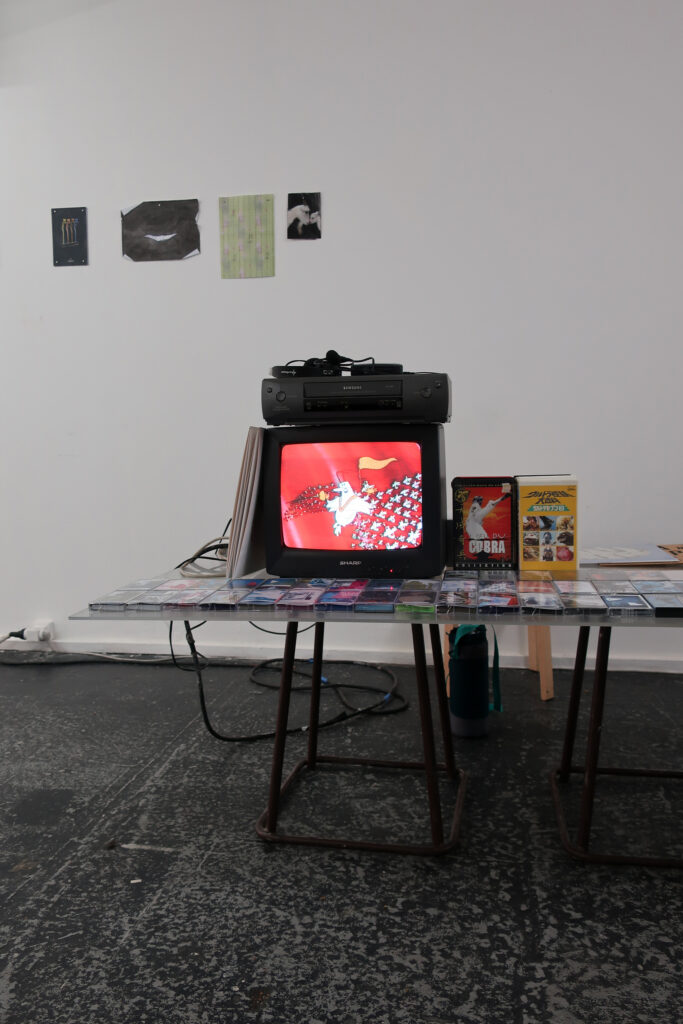
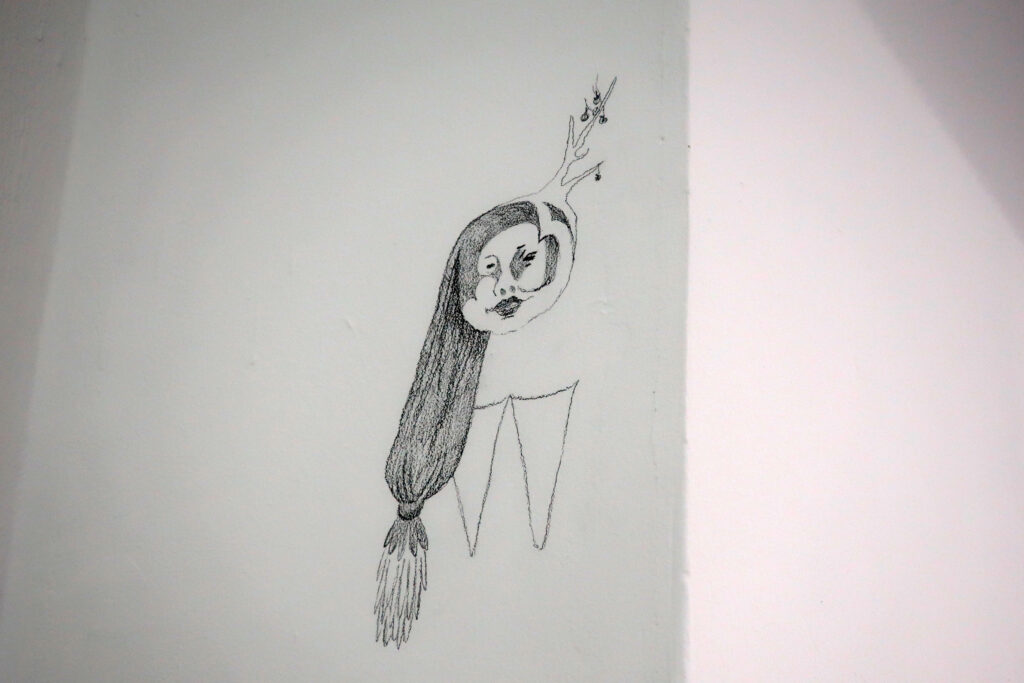
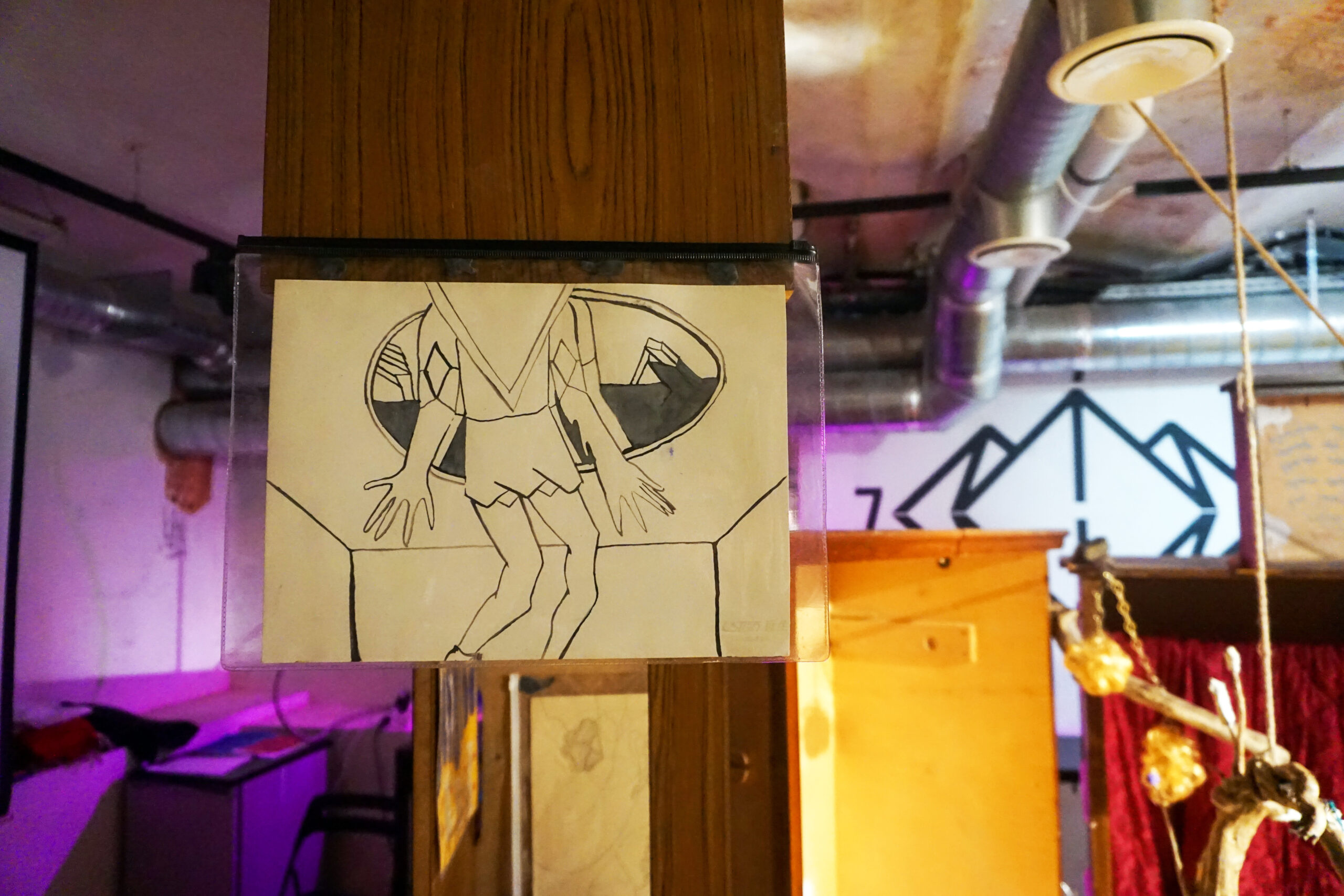
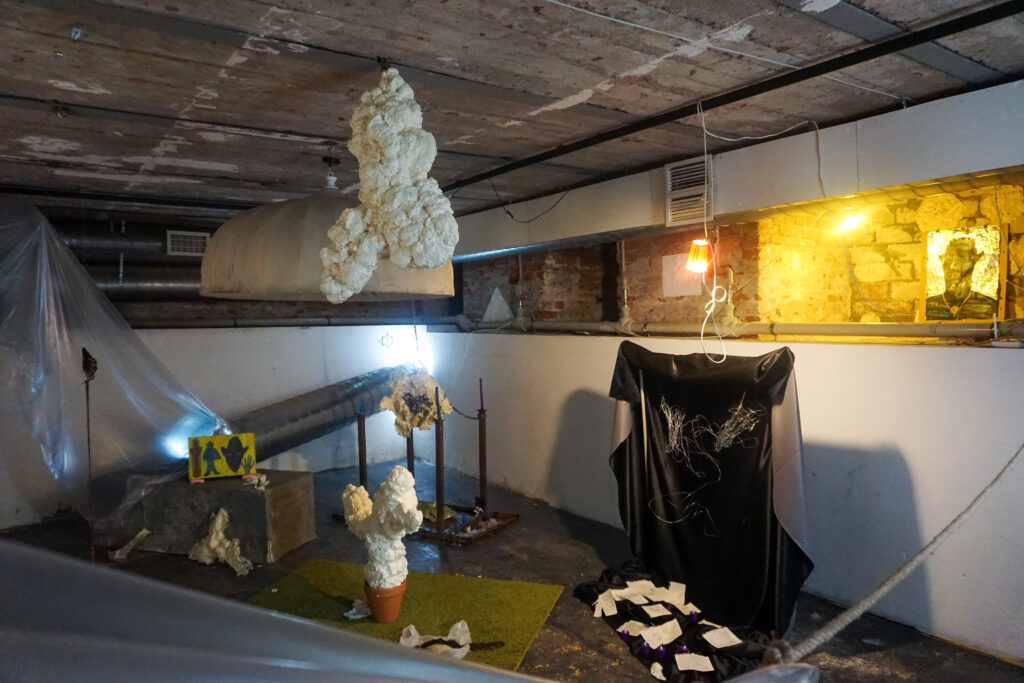
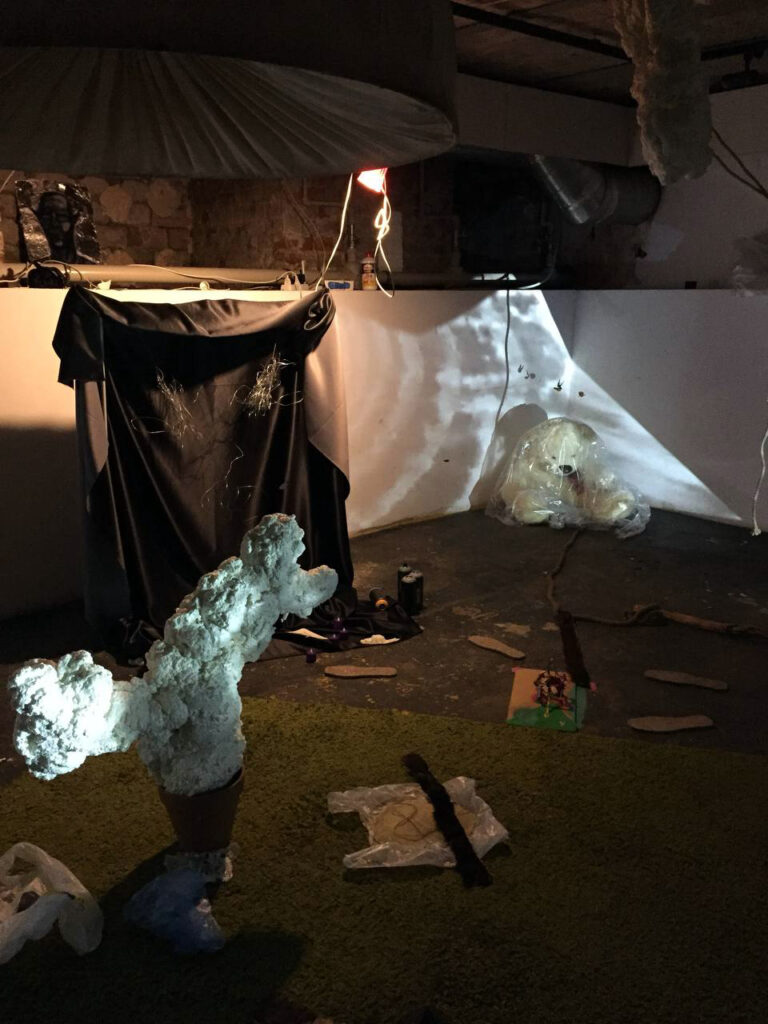
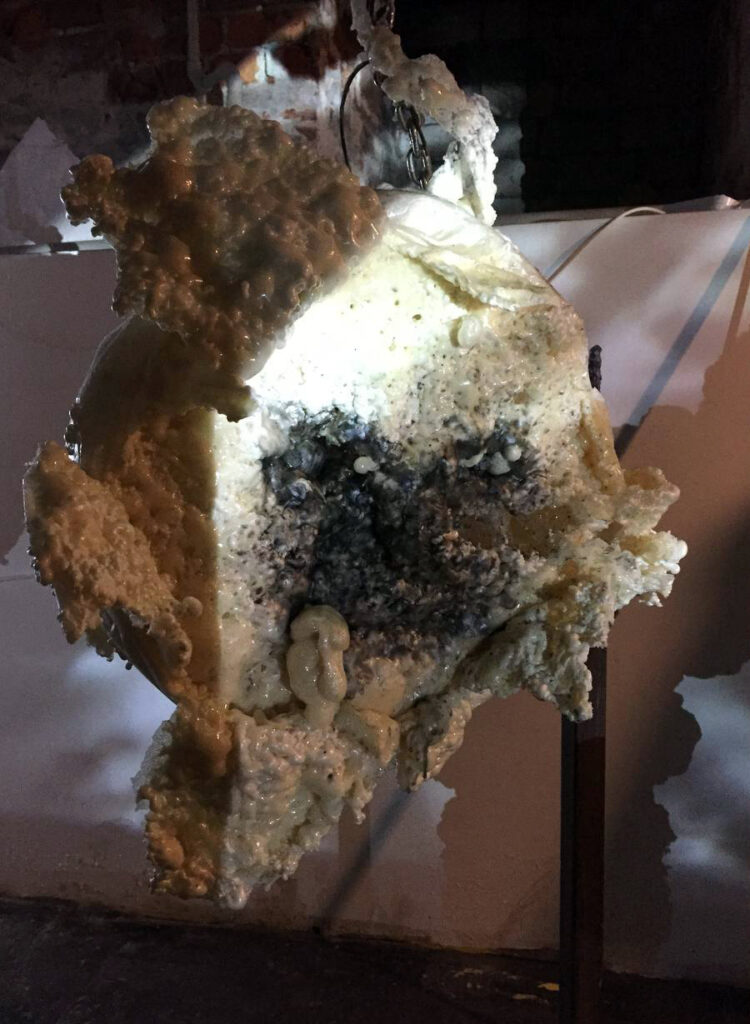
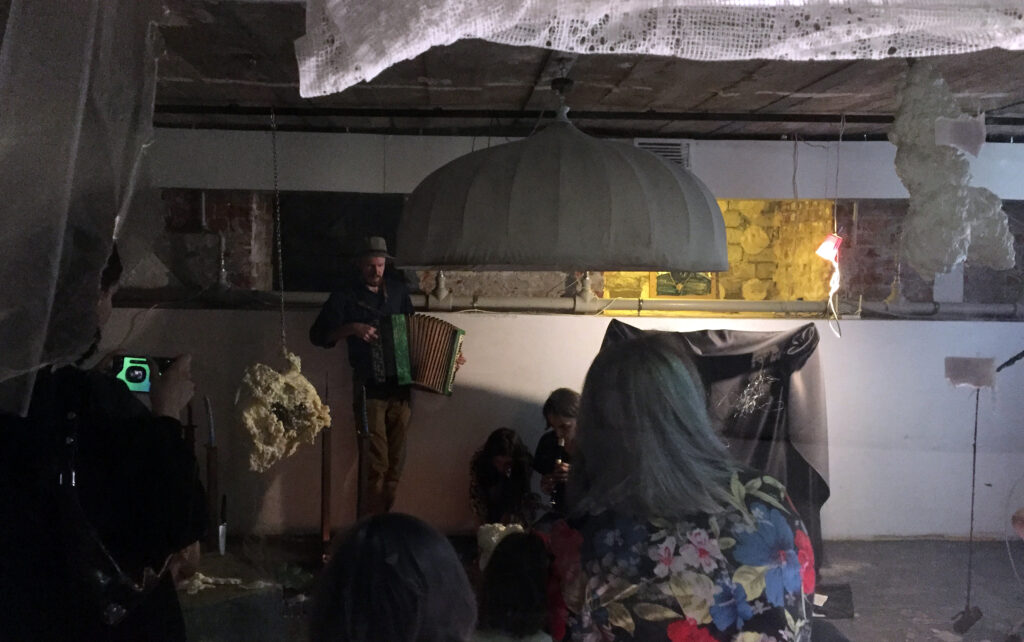
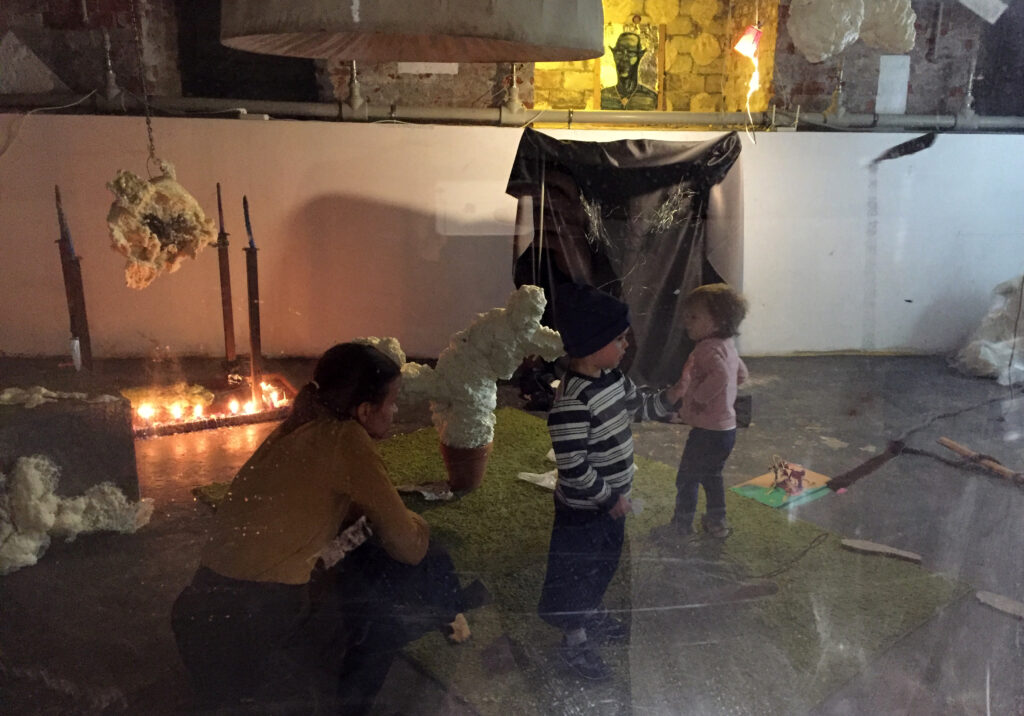
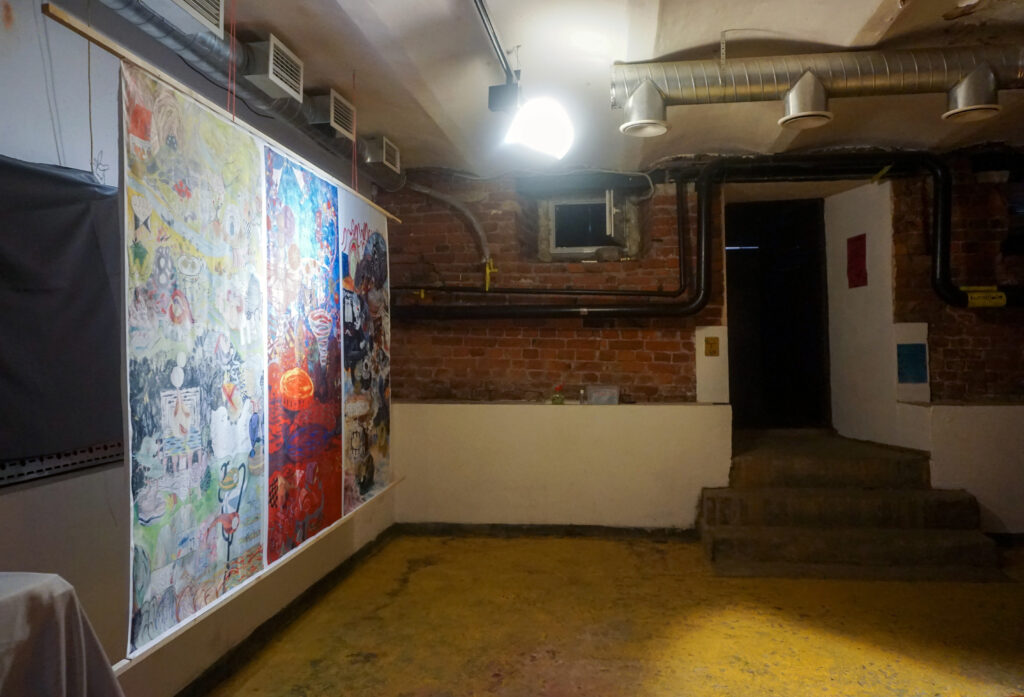
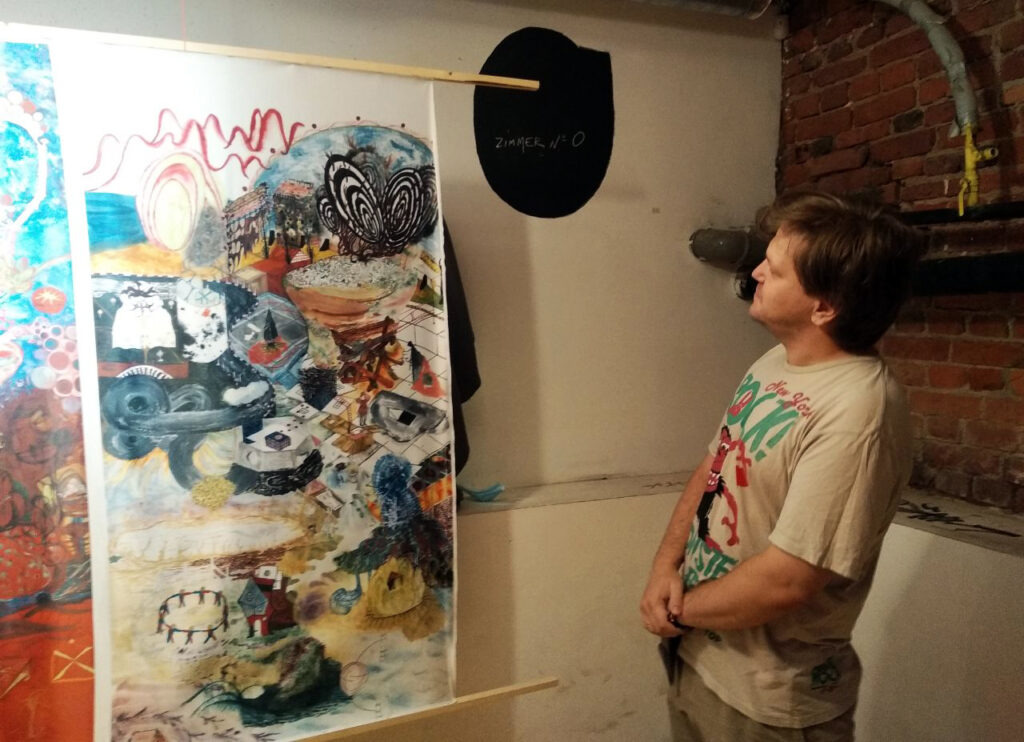
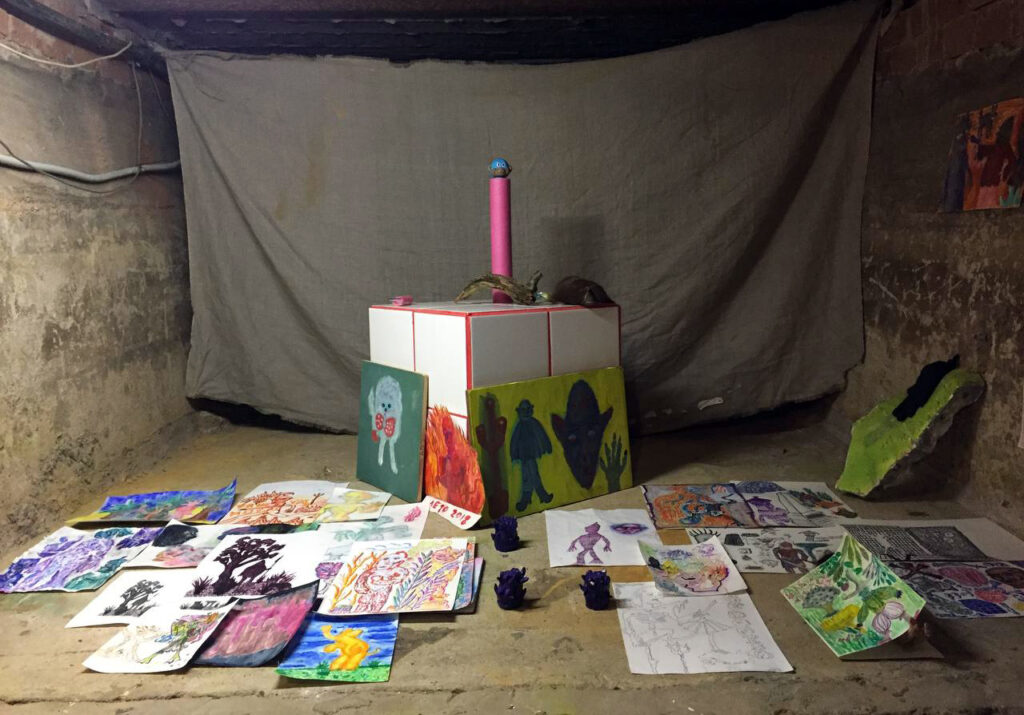
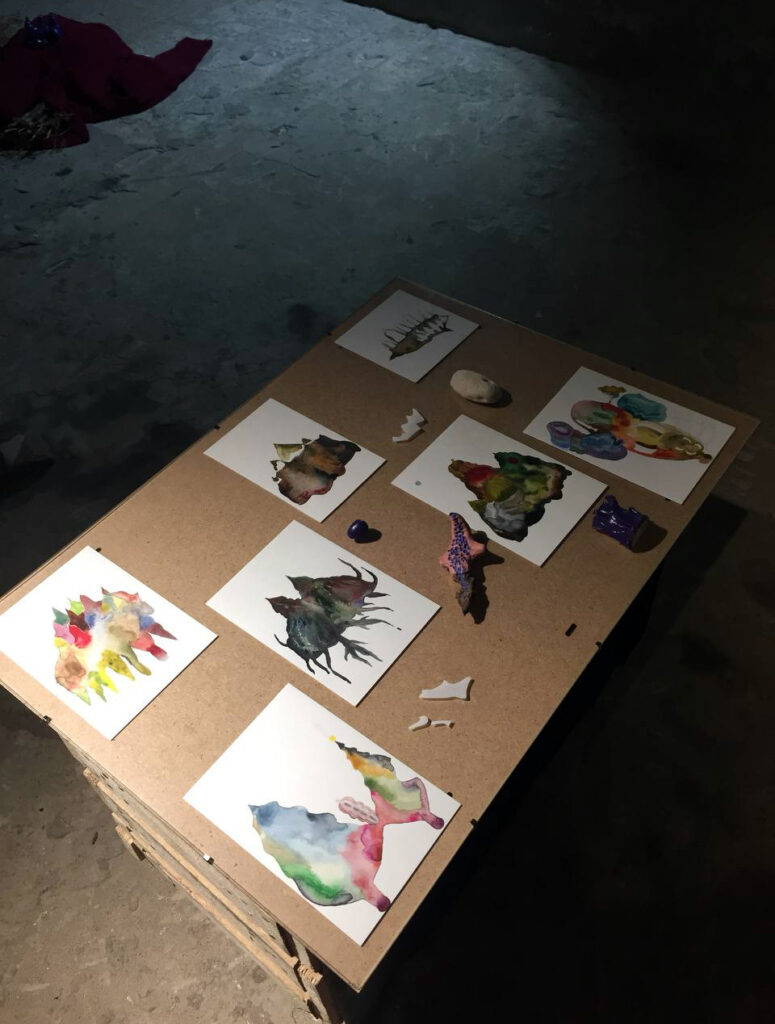
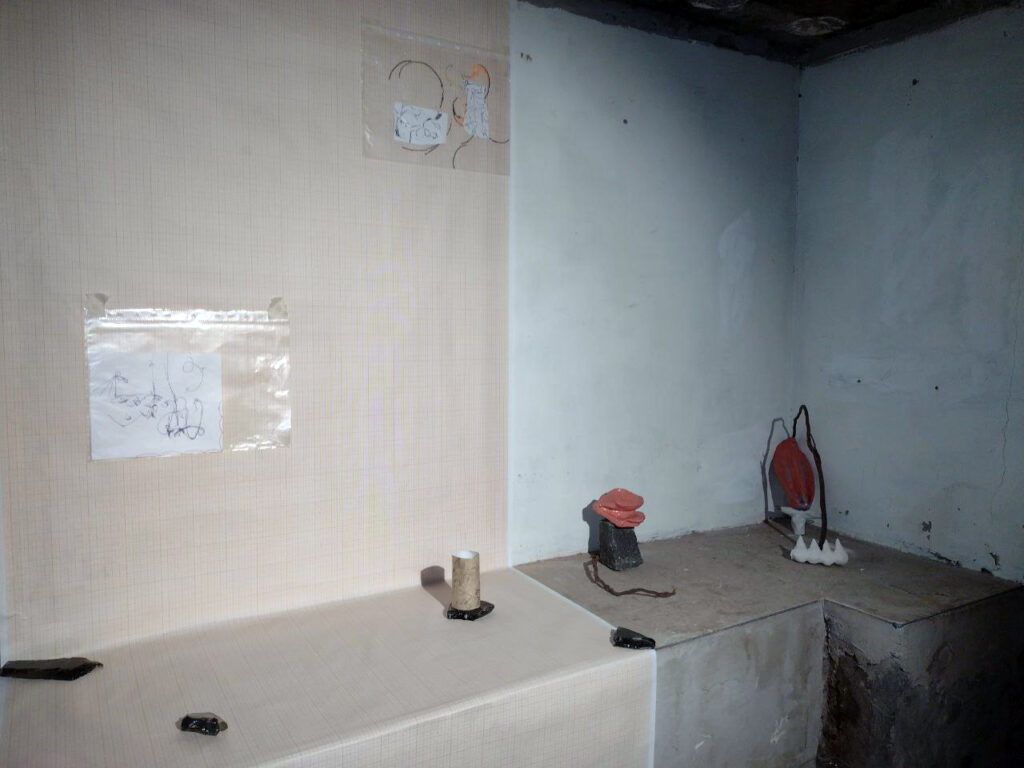
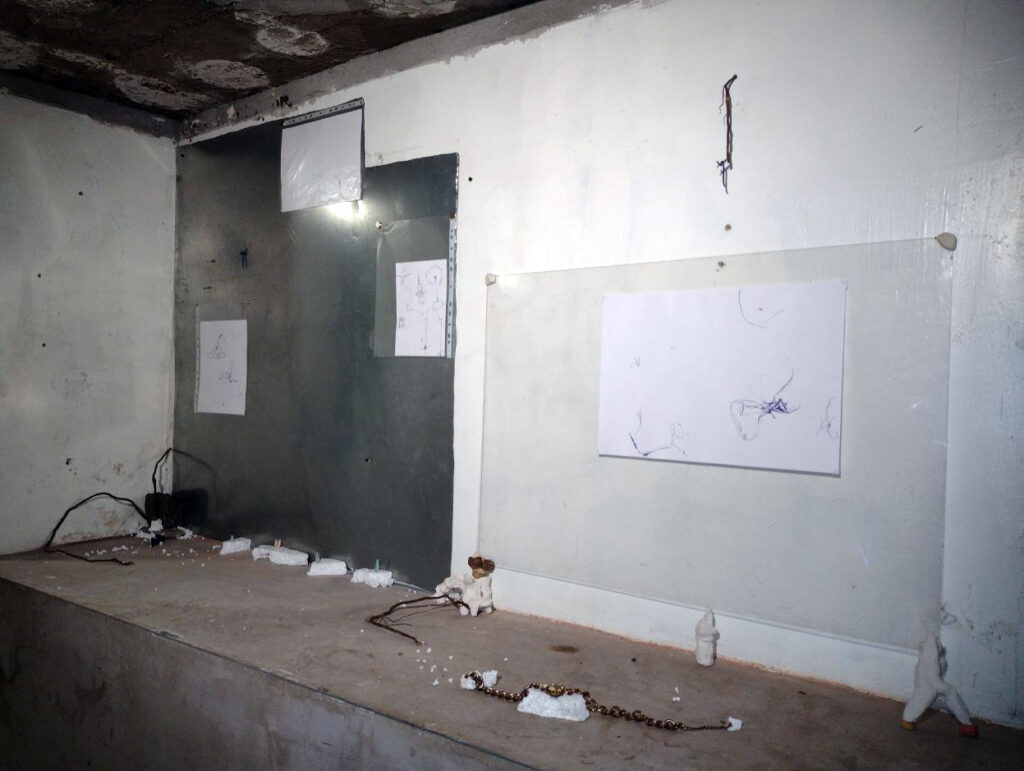
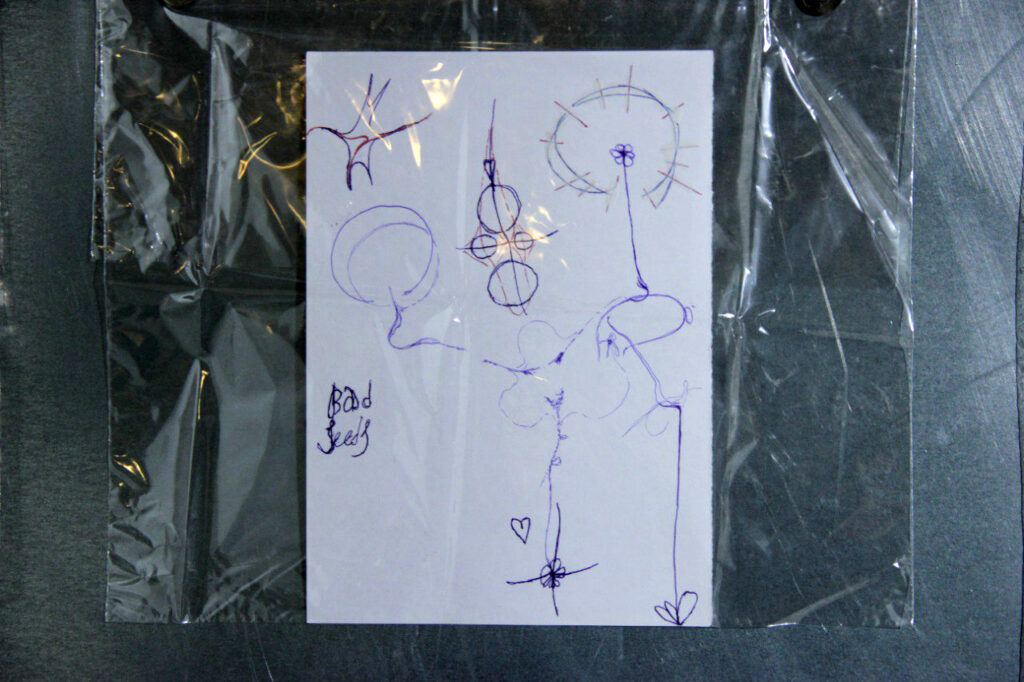
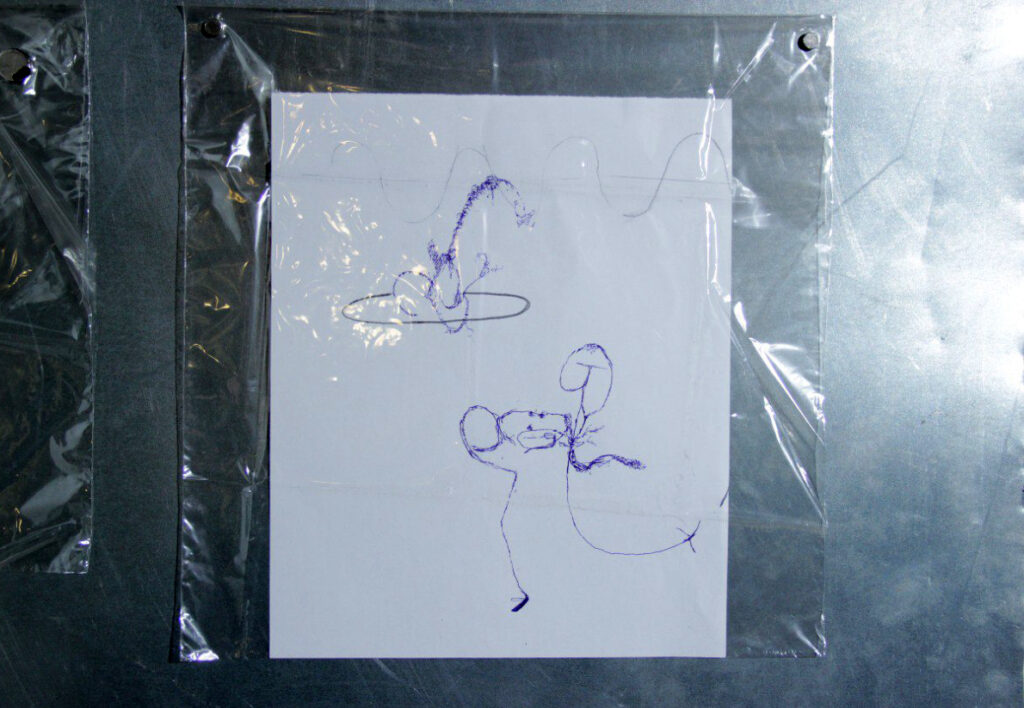
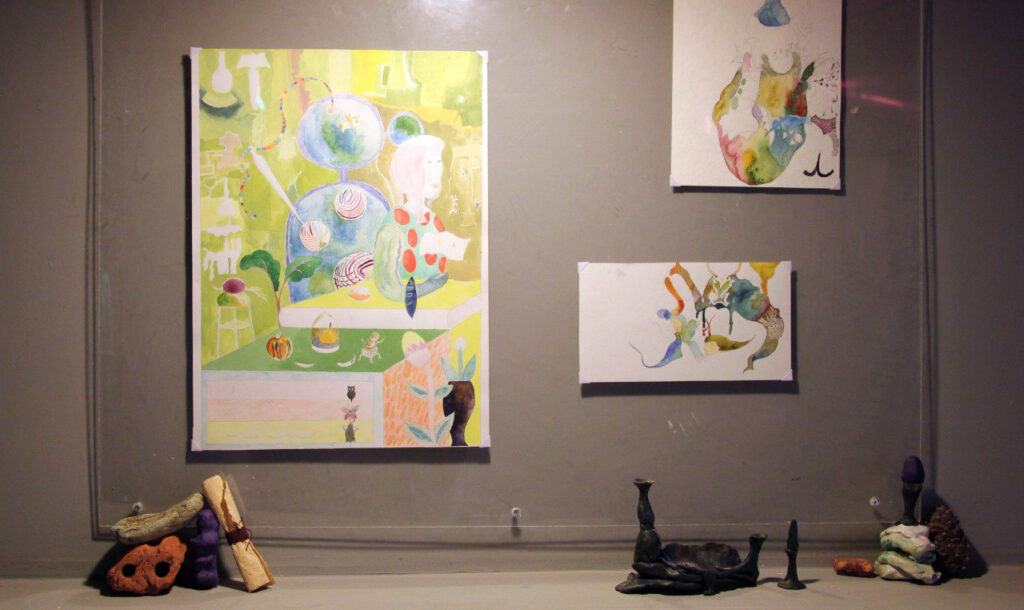
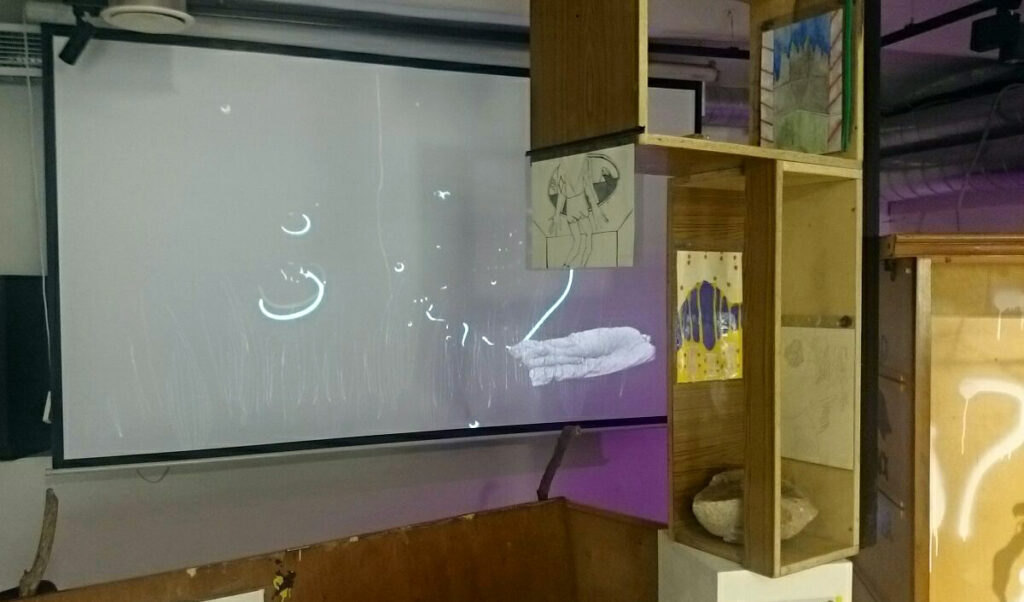
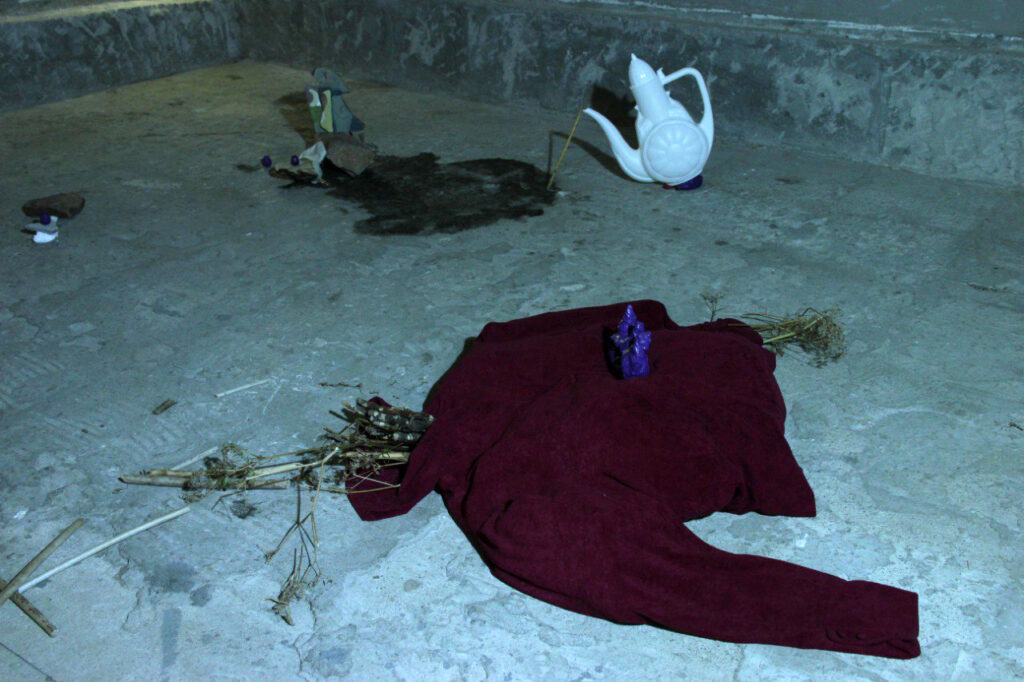
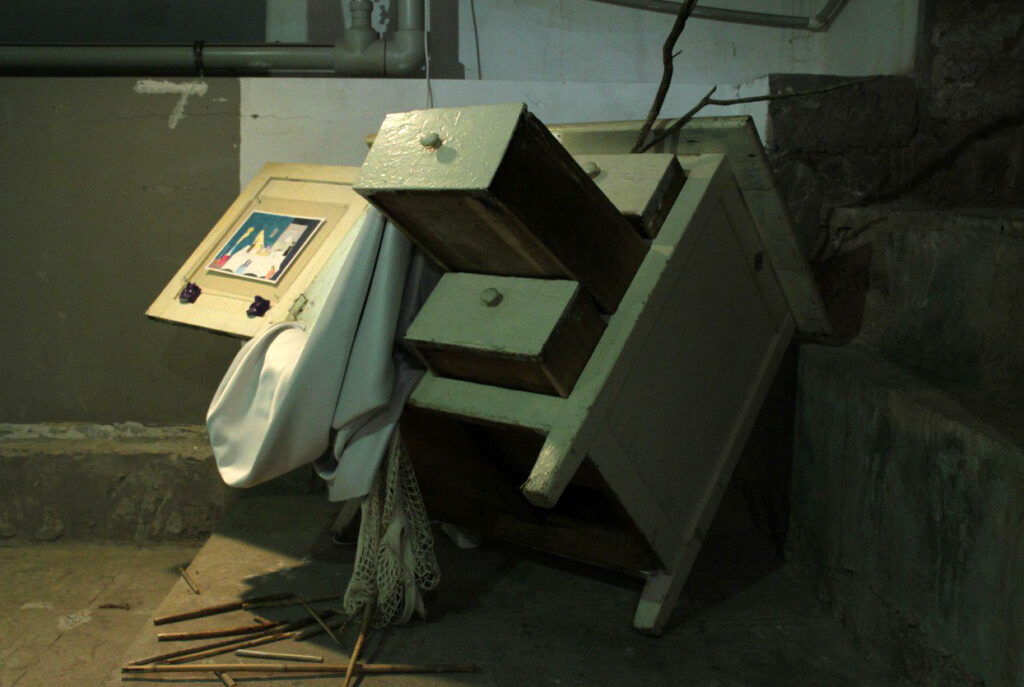
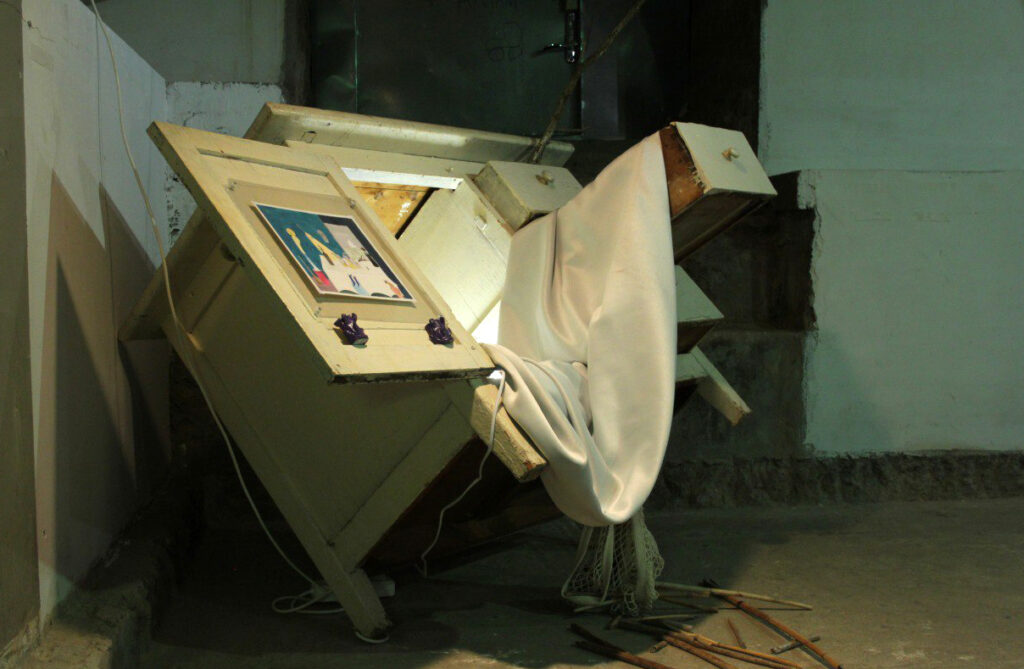
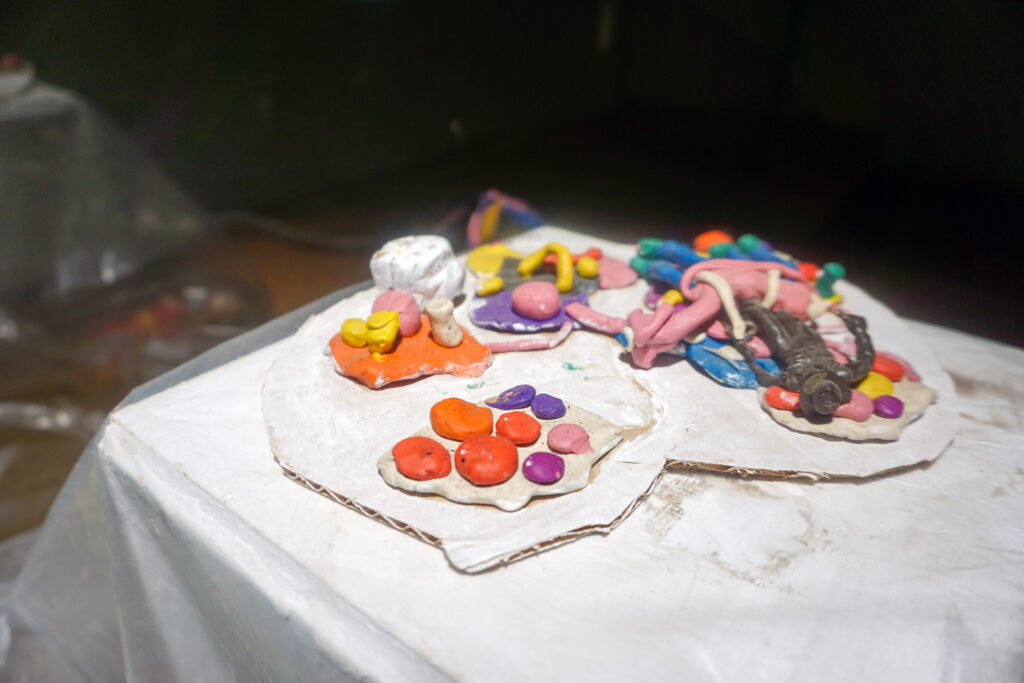
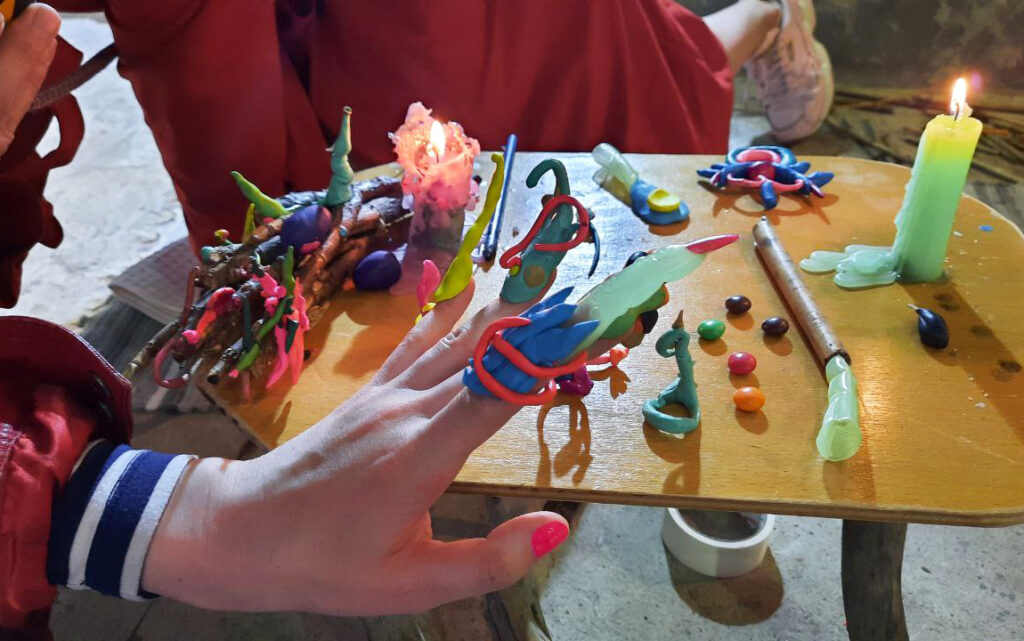
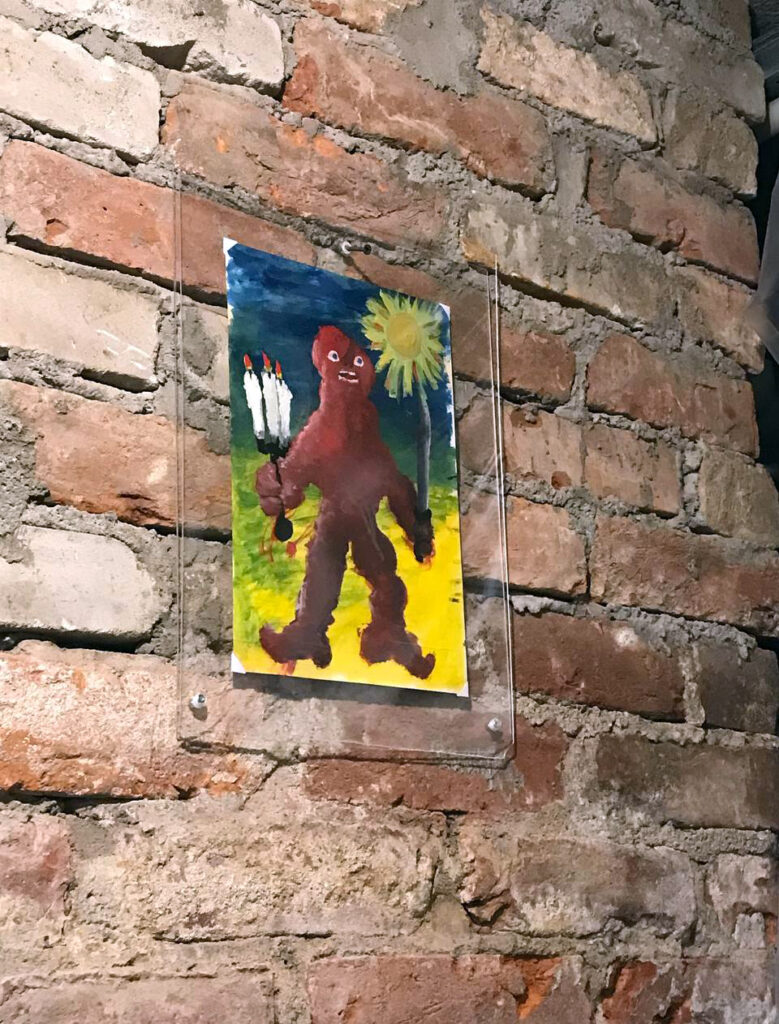
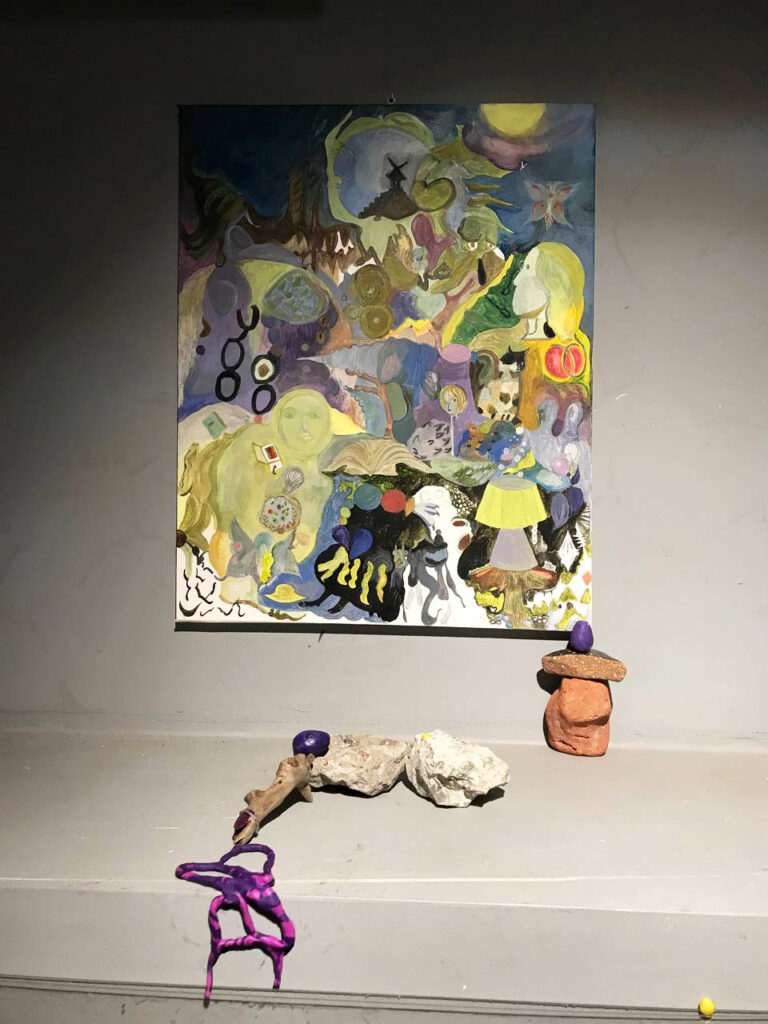
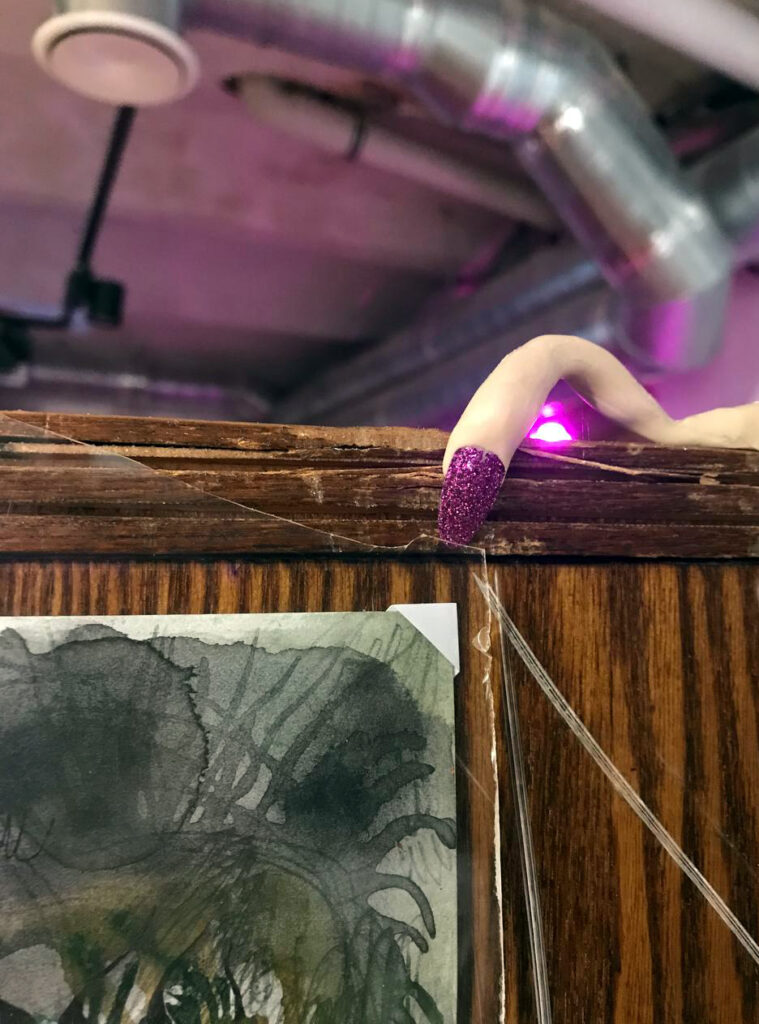
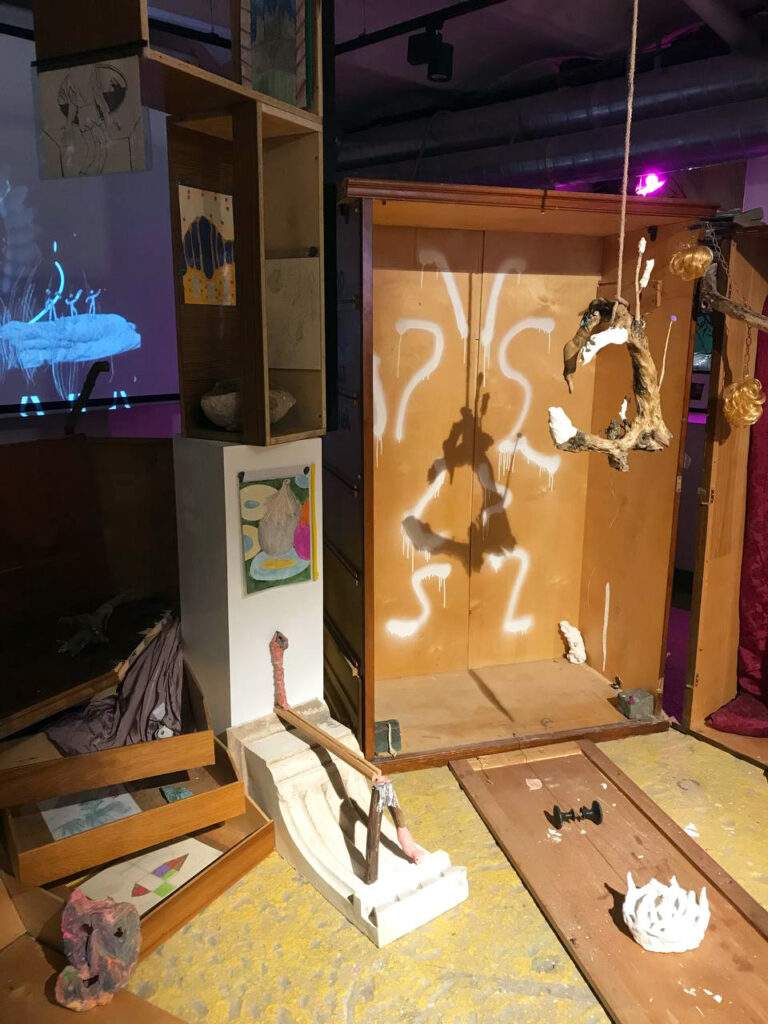
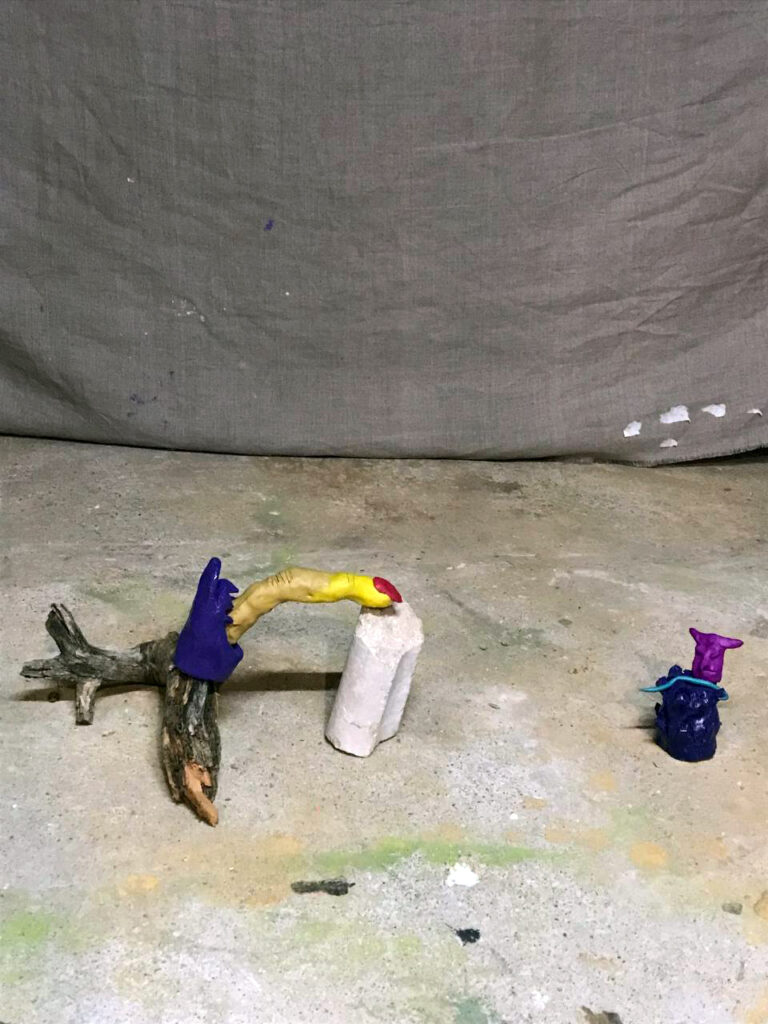
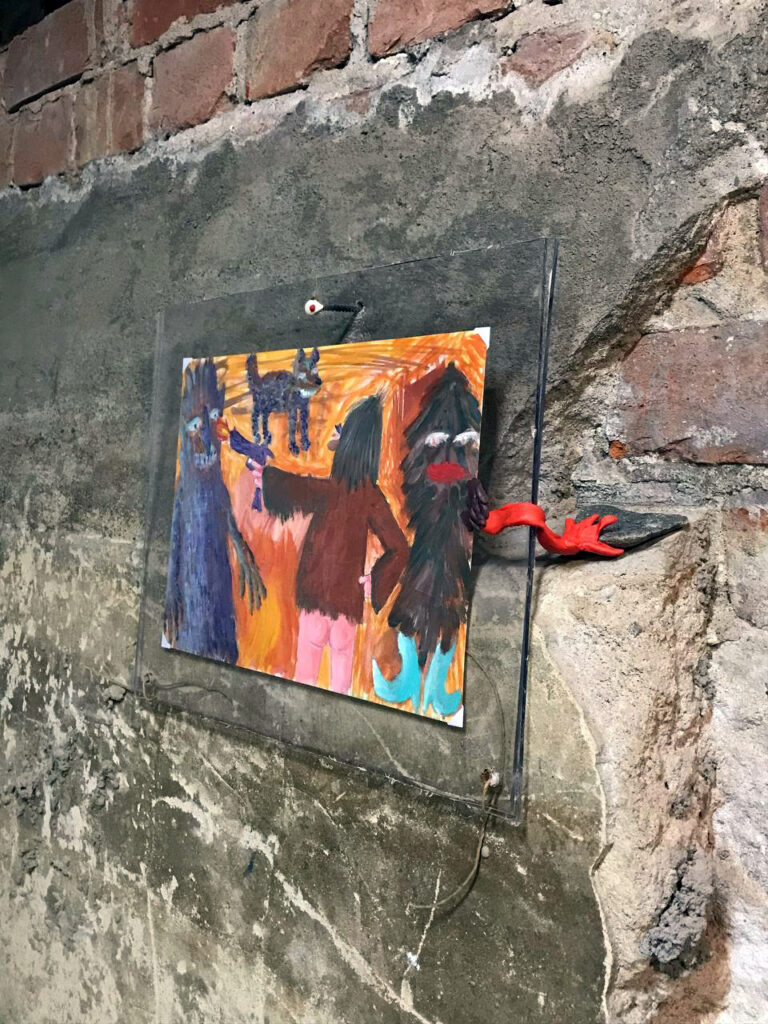
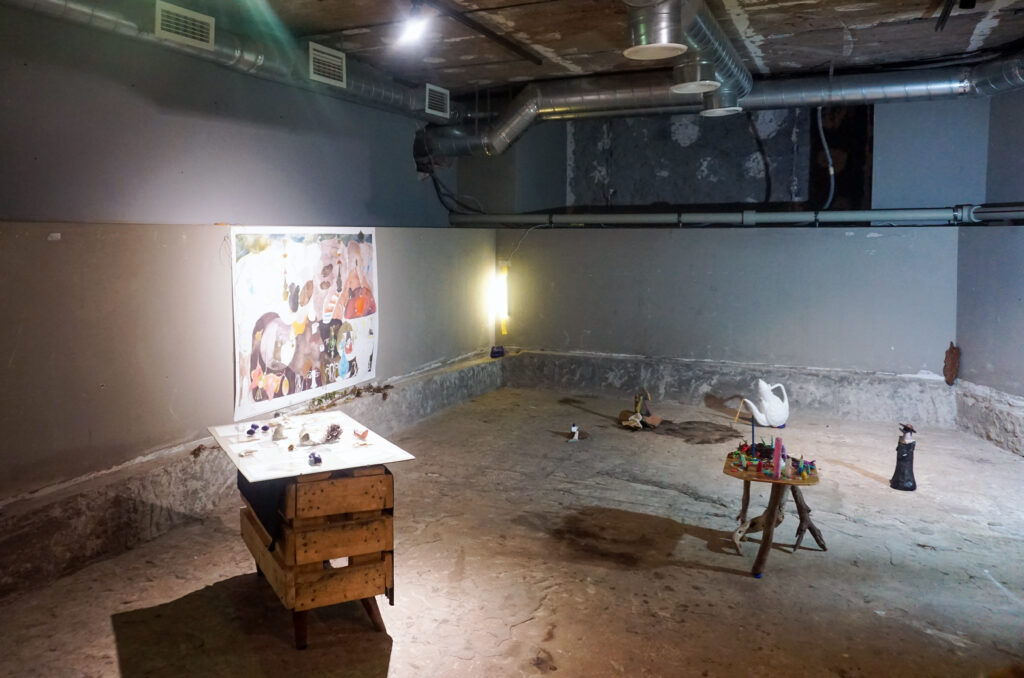
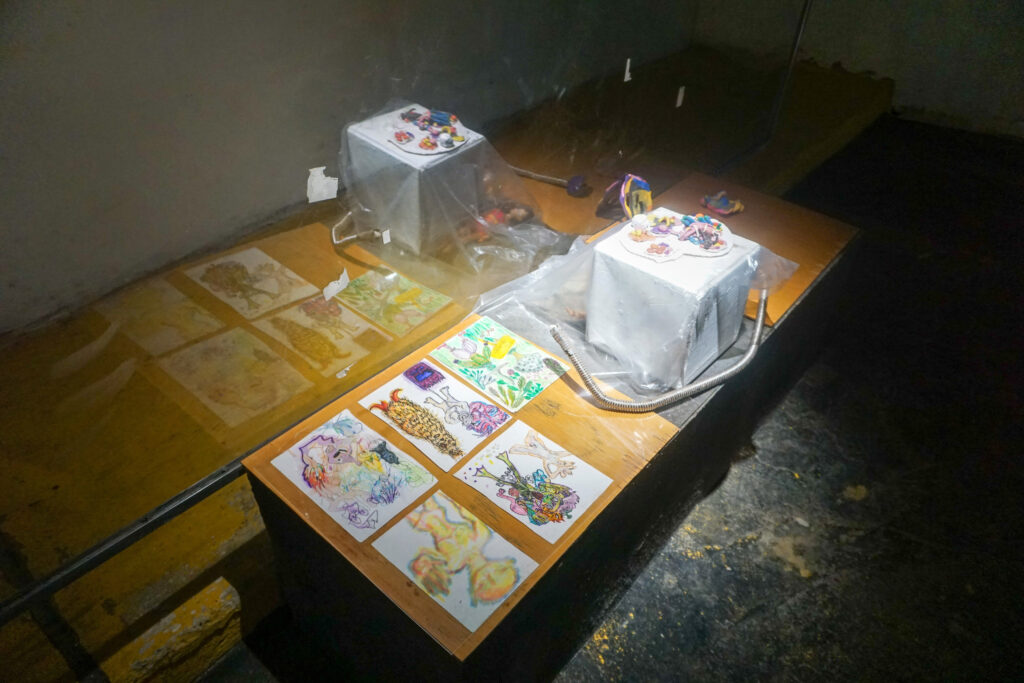
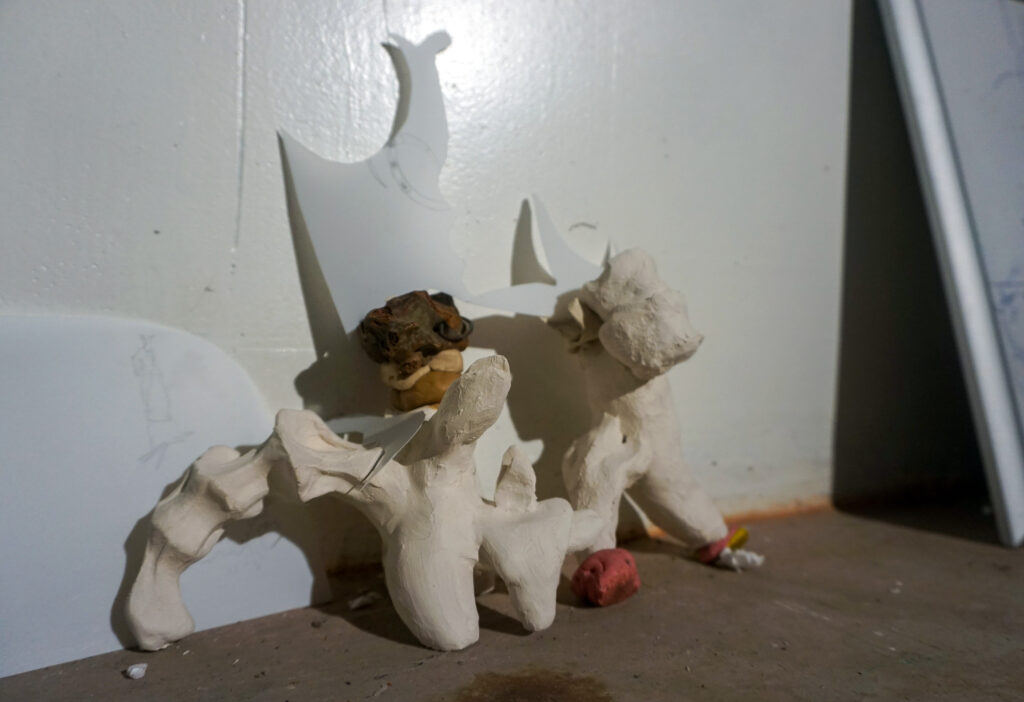
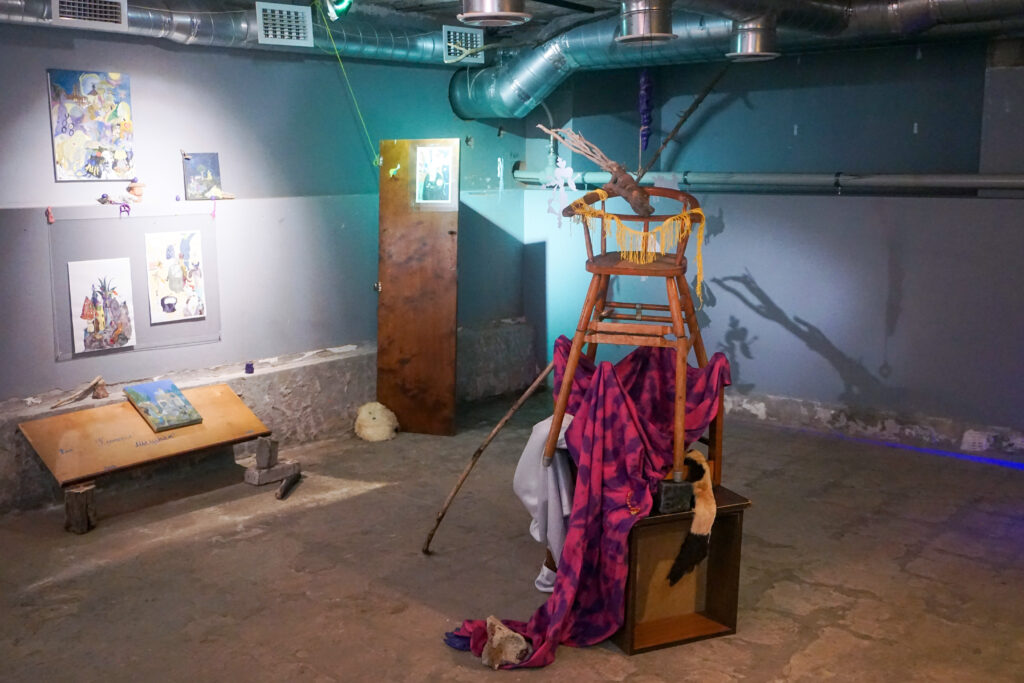
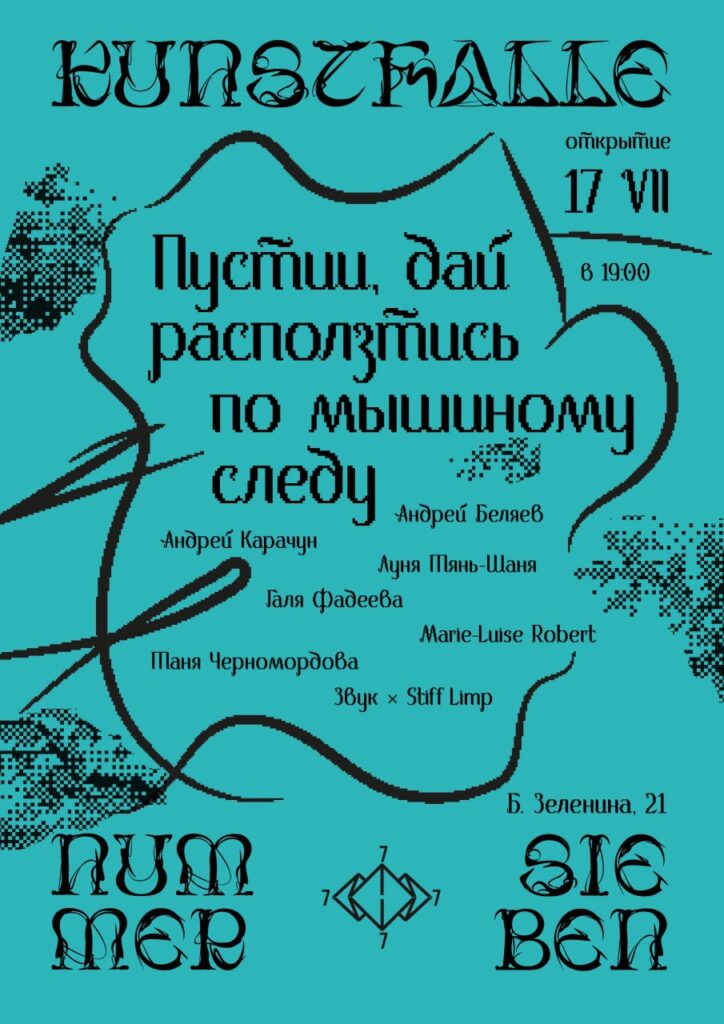
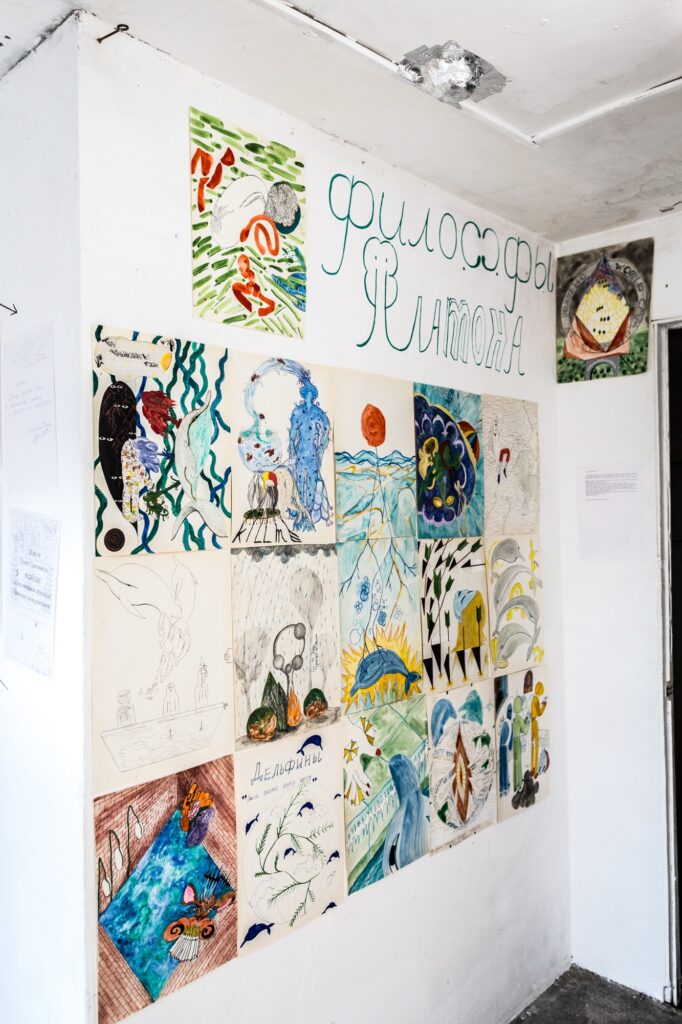
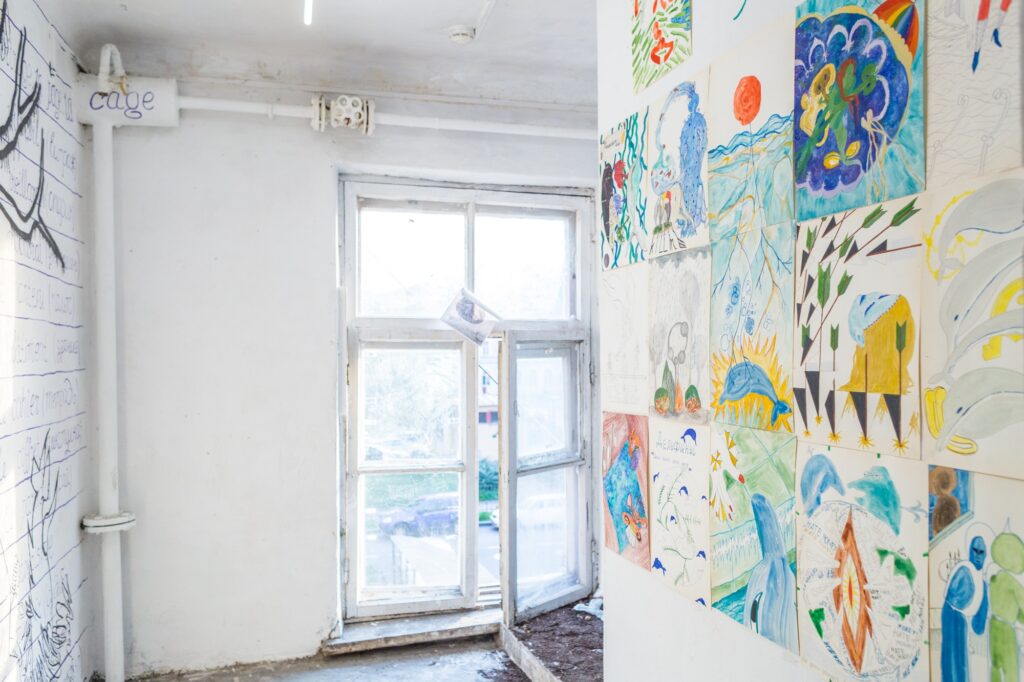
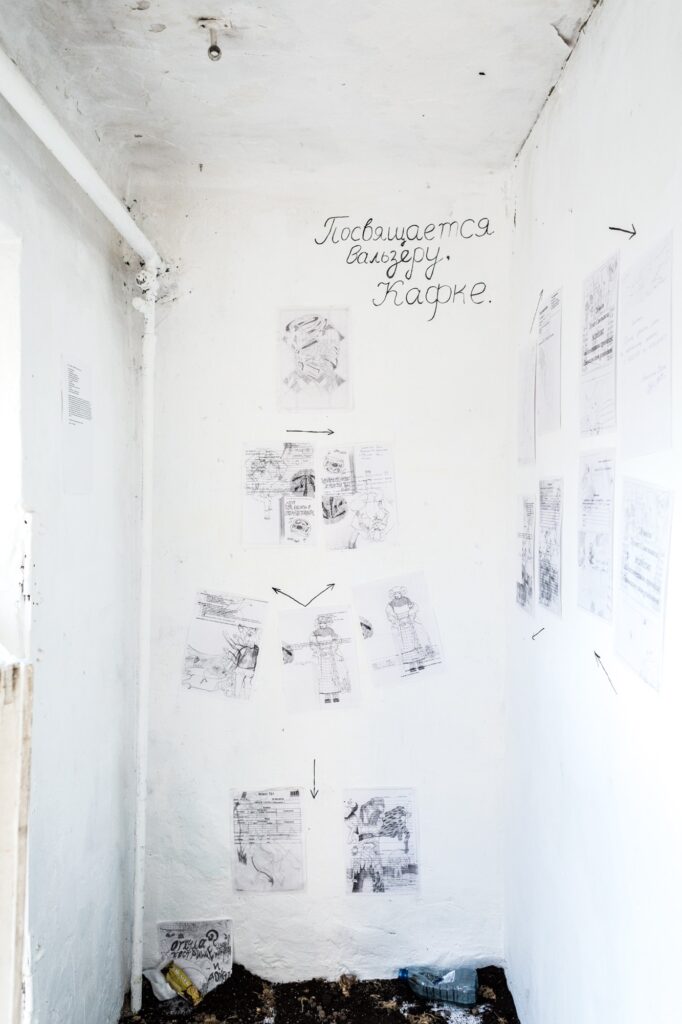
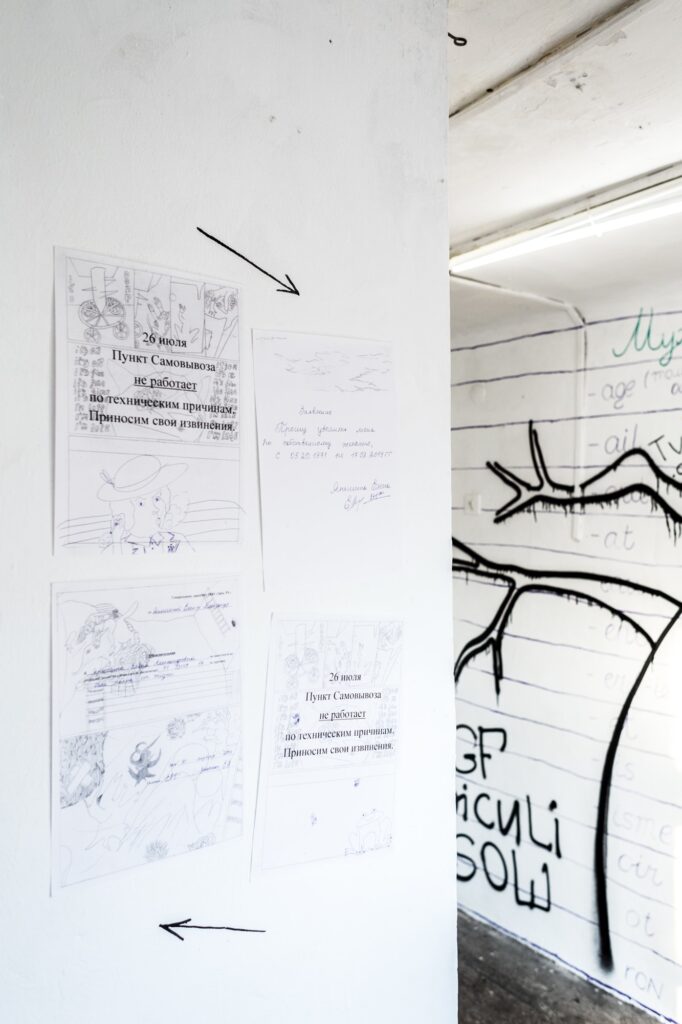
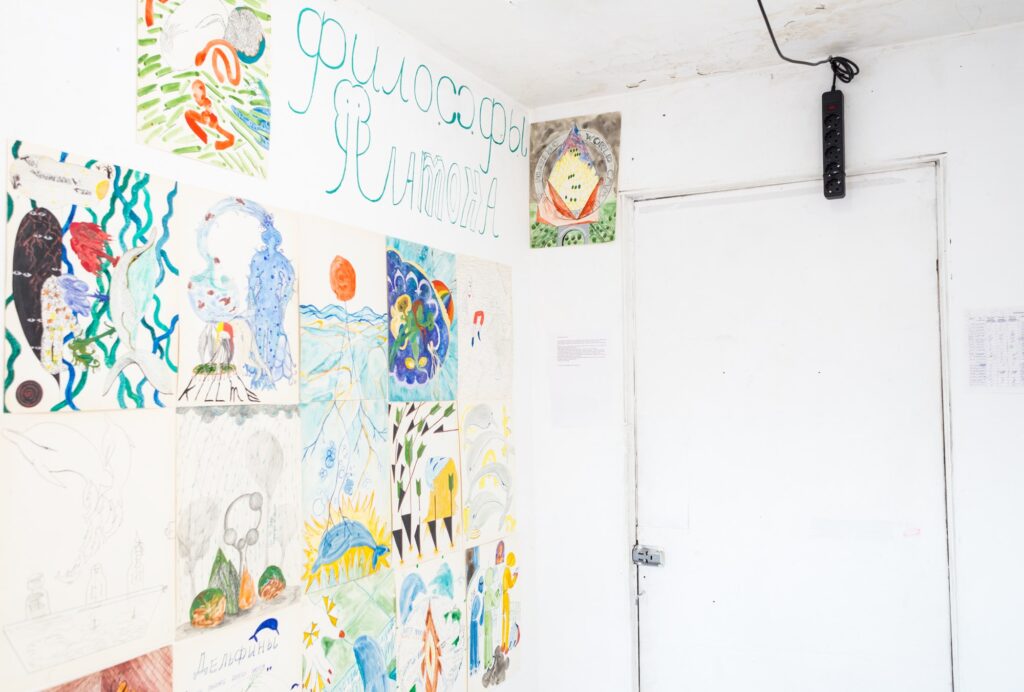
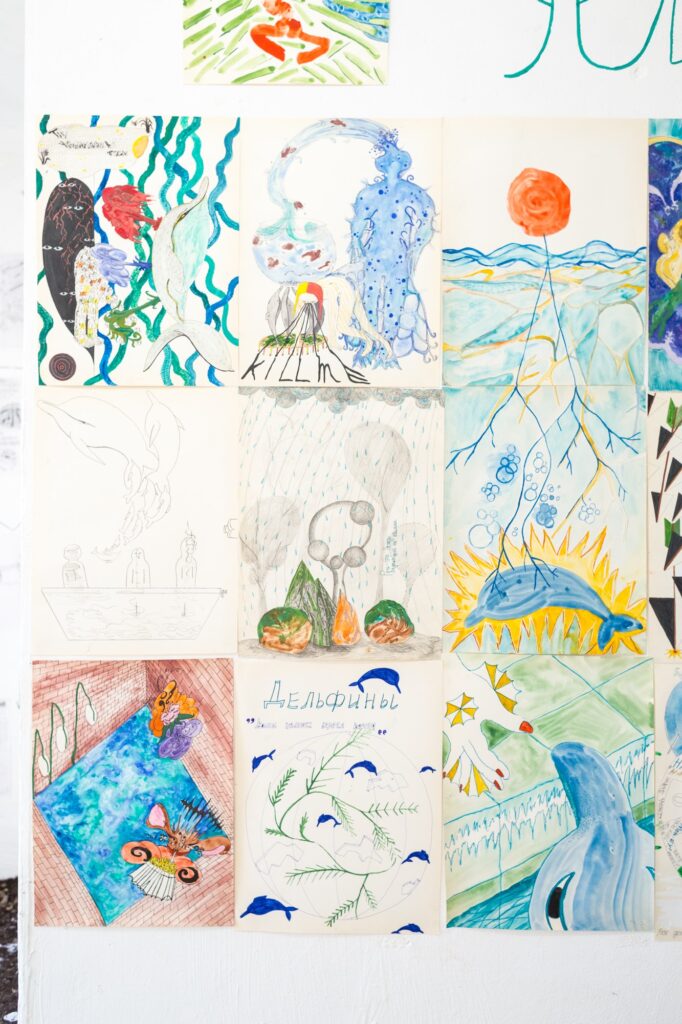
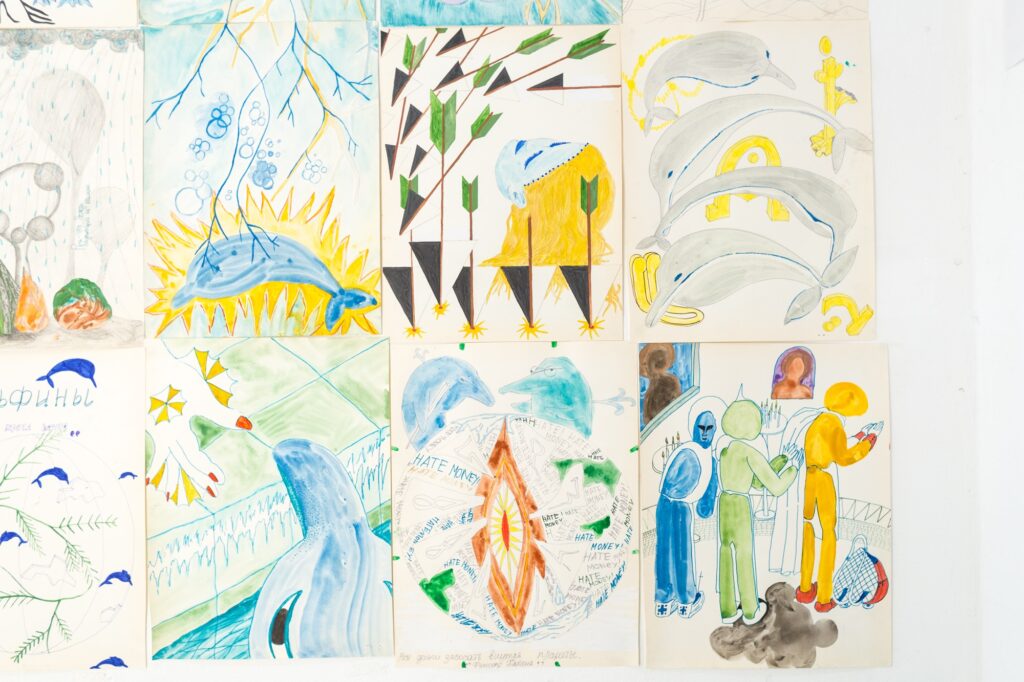
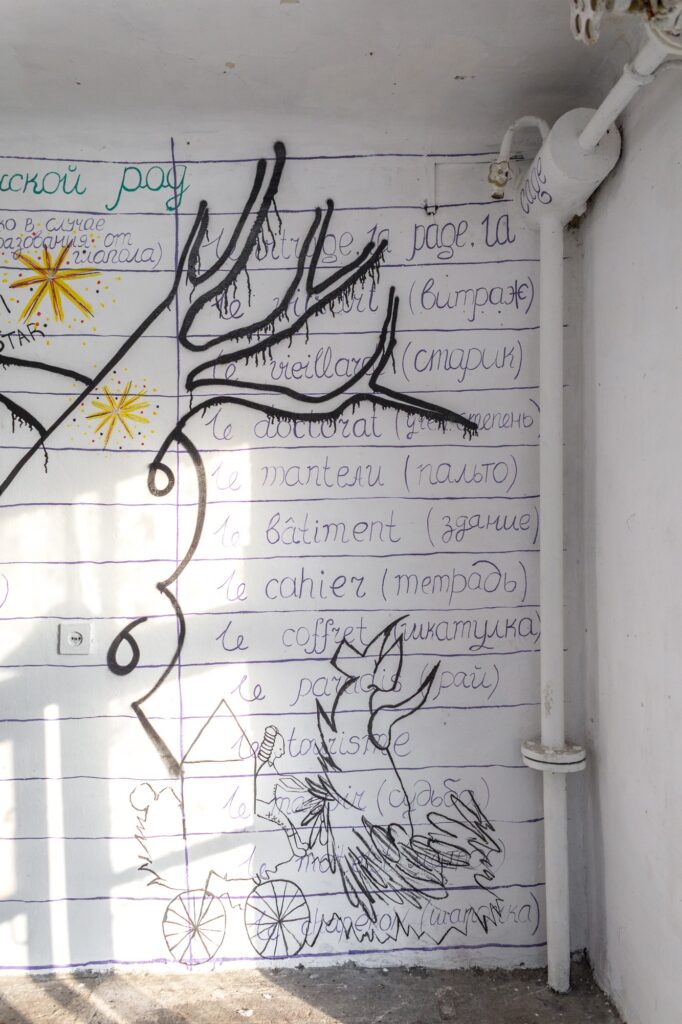
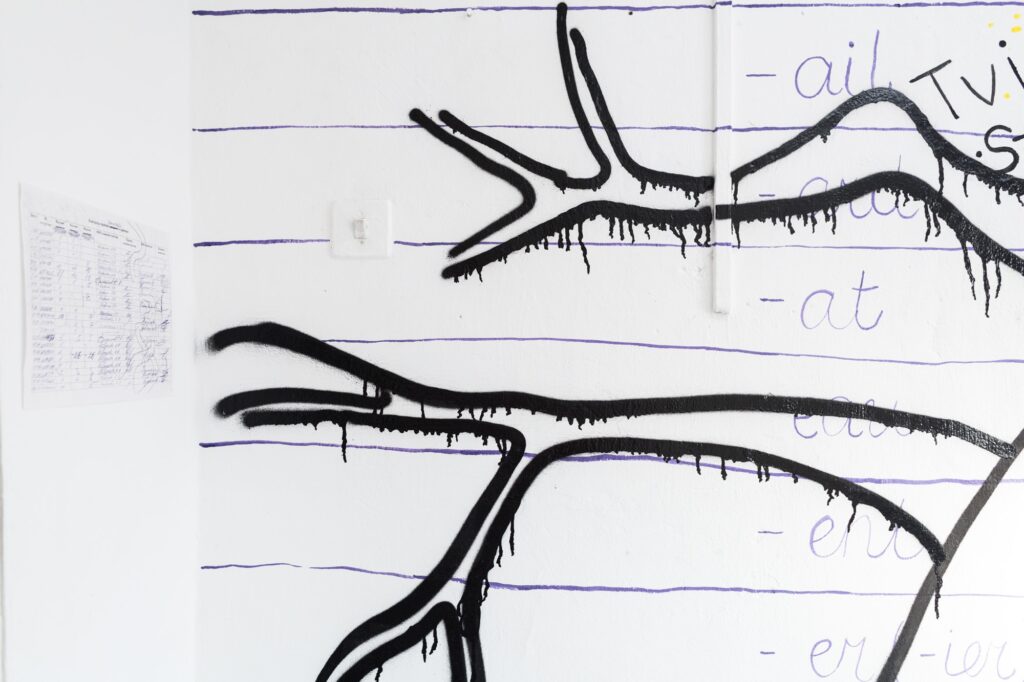
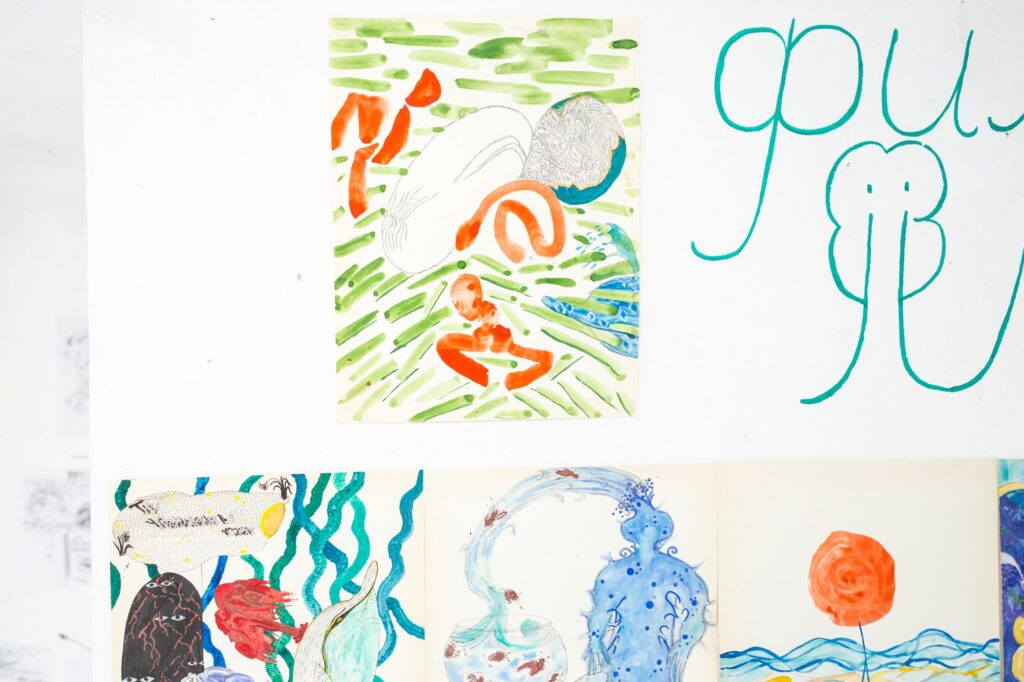
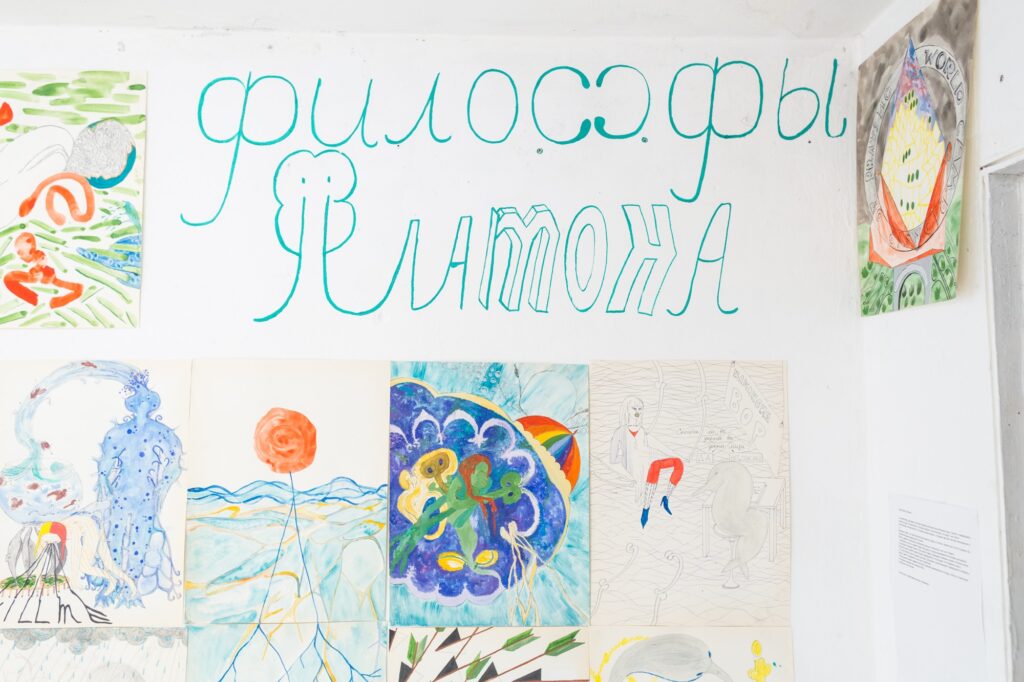
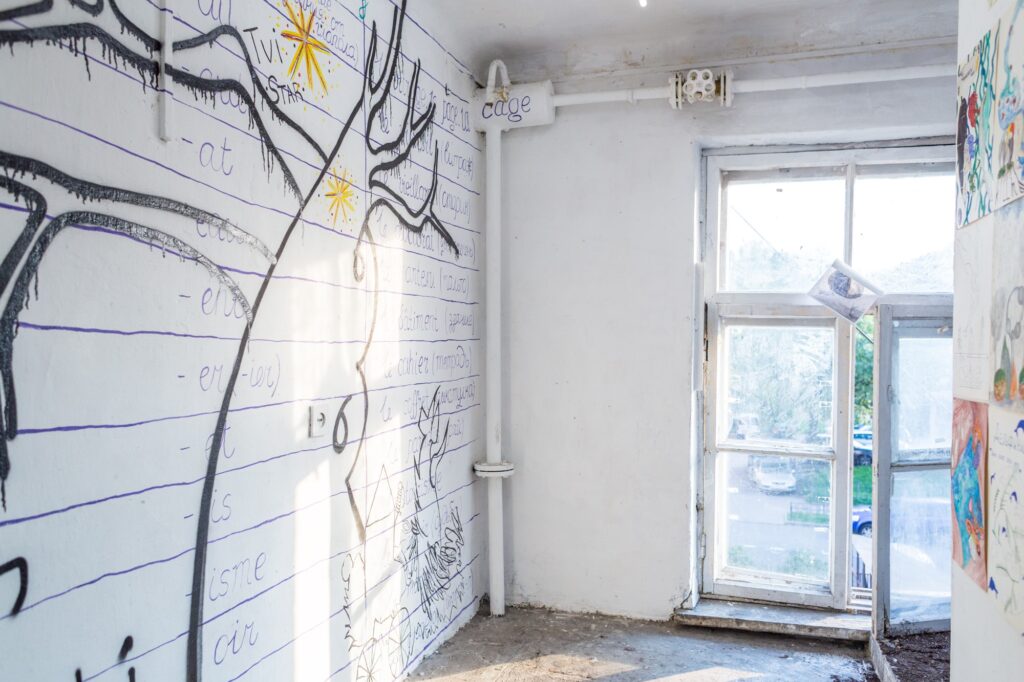
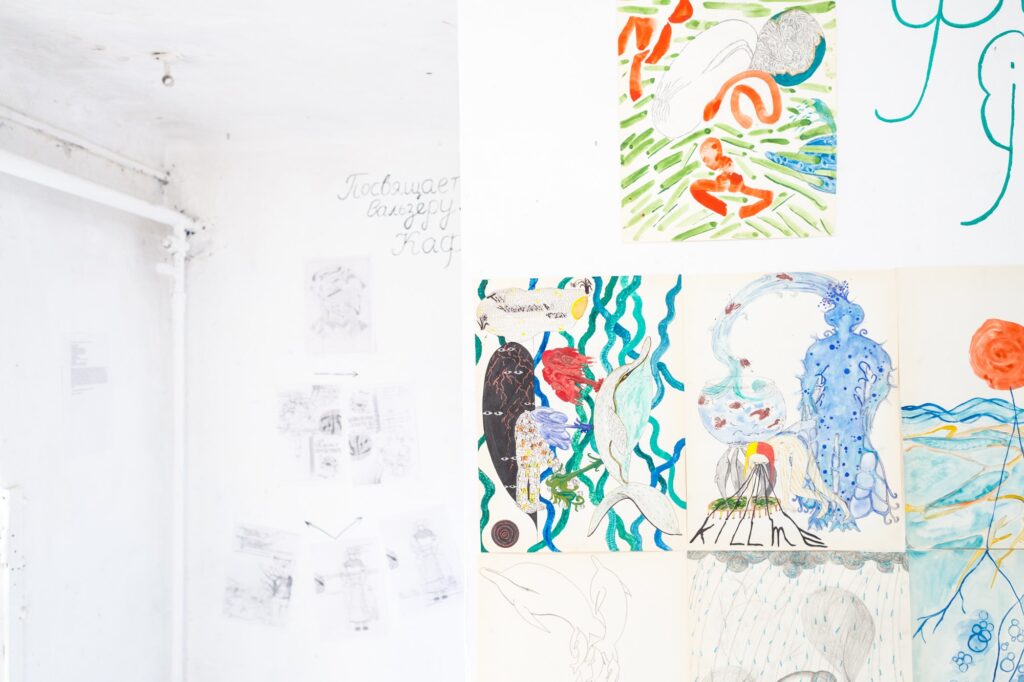
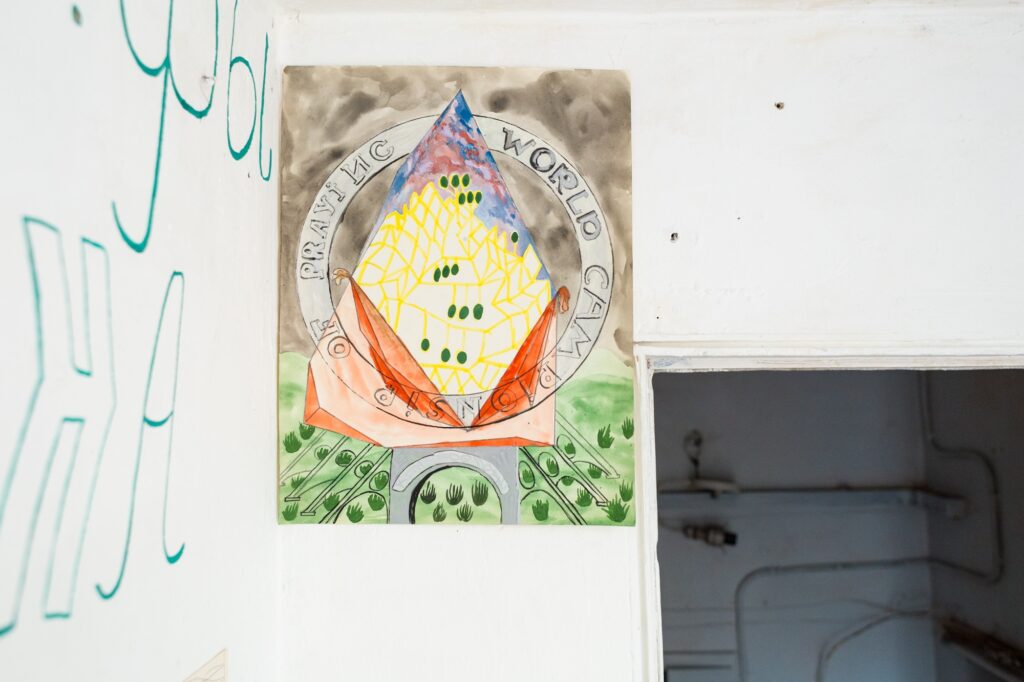
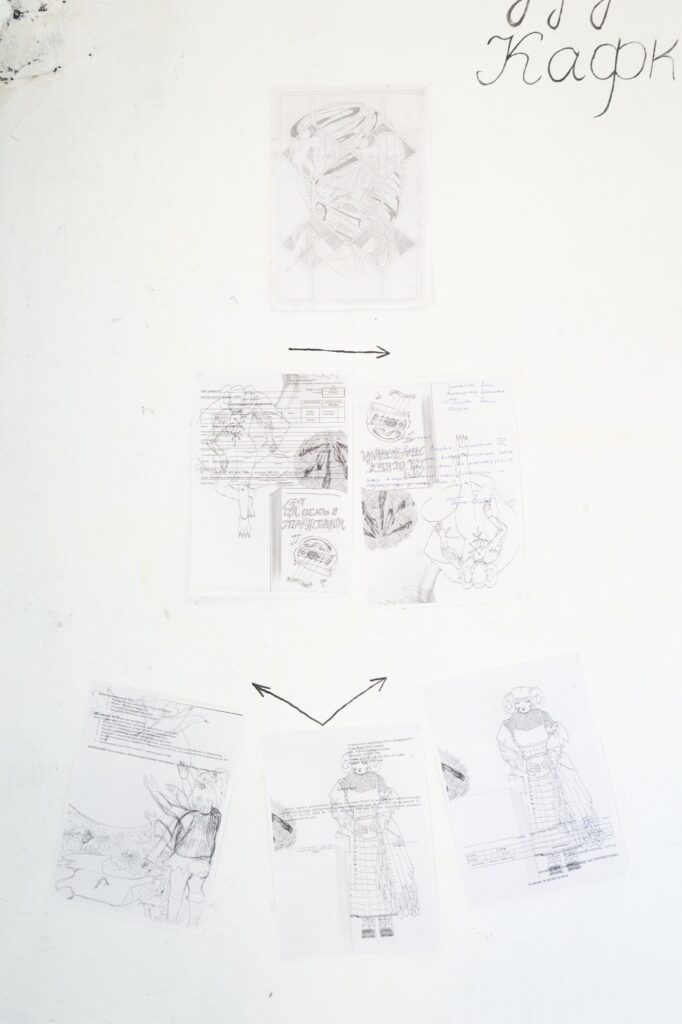
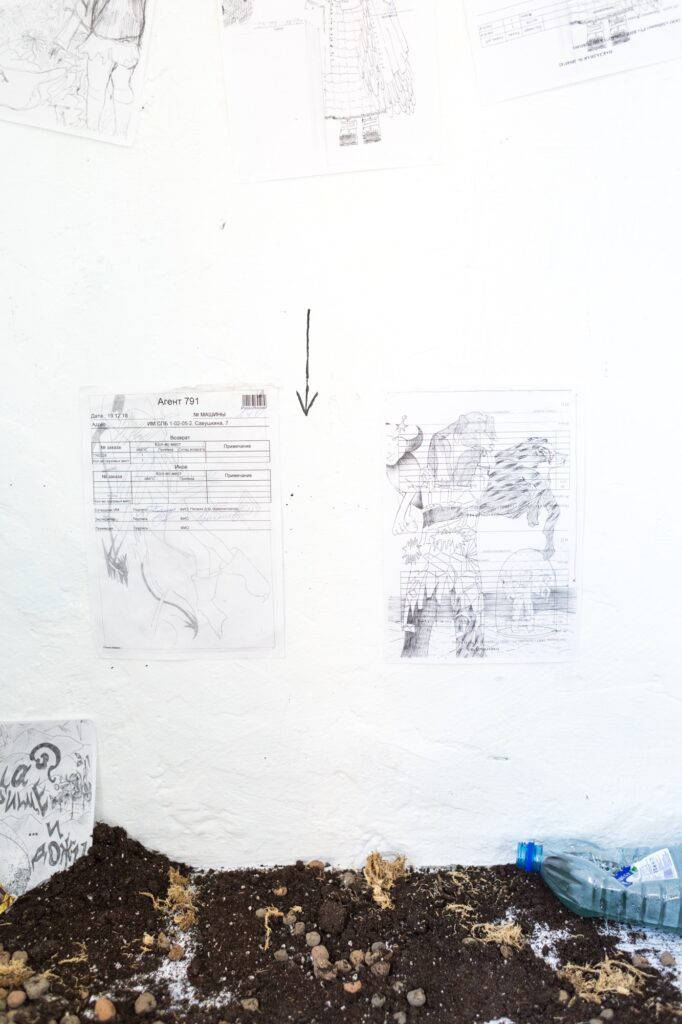
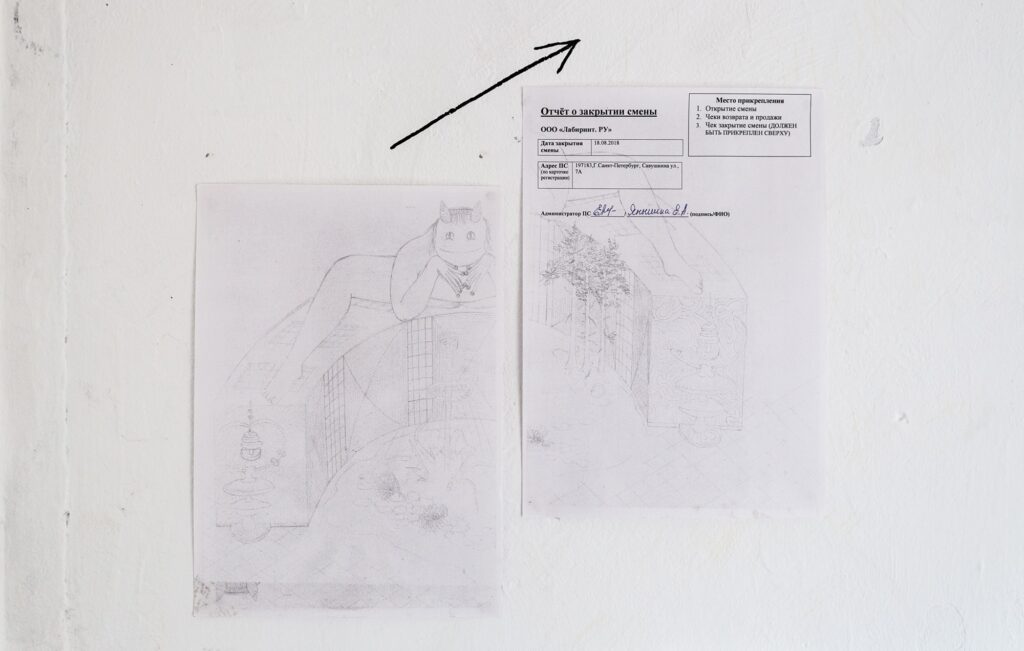
Exhibition viewExhibition viewExhibition viewElena Ianshina, “The dress has a long tail…/ У платья был длинный хвост…”, 2024, organza, canvas, ink, 40 х 50 cmElena Ianshina, “I’ll just lie down here because I’m very tired/ Я просто прилягу здесь, ведь я очень устала”, 2024, dyed fabric, embroidery, 85х 150 cmExhibition viewExhibition viewElena Ianshina, “untitled”, 2024, dyed fabric, embroidery, 100 х 170 cmGalya Fadeyeva, “я не люблю белок, я люблю желток» / i don’t like white, i love yolk”, 2022, canvas, oil, 40×50 cm. Galya Fadeyeva, “Умирающий лебедь / The dying swan”, 2024, ceramics, glazes, dimensions variableElena Ianshina, “untitled”, ready-made, books, toy dragonfly, 2024, 30 x 40 cmElena Ianshina, “A replaceable character inhabiting the Skirttail/ Cменный персонаж, населяющий Юбкохвост”, 2024, wall drawingElena Ianshina, “The Skirttail/ Юбкохвост”, 2024, fabrics, 60 x 140 cmExhibition viewElena Ianshina, a page from the comic “Tragedy in the Organic Corporation. Part 2 /страница из комикса “Трагедия в Органической корпорации. Часть 2”, 2024, mixed media paper A3, penElena Ianshina, a page from the comic “Tragedy in the Organic Corporation. Part 2 /страница из комикса “Трагедия в Органической корпорации. Часть 2”, 2024, mixed media paper A3, penGalya Fadeyeva “После чая / After tea”, 2024, ceramics, glazes, dimensions variableElena Ianshina, a page from the comic “Tragedy in the Organic Corporation. Part 2 /страница из комикса “Трагедия в Органической корпорации. Часть 2”, 2024, printed plastic canvas A3Exhibition view
Тексты к выставке:
Текст из работы “У платья был длинный хвост…”
30 мая 2024
За свою жизнь мне пришлось покинуть так много дискурсов, и стараться изобрести свой.
Но от дискурса зависит то, где ты приживешься. Выживает тот, кто fit, цитирует боря клюшников Дарвина, я нигде не могу прижиться.
3 мая 2024
У платья длинный хвост, который вместе с текстом заворачивается в странные спирали. Текст еще можно различить, есть указатели букв, но воронка затягивает.
2 мая 2024
Мне просто нужно одеваться как сказочный бесполый персонаж с уклоном в клоуна
Апрель 2023
Рукоделия, домашняя женщина, маленькие вещи мелкая моторика, найти свое предназначение.
Identity Unknown. Rediscovering Steven American Women Artists.
Donna Deaman.
В конце 1930-х годов Луиза Невельсон и ее сын Майк бродили по улицам своего нижнего района Манхэттена, собирая дрова, чтобы сжечь их в камине, чтобы согреться. Но хотя Неверсон изо всех сил старалась сохранить свое тело и душу вместе, она продолжала проявлять изобретательность в своем решении заниматься искусством. «У меня валялась вся эта древесина, и я начала ее перемещать, я начала сочинять. Где бы я ни находила древесину, я брала ее домой и начинала с ней работать. Это могло быть на улице или с мебельных фабрик. Друзья могли приносить мне древесину.
У меня такое ощущение, что люди, которых называют «мусорщиками», на самом деле являются воскресителями. Вы берете выброшенный, испорченный, никому не нужный предмет и изменяет его так, чтобы он попадал в красивые места: музеи, библиотеки, университеты, большие частные дома… Когда вы поступаете таким образом, вы действительно можете вернуть их к жизни. Вы знаете, что вы заботились о них и улучшали их, что вы постукивали по ним и ковали их, и вы знаете, что вы дали им высшую жизнь, духовную жизнь, превосходящую ту жизнь, для которой они были созданы. Этот одинокий и скромный предмет больше не используется по назначению – как полезный предмет. Он становится произведением искусства. Он выходит за пределы трех измерений и попадает в запредельное. Он участвует в великом творческом акте после того, как практически превратился в пепел.
Её сочувствие к старому, промасляному, сломанному дереву, её ощущение того, что она не только возвращает куски дерева к жизни, но и возвышвет их, одновременно ребяческое, высокопарное и мистическое. Отождествляет ли Невельсон себя с использованной и подвергшейся неправильному обращению древесиной? Ее тоже оклеветали, с ней плохо обращались, отвергали, оттолкивали, обижали. Сама она едва не упала в сточную канаву, но смогла восстать из пепла своих серьезных депрессий и неудач, возродившаяся и блистательная, как феникс в парче и мехах.
Народные русские сказки. Василиса Прекрасная.
А. Н. Афонасьев
Старуха понесла к царю сорочки, а Василиса умылась, причесалась, оделась и села под окном. Сидит себе и ждёт, что будет. Видит: на двор к старухе идёт царский слуга; вошёл в горницу и говорит:
— Царь-государь хочет видеть искусницу, что работала ему сорочки, и наградить её из своих царских рук.
Пошла Василиса и явилась пред очи царские. Как увидел царь Василису Прекрасную, так и влюбился в неё без памяти.
— Нет, — говорит он, — красавица моя! Не расстанусь я с тобою; ты будешь моей женою.
La structure aléatoire comme la base d’ une narration.
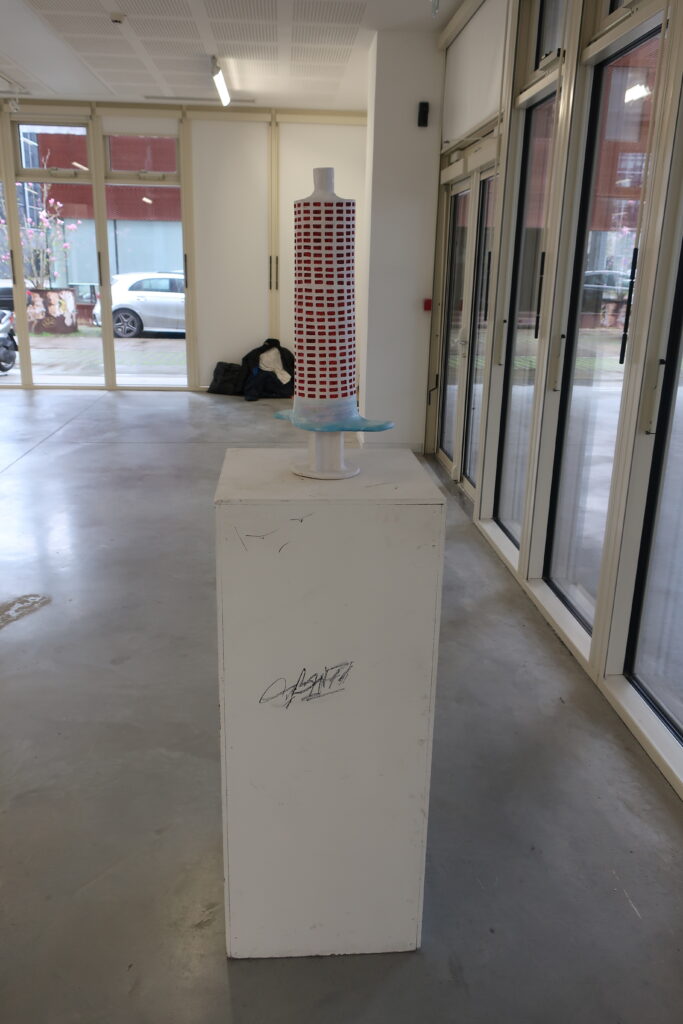
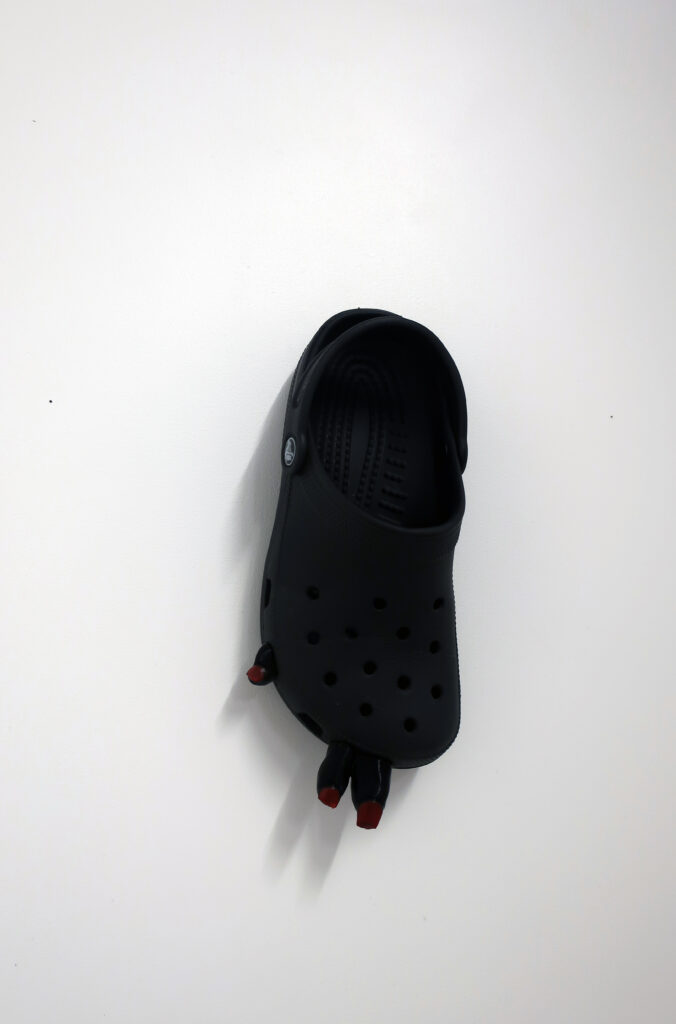
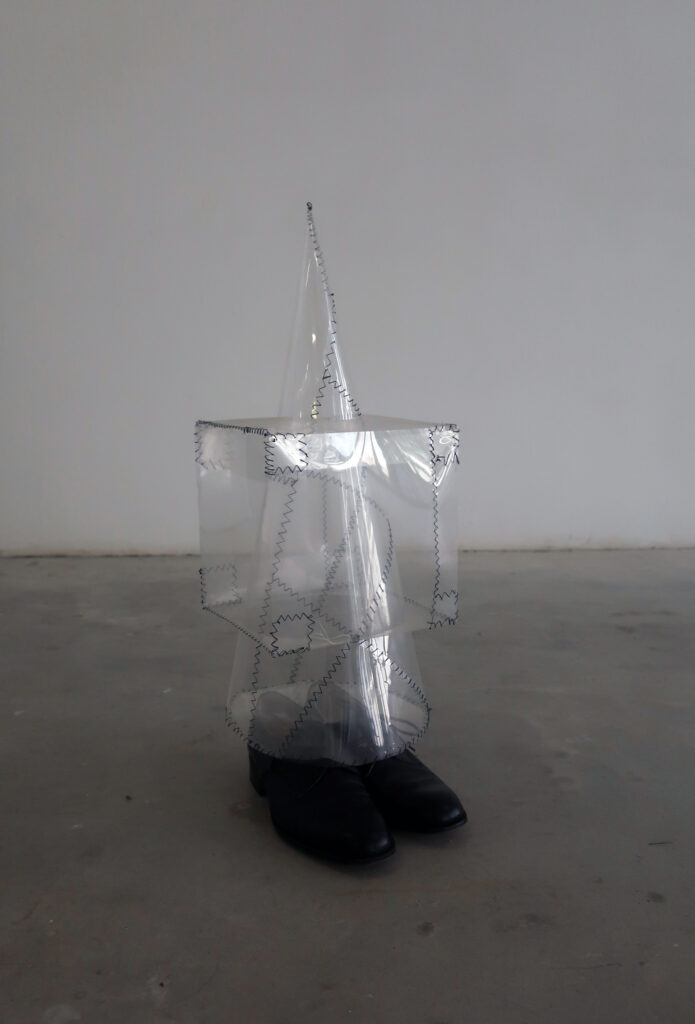
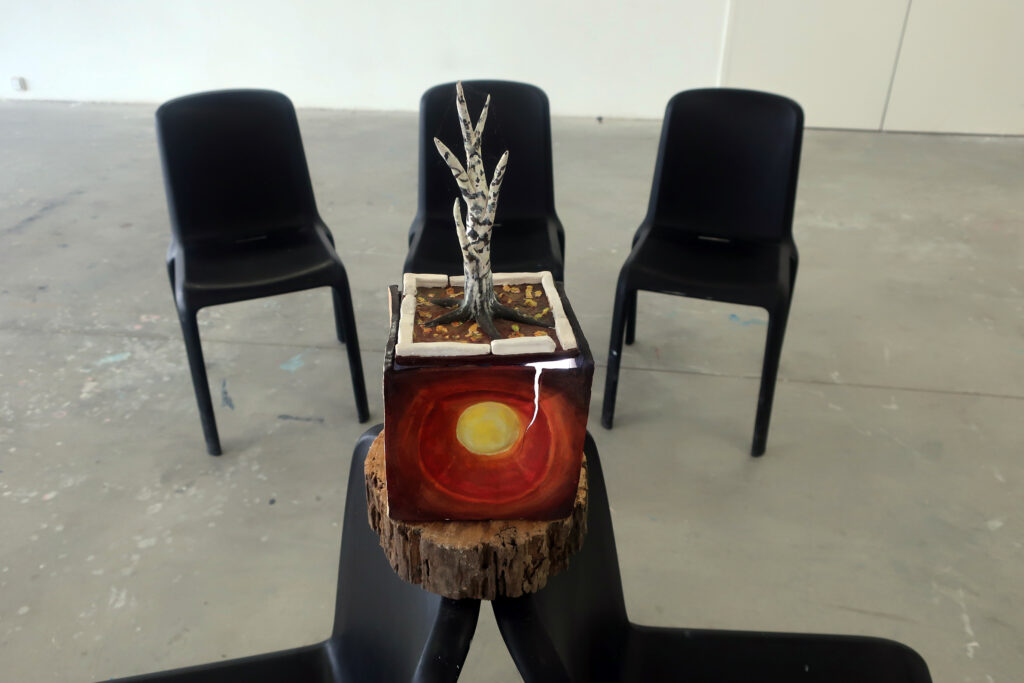
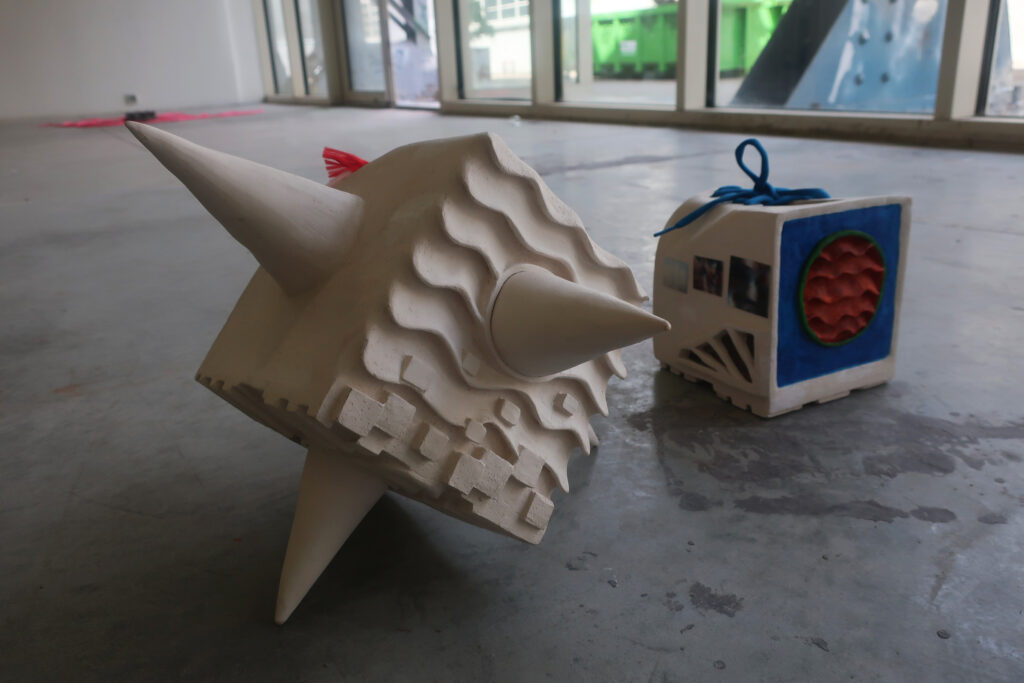
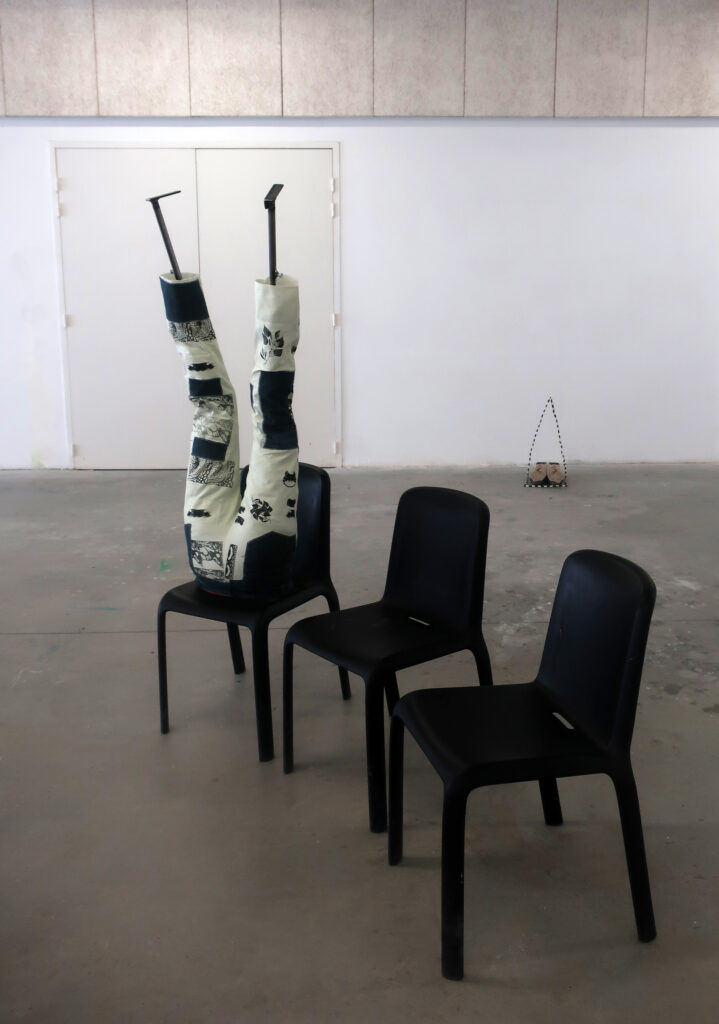
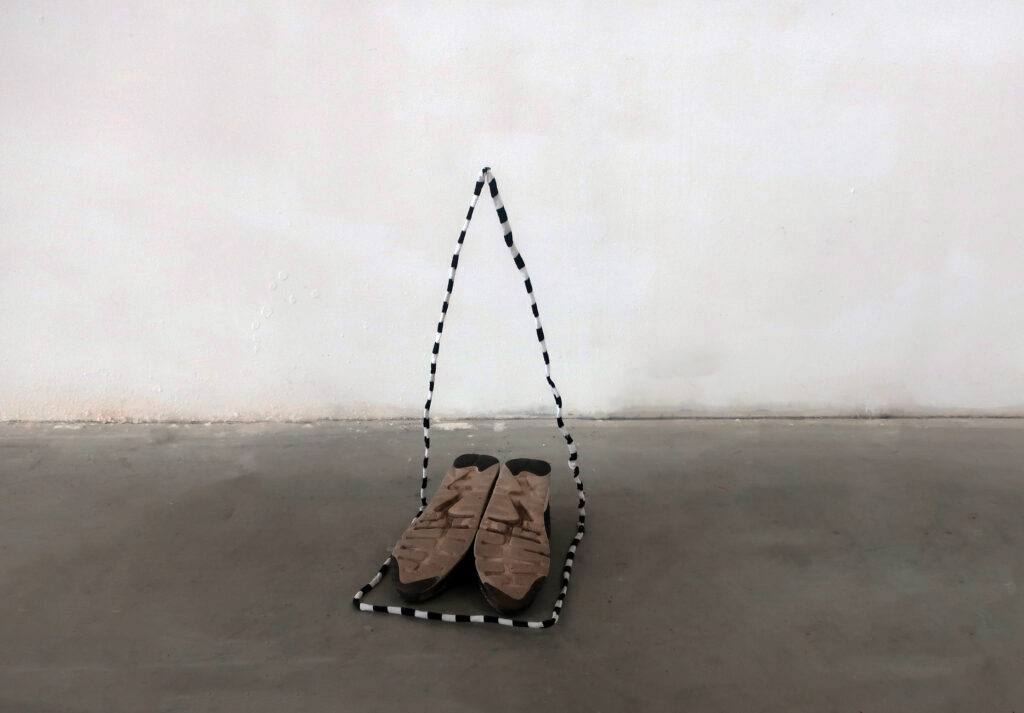
En parlant de l’origine de mes cubes, je dis que tout a commencé lors de la situation “Construire”. À cette époque, l’idée de s’appuyer sur un protocole déraisonnable: la sculpture devait contenir un carré, un triangle et des chaussures, me semblait à la fois ridicule et libératrice.
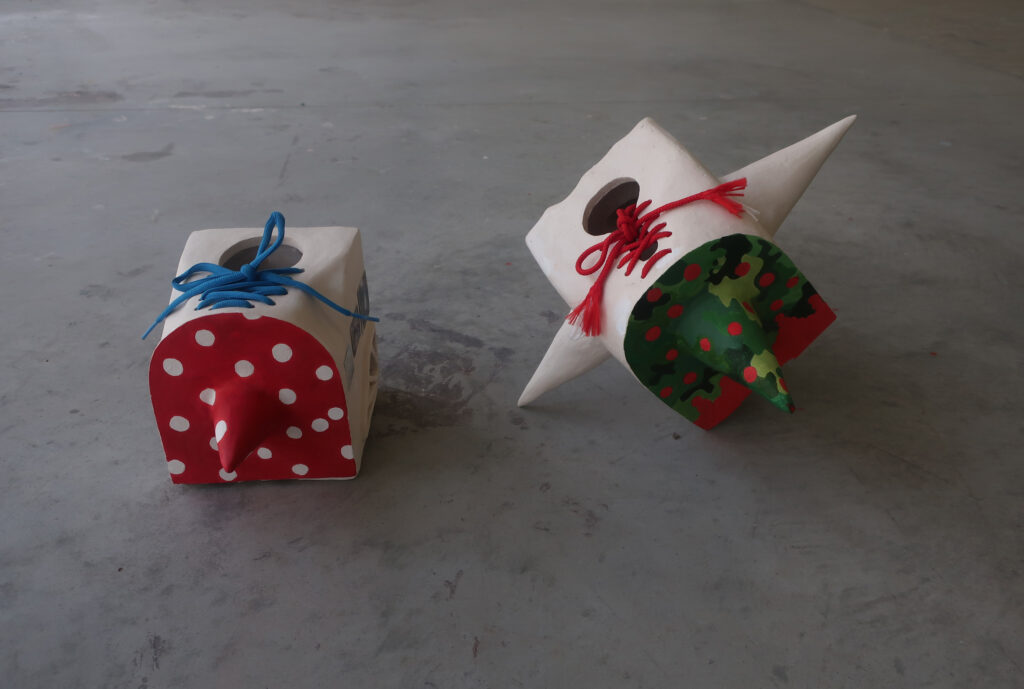
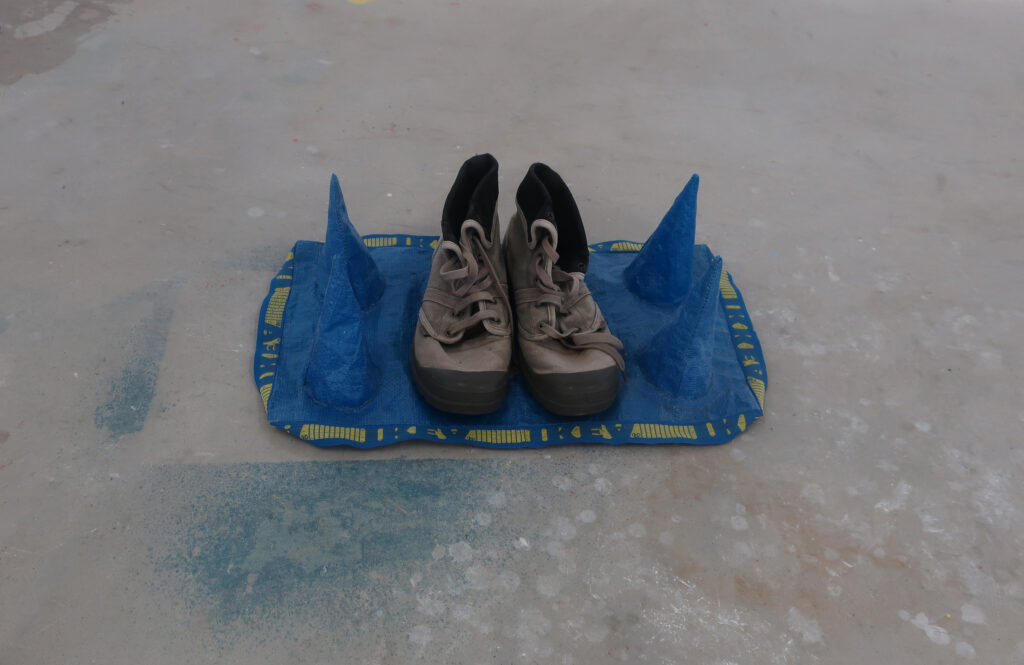
J’ai créé 6 “paires” de sculptures. Des paires: des chaussures “readymade” + un “symbiote”, une forme triangulaire et carrée guidée par une sensation, un mémoire, équilibre.
Pourquoi des chaussures ? Les chaussures sont sculpturales, expressives et un marqueur social. “I build my career reflecting that bridge between architecture and an understanding of contemporary culture: a shoe, a sneaker is almost less important than a building. Why is it not?”1
En travaillant sur cette série, j’ai senti qu’il y a de telles configurations d’objets et de matière qui procurent une harmonie soudaine, une épiphanie. Comme le décrit James Joyce, dans les mots Stephen le Héros2: “Par épiphanie, il entendait une soudaine manifestation spirituelle se traduisant par la vulgarité de la parole ou du geste ou bien par quelque phrase mémorable de l’esprit même”.
En général, c’est le moment où la matière inanimée, recueillie au hasard, commence à respirer. Un miracle !
Le cube était une extension de сette exploration de conclusion des histoires respirantes et poétique dans une forme géométrique et rigide.
Pourquoi cube? Quand je pense à un objet au sens abstrait, c’est un parallélépipède (et j’ai choisi un cube comme celui plus grotesque). Ce sont des formes humaines correctes et droits, on ne les trouvera pas dans la nature. Peu importe la matière dont ils se sont construits, ils restent un concept mathématique.
Les coins des cubes sont si corrects qu’ils ont l’air coupants. On peut se blesser par eux, on peut blesser avec eux, ils laissent des traces dans la terre humide. Le cube, c’est aussi l’architecture, l’imposition, le vide à l’intérieur, une pièce dans une pièce, le rythme et la rime.
Mon premier cube, un hasard du moment, a déterminé toute la série.
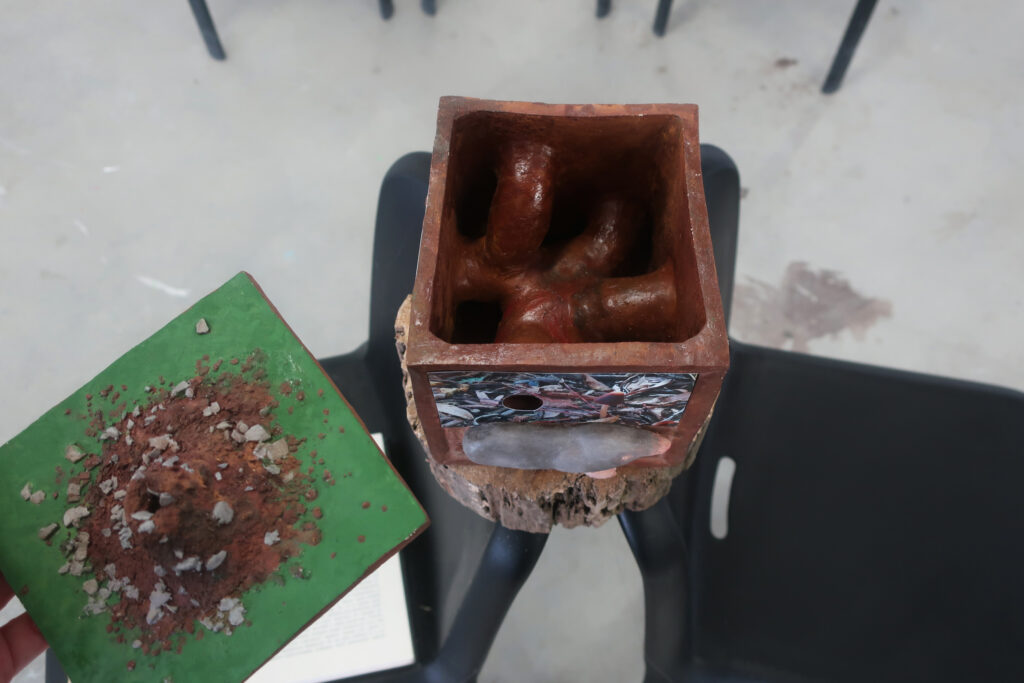
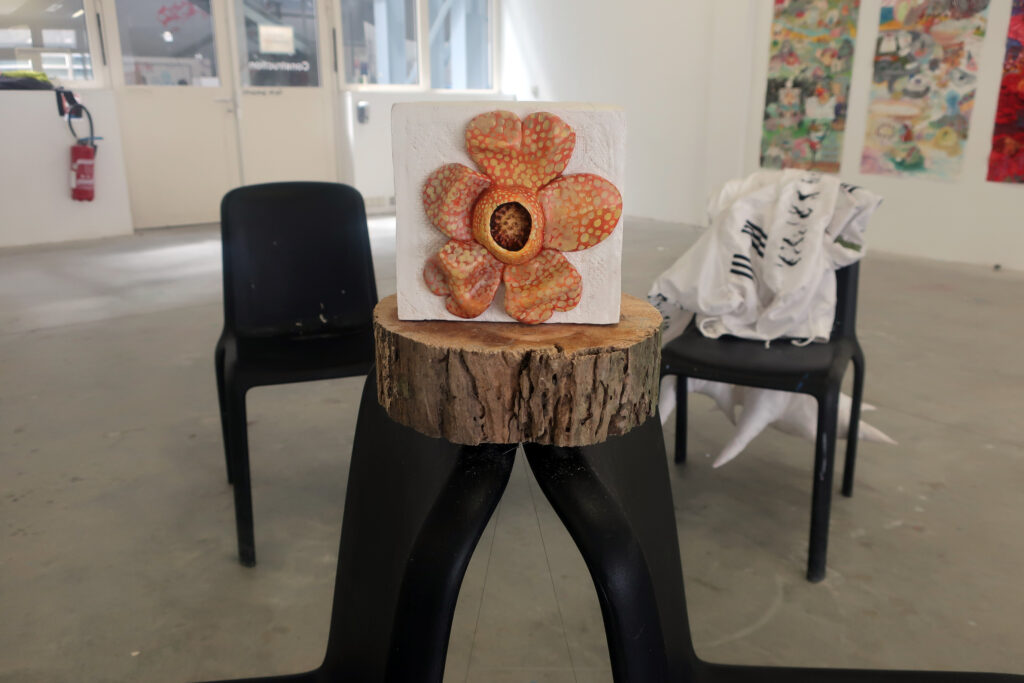
Un entonnoir à l’intérieur d’un cube с’est quelque chose du cours de géométrie, une figure en entoure ou en coupe une autre. Dans ce cas, l’entonnoir aspire de l’espace, de l’air et des insectes dans le cube. Petit trou noir. De l’autre côté du trou noir, comme dans la théorie du big bang, Rafflesia, une fleur parasite prédatrice des tropiques, fleurit. Elle mange des insectes. Ce cube est le parfait moucherolle double face.
Alors, l’idée est la suivante : un cube, un représentant de la nature (tropicale au départ) et un trou!
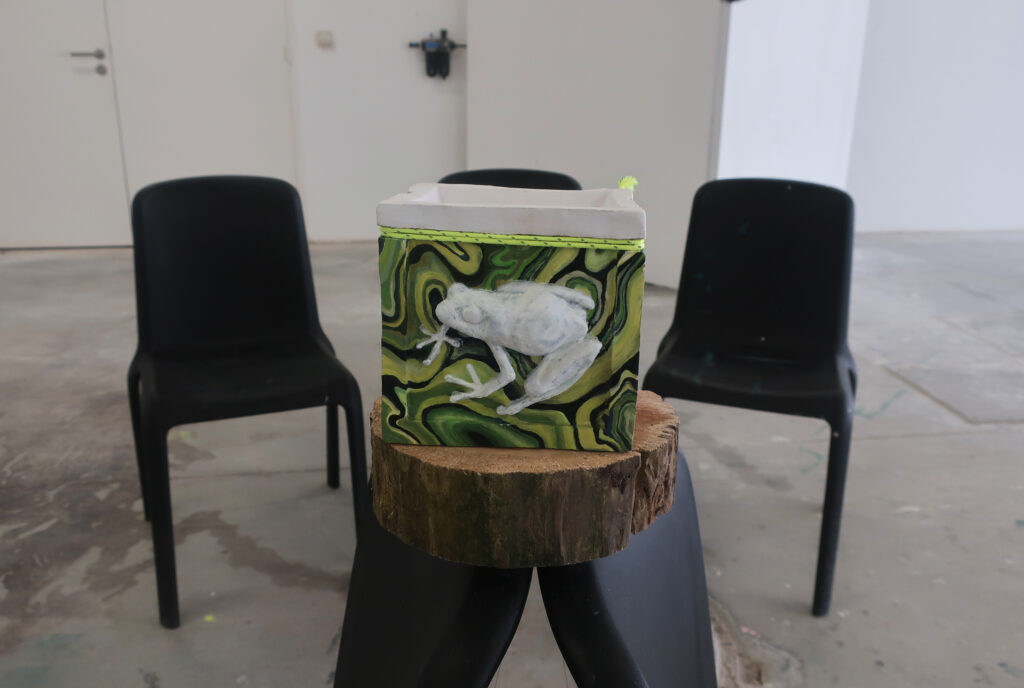
Un cube, une grenouille, un trou rectangulaire.
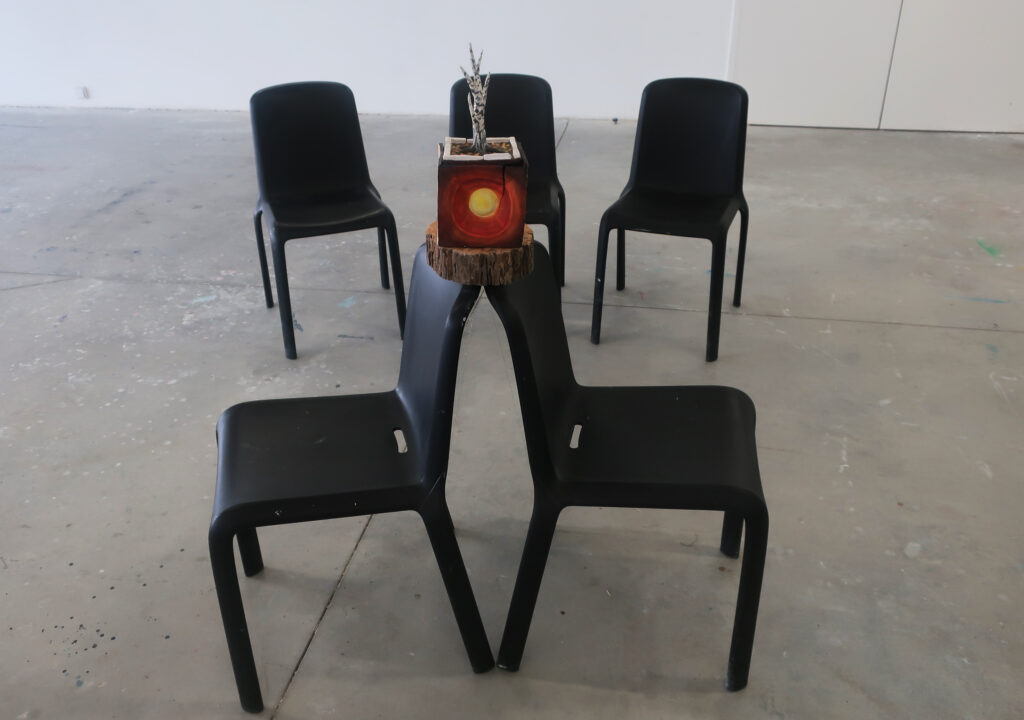
Un cube, un arbre de bouleau, une fissure dans la planète.
Un cube, une salamandre, un cratère géant pour l’extraction de diamants.
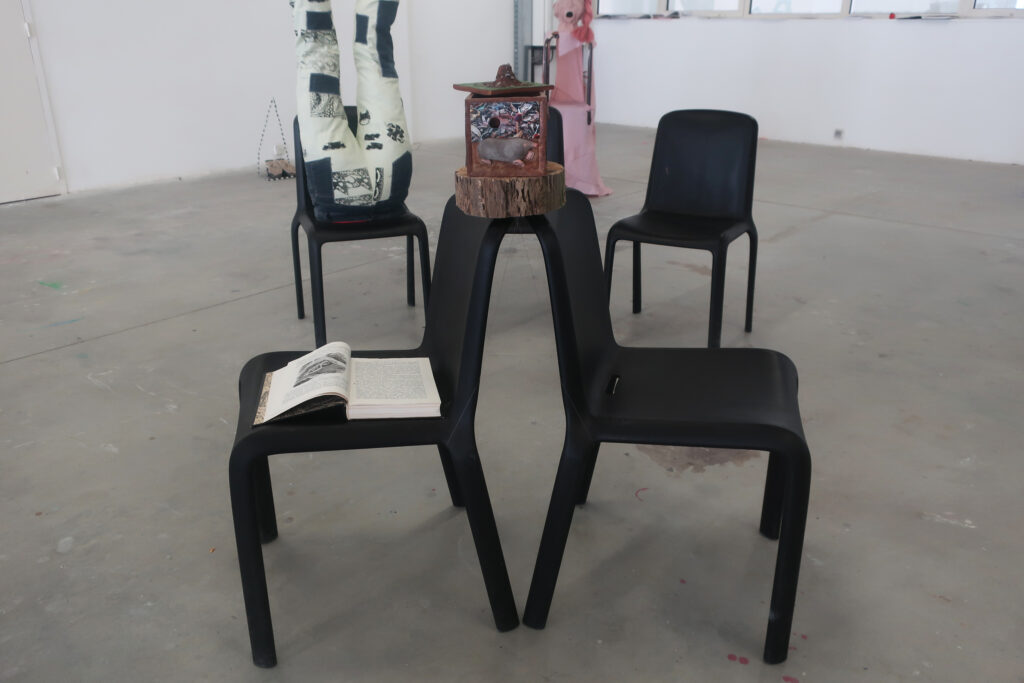
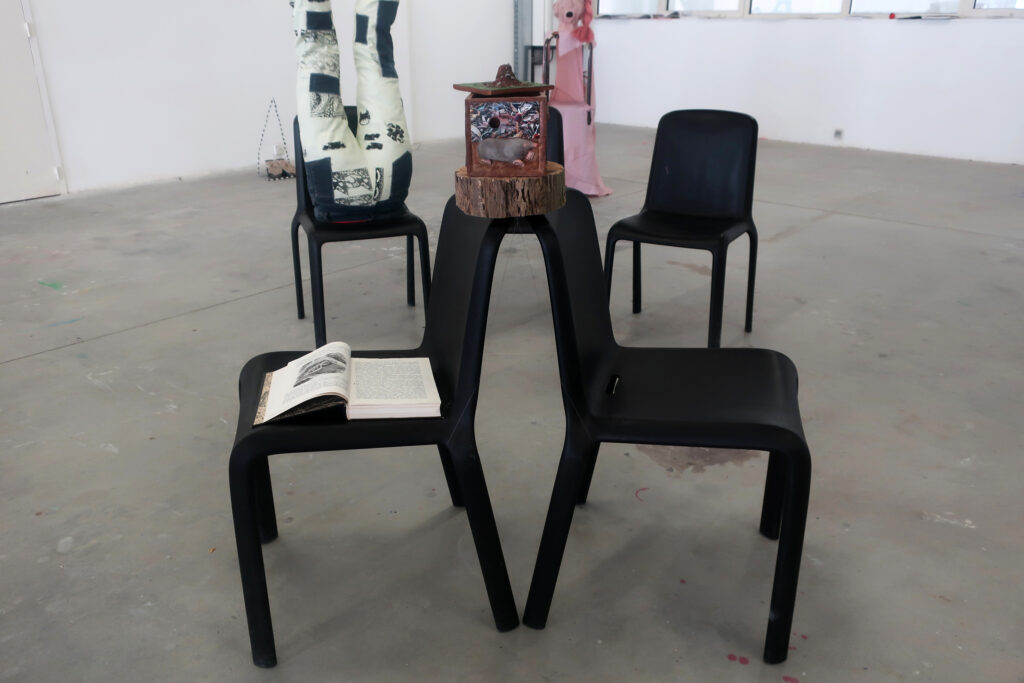
Un cube, une taupe, une topiaire.
Un cube ouvert, un sanglier, des yeux, beaucoup d’yeux, le nombre d’yeux augmente et la dualité en noir et blanc devient un échiquier.
John Cage a compilé un catalogue de mouvements musicaux, puis a jeté les dés, composant ainsi ses œuvres: “À partir de cette époque, il compose des musiques uniquement fondées sur le principe d’indétermination en utilisant différentes méthodes de tirage aléatoire dont le Yi Jing. Le mot « aléatoire » doit s’entendre chez John Cage, en anglais, comme chance et non pas random, autrement dit le hasard.3”
Peter Greenaway réalise des films intitulés: 92 explosions nucléaires sur la planète Terre, 4 compositeurs américains, 26 salles de bains, 8½ femmes. Sa narration est conclue dans les structures ouvertes, des listes.
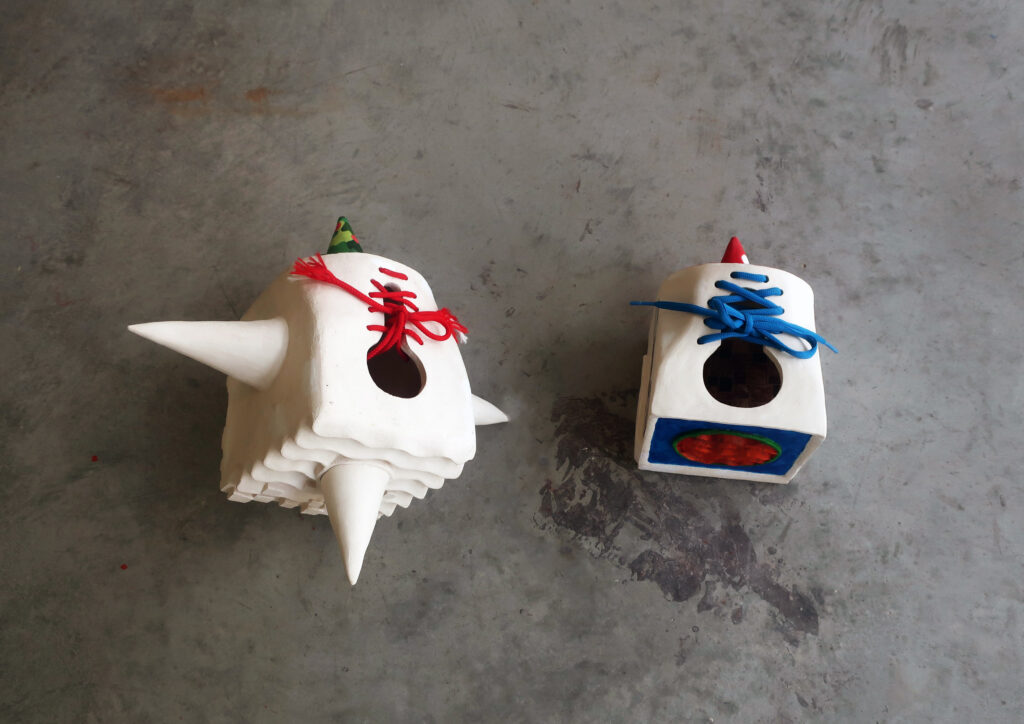
Il y a une paire de cubes-chaussures équipés de piques.
Un botte est le “soft power” de la culture, c’est une exposition photographique itinérante, c’est un papillon sur la joue d’un enfant.
L’autre botte est le “hard power” de la guerre. Les piques dépassent dans tous les sens. Ces piques laissent des blessures dans la terre.
“L’histoire d’un bouton4“
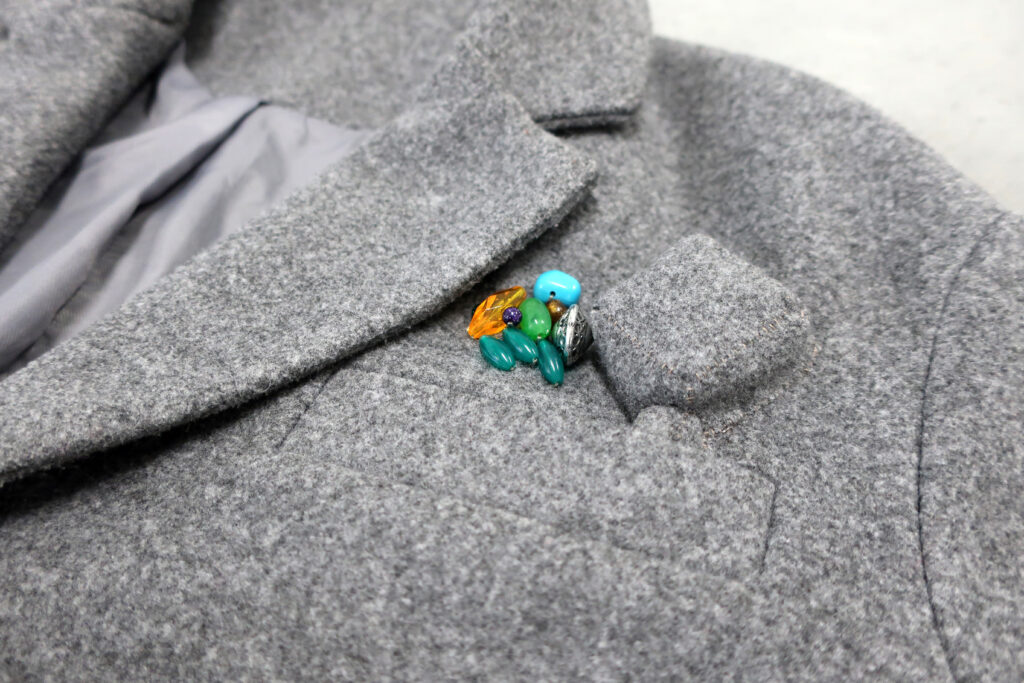
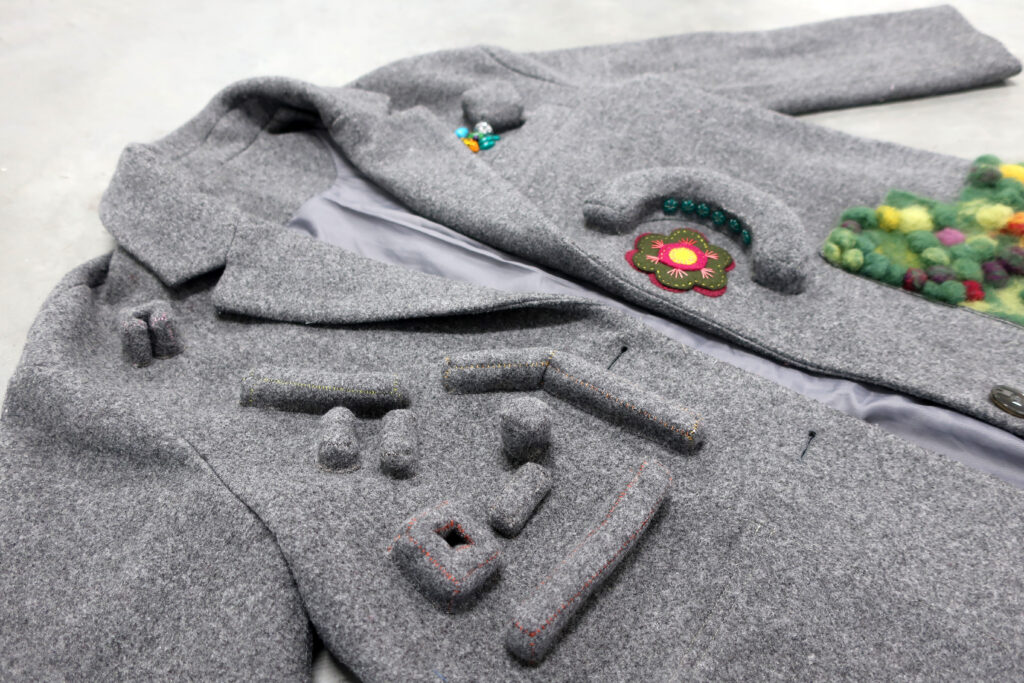
Mes deux plus grandes passions sont les vêtements et les récits. Des vêtements trouvés les combinent tous les deux, en y ajoutant l’autre – le hasard.
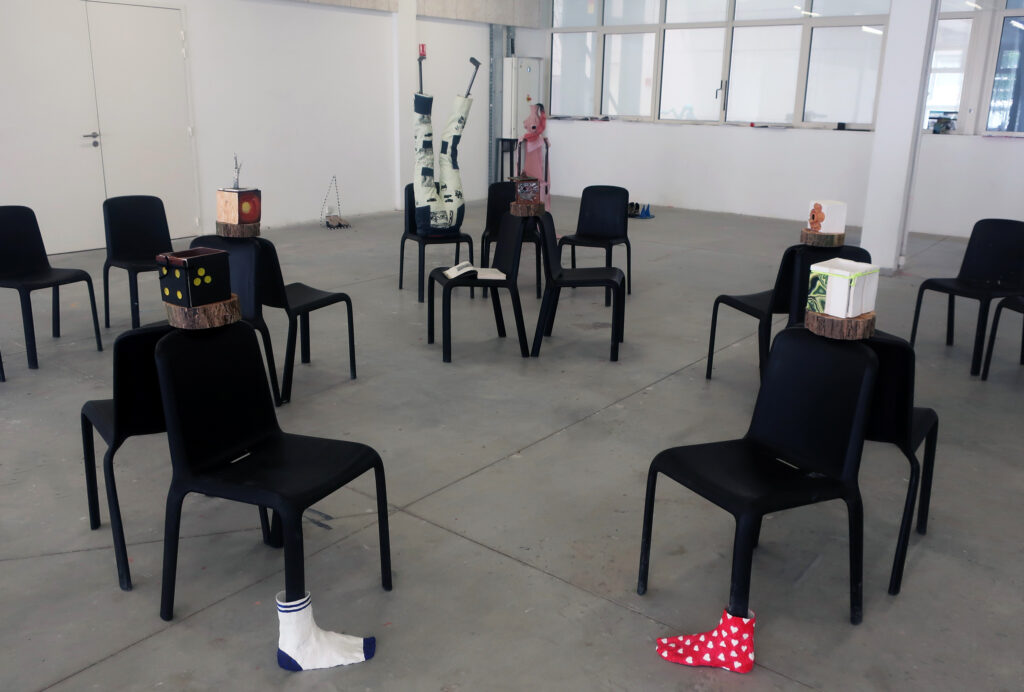
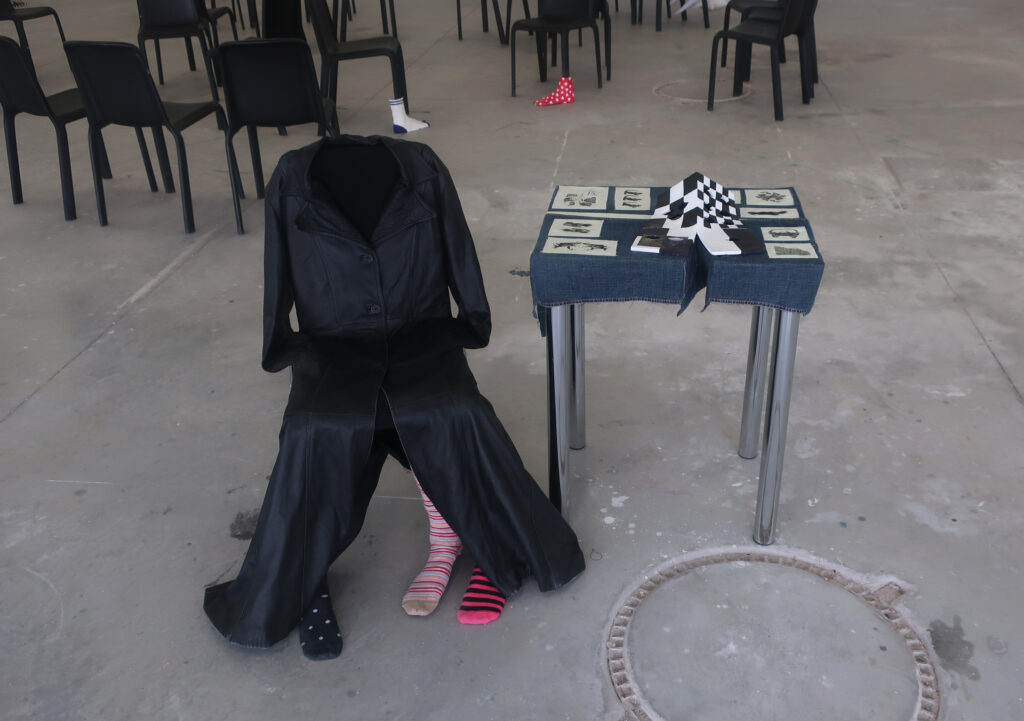
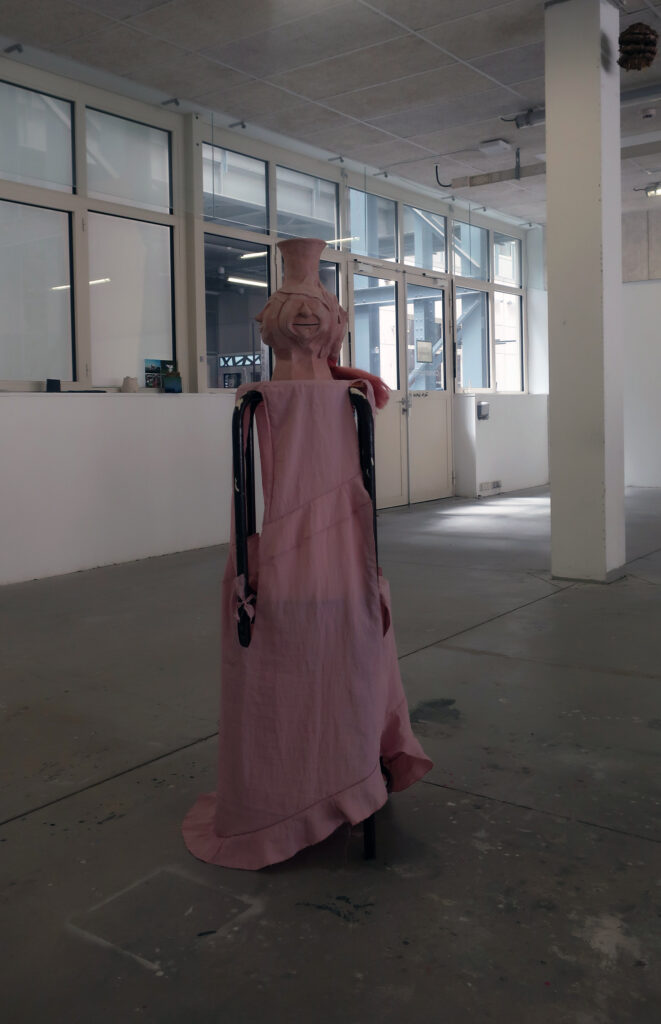
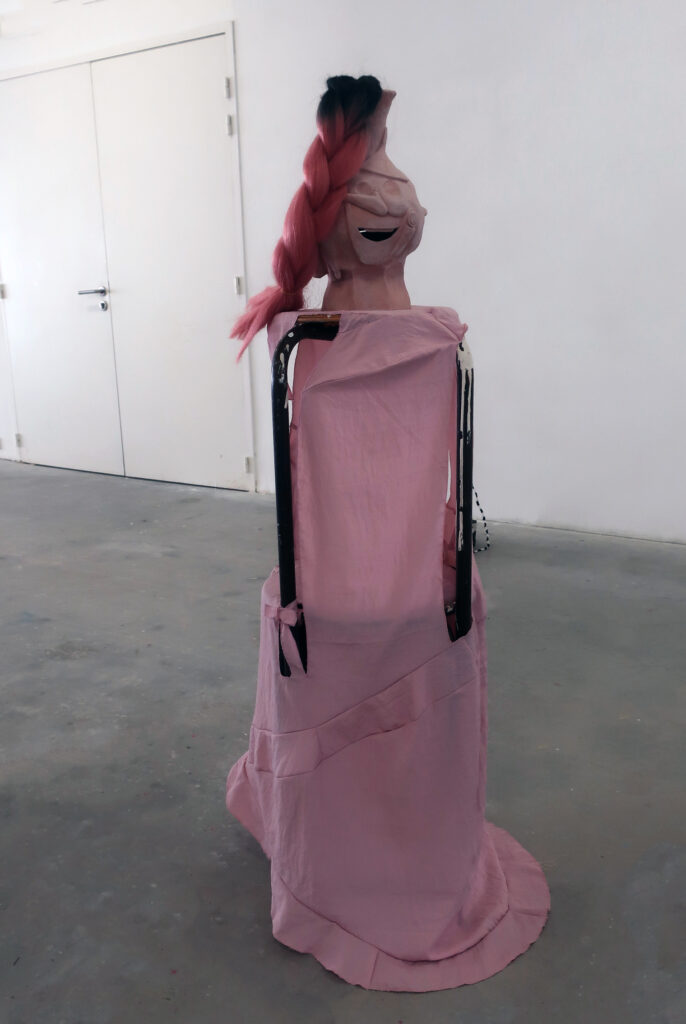
Je vous parlerai de mon gardien mystique: un manteau en cuir fumé trouvé à Bruxelles et 3 chaussettes d’adolescent dépareillées trouvées à Nantes se créent une figure d’inconnu composée aléatoirement, hybride entre une personne et une autre.
Il y a une figure pareille dans le “Manifeste cyborg” de D. Haraway: “Cyborg, in fact, is a paradoxical creature, masculine and feminine, normal and alien, psyche and matter. Conflicting with any category grid, the Cyborg is the expression that blends different evolving identities. Hybrid and shifting identities, built on multiple belongings, that transgress the normative discipline.5”
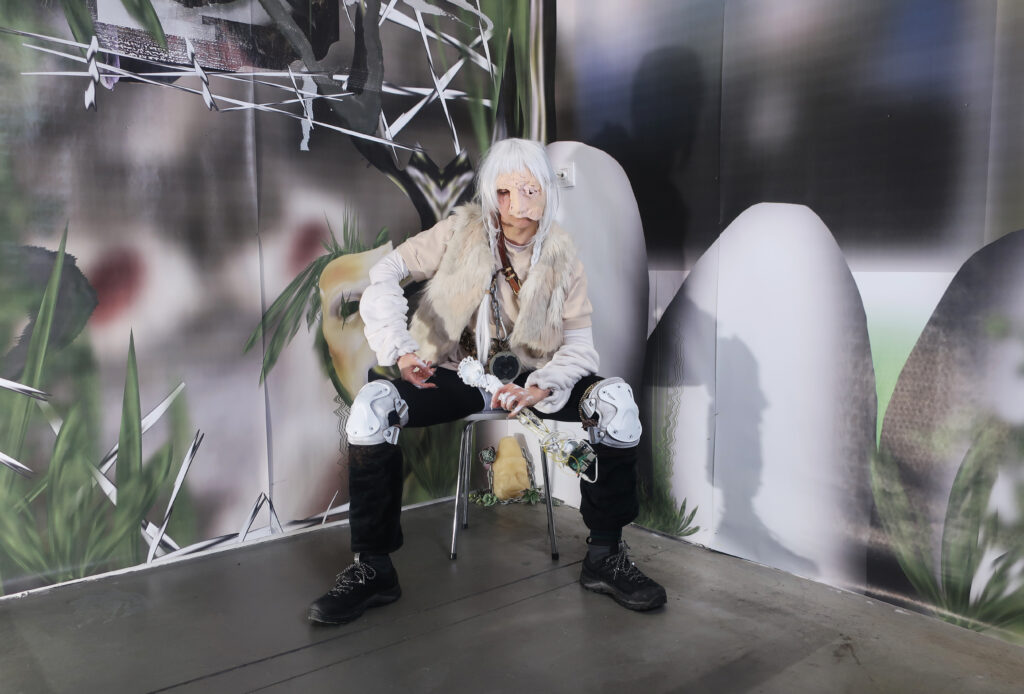
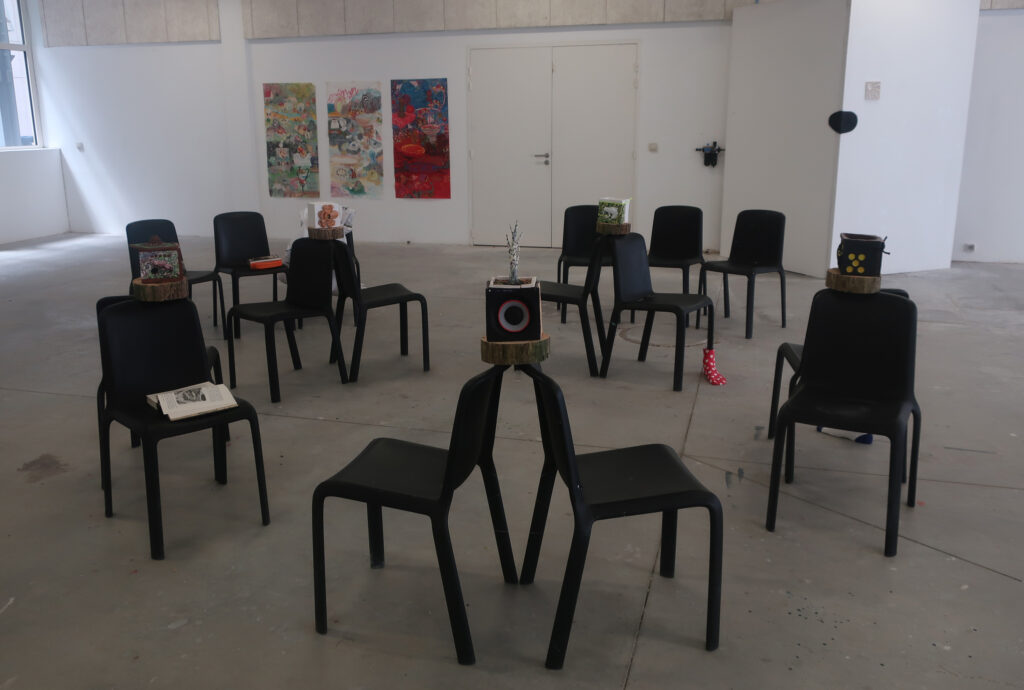
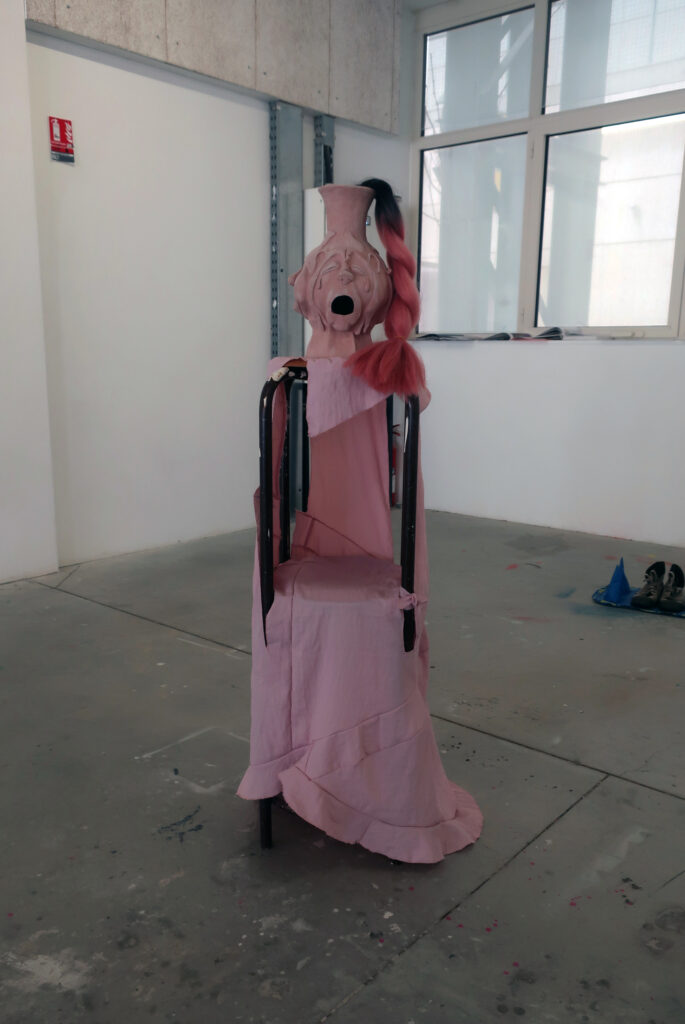
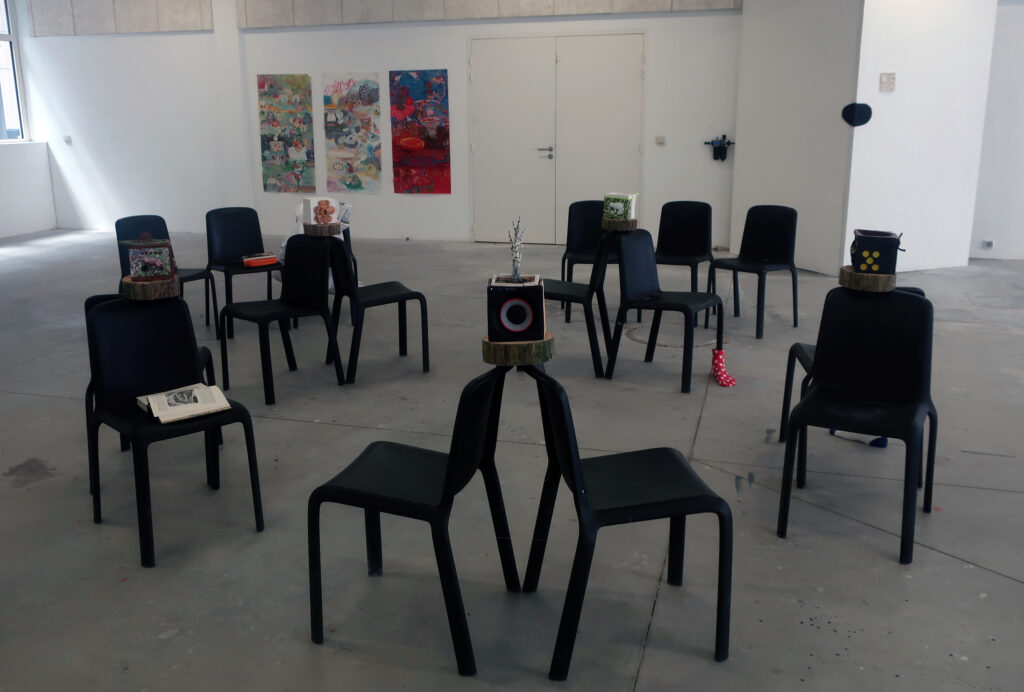
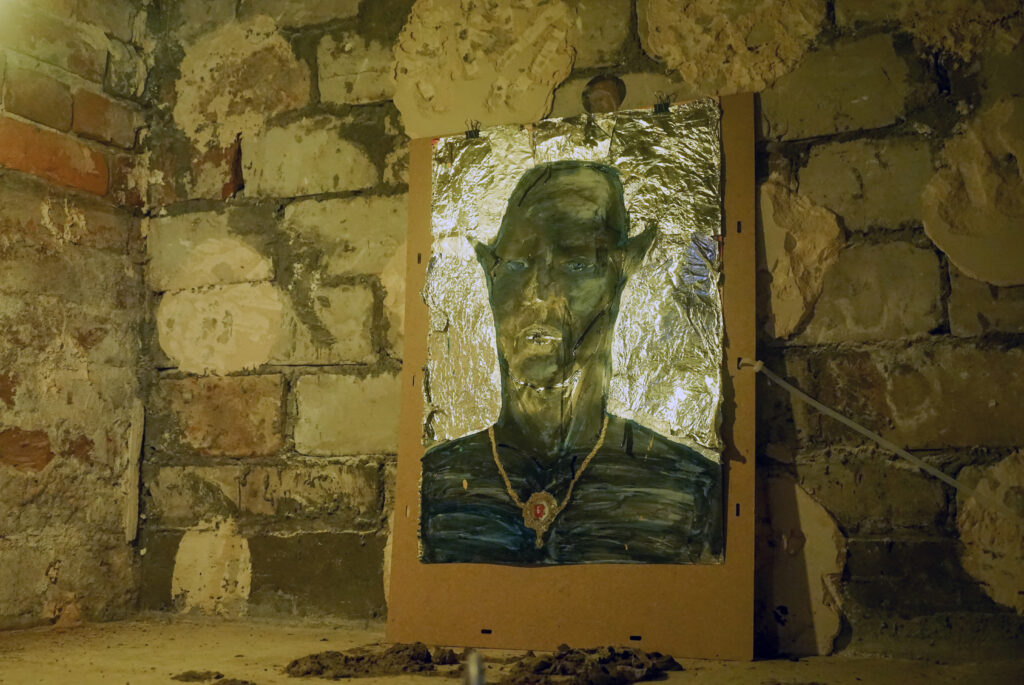
Ce Frankenstein a obtenu un poste de conservateur ici, pour mon diplôme. Il est désormais défini par sa chaise ainsi que par ses vêtements. Il a un métier et une place dans la société.
Désormais il prête son regard (un regard de quelqu’un sans le visage?) à mon exposition, en la changeant: “En physique, l’effet observateur est la perturbation d’un système observé par l’acte d’observation6”.
Bref, en me promenant, j’essaie d’être attentive aux signes, aux objets et situations, aux ensembles inattendus, aux hasards. A tout ce qui m’intrigue. Je photographie ou décrit toutes ces découvertes dans une application de notes.
Avant j’ai utilisé ces trouvailles ( parfois directement comme des références) dans mes romans graphiques que je faisais avant de me mettre en volume. Maintenant ils m’aident à faire un choix plastique ou font partie de mes œuvres.
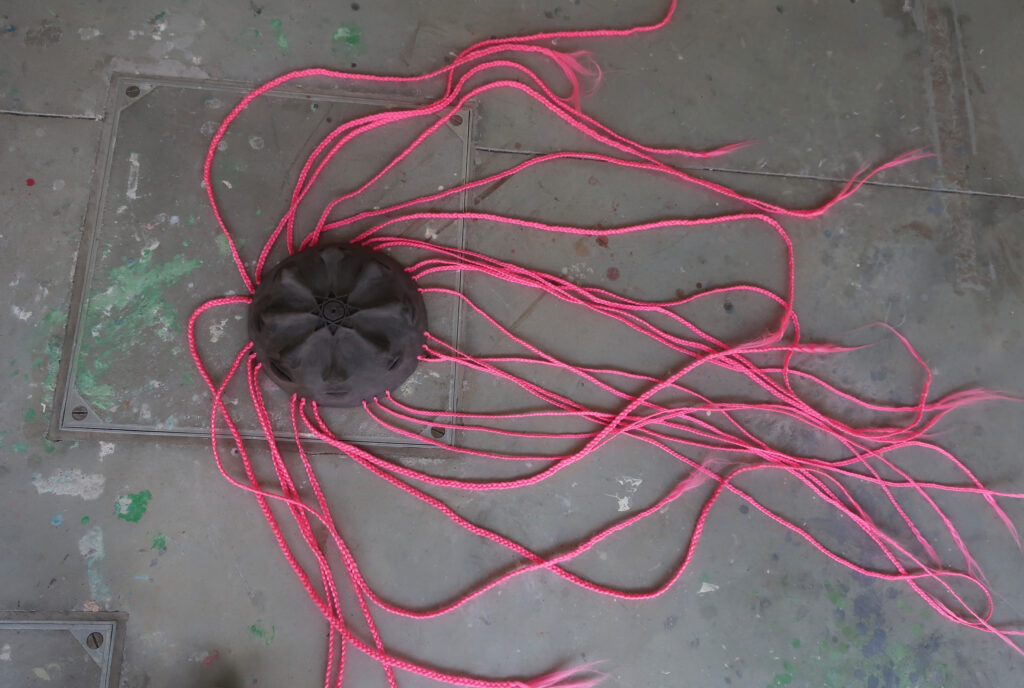
Par exemple, la tresse dans la vase a été trouvée sur la route pendant que j’allais à l’école à vélo. Mon vase était sur la table, et pour m’amuser j’ai mis ma natte dans le vase. Et par une logique étrange, ils fonctionnent très bien ensemble.
En fait, c’est symbolique. Ce vase s’inspire des vases de Khotan (ancien état bouddhiste qui fait maintenant partie de la Chine) de la collection de l’Ermitage à Saint-Pétersbourg, mais avec des visages des personnages du “Magicien d’Oz”. Quatre bas-reliefs aux visages de héros sont quatre personnages, quatre chemins. Pendant longtemps, je n’ai pas compris comment compléter ce vase, comment montrer ces quatre chemins. Et j’ai trouvé sur mon chemin cette tresse, qui est devenue une solution inattendue.
L’année dernière j’ai découvert l’artiste Helen Marten dont l’approche du travail: “Un onirisme urbain sans limites que cette passionnée de littérature teinte de poésie intemporelle7“, m’est très proche.
Ces installations: “ici, Mozart rencontre un chat tigré en porte-à-faux sur le vide. Là, l’acier habille de singulières tables aux allures de coffres-forts éventrés. Plus loin, un mégot géant jeté dans un bouquet d’orchidées, qu’importe !7” semblent faites des objets hétérogènes, incongrus, elles sont pensées en amont: avant de commencer à travailler sur l’exposition,
elle lit beaucoup (surtout de la poésie), esquissant ou notant toutes les idées qui apparaissent au cours de la lecture, elle fait des photos autour de la ville pour trouver des nouvelles logiques d’ensembles d’objets. Finalement, on est à la frontière du réel et de la fiction qui s’accompagnent et s’inspirent.
Mon rapport avec la nature.
J’aime la terre, les arbres, les animaux, j’aime observer la nature.
En août, j’ai acheté le livre “Apprendre à voir” d’Estelle Zhong Mengual, consacré à la crise de la culture du vivant en Occident. Les trains, par exemple, sont profondément ancrés dans nos vies et évoquent de nombreuses associations, tandis que les cerfs qui vivent dans les forêts de toute l’Europe en évoquent peu ou pas du tout.
Elle écrit: “ne pas avoir une culture du vivant contribue à le tenir en dehors du champ non seulement de l’attention, mais aussi de l’importance, hors du règne des entités qui existent fort dans notre monde, hors de notre monde commun. Travailler à enrichir notre culture du vivant […] c’est aussi dès lors un geste politique, dans un temps où l’on comprend enfin la toxicité profonde qu’il y a à se rapporter au vivant comme simple décor de nos vies.8”
Elle propose d’observer davantage la nature, d’être naturaliste comme au 18ème siècle. Dessinez des fleurs, observez les fourmis et les papillons.
En observant l’écorce des bouleaux, on voit souvent des yeux, et parfois des paysages semblables à l’aquarelle chinoise: des mers où les fines lignes horizontales sont des vagues et des montagnes.
J’ai tracé l’écorce de bouleau dans Adobe Illustrator pour programmer une machine à broder. Ces broderies sont présentes sur les côtés du pantalon enraciné, en hommage aux trois bandes d’Adidas, ainsi que sur la robe décousue d’un côté, comme extraite d’une écorce d’arbre.
A l’ancienne Russie, l’écorce de bouleau était utilisée comme support d’écriture ou de dessin.
Cette metamorphose entre un arbre et notamment un arbre du bouleau et une femme est du au mythe de Daphné9 (la nymphe se transforme en arbre pour éviter l’Apollon obsessionnellement amoureux).
Il y a un bouleau sur un de mes cubes et d’autres animaux.
Depuis que j’ai découvert cette question de représentation des animaux dans l’art, je me suis permis de m’exprimer à ce sujet, construire des univers dont le tiers ou deux tiers provient de la nature (sa représentation dans la Nature).
Chaque cube est un petit monde dans lequel la relation entre la forme du cube (l’espace extérieur et intérieur, la périodicité, la rigidité, les coins, les cubes pour enfants, l’architecture), celle de l’animal (l’emblème, la photographie, le symbole, le héros folklorique), celle du trou (le terrier, le trou noir, la fissure, la carrière de diamants, l’espace pour entrer un pied dans une chaussure) créent des règles pour un nouveau langage.
Bibliographie
Virgil Abloh, l’entretien dans Frog n° 19. Virgil Abloh est un créateur américain pluridisciplinaire aux intérêts multiples
Alberto Savinio est un écrivain, un peintre et un compositeur italien, et le frère cadet de Giorgio De Chirico, l’un des inspirateurs du mouvement surréaliste
Richard Wentworth est un artiste britannique né en 1947 aux Samoa, également professeur au Royal College of Art. Il photographie la rue, des objets abandonnés.
Peter Fischli et David Weiss sont des artistes suisses originaires de Zurich
Gilbert & George sont deux artistes plasticiens britanniques travaillant en couple
— Мы глазки жуковы. — Я гусеницын нос. — Я возникающий из семени овес. — Я дудочка души, оформленной слегка. — Мы не облекшиеся телом потроха. — Я то, что будет органом дыханья. — Я сон грибка. — Я свечки колыханье, — Возникновенье глаза я на кончике земли. — А мы нули. — Все вместе мы — чудесное рожденье, Откуда ты свое ведешь происхожденье.
Н.Заболоцкий, из поэмы “Деревья”
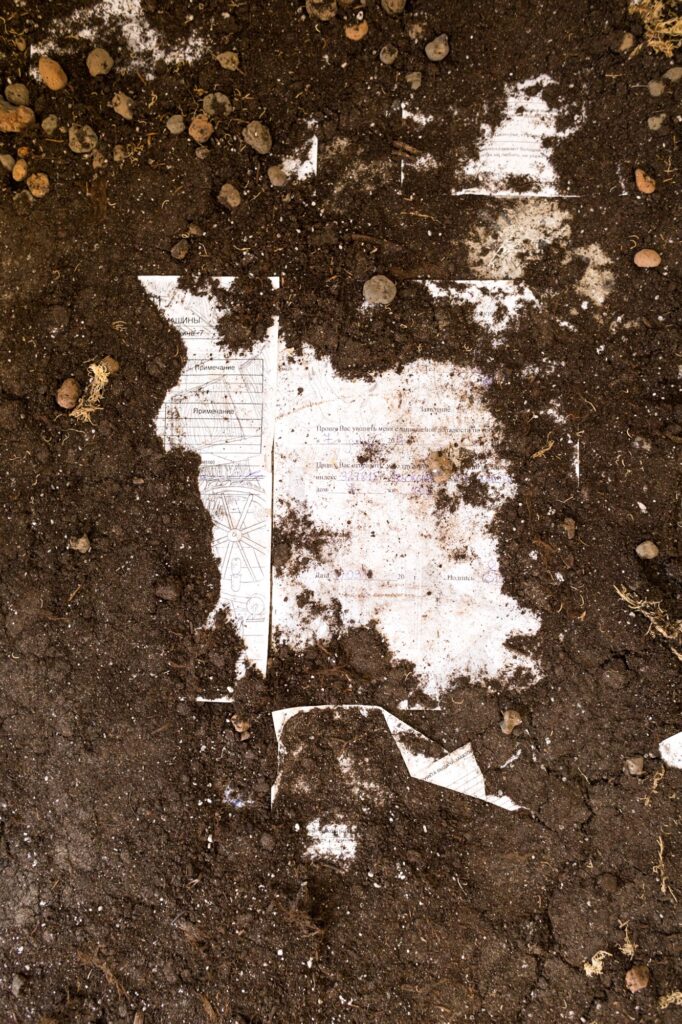
Сотрудник Seo-компании видит сон о речке животного*. В его сновидении речка животного – и самая его привычная, куда он ходит на водопой, принадлежащий ему уютный дом, и поток речи “маленького”, невзрослого человека, еще не выучившего язык. Животное еще может быть не только принадлежащим биологическому царству в учебнике, но и кричащим, вопящим, имеющим для того рот, вовсю глазеющим и пожирающим, что сочтет за пищу. Утро в офисе после такого сна, да и вообще день до вечера оказываются невыносимыми, человек не находит себе места и рисует поверх отчетов упрямые, дикие каракули, что-то тут же рвёт, заканчивается рабочий день, на мороз он выходит с пачкой рисунков. Глаза его устали и не могут ощупать как следует сырость земли и снега. Может быть, он последний на всей земле так делает – кладет рисунки в подтаявшие лужи, в сугроб, оставляя решение распорядиться судьбой за тем, что считается материей или стихией.


 At Golden Mountain, I’ve also bought this brooch, it’s the Queen Sirikit, the adored Queen Mother, who just passed in October 2025, so there are her portraits everywhere. It has plenty of cultural and other initiatives named after her, as she was a great leader and took care of her people. And also she liked fashion, and there is her museum of textile with her silken dresses, I’m gonna go there for sure, just today I’m tired after muay thai session, I’ll tell about it in the next posts.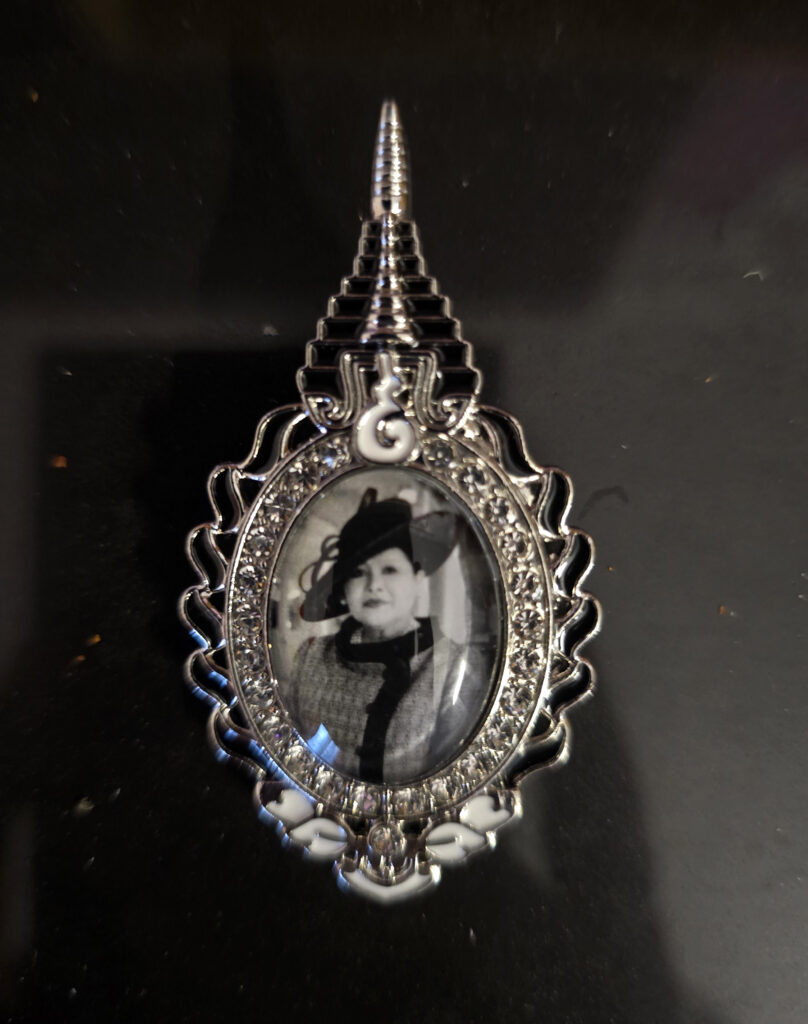
 In Bangkok, a big part of life, mostly middle and high-class life, happens in shopping malls. They are heavily air-conditioned, and people even wear light jackets and sweaters there, despite the heat outside. They are huge consumerist paradises with so much food, like food is everywhere + ground floor and sometimes the first floors are dedicated entirely to countless food stalls, quite affordable for a European salary. Everything is clean, tidy, and cute.